The Exciting History and Origin of Pork Street Tacos
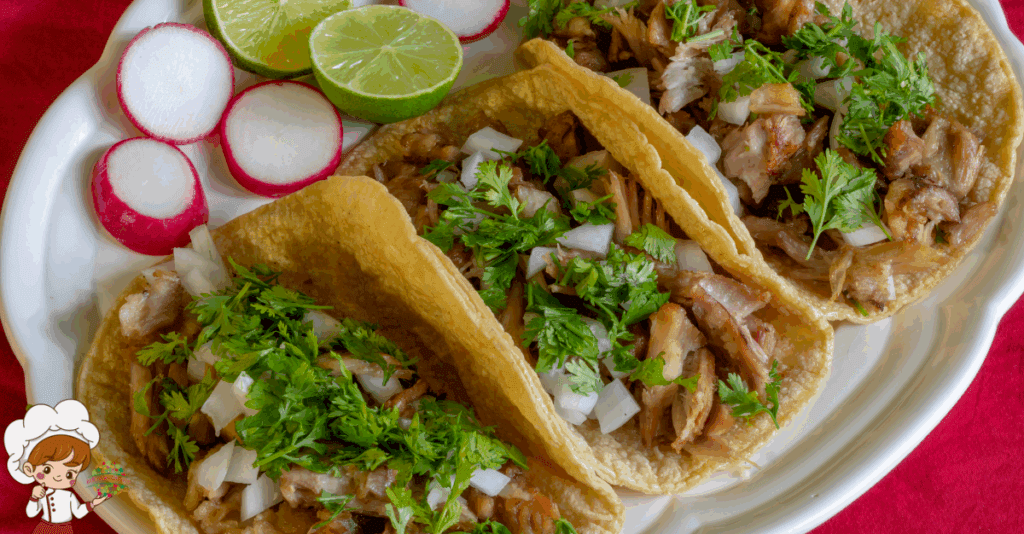
History and Origin of Pork Street Tacos; Street food holds a special place in the heart of global cuisine, and few dishes embody that heritage as well as pork street tacos. Known for their rich flavors, authentic roots, and cultural significance, pork street tacos have become a staple not only in Mexico but also in culinary scenes around the world. Understanding their origin requires tracing centuries of culinary evolution, cultural fusion, and regional influences.
In this article, we will dive into the history of pork street tacos, exploring their Mexican roots, how Spanish colonization shaped their flavors, why pork became the star protein, and how this street food classic transformed into an international favorite. We’ll also address common questions in the FAQ section to give you a complete guide to this beloved dish.
The Cultural Significance of Pork Street Tacos in Mexican Cuisine
Street tacos in Mexico are more than just food—they are a way of life. They represent the daily rhythms of communities, from bustling urban plazas to small rural towns. Pork street tacos play a starring role in this tradition because they embody Mexico’s rich blend of indigenous and colonial food cultures.
Tacos date back to pre-Columbian Mexico, where indigenous peoples used corn tortillas as edible vessels for a variety of fillings. After the Spanish introduced domesticated pigs in the 1500s, pork became one of the most widely consumed meats in the region. Over time, pork was seasoned with indigenous spices, herbs, and preparation techniques, laying the foundation for what we now recognize as authentic pork street tacos.
The Origin of Pork in Mexican Street Food
The origin of pork tacos can be traced to the introduction of pigs by Spanish conquistadors in the early 16th century. Before this, indigenous Mexican diets focused on native proteins such as turkey, fish, insects, and wild game. Pork quickly became a cornerstone of the diet because of its adaptability and flavor.
The combination of pork with indigenous culinary practices created a new dimension of flavor. Ancient methods of marinating meats in chili peppers, herbs, and citrus were applied to pork, leading to the development of iconic dishes like tacos al pastor—one of the most famous pork street tacos in history.
Tacos Al Pastor: The Lebanese Influence on Pork Street Tacos
One of the most fascinating chapters in the history of pork street tacos is the story of tacos al pastor. In the early 1900s, Lebanese immigrants brought with them the tradition of cooking meat on vertical spits, similar to shawarma. In Mexico, pork replaced lamb, and the meat was marinated with traditional Mexican ingredients such as chilies, achiote, and pineapple.
This unique blend of Middle Eastern cooking techniques and Mexican flavors gave rise to al pastor tacos, which are now considered one of the most iconic forms of pork street tacos. The sweet and savory balance of marinated pork slices cooked on a spit revolutionized the taco world and further cemented pork as the taco meat of choice.
The Rise of Pork Street Tacos in Mexican Street Food Culture
Pork street tacos became popular because of their accessibility, affordability, and bold flavor. Vendors across Mexico embraced pork for its versatility, creating countless variations depending on the region.
In Mexico City, tacos al pastor reign supreme, while other regions focus on different cuts and preparations of pork. For example, in the Yucatán, cochinita pibil tacos showcase slow-roasted pork marinated in citrus and achiote, wrapped in banana leaves for cooking. Each region reflects its heritage, creating a tapestry of flavors that highlight the adaptability of pork in Mexican cuisine.
Why Pork Street Tacos Became a Global Favorite
As Mexican food spread beyond Mexico’s borders, pork street tacos quickly became a global sensation. Their rise can be credited to several factors:
- Flavor profile: Pork absorbs marinades and seasonings beautifully, making it the ideal meat for bold Mexican spices.
- Street food appeal: Pork street tacos are portable, affordable, and satisfying, aligning with the global street food trend.
- Cultural representation: Tacos showcase the heart of Mexican culture, and pork’s historical roots made it a natural ambassador of that heritage.
Today, pork street tacos are enjoyed not only in Mexico but also in the United States, Europe, and beyond, often adapted with local ingredients while maintaining their authentic roots.
Regional Variations of Pork Street Tacos
The diversity of Mexican pork tacos highlights the culinary richness of the country. Some of the most popular regional variations include:
- Tacos al Pastor (Mexico City): Marinated pork cooked on a vertical spit, served with pineapple and cilantro.
- Cochinita Pibil (Yucatán): Slow-cooked pork marinated in citrus and achiote, wrapped in banana leaves.
- Carnitas (Michoacán): Pork simmered until tender, then crisped for a savory and rich taco filling.
- Tacos de Chorizo: Spicy pork sausage with bold seasonings, reflecting both Spanish and Mexican influences.
Each variation tells a story of cultural blending, regional identity, and culinary creativity.
The Evolution of Pork Street Tacos in the United States
In the United States, pork street tacos became widely recognized with the growth of Mexican-American communities. They were first popularized in border states like California and Texas and later spread nationwide. Street taco vendors introduced authentic Mexican techniques, while fusion chefs added modern twists.
The authenticity of pork street tacos has been preserved in many taquerías, but adaptations like Korean BBQ pork tacos or chipotle-seasoned variations show how versatile this dish has become in global cuisine.
The Role of Pork Street Tacos in Modern Street Food Trends
Pork street tacos continue to evolve in today’s food culture. As consumers seek authentic flavors and artisanal experiences, pork tacos perfectly bridge tradition and innovation. Food trucks, festivals, and gourmet restaurants all highlight pork street tacos, making them a staple of modern dining.
Additionally, the rise of health-conscious and sustainable dining has encouraged some adaptations, including leaner pork cuts and locally sourced tortillas, showing that this centuries-old dish can adapt to the needs of the present day.
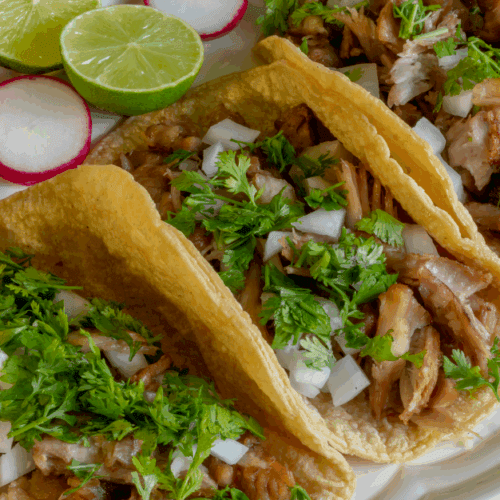
Authentic Pork Street Tacos Recipe
Ingredients
- 2 lbs pork shoulder or pork butt trimmed and cut into small chunks
- 3 tbsp achiote paste or substitute paprika + chili powder mix if unavailable
- 3 tbsp apple cider vinegar
- 1/2 cup orange juice
- 1/4 cup lime juice
- 4 cloves garlic minced
- 1 tsp ground cumin
- 1 tsp smoked paprika
- 1 tsp chili powder
- 1 tsp oregano
- 1/2 tsp salt adjust to taste
- 1/2 tsp black pepper
- 2 tbsp olive oil
- Corn tortillas warmed
- Toppings optional but traditional:
- Fresh cilantro chopped
- White onion finely diced
- Lime wedges
- Fresh salsa red or green
- Pineapple chunks if making tacos al pastor-style
Instructions
- Prepare the marinade:
- In a mixing bowl, whisk together achiote paste, vinegar, orange juice, lime juice, garlic, cumin, paprika, chili powder, oregano, salt, pepper, and olive oil until smooth.
- Marinate the pork:
- Add the pork chunks to a large resealable bag or bowl. Pour the marinade over the pork, ensuring it is fully coated. Cover and refrigerate for at least 2 hours (overnight for best flavor).
- Cook the pork:
- Stovetop method: Heat a large skillet over medium-high heat. Cook the pork in batches until browned and cooked through, about 12–15 minutes.
- Oven method: Preheat oven to 350°F (175°C). Place marinated pork in a baking dish, cover with foil, and bake for 1.5–2 hours, until tender.
- Grill method (authentic style): Skewer marinated pork and grill over medium heat until charred and juicy, then slice thinly.
- Warm the tortillas:
- Heat corn tortillas in a dry skillet or directly over a gas flame until soft and slightly charred.
- Assemble the tacos:
- Place a generous scoop of pork onto each tortilla. Top with diced onion, cilantro, salsa, and a squeeze of fresh lime juice. Add pineapple chunks if desired.
FAQ: History and Origin of Pork Street Tacos
What are pork street tacos?
Pork street tacos are small, traditional Mexican-style tacos made with corn tortillas and seasoned pork, often garnished with cilantro, onions, salsa, and lime.
Where did pork street tacos originate?
Pork tacos originated in Mexico after Spanish colonizers introduced pigs in the 1500s. Over time, pork became a staple meat in Mexican cuisine, and when combined with indigenous cooking techniques, it created the foundation of pork street tacos.
What is the difference between carnitas and tacos al pastor?
Carnitas are made by simmering pork until tender and then crisping it, while tacos al pastor feature marinated pork cooked on a vertical spit, often paired with pineapple.
Why is pork popular in Mexican tacos?
Pork’s versatility, affordability, and ability to absorb strong marinades made it the perfect protein for Mexican street food traditions.
Are pork street tacos authentic Mexican food?
Yes, pork street tacos are deeply rooted in authentic Mexican cuisine, with variations such as tacos al pastor, carnitas, and cochinita pibil representing different regions of Mexico.

Conclusion: The Timeless Appeal of Pork Street Tacos
The history and origin of pork street tacos tell a story of cultural blending, culinary creativity, and enduring tradition. From indigenous tortillas to Spanish-introduced pork, and from Lebanese-inspired cooking techniques to regional Mexican specialties, pork street tacos reflect centuries of history on a single tortilla.
Today, pork street tacos stand as a global icon of Mexican street food, beloved for their bold flavors, authenticity, and adaptability. Whether enjoyed in a bustling market in Mexico City or at a food truck in New York, pork street tacos continue to celebrate the richness of Mexican culinary heritage—one bite at a time.
If you enjoyed exploring this topic and want to dive even deeper, be sure to check out some of our other articles here on Infinite Flavors. From rich culinary histories to creative twists on classic recipes, there’s always something new to discover. Whether you’re curious about the origins of a dish, looking for fresh inspiration in the kitchen, or simply love learning about food culture, our collection of posts is the perfect next step on your flavor journey.
The Best Mexican Brunch Recipes For A Weekend Treat
The Best Spanish-Inspired Vegetarian Paella Recipe
The Best Chicken Enchiladas With Green Sauce