DIY Hot Sauce Recipes: From Scratch Explorations
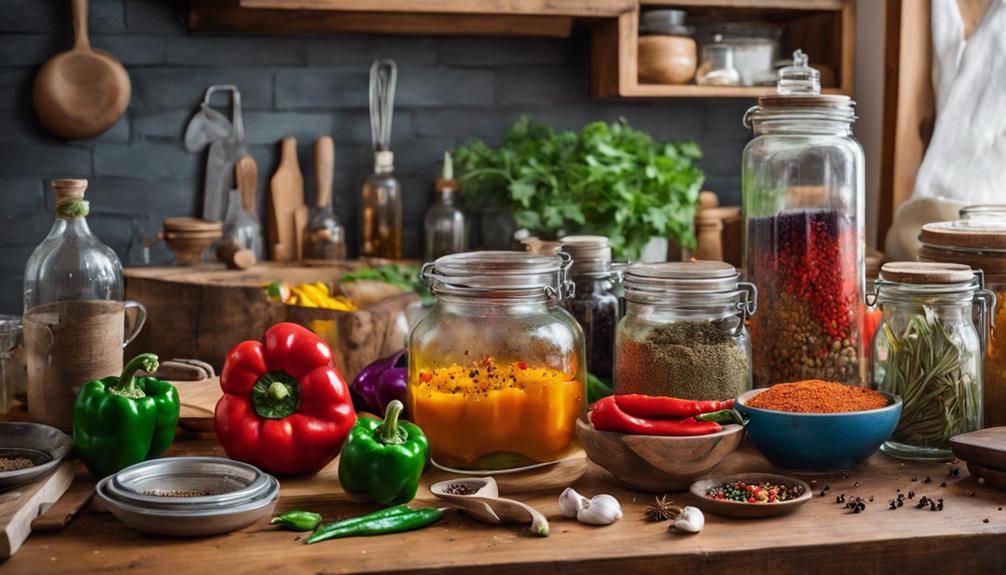
Hot Sauce Recipes: From Scratch Explorations: If you're ready to create delicious DIY hot sauce, start by choosing your favorite peppers. Combine ingredients like vinegar and spices to craft different flavor profiles—whether you prefer tangy, smoky, or fruity sauces. You'll need some basic tools, like a blender and sterilized glass bottles, to guarantee your sauce lasts. Don't forget about fermentation, which adds unique depth and complexity. Play around with the heat level based on your pepper choice and get adventurous with flavor combinations. This journey into homemade sauces is just beginning, so stick around to explore even more exciting ideas and recipes!
Understanding Hot Sauce Basics
Click Here and Turn Every Masterpiece into a Showstopper!
When it comes to hot sauce, understanding the basics is vital for crafting your perfect blend. Hot sauce has a rich history that dates back centuries, originating from various cultures around the globe. From the ancient Aztecs using chili peppers to the fiery sauces of Southeast Asia, these flavors have evolved, influencing what you enjoy today.
To create a hot sauce that resonates with your palate, you need to familiarize yourself with flavor profiles. Hot sauces can range from tangy and fruity to smoky or even sweet. Each ingredient you choose plays a significant role in developing the overall taste. For instance, vinegar adds acidity and brightness, while fruits like mango or peach can introduce a delightful sweetness that balances heat.
When experimenting with your homemade hot sauce, it's important to reflect on the heat level. The Scoville scale measures the spiciness of peppers, giving you a clearer picture of what to expect. Use this knowledge to select peppers that align with your desired flavor profile.
Furthermore, don't forget about the importance of texture. A smooth blend might work for certain recipes, while a chunky sauce can enhance the experience in others.
Choosing the Right Peppers
Selecting the right peppers is essential for achieving the perfect balance of heat and flavor in your hot sauce. Different peppers bring unique flavor profiles and varying levels of heat, so it's vital to understand what you're working with. Start by considering the heat scale differences, often measured in Scoville Heat Units (SHU). For instance, jalapeños typically range from 2,500 to 8,000 SHU, providing a mild to moderate heat, while habaneros can soar between 100,000 to 350,000 SHU, delivering a fiery kick.
When you choose your peppers, think about the pepper flavor profiles as well. Some peppers, like serranos, have a bright, grassy flavor, while others, like chipotles, offer a smoky depth. If you want complexity in your sauce, consider blending different types of peppers. A combination of sweet peppers and hot ones can create a well-rounded sauce with layers of taste.
Don't overlook the potential of using peppers at different ripeness stages. Green peppers tend to have a sharper taste, while ripe red peppers provide sweetness and richness, enhancing your sauce's overall flavor.
Experimenting with various pepper combinations can help you find that perfect mix that suits your palate. Remember, you can always start with milder peppers and gradually increase the heat as you become more comfortable crafting your sauce. Enjoy the journey of discovering which peppers resonate with your unique taste!
Essential Ingredients for Hot Sauce
When you're making hot sauce, choosing the right chili pepper varieties is vital for flavor and heat. You'll also want to understand fermentation basics, as this process can elevate your sauce to new levels. Let's explore these essential ingredients that can make your homemade hot sauce truly exceptional.
Chili Pepper Varieties
While many factors contribute to the perfect hot sauce, the choice of chili pepper varieties stands out as vital. Each pepper has unique characteristics that influence flavor, aroma, and heat level. When selecting your peppers, consider regional pepper varieties, as they often reflect local culinary traditions and historical significance. For example, you might find that jalapeños offer a medium heat, perfect for salsas, while habaneros bring a fruity kick and a higher heat level, ideal for bold sauces.
Understanding pepper heat levels is significant; the Scoville scale can guide you in balancing flavors without overwhelming your dish. If you're feeling adventurous, experimenting with pepper crossbreeding techniques can yield exciting new flavors and heat profiles.
When cooking with peppers, keep in mind their culinary uses—some are great for roasting, while others shine in fresh sauces. If you're growing your own peppers, familiarize yourself with pepper growing tips, like ensuring adequate sunlight and watering, to achieve the best harvest. By carefully selecting and preparing your peppers, you can elevate your homemade hot sauce to new heights!
Fermentation Basics
Fermentation is a game-changer in crafting your hot sauce, transforming fresh ingredients into a tangy, complex flavor profile. To get started, you'll need a few essential ingredients. First, choose your chili peppers; they're the foundation of your sauce. Next, add salt, which not only enhances flavor but also helps create the right environment for fermentation. Water is also vital—filtered water is best to avoid unwanted chemicals.
There are several fermentation types you can try. Lactic acid fermentation is common for hot sauces, as it produces probiotics that offer various health benefits, such as improved digestion and enhanced immune function. You can opt for a short fermentation (about a week) for a milder flavor or a longer one (several weeks) for a deeper, more complex taste.
To ferment, combine your chopped peppers, salt, and water in a clean jar, ensuring the mixture is submerged. Cover it loosely to allow gases to escape while preventing contaminants from entering. After fermenting, blend the mixture and adjust seasoning to your liking. Enjoy the rich flavors and health benefits that come from your homemade fermented hot sauce!
Tools Needed for Homemade Sauce
When you're making your own hot sauce, having the right tools can make all the difference. You'll need essential kitchen equipment, precise measuring tools, and proper storage options to guarantee your sauce turns out just right. Let's explore what you need to get started on your spicy creation!
Essential Kitchen Equipment
To whip up your own delicious hot sauce, you'll need a few essential kitchen tools that make the process easier and more efficient. Start with a good-quality blender or food processor; these hot sauce gadgets will help you achieve the perfect consistency. A sharp knife is also vital for chopping your ingredients, while a cutting board provides a safe surface to work on.
Don't forget a sturdy saucepan for cooking your mixture; it'll help meld the flavors together. A fine-mesh strainer can be handy if you prefer a smoother sauce, allowing you to separate solids from liquids easily. For transferring your sauce into bottles, consider using a funnel to avoid messes.
While you're working with hot ingredients, prioritize kitchen safety. Wear gloves when handling hot peppers to protect your skin, and keep a clean workspace to prevent cross-contamination. Finally, store your finished sauce in glass bottles, as they're better for preserving flavor and heat. With these essential tools and safety tips in mind, you're well on your way to creating your unique hot sauce masterpiece!
Measuring Tools Overview
Accurate measurements are vital for crafting the perfect hot sauce, guaranteeing a balanced flavor and heat level. To achieve this, you'll need a few key measuring tools. First, invest in a set of measuring spoons. These handy tools allow you to precisely measure out spices, vinegar, and other ingredients in small quantities. Whether you're adding a pinch of salt or a tablespoon of garlic, measuring spoons help you maintain consistency in your recipes.
Next, you'll want a set of measuring cups. These are important for measuring larger quantities of liquids, such as tomato sauce or the base for your hot sauce. Using the right measuring cups makes sure you don't overwhelm your sauce with too much liquid or miss out on the depth of flavor that the correct amount can bring.
Don't forget about a funnel, which can help you transfer your sauce into bottles without spills. With these measuring tools on hand, you'll feel confident experimenting with different ingredients and achieving the perfect balance in your homemade hot sauce. Remember, the better your measurements, the better your sauce will taste!
Storage and Preservation Options
Proper storage and preservation are essential for maintaining the flavor and quality of your homemade hot sauce. Once you've crafted your spicy masterpiece, you'll want to guarantee it stays fresh for as long as possible. Start by using sterilized glass bottles or jars, which help prevent contamination.
When it comes to refrigeration methods, storing your hot sauce in the fridge is a great option. Most homemade sauces can last up to six months in the fridge, depending on their ingredients. If you're looking for longer shelf life, consider canning your sauce. This involves heating the sauce to kill bacteria and sealing it in sterilized jars, allowing it to last for up to a year.
Also, remember to label your containers with the date you made the sauce. This way, you can keep track of its freshness. If you notice any changes in color or texture, it's best to err on the side of caution and discard it. With these storage options, you can enjoy your homemade hot sauce for months to come, enhancing your meals with that perfect kick whenever you want.
Fermentation Process Explained
The fermentation process is a crucial step in making your own hot sauce, as it enhances flavors and adds complexity. By allowing your sauce to undergo fermentation, you engage in a fascinating interplay of microbial activity that transforms simple ingredients into a rich, flavorful condiment. The fermentation timeline can vary, typically lasting from a few days to several weeks, depending on your chosen fermentation techniques and desired flavor profile.
During this period, temperature control is essential. A stable, warm environment encourages beneficial bacteria to thrive, promoting flavor development and aroma enhancement. You can use glass jars, food-grade plastic, or ceramic fermentation containers to house your hot sauce. Each container type influences the fermentation duration and the overall outcome of your sauce.
The fermentation benefits extend beyond taste. Fermentation introduces probiotic advantages, making your hot sauce not only delicious but also gut-friendly. As the microorganisms break down sugars and starches, they create unique flavors and enhance the sauce's depth. You may notice a tangy kick, which adds to the overall sensory experience.
Keep an eye on your sauce during the fermentation process; taste it regularly to gauge its progress. Each batch will be unique, so trust your instincts. Ultimately, the time and care you invest in fermentation will reward you with a hot sauce that's bursting with personality, showcasing the complex interplay of flavors and aromas only fermentation can achieve.
Simple Hot Sauce Recipe
How can you create a flavorful hot sauce at home without a complicated process? Making a simple hot sauce is easier than you might think. With just a few fresh ingredients, you can craft a delicious condiment that pays homage to the rich hot sauce history found in various cultures around the world.
Start with 10-12 fresh chili peppers of your choice; jalapeños or serranos work well for this recipe. Remove the stems and chop them roughly. Next, combine the peppers with 1 cup of distilled vinegar and a pinch of salt in a blender. The vinegar not only preserves the sauce but also adds a tangy depth to the flavor profiles.
Blend the mixture until it's smooth, then taste it. If you like a milder sauce, consider adding a tablespoon of sugar or honey to balance the heat. Pour the sauce into a clean bottle and let it sit at room temperature for 24 hours to allow the flavors to meld. After that, refrigerate it to enhance its freshness.
This simple hot sauce can elevate your meals with just a few drops. Use it on tacos, grilled meats, or even in soups. Remember, every batch can be customized by adjusting the types of peppers or adding ingredients like garlic or herbs. Enjoy experimenting with your own twist, and soon you'll have a go-to hot sauce that reflects your taste perfectly!
Smoky Chipotle Hot Sauce
If you're craving a rich, smoky flavor in your hot sauce, Smoky Chipotle is the way to go. You'll need a few key ingredients to achieve that signature taste, and I'll walk you through a simple step-by-step preparation guide. Get ready to spice up your meals with this delicious homemade sauce!
Ingredients for Smoky Flavor
Often, the key to achieving a rich, smoky flavor in your Smoky Chipotle Hot Sauce lies in selecting the right ingredients. Start with chipotle peppers, which are smoke-dried jalapeños. These smoky ingredients add depth and heat, creating a robust foundation for your sauce. You might also consider adding smoked paprika, which enhances the flavor profiles while keeping the heat manageable.
For an extra layer of smokiness, you can incorporate roasted garlic or onions. These cooking methods not only intensify the flavor but also provide a sweet contrast to the heat of the peppers. Don't forget to experiment with various spice blends; cumin and oregano can elevate your sauce, contributing to that complex, smoky essence.
To balance the heat and smokiness, include a splash of vinegar or lime juice. This acidity cuts through the richness, making your sauce more vibrant. Remember, the perfect Smoky Chipotle Hot Sauce is all about harmony. Choose ingredients that complement each other, and you'll craft a sauce that bursts with flavor and smokiness, perfect for drizzling or dipping. Enjoy the process of mixing and matching until you find your ideal blend!
Step-by-Step Preparation Guide
Now that you've gathered your smoky ingredients, it's time to craft your Smoky Chipotle Hot Sauce. Start by preheating your oven to 400°F (200°C). Spread your chipotle peppers on a baking sheet and roast them for about 10-15 minutes until they're slightly charred, enhancing their flavor.
Next, transfer the roasted peppers to a blender. Add vinegar, garlic, brown sugar, and a pinch of salt. Blend until you achieve a smooth consistency. It's essential to taste and adjust; you want to find that perfect spice balance. If it's too hot, add more sugar or vinegar to mellow it out.
Once you're satisfied with the flavor, pour the mixture into a saucepan over medium heat. Let it simmer for about 10-15 minutes, allowing the flavors to meld together. This step is critical for creating those rich, complex notes found in homemade varieties.
After simmering, let the sauce cool before transferring it to a sterilized bottle or jar. Label your creation, and store it in the refrigerator. Now, you're ready to enjoy your homemade Smoky Chipotle Hot Sauce on everything!
Sweet and Spicy Pineapple Sauce
A delicious blend of sweetness and heat awaits you with this Sweet and Spicy Pineapple Sauce. This vibrant sauce brings together the tropical flavor of pineapple and the kick of heat, creating a delightful experience that'll elevate any dish. You'll love how easy it is to whip up a batch that perfectly complements grilled meats, tacos, or even as a dip for your favorite snacks.
To start, you'll need fresh pineapple, jalapeños, garlic, and a few basic pantry staples like vinegar and sugar. First, chop the pineapple and jalapeños, adjusting the quantity of jalapeños based on your desired spice level. The sweetness of the pineapple pairs beautifully with the heat from the jalapeños, creating a perfect sweetness balance.
In a saucepan, combine the chopped pineapple, jalapeños, minced garlic, and a splash of vinegar. Simmer the mixture over medium heat for about 15-20 minutes until it thickens. Stir in a bit of sugar to enhance the natural sweetness of the pineapple, ensuring that the heat doesn't overpower the flavor. Once it cools, you can blend it for a smoother consistency or enjoy it chunky.
This Sweet and Spicy Pineapple Sauce isn't just a condiment; it's a versatile addition that can transform your culinary creations. Whether you're drizzling it over grilled chicken or using it as a dipping sauce, you'll find that this sauce brings the perfect pineapple pairing to your table. Enjoy experimenting with this vibrant sauce!
Click Here and Turn Every Masterpiece into a Showstopper!
Classic Louisiana-Style Hot Sauce
If you're craving that iconic Louisiana-style hot sauce, you'll want to gather a few essential ingredients. It's surprisingly simple to whip up, and you'll be enjoying your homemade sauce in no time. Let's break down what you need and the straightforward steps to get started.
Essential Ingredients Needed
To make a classic Louisiana-style hot sauce, you'll need a handful of essential ingredients that pack a flavorful punch. Start with fresh cayenne peppers, as they provide the perfect heat and vibrant color. You'll also want to include vinegar, which adds acidity and helps preserve the sauce while enhancing its flavor profiles.
Next, some salt is vital for achieving that ideal spice balance. It not only enhances the overall taste but also balances the heat of the peppers. Garlic powder or fresh garlic can add a savory depth that complements the peppers brilliantly. If you like a bit of sweetness, consider adding a touch of sugar or even a splash of fruit juice—this can help round out the flavors.
Simple Preparation Steps
Kick off your hot sauce-making journey by prepping your ingredients. Gather fresh cayenne peppers, vinegar, garlic, and salt. You'll want to wash the peppers thoroughly and remove the stems. The next step is to chop them coarsely. This helps release their natural flavors and oils, ensuring a perfect spice balance in your sauce.
Once you've prepped the peppers, combine them in a blender with your garlic and a pinch of salt. Pour in your vinegar, which not only preserves the sauce but also adds a tangy kick. Blend the mixture until it reaches your desired consistency; if you prefer a smoother texture, blend longer. For a chunkier sauce, stop earlier to create some texture variations.
After blending, taste your hot sauce. If it needs more heat, add more peppers; if it's too spicy, adjust with extra vinegar to maintain that vital spice balance. Finally, pour your sauce into a clean bottle or jar and let it sit for at least a week in the fridge. This resting period enhances the flavors, giving you a delicious homemade Louisiana-style hot sauce that's perfect for any dish!
Garlic-Infused Hot Sauce
Garlic-infused hot sauce brings a bold, zesty kick to any dish, elevating flavors with the perfect blend of heat and aromatic richness. By harnessing the unique flavor profiles of garlic, you can create a sauce that not only tantalizes your taste buds but also offers impressive garlic health benefits. Garlic is known for its anti-inflammatory properties and potential to boost your immune system, making this sauce a tasty way to add a nutritional punch to your meals.
To make your own garlic-infused hot sauce, start with fresh garlic cloves. You can use anywhere from six to ten cloves, depending on how garlicky you want it. Sauté the chopped garlic in a bit of oil until fragrant—don't let it brown, as that'll alter the flavor. Then, add your choice of hot peppers, whether they're jalapeños, habaneros, or even a milder variety. The combination will create a delightful balance of spice and garlic.
Next, pour in vinegar, which not only enhances the tanginess but also acts as a preservative. Blend the mixture until smooth, and season it with salt to taste. Once you've achieved your desired consistency, let it cool before transferring to a bottle. You'll find this garlic-infused hot sauce pairs beautifully with tacos, grilled meats, and even pasta dishes. So, go ahead and spice up your meals while reaping the health benefits of garlic!
Green Sauce Variations
Exploring green sauce variations opens up a world of vibrant flavors and heat. These sauces can enhance any dish, bringing a new, zesty kick that's hard to resist. The base of a green sauce typically includes green peppers, but you can easily mix and match ingredients to create your perfect blend.
Consider starting with jalapeños for a moderate heat level, or opt for serrano peppers if you're feeling adventurous. You'll notice the sauce color can change dramatically based on your pepper choice and the herb additions you decide to incorporate. Cilantro is a classic pairing, adding a revitalizing brightness, while parsley can lend a milder flavor that balances the heat.
You might also explore unconventional herbs like mint or tarragon for unique twists. To achieve the right consistency, blend your peppers with vinegar, citrus juice, or even some olive oil. This not only enhances the flavor but also contributes to the vibrant green hue that makes these sauces so appealing.
Don't hesitate to experiment with texture, too. If you prefer a chunky sauce, pulse the ingredients less in your blender. For a smoother finish, let the blender run longer. Once you've perfected your green sauce, try it on tacos, grilled meats, or as a dip for fresh veggies. Whichever route you take, you'll surely create a sauce that brings both heat and flavor to the table. Enjoy your culinary adventure!
Experimenting With Flavor Combinations
When you start experimenting with flavor combinations in your hot sauce, the possibilities are endless. You can create unique flavor pairings that reflect your personal taste and culinary influences. Consider incorporating global spice influences—think smoky chipotle or fragrant coriander—to elevate your sauce.
Balancing acidity is vital; you might add vinegar or citrus juices to brighten flavors. For sweet heat combinations, consider fruits like mango or pineapple, which not only add sweetness but also create fruit-forward sauces that tantalize the palate. Don't shy away from herbaceous notes either; fresh herbs like cilantro or basil can provide a revitalizing twist.
Umami enhancements can take your sauce to the next level. Ingredients like roasted garlic, miso, or fermented elements contribute depth. Also, think about unexpected ingredients; a splash of soy sauce or a hint of chocolate can surprise and delight.
Texture variations add another dimension. You can blend your hot sauce until smooth or leave it chunky for a more rustic feel. Seasonal ingredients can inspire your creations, too. Using ripe tomatoes in summer or roasted peppers in fall can give your sauce a new, vibrant character.
As you explore these combinations, keep tasting. Take notes on what works and what doesn't. The joy of making hot sauce lies in the experimentation, so don't be afraid to play around until you find your perfect blend!
Storing Your Hot Sauce
Properly storing your hot sauce is essential for maintaining its flavor and freshness. Once you've crafted your unique blend, the next step is to guarantee it lasts as long as possible. The hot sauce lifespan can vary based on its ingredients, but with the right storage techniques, you can maximize its shelf life.
First, always use clean, sterilized bottles for storing your hot sauce. This prevents any unwanted bacteria from spoiling your creation. You should also consider the type of container; glass bottles with proper sealing are ideal as they don't react with the sauce and help preserve the flavor. If you're using plastic, make sure it's food-grade and BPA-free.
Keep your hot sauce refrigerated for peak freshness. While some sauces can be stored at room temperature, refrigeration slows down oxidation and helps maintain that vibrant taste. When you've finished using your hot sauce, make sure to seal the bottle tightly. Proper sealing prevents air from entering, which can degrade the flavor over time.
Avoid exposure to direct sunlight or heat sources, as these can affect the sauce's integrity. Instead, find a cool, dark place for your hot sauce if you choose not to refrigerate it. Finally, always check for any changes in color, smell, or texture before using your hot sauce after long storage. By following these simple steps, you'll guarantee that your homemade hot sauce remains delicious and ready to spice up your meals whenever you need it!
Adapting Heat Levels
To achieve the perfect heat level in your hot sauce, it is crucial to understand the types of peppers and ingredients you're working with. Different peppers offer varying heat intensities, measured in Scoville Heat Units (SHU). For instance, jalapeños typically range from 2,500 to 8,000 SHU, while ghost peppers can soar beyond a million. Start by selecting your base pepper according to how spicy you want your sauce to be.
Next, consider the other ingredients that will contribute to your sauce. Ingredients like tomatoes, vinegar, or fruits can help tone down the heat while adding depth to the flavor. If you find your sauce too fiery, try adding more of these mellowing components. Conversely, if it's lacking heat, you can incorporate a hotter pepper or even a dash of hot pepper flakes.
Don't forget about flavor balance. You want to harmonize the heat with acidity and sweetness. A splash of lime or a hint of sugar can enhance the overall profile, ensuring that the heat doesn't overpower the other flavors.
As you experiment, keep tasting and adjusting. It's a process, and you'll learn how different ingredients interact to create your desired heat level. Remember, you can always add heat, but it is tough to take it away once it's in there. So, start low and build up gradually until you find that perfect balance that satisfies your palate!
Creative Uses for Hot Sauce
Hot sauce isn't just a condiment for your favorite dishes; it can elevate your culinary creations in unexpected ways. You can harness its fiery kick to spark culinary creativity across various applications. For starters, consider using hot sauce in spicy marinades for meats and vegetables. A splash can turn a simple grilled chicken into a flavor-packed meal. The right hot sauce pairings can enhance anything from tacos to roasted veggies, providing depth and excitement.
Looking for recipe inspiration? Try adding hot sauce to your dressings or dips. It not only adds heat but also a unique flavor enhancement that can wow your guests during taste tests. You'll be surprised at how a few dashes can transform a bland dish into something memorable.
Don't stop there! Consider cocktail additions, like a spicy twist in your Bloody Mary or a zesty margarita. Hot sauce can bring a revitalizing edge that elevates your drink game. You can even use it for food preservation, as the acidity helps prolong the shelf life of pickled vegetables.
If you're feeling generous, hot sauce also makes for fantastic gift ideas. Craft your own unique blend and share your spicy creations with friends and family. They'll appreciate the thoughtfulness and the chance to spice up their meals. With these unexpected uses in mind, you'll find that hot sauce can be a versatile companion in your kitchen adventures.
Click Here and Turn Every Masterpiece into a Showstopper!
Frequently Asked Questions: Hot Sauce Recipes: From Scratch Explorations
How Long Does Homemade Hot Sauce Last in the Fridge?
Homemade hot sauce typically lasts about 1 to 3 months in the fridge, depending on ingredients. To maximize shelf life, store it in a sealed container and keep it away from light and heat.
Can I Use Frozen Peppers for Hot Sauce?
Yes, you can use frozen pepper varieties for your hot sauce. Just remember, they might lack some freshness but still pack a punch in flavor intensity. Thaw them out, and you're good to go!
What's the Best Way to Thicken My Hot Sauce?
To thicken your hot sauce, try using thickening agents like cornstarch or xanthan gum. They'll enhance the texture, giving your sauce that perfect consistency. Just mix them in gradually until you reach your desired thickness.
Can I Add Alcohol to My Hot Sauce?
You can add alcohol to your hot sauce for flavor infusion. Just remember, the alcohol might enhance fermentation techniques, but it could also alter the overall taste. Experiment carefully to find your ideal balance!
How Should I Clean Tools After Making Hot Sauce?
After making hot sauce, you should sanitize your equipment with a vinegar solution. Make sure to properly dispose of any leftover ingredients and rinse everything thoroughly to prevent contamination and maintain hygiene for future use.

Conclusion
Now that you've explored the world of DIY hot sauce, it's time to get creative in your kitchen. With the right peppers, essential ingredients, and tools, you're ready to whip up your own unique flavors. Don't shy away from experimenting with heat levels and fermentation techniques to find what suits your taste. Remember, the joy of homemade hot sauce lies in its versatility, so drizzle it on your favorite dishes and enjoy the fiery kick!