How To Cure Food For Keto Diet
How To Cure Food For Keto Diet; Curing food for a keto diet is both fun and simple. Start with high-quality ingredients like kosher salt, spices, and low-carb sugar alternatives. For meats, opt for pork belly or beef brisket; apply a salt and spice rub, and let it cure for several days. When it comes to vegetables, cucumbers or radishes work well—just soak them in a brine solution of salt and water. After a few days of fermentation, transfer your creations into the fridge. This method not only preserves your food but also enhances the flavors, and you’ll find plenty of exciting options to explore further.
Understanding Food Curing Basics
When you immerse yourself in the world of food curing, it’s essential to grasp the basics before you start. Understanding the different cure types will set the foundation for your curing journey. The most common methods include dry curing, wet curing, and brining. Each of these techniques involves specific ingredients and processes that affect the final outcome of your cured food.
Dry curing utilizes a mixture of salt and spices, allowing the meat to draw moisture while enhancing its flavor. Wet curing, on the other hand, involves submerging the food in a salted liquid solution, often combined with sugars and spices, creating a unique flavor profile. Brining is similar but often focuses on adding moisture along with flavor, perfect for meats that can dry out easily.
As you experiment with various cure types, keep in mind that each method will yield distinct flavor profiles. For instance, a dry-cured ham will have a robust, concentrated taste, while a wet-cured version may be sweeter and juicier. The key is to balance saltiness with other flavors to achieve a delicious end product.
Essential Ingredients for Curing
Gathering the right ingredients is vital for successful food curing. To start, you’ll need a base of high-quality salt. Choose kosher or sea salt, as they’re ideal for drawing moisture out of the food. Next, you should consider the curing ratios. A general guideline is to use one part salt to every five parts meat, but you may adjust this based on personal preference and the type of meat you’re curing.
In addition to salt, you’ll want to incorporate sugar, which balances the saltiness and adds flavor. For keto diets, opt for low-carb alternatives like erythritol or monk fruit sweetener. These will give you the sweetness without the carbs.
Spice combinations play a significant role in enhancing the overall flavor. You can experiment with black pepper, garlic powder, and paprika to create a unique blend. For more depth, consider adding herbs like thyme or rosemary. Remember, the right mix can transform your cured food into something truly special.
Don’t forget about curing agents like Prague Powder #1 or #2, especially if you’re looking to cure meats safely. These agents help inhibit bacterial growth and guarantee a longer shelf life.
Curing Techniques for Meats
Curing meats can seem intimidating at first, but with the right techniques, you can achieve delicious, flavorful results. Two popular methods are salt curing and dry aging, each offering unique flavors and textures to your meats.
Salt curing is one of the oldest preservation techniques. It involves covering the meat with a generous amount of salt, which draws out moisture and creates an environment inhospitable to bacteria. You can start by selecting your favorite cuts, such as pork belly or beef brisket. Rub a mixture of salt and any desired spices over the meat, then place it in a refrigerator. Allow it to cure for several days to weeks, depending on the thickness of the meat and your taste preference. This method not only preserves the meat but also enhances its flavor.
On the other hand, dry aging is a technique that focuses on improving tenderness and flavor. For this method, you’ll need a dedicated fridge or cooler with controlled humidity and temperature. Place your meat, usually large cuts like ribeye or sirloin, on a rack to allow air circulation. Leave it to age for several weeks, letting the natural enzymes break down the muscle fibers. This results in a richer flavor and a more tender bite.
Curing Vegetables for Keto
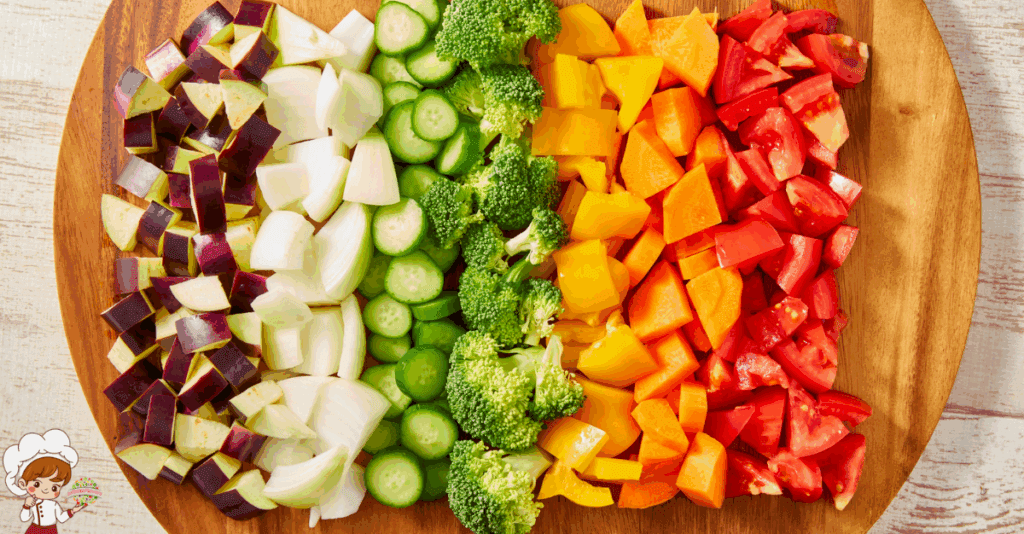
Five simple steps will help you successfully cure vegetables for a keto diet, enhancing their flavor while keeping the carb count low. First, choose your vegetables. Cucumbers, radishes, and cauliflower work great for curing. Make certain to wash and cut them into bite-sized pieces or spears.
Next, prepare your brine. You’ll need water, salt, and optional spices for flavoring. For keto, use non-iodized salt to guarantee the best preservation. A basic ratio is one tablespoon of salt per cup of water. Bring the mixture to a boil and let it cool before using.
Once the brine is ready, pack your vegetables tightly into a clean jar. Pour the cooled brine over the top, making sure the veggies are fully submerged. This is essential for effective salt preservation and to prevent spoilage. You can also add garlic, dill, or chili flakes for an extra kick.
Now it’s time to ferment. Seal the jar and let it sit at room temperature for 3 to 7 days, depending on your taste preference. Check it daily, and if you see any bubbles, that’s a good sign of fermentation. When you’re happy with the flavor, transfer the jar to the fridge to slow down the fermentation process.
Delicious Keto-Friendly Cured Snacks
When you’re craving a snack that fits your keto lifestyle, consider whipping up some delicious cured options that are both satisfying and low in carbs. Cured snacks offer a fantastic way to indulge without derailing your diet. One of the most popular choices is low carb jerky. You can easily make your own by marinating slices of beef, turkey, or pork in a blend of coconut aminos, garlic powder, and your favorite spices. Dehydrate them, and you’ve got a protein-packed snack that’s perfect for on-the-go munching.
Another great option is to create keto charcuterie boards. These boards can be a fun and visually appealing way to enjoy cured meats and cheeses. Start with an assortment of cured meats like prosciutto, salami, and pepperoni, which are all low in carbs. Pair them with cheese varieties that fit your macros, like sharp cheddar or brie. Add some olives, pickles, and nuts for variety, but keep an eye on portion sizes to maintain your carb count.
Don’t forget about the dips! A creamy avocado dip or a tangy mustard can elevate your board. Experiment with different flavors and textures to keep your snack time exciting. With a little creativity, these keto-friendly cured snacks will satisfy your cravings while keeping you on track with your diet. Enjoy these treats guilt-free and share them with friends for a keto-friendly gathering!
Frequently Asked Questions: How To Cure Food For Keto Diet
Can I Cure Fish for the Keto Diet?
Yes, you can cure fish for the keto diet! Cured fish retains keto benefits by providing healthy fats and protein. Just make certain you use low-carb ingredients, so you stay within your dietary goals. Enjoy your meal!
How Long Can Cured Foods Be Stored?
Cured meats can typically be stored for several weeks to months, depending on the method used. To maximize freshness, follow storage tips like keeping them in a cool, dry place and using airtight containers.
Is Curing Safe for Beginners?
Curing can be safe for beginners if you follow basic guidelines. Start with simple recipes, use quality ingredients, and pay attention to cure safety. Research beginner tips to build confidence and guarantee success in your curing journey.
What Equipment Do I Need for Curing?
For curing, you’ll need essential tools like a sharp knife, a curing chamber, and a scale. Familiarize yourself with various curing techniques to guarantee you’re well-equipped for successful food preservation. It’s easier than you think!
Can I Use Non-Keto Ingredients for Curing?
You can use non-keto ingredients for curing, but it may affect the final product’s carb content. Consider ingredient substitutions carefully to maintain the flavor and texture of your cured meats while staying within your dietary limits.

Conclusion
Incorporating cured foods into your keto diet can elevate your meals and snacks while keeping carbs low. By understanding the basics of curing and experimenting with various meats and vegetables, you can create flavorful options that satisfy your cravings. Remember to use the essential ingredients and techniques outlined here to guarantee your cured foods are both delicious and keto-friendly. So, get started on your curing journey, and enjoy the tasty benefits that come with it!
If you enjoyed exploring this topic and want to dive even deeper, be sure to check out some of our other articles here on Infinite Flavors. From rich culinary histories to creative twists on classic recipes, there’s always something new to discover. Whether you’re curious about the origins of a dish, looking for fresh inspiration in the kitchen, or simply love learning about food culture, our collection of posts is the perfect next step on your flavor journey.
How To Control Humidity When Curing Food
How To Cure Food Without A Smoker
Great Curing Techniques For Different Types Of Meat