How To Gratinate Pasta Dishes
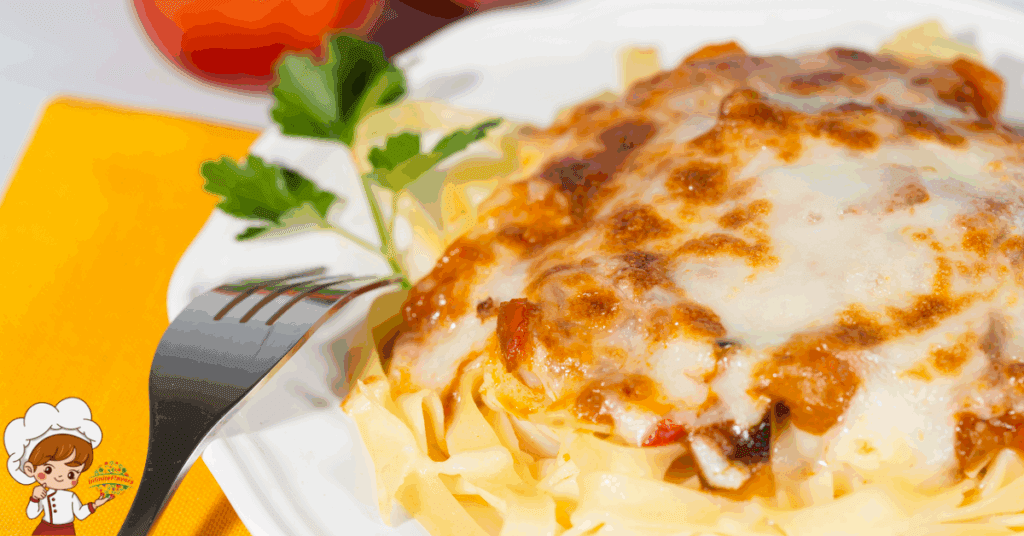
How To Gratinate Pasta Dishes; To gratinate pasta dishes, start by choosing short shapes like penne or rigatoni that trap sauce well. Cook the pasta until just underdone. Layer the pasta with a rich sauce, then add your favorite cheese—mix soft mozzarella with sharp aged cheddar for the best flavor. For the crispy top, sprinkle panko breadcrumbs and broil for 3 to 5 minutes until golden brown. Preheat the oven to 375°F for even cooking. Let it sit a few minutes before serving to meld flavors. Want to elevate your technique even further? You’ll discover more tips to impress your guests!
Understanding Gratination
What makes gratination such a beloved cooking technique? It’s all about that irresistible combination of textures and flavors. When you apply gratin techniques, you’re not just cooking; you’re creating a dish that’s visually appealing and packed with flavor. The process typically involves layering ingredients and then topping them with breadcrumbs, cheese, or a mixture of both before baking. This creates a golden, crispy crust that contrasts beautifully with the soft, rich filling beneath.
As you experiment with different gratin techniques, you’ll discover how they influence the flavor profiles of your pasta dishes. For instance, using aged cheeses can introduce a sharpness that elevates the overall taste. On the other hand, combining ingredients like garlic, herbs, or even spicy elements can add depth and complexity. You’ll find that the magic lies in how each layer interacts, allowing flavors to meld together while still maintaining distinct notes.
Don’t forget about the importance of moisture! A well-balanced gratin requires just the right amount of sauce to keep the dish from becoming too dry. This moisture not only enhances flavor but also guarantees that every bite is as delicious as the last. So, as you plunge into the art of gratination, remember to play with textures and flavors, making sure you create a dish that delights your palate and impresses your guests.
Choosing the Right Pasta
When it comes to gratinating pasta dishes, selecting the right pasta is essential for achieving the perfect texture and flavor balance. You want a pasta shape that holds up well during the cooking process and complements the gratination technique. Some excellent options include penne, rigatoni, or fusilli, as their tubular or spiral shapes can trap sauce and cheese, ensuring every bite is flavorful.
Consider the pasta textures too. Opt for a pasta that has a rough surface, like orecchiette or farfalle, since these textures help cling to sauces and toppings. A smooth pasta, like spaghetti or linguine, might slip through the cheese and not provide the same satisfying mouthfeel when gratinated.
Additionally, think about the dish you’re creating. If you’re making a hearty casserole, a sturdier pasta shape will stand up to rich sauces and heavy toppings. For lighter dishes, you might want to choose a delicate shape, ensuring that the gratination complements rather than overwhelms the overall flavor.
You should also pay attention to cooking times. If you’re planning to gratinate your pasta, you might want to undercook it slightly during boiling. This way, it won’t become mushy when you bake it with cheese and other toppings. By choosing the right pasta shapes and textures, you’re setting the foundation for a beautifully gratinated dish that everyone will love.
Essential Ingredients for Gratination
Gratinating pasta dishes requires a few vital ingredients that elevate the final result. First and foremost, you’ll need a good cheese. Opt for a blend that melts well and adds flavor, like mozzarella, Gruyère, or Parmesan. Mixing cheeses can enhance both the taste and texture.
Next, consider your sauce options. A rich béchamel or a creamy alfredo can create a luxurious base, while a robust marinara or a pesto adds vibrant flavors. The sauce should complement the pasta and other ingredients, so choose wisely based on your dish.
Herbs selection plays a significant role too. Fresh herbs like basil, parsley, or thyme can brighten your dish and add depth. If you’re using dried herbs, remember they’re more concentrated, so use them sparingly. Incorporating herbs not only elevates the flavor but also adds a pop of color, making your gratinated pasta visually appealing.
Don’t forget about the breadcrumbs! A mixture of breadcrumbs, herbs, and a bit of melted butter can create a crispy topping that contrasts beautifully with the creamy pasta beneath. For an extra layer of flavor, try toasting the breadcrumbs slightly before adding them to the dish.
Preparing Your Pasta Dish
When you’re preparing your pasta dish, choosing the right type of pasta is essential for texture and flavor. You’ll also want to select flavorful ingredients that complement each other and enhance the overall dish. Let’s explore how these choices can elevate your gratinated pasta to new heights.
Choosing the Right Pasta
Choosing the right pasta is essential for a successful gratin dish. When selecting pasta shapes, think about how they’ll hold up in the oven and how well they’ll mix with your sauce. Short pasta shapes like penne or fusilli are fantastic choices because they trap sauce in their crevices, ensuring every bite is flavorful. On the other hand, long pasta like spaghetti might not provide the same level of sauce compatibility, as it can clump together and become dry.
Consider the dish you’re creating and the sauce you’ll be using. Creamy sauces pair well with ridged pasta shapes, as the ridges catch the sauce beautifully. If you’re going for a tomato-based sauce, choose a pasta that can stand up to baking, like rigatoni, which provides a hearty texture.
Ultimately, the goal is to create a harmonious balance between the pasta and the sauce. So, take your time to choose the right pasta shape that complements your sauce, ensuring a delicious gratin that’s sure to impress. A well-chosen pasta is the foundation of a great gratin dish!
Selecting Flavorful Ingredients
After picking the right pasta, the next step is selecting flavorful ingredients that will elevate your gratin dish. Start with seasonal vegetables; they’re fresher and packed with flavor. Think about incorporating roasted bell peppers, zucchini, or even sautéed spinach. These veggies not only add color but also create delightful flavor contrasts.
Next, add fresh herbs like basil, thyme, or parsley to enhance the dish’s aroma and taste. A sprinkle of bold spices, such as red pepper flakes or smoked paprika, can provide an exciting kick. Aromatic oils, like garlic-infused olive oil, can be drizzled over the top for added richness.
Don’t forget about umami boosters! Ingredients like sun-dried tomatoes, aged cheese, or even a splash of soy sauce can deepen the flavors and make your dish irresistible.
Making the Perfect Cheese Mixture
When it comes to making the perfect cheese mixture for your gratinated pasta, choosing the right cheese is essential. You’ll want to combine different types to achieve a rich flavor and creamy texture that complements your dish. Don’t forget to take into account flavor enhancements like herbs or spices to elevate your cheese blend!
Cheese Types Selection
Creating the ideal cheese mixture is essential for achieving that perfect gratin on your pasta dishes. You’ll want to balance soft cheeses, like ricotta or mozzarella, with sharp cheeses, such as aged cheddar or Parmigiano-Reggiano. This combination brings together meltability factors and flavor profiles that elevate your dish.
Consider incorporating regional varieties for a unique twist. For instance, a blend of Italian cheeses can add a depth of flavor. When crafting your cheese blends, think about texture contrasts; creamy cheeses can complement drier, crumblier options, enhancing the overall mouthfeel.
Don’t overlook aging effects, as aged cheeses provide intense flavors that can transform your gratin. If you’re looking for healthier options or catering to dietary restrictions, dairy alternatives like cashew cheese or almond-based products can still deliver great taste and texture.
Always keep health considerations in mind. Balancing richer cheeses with lighter options can make your gratin more enjoyable without compromising flavor. By carefully selecting your cheese types, you’ll create a delightful gratin that your family and friends will rave about.
Flavor Enhancements Tips
To elevate the flavor of your gratinated pasta dishes, start by experimenting with herbs and spices that complement your cheese mixture. Consider using herb infusions like basil or thyme to enhance the overall flavor profile. Spice blends, such as Italian seasoning or a pinch of nutmeg, can add depth to your dish.
Don’t forget about sauce variations! A creamy béchamel or a rich marinara can serve as a fantastic base, bringing out the best in your cheese. Use seasoning techniques like layering flavors; sprinkle some seasoning between the layers of pasta and cheese for more complexity.
For added interest, think about textural contrast. Mixing a crunchy topping like panko breadcrumbs with your cheese creates a delightful contrast that keeps the dish exciting. Additionally, aromatic additions like garlic or shallots can transform your gratin into something truly special.
Layering for Optimal Flavor
Layering ingredients thoughtfully can elevate your pasta dish to new heights of flavor. When you think about layering techniques, consider how each layer can contribute to the overall flavor profiles of your dish. Start with a solid base, like a rich sauce or a bed of sautéed vegetables, to provide depth.
Next, add your pasta, guaranteeing it’s well-coated with the sauce. This helps infuse flavor right into the noodles. After that, think about adding proteins like chicken, shrimp, or sausage. These ingredients not only add heartiness but also bring their unique flavor profiles into the mix.
Don’t forget about cheese! A sprinkle of mozzarella or Parmesan can enhance the dish’s creaminess or saltiness, depending on what you choose. Layering cheese between the pasta and the final top layer creates a delightful texture contrast as it melts and binds all the flavors together.
Herbs and spices are your secret weapons. A layer of fresh basil or a pinch of red pepper flakes can transform a simple pasta dish into something extraordinary. Consider the order in which you place these ingredients; layering them thoughtfully guarantees that every bite has a balanced taste.
Techniques for Achieving a Crispy Top
To achieve that perfect crispy top on your pasta dishes, broiling is key. It not only enhances the texture but also brings out the flavors of the ingredients. Plus, choosing the right cheese can make all the difference in your gratin’s success.
Broiling for Perfect Crispness
When you want to achieve that perfect crispy top on your pasta dish, broiling is your best friend. This technique takes just a few minutes and can elevate your dish to restaurant-quality. Start by preheating your broiler—set it to high for maximum heat. If your broiler has different settings, opt for the one that distributes heat evenly.
Next, consider the pasta types you’re working with. Thicker pasta, like ziti or lasagna, can handle a more intense broiling, while delicate varieties, such as angel hair, require a gentler approach. Once your pasta is prepared and topped with the chosen ingredients, place it on the middle rack under the broiler. Keep a close eye on it, as broiling can quickly go from perfect to burnt.
Broil for about 3 to 5 minutes, or until you see that golden-brown crust forming. If you want an even crispier texture, you can rotate the dish halfway through. Just remember, the goal is that enticing crunch without overcooking the pasta beneath. Enjoy the delightful contrast of textures that a perfectly broiled pasta dish brings!
Choosing the Right Cheese
For that irresistible crispy top on your pasta dish, choosing the right cheese is essential. Not all cheese varieties are created equal when it comes to achieving that ideal gratin. You’ll want to look for cheeses that melt well and brown nicely under heat. Mozzarella is a popular choice for its gooey texture, but if you’re after a more robust flavor, consider combining it with aged cheddar or Gruyère.
These cheeses not only enhance the overall flavor profiles of your dish but also create a delightful contrast in textures. A sprinkle of Parmesan on top can add an extra layer of crispness, thanks to its low moisture content.
Experimenting with different cheese combinations can elevate your pasta dish to new heights. Try mixing soft and hard cheeses to achieve both creaminess and crunch. Remember, the key to that golden, crispy topping lies in the balance of flavors and textures you choose. So, next time you gratinate pasta, think about the cheese varieties you’re using and how they’ll contribute to that perfect finish. Your taste buds will thank you!
Oven Settings and Timing
Getting the oven settings right is essential for perfectly gratinated pasta dishes. You’ll want to preheat your oven to a temperature of around 375°F (190°C). This temperature allows the cheese to melt beautifully while developing a golden, crispy crust. If you go too high, you risk burning the top before the pasta is heated through.
Once your oven is preheated, place your pasta dish inside. The cooking duration typically ranges from 20 to 30 minutes, depending on your specific recipe and the size of the dish. If you’re using a broiler to finish off the gratin, keep an eye on it. Broiling can brown the top quickly, so just a few minutes might be all you need to achieve that perfect finish.
To check for doneness, look for a bubbly, golden crust. A good idea is to rotate the dish halfway through cooking to guarantee even browning. If you find the top is browning too fast while the pasta isn’t heated through, cover it loosely with aluminum foil to prevent burning.
Tips for Serving and Pairing
After your pasta dish has come out of the oven with that perfect golden crust, it’s time to think about how to serve and pair it for an enjoyable meal. Start by letting the dish sit for a few minutes to allow the flavors to meld. When you’re ready to serve, use a large spoon or spatula to carefully dish out portions, ensuring you get a good mix of pasta and topping with each serving. Consider placing the gratinated pasta in individual ramekins for a more elegant presentation, perfect for entertaining.
For serving suggestions, accompany your pasta with a light salad, such as arugula with lemon vinaigrette, to balance the richness of the gratin. Breadsticks or garlic bread can also enhance the dining experience, providing a crunchy contrast to the creamy dish.
Now, let’s talk about wine pairings. A dry white wine, like a Sauvignon Blanc, complements the flavors of a cheesy pasta dish beautifully. If you’re serving a tomato-based gratin, a medium-bodied red wine, such as Chianti or Pinot Noir, will enhance the meal perfectly. Remember to serve the wine slightly chilled for whites and at room temperature for reds, ensuring it accentuates your flavors without overpowering them.
Common Mistakes to Avoid
When it comes to gratinating pasta dishes, several common mistakes can lead to a disappointing result. First, using overcooked pasta is a big no-no. It’ll turn mushy during the gratination process, ruining the texture you want. Next, be mindful of uneven browning. If you don’t distribute your cheese and toppings evenly, some areas may burn while others remain undercooked.
Excessive moisture is another pitfall. If your sauce or pasta contains too much liquid, it can prevent that lovely, crispy top from forming. Instead, aim for a well-drained mixture. You should also avoid a cheese overload. While it’s tempting to pile on the cheese, too much can lead to a greasy, unappetizing result.
Bland seasoning is a mistake you simply can’t afford. Pasta needs flavor, so don’t skimp on the herbs and spices. Incorrect temperature is essential as well; make sure your oven is preheated to the right setting. If it’s too low, you won’t achieve that golden crust, and if it’s too high, you risk burning the top while leaving the center cold.
Additionally, inadequate layering can lead to inconsistencies in texture and flavor. Guarantee even distribution of ingredients for the best results. Finally, never compromise on ingredient quality. Using poor-quality pasta, cheese, or sauce can sabotage even the most well-executed gratin. By avoiding these mistakes, you’ll elevate your gratinated pasta dishes to new heights.
Frequently Asked Questions: How To Gratinate Pasta Dishes
Can I Use Gluten-Free Pasta for Gratination?
Absolutely, you can use gluten-free pasta for gratination! Just be mindful of the pasta textures; some gluten-free options can become mushy. Choose a firmer variety to guarantee a delightful gratinated dish everyone will enjoy.
What Are the Best Herbs to Enhance Flavor?
To enhance flavor, experiment with herb combinations like basil and oregano for a classic profile, or try rosemary and thyme for something earthier. These pairings elevate your dish’s flavor profiles, creating a memorable dining experience.
Can I Prepare Gratinated Pasta in Advance?
Yes, you can prepare gratinated pasta in advance. Use make-ahead tips like assembling it without baking, then refrigerate. For reheating methods, cover with foil and bake at a low temperature to guarantee it’s warmed through.
Is It Possible to Use Non-Dairy Cheese Alternatives?
Yes, you can use non-dairy cheese alternatives! They offer nutritional benefits like lower saturated fat, but you might notice texture differences compared to traditional cheese. Experimenting will help you find the best fit for your recipes!
How Do I Store Leftovers Properly?
To store leftovers properly, use airtight containers for leftover storage. Label them with dates, and refrigerate within two hours to guarantee food safety. Consume them within three to four days for the best quality.

Conclusion
Gratinating pasta dishes is a fantastic way to elevate your meals, adding texture and flavor that everyone will love. By choosing the right pasta, using a delicious cheese mixture, and applying the right techniques, you can create a perfectly crispy top that’s hard to resist. Don’t forget to serve your dish with complementary sides and drinks for a complete experience. With a little practice, you’ll master the art of gratination and impress your family and friends every time!
If you enjoyed exploring this topic and want to dive even deeper, be sure to check out some of our other articles here on Infinite Flavors. From rich culinary histories to creative twists on classic recipes, there’s always something new to discover. Whether you’re curious about the origins of a dish, looking for fresh inspiration in the kitchen, or simply love learning about food culture, our collection of posts is the perfect next step on your flavor journey.
How To Use Gratinating Technique In Vegan Cooking
How To: All About Gratinating Foods In Microwave
The Best Gratinating Food For Kids Meals