Great Traditional Korean Tea And Its Health Benefits
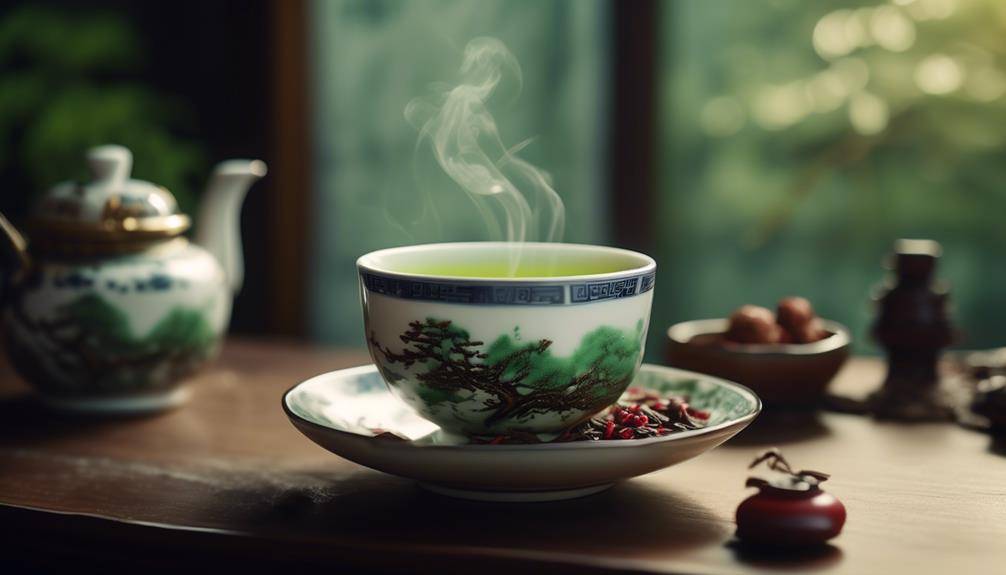
Korean Tea And Its Health Benefits; Did you know that traditional Korean tea has been enjoyed for centuries not only for its unique flavors, but also for its numerous health benefits? Each sip of these teas can provide you with a natural boost to your overall well-being. From green tea’s antioxidant power to red ginseng tea’s energy-boosting properties, there is a wide range of options to choose from. But that’s not all – traditional Korean tea also has the ability to calm the mind, promote digestive health, detoxify the body, relieve nausea, strengthen joints and bones, and enhance immune function. Intrigued? Stay tuned to discover more about the fascinating world of traditional Korean tea and its incredible health benefits.
Types of Traditional Korean Tea
There are several types of traditional Korean tea that have been enjoyed for centuries and offer a range of unique flavors and health benefits. Korean tea culture is deeply rooted in the country’s history and has played an important role in daily life and rituals. Let’s explore the different flavors of traditional Korean tea and the brewing methods associated with each.
One of the most popular types of Korean tea is green tea, known as “nokcha.” This tea is made from the leaves of the Camellia sinensis plant and has a subtle, grassy flavor. It is rich in antioxidants and is often enjoyed for its calming properties. To brew nokcha, you can use a teapot or a traditional Korean teacup called a “jeobeol.” Simply add hot water to the leaves and let it steep for a few minutes before enjoying.
Another well-known Korean tea is barley tea, or “bori cha.” This tea is made from roasted barley grains and has a nutty flavor with a hint of sweetness. It is often served cold and is a popular choice during the hot summer months. To brew bori cha, simply add roasted barley to a pot of boiling water and let it simmer for about 15 minutes. Then, strain the liquid and let it cool before serving over ice.
In addition to green tea and barley tea, there are many other varieties of traditional Korean tea, such as jujube tea, ginger tea, and citron tea. Each of these teas has its own unique flavor profile and health benefits. To brew these teas, simply follow the instructions on the packaging or consult a traditional Korean tea expert.
Green Tea: Antioxidant Powerhouse
Green tea is known for its antioxidant properties, making it a powerhouse for your health. It can help boost your metabolism naturally, aiding in weight management and promoting overall wellness. Additionally, green tea supports heart health by reducing the risk of heart disease and improving blood circulation.
Boosts Metabolism Naturally
Boost your metabolism naturally with the antioxidant powerhouse that is green tea. Green tea contains a high concentration of catechins, which are natural antioxidants that have been shown to have numerous health benefits. When it comes to boosting your metabolism, green tea can be a game-changer. Here are three ways green tea can help boost your metabolism:
- Increased energy levels: Green tea contains caffeine, which can give you a natural energy boost. This can help you feel more energized throughout the day and may even improve your physical performance during exercise.
- Enhanced fat burning: The catechins in green tea have been found to increase fat oxidation, which is the process of breaking down stored fat and using it as energy. This can lead to greater weight loss and a faster metabolism.
- Thermogenic effect: Green tea has been shown to have a thermogenic effect, meaning it can increase your body’s calorie-burning ability. This can help you burn more calories throughout the day, even at rest.
Supports Heart Health
To support heart health, incorporating green tea into your daily routine can be a wise choice due to its potent antioxidant properties. Green tea is one of the most popular types of traditional Korean tea and is known for its numerous health benefits. The antioxidants present in green tea, such as catechins and flavonoids, have been shown to help reduce the risk of heart disease by lowering LDL cholesterol levels and improving blood vessel function.
These antioxidants also have anti-inflammatory effects, which can further protect the heart by reducing inflammation in the arteries. Additionally, green tea contains compounds that can help regulate blood pressure and prevent the formation of blood clots. By including green tea in your diet, you can support your heart health and reduce the risk of cardiovascular diseases.
Red Ginseng Tea: Boosting Energy and Vitality
Red Ginseng Tea is known for its energy-boosting properties and its ability to enhance vitality. Packed with beneficial compounds like ginsenosides, this tea can help combat fatigue and improve physical endurance. By incorporating Red Ginseng Tea into your daily routine, you can experience a natural and sustainable boost in energy levels, allowing you to tackle your day with renewed vigor and vitality.
Energy-Boosting Properties
With its ability to enhance energy levels and promote vitality, Korean Red Ginseng Tea offers a natural solution for those seeking an energizing and revitalizing beverage. This traditional tea has been used for centuries in Korea to boost productivity and improve focus. Here are three key reasons why Korean Red Ginseng Tea is known for its energy-boosting properties:
- Increased Stamina: Korean Red Ginseng Tea contains active compounds called ginsenosides, which are known to improve physical endurance and reduce fatigue. By drinking this tea, you can experience increased stamina, allowing you to tackle your tasks with more energy and efficiency.
- Mental Alertness: The ginsenosides present in Korean Red Ginseng Tea also have a positive impact on cognitive function. They can enhance mental clarity, concentration, and focus, helping you stay sharp and productive throughout the day.
- Stress Relief: Stress can drain your energy and hinder your productivity. Korean Red Ginseng Tea has adaptogenic properties that help the body cope with stress and promote a sense of calm. By reducing stress levels, this tea can support your overall energy levels and vitality.
Incorporating Korean Red Ginseng Tea into your daily routine can provide you with the natural energy boost you need to stay productive and focused.
Vitality Enhancement
Korean Red Ginseng Tea’s remarkable ability to boost energy levels and enhance vitality makes it an ideal choice for those seeking a natural and revitalizing beverage. Ginseng, known as one of the most powerful vitality-boosting herbs, has been used for centuries in traditional Korean tea rituals. The active compounds found in red ginseng, such as ginsenosides, help improve physical endurance, reduce fatigue, and increase overall energy levels.
By incorporating this tea into your daily routine, you can experience sustained vitality throughout the day. Not only does Korean Red Ginseng Tea provide a natural energy boost, but it also supports overall well-being. Its rich and earthy flavor, combined with its numerous health benefits, makes it a popular choice among tea enthusiasts worldwide. So, why not indulge in this invigorating beverage and let its vitality-enhancing properties uplift your spirits?
Jujube Tea: Calming the Mind and Body
Jujube tea, known for its calming properties, is a popular Korean beverage that promotes relaxation and tranquility in both the mind and body. This soothing herbal tea has been used for centuries as a natural remedy to alleviate stress and anxiety. Here are three reasons why jujube tea is a great choice for calming the mind and body:
- Stress relief: Jujube tea contains compounds that have been shown to have a calming effect on the nervous system. It helps to reduce the production of stress hormones and promotes a sense of relaxation. Sipping on a warm cup of jujube tea can help you unwind after a long day and melt away the stress.
- Sleep aid: Jujube tea is often used as a natural sleep aid due to its sedative properties. It can help regulate sleep patterns and improve the quality of sleep. Drinking a cup of jujube tea before bed can help calm your mind, allowing you to drift off into a peaceful slumber.
- Mood booster: Jujube tea has been found to have mood-enhancing effects. It contains antioxidants and flavonoids that help improve the production of serotonin, a neurotransmitter that plays a key role in regulating mood. By promoting the release of serotonin, jujube tea can help elevate your mood and promote a sense of well-being.
Barley Tea: Promoting Digestive Health
Barley tea, renowned for its numerous health benefits, is a popular beverage in Korea known for promoting digestive health. This tea, made from roasted barley kernels, has been consumed for centuries due to its positive effects on the gut. Barley tea contains a high amount of dietary fiber, which aids in promoting gut health and improving digestion.
The dietary fiber present in barley tea acts as a natural laxative, helping to regulate bowel movements and prevent constipation. By promoting regularity, barley tea helps to maintain a healthy digestive system and prevent discomfort. Additionally, the fiber in barley tea helps to bulk up the stool, making it easier to pass and reducing the risk of digestive issues such as hemorrhoids.
Barley tea also contains certain compounds that have been shown to have antibacterial properties. These compounds help to maintain a healthy balance of gut bacteria, which is essential for optimal digestion. A healthy gut microbiome is crucial for breaking down food and absorbing nutrients efficiently. By promoting the growth of beneficial bacteria and inhibiting the growth of harmful bacteria, barley tea supports a healthy digestive system.
Furthermore, barley tea is known to have soothing properties that can help to alleviate digestive discomfort. It can help to reduce bloating, gas, and indigestion, providing relief for those with sensitive stomachs. The warm and comforting nature of barley tea can also help to relax the muscles of the digestive tract, promoting smooth digestion.
Corn Silk Tea: Aiding Urinary Tract Function
Corn Silk Tea is a herbal beverage that is known for its ability to support and promote healthy urinary tract function. Made from the silky threads found on the ears of corn, this tea has been used in traditional Korean medicine for centuries due to its numerous health benefits. Here are three reasons why corn silk tea is beneficial for aiding urinary tract function and promoting digestive health:
- Diuretic Properties: Corn silk tea is a natural diuretic, meaning it helps increase urine production and flow. This can be particularly helpful for individuals who suffer from urinary tract infections or kidney stones. By increasing urine output, corn silk tea helps flush out toxins, bacteria, and excess fluids, promoting a healthy urinary system.
- Anti-inflammatory Effects: The antioxidants and anti-inflammatory compounds found in corn silk tea can help reduce inflammation in the urinary tract. Inflammation is often the underlying cause of urinary tract issues, such as urinary tract infections or interstitial cystitis. By soothing and calming the inflamed tissues, corn silk tea can alleviate discomfort and aid in the healing process.
- Kidney Support: Corn silk tea is known to have a positive effect on kidney function. It helps to cleanse and detoxify the kidneys, promoting their overall health and preventing the formation of kidney stones. Additionally, it may assist in reducing bladder irritation and preventing urinary incontinence.
To enjoy the benefits of corn silk tea, simply steep a tablespoon of dried corn silk in hot water for 10-15 minutes. You can add honey or lemon for flavor if desired. It is important to note that if you have any pre-existing medical conditions or are taking medications, it is advisable to consult with a healthcare professional before incorporating corn silk tea into your routine.
Incorporating corn silk tea into your daily regimen can help aid urinary tract function and promote digestive health. Its natural diuretic properties, anti-inflammatory effects, and kidney support make it a valuable addition to your wellness routine. So why not give corn silk tea a try and reap the benefits it has to offer?
Persimmon Leaf Tea: Regulating Blood Sugar Levels
To regulate blood sugar levels and promote overall health, incorporating Persimmon Leaf Tea into your daily routine can be a beneficial choice. Persimmon leaf tea is derived from the leaves of the persimmon tree, a fruit-bearing tree native to East Asia. It has been a traditional remedy used in Korean medicine for centuries due to its various health benefits.
One of the key benefits of persimmon leaf tea is its ability to regulate blood sugar levels. High blood sugar levels can lead to serious health conditions such as diabetes. Research has shown that persimmon leaf tea can help lower blood sugar levels by improving insulin sensitivity. Insulin is a hormone that helps regulate blood sugar levels, and by improving its sensitivity, persimmon leaf tea can aid in maintaining healthy blood sugar levels.
In addition to regulating blood sugar levels, persimmon leaf tea has also been found to have a positive effect on regulating blood pressure. High blood pressure can increase the risk of heart disease and stroke. Studies have shown that persimmon leaf tea contains compounds that have a relaxing effect on blood vessels, which can help lower blood pressure and promote cardiovascular health.
Incorporating persimmon leaf tea into your daily routine is easy. Simply steep a few leaves in hot water for about 10 minutes, strain, and enjoy. You can also find persimmon leaf tea bags available for convenience. It is recommended to consume persimmon leaf tea regularly to reap its benefits.
Bamboo Leaf Tea: Detoxifying the Body
What are the benefits of incorporating Bamboo Leaf Tea into your daily routine for detoxifying the body? Bamboo Leaf Tea is a natural beverage that offers numerous detoxification benefits. It has been consumed for centuries in Korean culture for its natural cleansing properties. Here are three reasons why you should consider adding Bamboo Leaf Tea to your daily routine for detoxifying the body:
- Rich in Antioxidants: Bamboo Leaf Tea is packed with antioxidants, such as flavonoids and phenolic compounds. These powerful antioxidants help to neutralize harmful free radicals in the body, which can cause cellular damage and contribute to various health issues. By consuming Bamboo Leaf Tea, you can support your body’s natural detoxification processes and promote overall well-being.
- Promotes Digestive Health: Bamboo Leaf Tea contains dietary fiber, which plays a crucial role in promoting healthy digestion. Fiber aids in the removal of waste and toxins from the body, preventing constipation and supporting regular bowel movements. By incorporating Bamboo Leaf Tea into your daily routine, you can support your digestive system’s detoxification processes and maintain optimal gut health.
- Boosts Immune System: Bamboo Leaf Tea is known for its immune-boosting properties. It contains essential vitamins and minerals, such as vitamin C, vitamin B, and potassium, which help to strengthen the immune system and protect against infections and diseases. By supporting your immune system, Bamboo Leaf Tea can assist in the detoxification process by enhancing your body’s ability to fight off toxins and harmful substances.
Incorporating Bamboo Leaf Tea into your daily routine can be a simple and effective way to support your body’s detoxification processes. Its detoxification benefits and natural cleansing properties make it a valuable addition to any wellness regimen. Start enjoying the health benefits of Bamboo Leaf Tea today and feel the difference in your overall well-being.
Ginger Tea: Relieving Nausea and Indigestion
If you’re looking for a natural remedy to soothe digestive discomfort and alleviate upset stomachs, ginger tea is a great option. Ginger has long been used for its medicinal properties and is known for its ability to calm the stomach and relieve nausea. Whether you’re experiencing indigestion or feeling queasy, a warm cup of ginger tea can provide relief and promote better digestion.
Soothing Digestive Discomfort
Ginger tea, a popular remedy for soothing digestive discomfort, is known for its ability to relieve nausea and indigestion. This warm and spicy drink can provide relief from symptoms such as bloating, stomach pain, and heartburn. Here are three ways ginger tea can help improve your gut health:
- Reducing inflammation: Ginger contains compounds called gingerols and shogaols, which have anti-inflammatory properties. These compounds can help calm inflammation in the gut, reducing discomfort and promoting better digestion.
- Relieving nausea: Ginger has been used for centuries to alleviate nausea and vomiting. Drinking ginger tea can help settle your stomach and reduce feelings of queasiness, making it a natural remedy for morning sickness or motion sickness.
- Aid in digestion: Ginger tea can stimulate the production of digestive enzymes, helping to break down food more efficiently. This can prevent indigestion and promote smoother digestion, reducing the chances of experiencing discomfort after meals.
Incorporating ginger tea into your daily routine can help soothe digestive discomfort and improve your gut health.
Alleviating Upset Stomachs
After discussing the soothing effects of ginger tea on digestive discomfort, we can now explore how this warm and spicy beverage can specifically alleviate upset stomachs by relieving nausea and indigestion. Ginger has long been used as a natural remedy for various digestive issues, including upset stomachs. It contains compounds like gingerol and shogaol, which have anti-inflammatory and antioxidant properties that can help soothe the digestive system.
Ginger tea can help improve digestion by stimulating the production of digestive enzymes and increasing the movement of food through the digestive tract. Additionally, ginger tea has been found to be effective in alleviating menstrual cramps, which can also cause upset stomachs. So, next time you experience an upset stomach, try sipping on a cup of warm ginger tea to find relief.
Solomon’s Seal Tea: Strengthening the Joints and Bones
Solomon’s Seal Tea is a natural remedy that can effectively strengthen your joints and bones, providing numerous health benefits. Made from the roots of the Solomon’s Seal plant, this herbal tea has been used in traditional Korean medicine for centuries due to its medicinal properties. Here are three reasons why Solomon’s Seal Tea is beneficial for strengthening joints and promoting bone health:
- Joint Support: Solomon’s Seal Tea contains compounds that have anti-inflammatory properties, which can help reduce joint pain and inflammation. Regular consumption of this tea can provide relief from conditions such as arthritis and rheumatism, improving joint mobility and flexibility.
- Bone Density: Drinking Solomon’s Seal Tea can contribute to the maintenance and improvement of bone density. The tea is rich in minerals like calcium and phosphorus, which are essential for bone health. These minerals help strengthen bones, preventing conditions like osteoporosis and reducing the risk of fractures.
- Connective Tissue Health: Collagen is a vital protein that plays a crucial role in maintaining the health and strength of connective tissues, including tendons, ligaments, and cartilage. Solomon’s Seal Tea contains compounds that can promote collagen production, supporting the overall health of these tissues and improving joint stability.
To enjoy the benefits of Solomon’s Seal Tea, steep one teaspoon of dried Solomon’s Seal root in a cup of hot water for about 10 minutes. You can also find pre-packaged tea bags or extracts for convenience. Incorporating this herbal tea into your daily routine can help strengthen your joints, improve bone health, and enhance overall mobility. Remember to consult with a healthcare professional before adding any new herbal remedies to your routine, especially if you have any pre-existing health conditions or are taking medications.
Citron Tea: Enhancing Immune Function
If you’re looking to further boost your overall health and immune function, consider incorporating Citron Tea into your daily routine. Citron Tea, also known as yuja cha, is a traditional Korean tea made from the fruit of the yuzu plant. Packed with essential vitamins and antioxidants, this tea has been used for centuries to enhance immunity and promote overall well-being.
One of the key benefits of Citron Tea is its ability to enhance immunity. The tea is rich in vitamin C, which is known for its immune-boosting properties. Vitamin C plays a crucial role in supporting the immune system by stimulating the production of white blood cells, which are responsible for fighting off infections and diseases. By incorporating Citron Tea into your daily routine, you can give your immune system the extra support it needs to stay strong and healthy.
In addition to its immune-boosting properties, Citron Tea is also known for its antioxidant content. The tea contains flavonoids, which are powerful antioxidants that help protect the body against oxidative stress and inflammation. These antioxidants neutralize harmful free radicals in the body, reducing the risk of chronic diseases and promoting overall health.
To reap the benefits of Citron Tea, simply steep a teaspoon of the tea in hot water for about 5 minutes. You can enjoy it hot or cold, depending on your preference. For an extra immune boost, add a squeeze of fresh lemon juice or a teaspoon of honey to enhance the flavor and add additional health benefits.
Incorporating Citron Tea into your daily routine is a simple and delicious way to enhance your immune function and promote overall health. So why not give it a try and experience the benefits for yourself? Boost your immunity with a cup of Citron Tea today.
Frequently Asked Questions: Korean Tea And Its Health Benefits
Can Traditional Korean Tea Be Consumed by Pregnant Women?
Yes, traditional Korean tea can be consumed by pregnant women. It is generally safe and can provide various health benefits during pregnancy. However, it is always advisable to consult with a healthcare professional before consuming any new food or beverage during pregnancy.
What Is the Recommended Daily Consumption of Traditional Korean Tea?
The recommended daily intake of traditional Korean tea varies depending on the variety you choose. Different teas have different health benefits, so it’s best to consult with a healthcare professional for personalized advice.
Are There Any Potential Side Effects or Interactions With Medications When Drinking Traditional Korean Tea?
When drinking traditional Korean tea, you should be aware of potential drug interactions. It’s important to consult with your healthcare provider to ensure the safety of consuming the tea, especially for breastfeeding women.
Can Traditional Korean Tea Be Consumed by Individuals With Certain Medical Conditions, Such as Diabetes or High Blood Pressure?
Traditional Korean tea can be consumed by individuals with medical conditions such as diabetes or high blood pressure. It has been shown to aid in weight loss and promote digestive health. However, it is always recommended to consult with a healthcare professional before making any significant dietary changes.
Are There Any Specific Brewing Techniques or Instructions for Preparing Traditional Korean Tea?
To prepare traditional Korean tea, follow these brewing instructions and preparation techniques. Start by heating water to the desired temperature. Then, add the tea leaves to a teapot and pour in the hot water. Allow it to steep for the recommended time before straining and enjoying.

Conclusion
In conclusion, traditional Korean tea offers a wide range of health benefits that promote overall well-being. From the antioxidant power of green tea to the energy-boosting qualities of red ginseng tea, each type of tea serves a specific purpose. Whether you need to calm your mind and body with jujube tea or promote digestive health with barley tea, there is a traditional Korean tea for every need. Incorporating these teas into your daily routine can help improve your health and enhance your immune function.