Learn About Amazing Vitamin D in Vegan Diet
Learn About Amazing Vitamin D in Vegan Diet; Are you a vegan who spends all day indoors, shielded from the sun’s rays? Well, then you must be getting absolutely no Vitamin D in your diet! But is that really the truth? In this discussion, we will explore the importance of Vitamin D in a vegan diet and uncover the various sources of this essential nutrient. Stay tuned to discover how you can ensure your body receives an adequate amount of Vitamin D, even without relying on animal products.
Importance of Vitamin D in a Vegan Diet
Incorporating sufficient vitamin D into your vegan diet is crucial for maintaining optimal health and preventing deficiencies. While it may seem challenging to obtain vitamin D from plant-based sources alone, there are ways to ensure you meet your recommended daily intake.
One option is to consider vitamin D supplementation. Vegan-friendly vitamin D supplements are available in the form of capsules or tablets, which can provide you with the necessary amount of this essential nutrient. It is important to consult with a healthcare professional to determine the appropriate dosage for your specific needs.
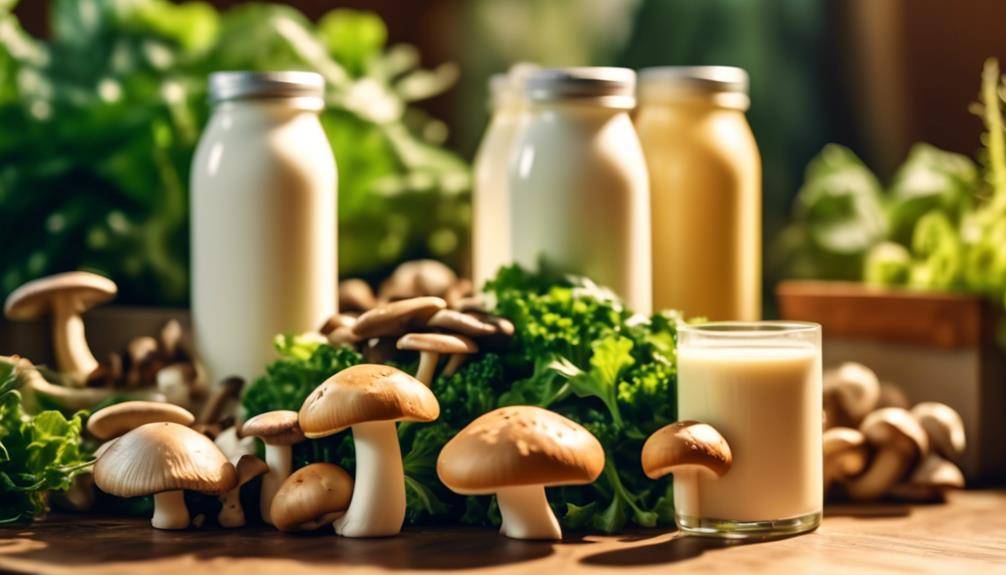
Additionally, there are several vegan vitamin D sources that you can incorporate into your diet. One of the best sources is fortified plant-based milk, such as soy milk, almond milk, or oat milk. These products are often fortified with vitamin D to help meet the nutritional needs of vegans. Other fortified foods, such as breakfast cereals, tofu, and orange juice, can also be good sources of vitamin D.
Mushrooms, particularly those exposed to ultraviolet (UV) light, are another excellent vegan source of vitamin D. When mushrooms are exposed to UV light, they can produce vitamin D2, which is similar to the vitamin D found in animal products. Including mushrooms in your meals can be a delicious way to boost your vitamin D intake.
Understanding Vitamin D Deficiency in Vegans
To fully grasp the importance of vitamin D in a vegan diet, it is essential to understand the potential for vitamin D deficiency among vegans. While a vegan diet can provide numerous health benefits, it may also present challenges in meeting certain nutrient requirements. Vitamin D deficiency is one such concern, as this essential nutrient is primarily found in animal-based foods. Here are three key points to help you understand the risk of vitamin D deficiency in vegans:
- Limited food sources: Since vitamin D is naturally present in very few plant-based foods, vegans may have difficulty obtaining sufficient amounts solely through their diet. While some fortified plant-based foods, like non-dairy milk and breakfast cereals, can provide vitamin D, they may not always provide enough to meet daily requirements.
- Sunlight exposure: The human body can produce vitamin D when exposed to sunlight, but this process may be hindered for vegans who live in areas with limited sunlight or have strict sun protection practices. Factors such as darker skin pigmentation, older age, and living in northern latitudes can also affect the body’s ability to produce vitamin D from sunlight.
- Supplementation: To ensure adequate vitamin D levels, vegans may need to consider supplementation. Vegan-friendly vitamin D supplements derived from plant sources, such as lichen or mushrooms, are available and can help meet daily requirements. It is recommended to consult with a healthcare professional to determine the appropriate dosage based on individual needs.
Vegan-Friendly Food Sources of Vitamin D
Vegan-friendly food sources of vitamin D offer a variety of options to help meet your daily nutrient needs. As a vegan, it’s important to be aware of your vitamin D requirements and ensure you are getting enough of this essential nutrient. While it can be more challenging to obtain vitamin D from plant-based sources compared to animal products, it is still possible with careful planning.
One of the best vegan sources of vitamin D is fortified plant-based milk. Many brands fortify their products with vitamin D to provide an easy and convenient way to meet your needs. Soy milk, almond milk, and oat milk are often fortified and can provide a significant amount of vitamin D.
Mushrooms are another excellent vegan source of vitamin D. When exposed to sunlight or UV light, mushrooms can produce vitamin D, just like our skin does. Look for mushrooms that have been specifically exposed to UV light or labeled as a good source of vitamin D.
Additionally, fortified breakfast cereals can be a good way to boost your vitamin D intake. Check the labels to ensure they are fortified with vitamin D, as not all brands offer this fortification.
If you’re looking for a natural and unfortified source of vitamin D, consider incorporating more sun-dried mushrooms, tofu, and fortified plant-based yogurts into your diet. These can provide some vitamin D, although the amounts may vary.
Remember that vitamin D requirements can vary depending on factors such as age, sex, and overall health. It’s always a good idea to consult with a healthcare professional or registered dietitian to determine the right amount of vitamin D for you and to discuss any potential supplements that may be necessary to meet your needs.
The Role of Sunlight in Vitamin D Synthesis
To understand the role of sunlight in vitamin D synthesis, it is important to recognize that sunlight is the main source of this essential nutrient. When your skin is exposed to sunlight, it triggers a series of reactions that convert a form of cholesterol in your skin into vitamin D. This process is crucial because it allows your body to produce vitamin D naturally, ensuring you maintain optimal levels for overall health and well-being.
Sunlight and Vitamin D
Sunlight plays a crucial role in the synthesis of vitamin D, an essential nutrient for overall health and well-being. Here are three key factors to consider when it comes to sunlight and vitamin D:
- Sunscreen and vitamin D: While it’s important to protect your skin from harmful UV rays, using sunscreen with a high sun protection factor (SPF) can reduce the amount of vitamin D your body produces. Consider spending a few minutes in the sun without sunscreen before applying it to maximize your vitamin D synthesis.
- Time of day and vitamin D synthesis: The best time to soak up the sun’s rays for vitamin D production is midday, when the sun’s UVB rays are strongest. Aim to spend around 10 to 30 minutes in the sun during this time to optimize your vitamin D levels.
- Skin tone and vitamin D synthesis: People with darker skin tones may require more sun exposure to produce sufficient amounts of vitamin D. This is because higher levels of melanin in the skin can reduce the skin’s ability to produce vitamin D from sunlight.
Remember to always strike a balance between sun exposure and skin protection to maintain optimal vitamin D levels.
Sun Exposure and Synthesis
Optimize your vitamin D levels by understanding the role of sunlight in vitamin D synthesis. Sun exposure is the most effective way for your body to produce vitamin D. When your skin is exposed to sunlight, it converts a cholesterol compound into vitamin D3. However, it is important to note that sunscreen can interfere with this process. While sunscreen is crucial for protecting your skin from harmful UV rays, it can also block the UVB rays needed for vitamin D synthesis. It is recommended to spend some time in the sun without sunscreen, allowing your body to naturally produce vitamin D.
Additionally, engaging in indoor activities for extended periods can limit your sun exposure and decrease your vitamin D synthesis. Therefore, it is essential to find a balance between protecting your skin and ensuring sufficient sun exposure for vitamin D synthesis.
Importance of Sunlight
Spending time in the sun is crucial for your body to naturally produce vitamin D. Here’s why sunlight plays such an important role in vitamin D synthesis:
- Sunlight triggers a chemical reaction in your skin that converts a cholesterol compound into vitamin D.
- Vitamin D helps your body absorb calcium and phosphorus, promoting healthy bone growth and preventing diseases like osteoporosis.
- Sunlight exposure has also been linked to improved mood and immune function.
While sunlight is essential for vitamin D production, it’s important to protect your skin from the harmful effects of excessive sun exposure. Make sure to wear sunscreen with a high SPF to reduce the risk of sunburn and skin damage. Remember, a balance between sun exposure and protection is key to maintaining your vitamin D levels while minimizing the risks associated with excessive sun exposure.
Vegan Supplements for Vitamin D
To ensure adequate levels of vitamin D in a vegan diet, supplement options are available. While sunlight exposure and fortified foods can contribute to vitamin D intake, vegans may still need to rely on supplements to meet their daily requirements. Vegan vitamin D supplements are specifically designed to provide the necessary amount of this essential vitamin without compromising the principles of a plant-based diet.
One popular alternative source of vitamin D for vegans is vitamin D3 derived from lichen. Lichen is a type of fungus that grows symbiotically with algae. It is a natural source of vitamin D3, which is the same form of vitamin D produced in the human body when exposed to sunlight. Vegan vitamin D3 supplements are made by extracting the vitamin D3 from lichen and encapsulating it into a convenient pill or liquid form.
Another option is vitamin D2, also known as ergocalciferol, which is derived from plant sources. While vitamin D2 is not as effective as vitamin D3 in raising blood levels of vitamin D, it can still be a suitable choice for vegans. It is important to note that vitamin D2 supplements may need to be taken in higher amounts to achieve the same level of effectiveness as vitamin D3.
When choosing a vegan vitamin D supplement, it is essential to look for products that are certified vegan and have been tested for potency and purity. Additionally, it is recommended to consult with a healthcare professional to determine the appropriate dosage and ensure that the supplement is suitable for your specific needs.
Tips for Enhancing Vitamin D Absorption in a Vegan Diet
Maximizing the absorption of vitamin D in a vegan diet can be achieved by incorporating certain strategies into your daily routine. While vegan diets can provide plenty of vitamin D through fortified foods and supplements, there are additional steps you can take to enhance its absorption in your body. Here are three tips to help you make the most of your vitamin D intake:
- Get plenty of sunlight: Spending time outdoors and exposing your skin to sunlight is one of the best ways to naturally boost your vitamin D levels. The sun’s ultraviolet B (UVB) rays stimulate the production of vitamin D in your skin. Aim for 10 to 30 minutes of sun exposure on your face, arms, and legs, preferably during midday when the sun is at its highest.
- Consume vitamin D with fat: Vitamin D is a fat-soluble vitamin, which means it needs to be consumed with fat to be properly absorbed. Including healthy sources of fat in your meals can enhance the absorption of vitamin D. Consider adding avocado, nuts, seeds, or olive oil to your dishes.
- Combine vitamin D with vitamin K: Vitamin K plays a crucial role in bone health and works synergistically with vitamin D. Consuming foods rich in vitamin K, such as leafy greens, broccoli, and Brussels sprouts, alongside vitamin D-rich foods or supplements can optimize their absorption and utilization in your body.
Recommended Daily Intake of Vitamin D for Vegans
The recommended daily intake of vitamin D for vegans can vary based on factors such as age, sun exposure, and overall health. Vitamin D is essential for the absorption of calcium and phosphorus, promoting healthy bones, teeth, and muscles. It also plays a crucial role in supporting the immune system and regulating mood.
The National Institutes of Health (NIH) recommends a daily intake of 600 international units (IU) of vitamin D for most adults. However, this recommendation may increase to 800-1000 IU for individuals over the age of 70. For vegans, getting enough vitamin D solely from dietary sources can be challenging, as it is primarily found in animal-based products.
To meet the recommended daily intake, vegans can turn to fortified foods and supplements. Many plant-based milk alternatives, such as soy or almond milk, are fortified with vitamin D. Other fortified vegan foods include breakfast cereals, orange juice, and tofu. Additionally, there are vitamin D supplements available in the form of tablets, capsules, or gummies, which can help vegans meet their daily requirements.
It’s important to note that sun exposure can also contribute to vitamin D synthesis in the body. Spending around 10-30 minutes in the sun, with arms and legs exposed, a few times a week can help boost vitamin D levels. However, the amount of sun exposure needed may vary depending on factors such as skin pigmentation and geographical location.
Frequently Asked Questions: Learn About Amazing Vitamin D in Vegan Diet
Can Vegans Get Enough Vitamin D From Sunlight Alone?
You can get enough vitamin D from sunlight alone, but it may be challenging for vegans. Consider vitamin D supplementation and using vegan-friendly sunscreen to protect your skin while getting your daily dose of sunshine.
Are There Any Vegan Foods Naturally Rich in Vitamin D?
There are vegan sources of vitamin D that can provide the benefits you need. Incorporating foods like fortified plant-based milks, mushrooms, and fortified cereals into your diet can help you meet your vitamin D requirements.
Can Vitamin D Deficiency Be More Common in Vegans Compared to Individuals Following Other Diets?
Vegans may have a higher risk of vitamin D deficiency compared to non-vegans. It’s important for you to ensure you’re getting enough vitamin D through fortified plant-based sources or supplements.
How Long Does It Take for the Body to Synthesize Vitamin D From Sunlight Exposure?
To synthesize vitamin D from sunlight, your body needs about 10-30 minutes of midday sun exposure without sunscreen. The absorption rate depends on factors like skin color and geographical location.
Are There Any Potential Risks of Taking Vitamin D Supplements for Vegans?
Taking excessive vitamin D supplements can have potential risks for vegans. It is important to adhere to the recommended daily intake of vitamin D for vegans to avoid any adverse effects on health.

Conclusion
In conclusion, vitamin D is crucial for vegans to maintain optimal health. While it may be challenging for vegans to obtain enough vitamin D from food sources alone, there are vegan-friendly options available such as fortified plant-based milk, mushrooms, and supplements. Additionally, getting regular sunlight exposure can help with vitamin D synthesis. By being mindful of their vitamin D intake and following these tips, vegans can ensure they meet their recommended daily intake and support their overall well-being.