Exciting Effects of Molecular Gastronomy on Food Industry
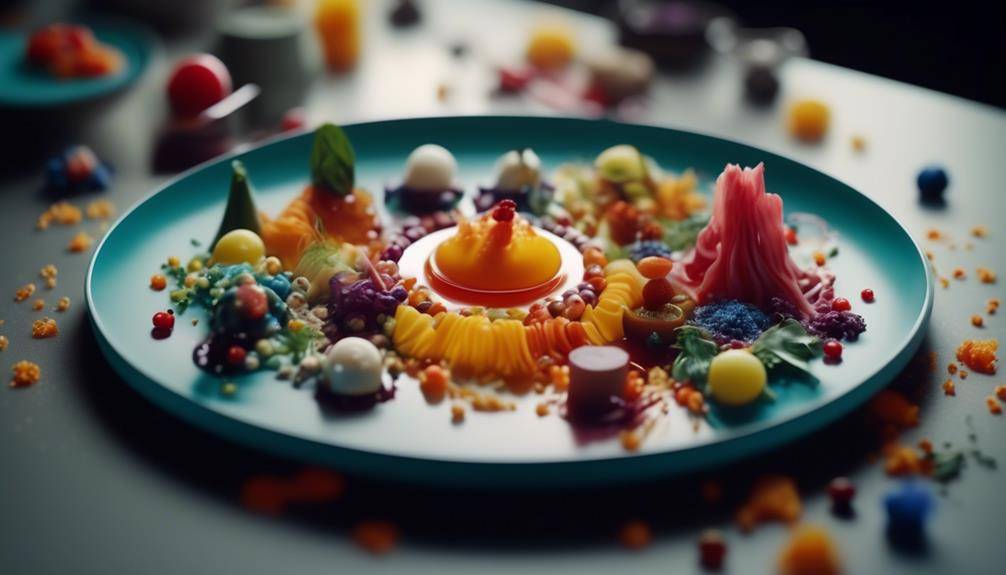
Molecular Gastronomy on Food Industry; Step into the culinary laboratory, where flavors collide and ingredients morph into something unexpected. The realm of molecular gastronomy has cast a spell on the food industry, revolutionizing the way we experience and perceive food. But what are the effects of this magical approach to cooking? Prepare to be captivated as we explore the transformative impact of molecular gastronomy on the ever-evolving world of cuisine.
Culinary Innovation and Creativity
Culinary innovation and creativity play a pivotal role in shaping the ever-evolving landscape of the food industry, driving experimentation with flavors, textures, and presentation techniques to push the boundaries of gastronomic possibilities. In recent years, culinary experimentation has taken center stage, with avant-garde cuisine leading the way in revolutionizing traditional cooking methods and challenging conventional notions of what food can be.
Avant-garde cuisine, also known as molecular gastronomy, has emerged as a driving force behind culinary innovation. This scientific approach to cooking combines elements of chemistry and physics to create new and exciting taste experiences. Through the application of innovative techniques such as spherification, foams, and gels, chefs are able to transform ingredients into unexpected forms and textures. This not only stimulates the senses but also sparks curiosity and intrigue among diners, elevating their culinary experience to new heights.
The impact of culinary innovation extends beyond the realm of fine dining. It has permeated various sectors of the food industry, influencing product development, menu design, and consumer preferences. The introduction of avant-garde techniques has inspired chefs and home cooks alike to think outside the box, encouraging them to experiment with unconventional ingredients and methods.
Furthermore, the intersection of culinary innovation and creativity has paved the way for the fusion of different culinary traditions, leading to the creation of unique and exciting flavor combinations. Chefs are no longer bound by traditional recipes or regional cuisines, but rather, they are free to explore and draw inspiration from diverse culinary cultures. This cross-pollination of flavors and techniques has not only enriched the culinary landscape but has also opened up new avenues for cultural exchange and appreciation.
Changing Consumer Expectations
Consumers’ evolving preferences and demands have ushered in a new era of expectations within the food industry, challenging chefs and food businesses to innovate and adapt to meet their changing needs. In an era of increasing globalization and connectivity, consumer preferences are constantly evolving and are heavily influenced by various factors such as cultural diversity, health consciousness, and sustainability concerns. As a result, the food industry must stay attuned to these changing consumer preferences in order to remain competitive and relevant in the market.
Market demand plays a crucial role in shaping consumer expectations. Today’s consumers are more informed and discerning than ever before, with access to a wealth of information at their fingertips. They seek transparency and authenticity, demanding high-quality, ethically sourced ingredients, and sustainable production practices. This has led to a shift towards healthier, fresher, and more sustainable food options. As a result, food businesses are under pressure to offer menu items that cater to these preferences, such as organic and locally sourced ingredients, plant-based alternatives, and allergen-free options.
Furthermore, consumers now expect personalized experiences and convenience. With the rise of technology, the food industry has seen an increase in online food delivery services and mobile applications that allow consumers to easily order food from their favorite restaurants. Additionally, customization has become a key aspect of the dining experience, with consumers seeking the ability to tailor their meals to their specific dietary needs and preferences.
In response to these changing consumer expectations, chefs and food businesses have embraced molecular gastronomy as a means of innovation. By applying scientific principles and techniques, they are able to create visually stunning and unique culinary creations that not only satisfy consumers’ taste buds but also cater to their preferences for healthier, sustainable, and personalized options. Molecular gastronomy has allowed chefs to push the boundaries of traditional cooking methods, resulting in a new wave of culinary creativity that resonates with today’s discerning consumers.
New Culinary Techniques and Tools
New culinary techniques and tools have revolutionized the way chefs approach food preparation, allowing for greater precision and creativity in the kitchen. Culinary experimentation and the integration of gastronomic science have led to the development of innovative methods and utensils that push the boundaries of traditional cooking. Here are three examples of these new techniques and tools:
- Sous Vide: This method involves vacuum-sealing food in a plastic pouch and cooking it at a precise and consistent temperature in a water bath. By cooking food at lower temperatures for longer periods, chefs can achieve unparalleled tenderness and flavor. Sous vide enables chefs to experiment with new textures and flavors while preserving the natural qualities of ingredients.
- Molecular Gastronomy Kit: These kits provide chefs with the tools and ingredients needed to explore the scientific principles behind molecular gastronomy. Through the use of additives like agar-agar and calcium lactate, chefs can create foams, gels, and spheres that transform the texture and presentation of dishes. The kit allows for precise measurements and controlled experimentation, enhancing the chef’s ability to create visually stunning and unique dishes.
- Liquid Nitrogen: The introduction of liquid nitrogen into the culinary world has opened up new possibilities for chefs. By rapidly freezing ingredients, chefs can create instant ice creams, sorbets, and frozen desserts with a smooth and creamy texture. Liquid nitrogen also enables chefs to create dramatic visual effects, such as freezing ingredients at the table or creating a cloud of vapor.
These new culinary techniques and tools have not only elevated the art of cooking but have also expanded the boundaries of what is possible in the kitchen. With precision and creativity at their fingertips, chefs can continue to push the boundaries of gastronomy and create truly innovative and extraordinary dining experiences.
Influence on Menu Development
The integration of new culinary techniques and tools, such as sous vide, molecular gastronomy kits, and liquid nitrogen, has not only revolutionized food preparation but also had a profound influence on menu development. Menu design has become more innovative and experimental, with chefs now incorporating molecular gastronomy techniques to create unique and exciting dishes. The use of these techniques allows for flavor experimentation that pushes the boundaries of traditional cooking.
Molecular gastronomy has opened up a world of possibilities for chefs to create dishes that are not only visually stunning but also deliver extraordinary taste experiences. By utilizing ingredients in unconventional ways and manipulating their textures, chefs can create dishes that surprise and delight diners. The use of liquid nitrogen, for example, allows chefs to freeze ingredients quickly, resulting in a unique texture and presentation. This technique can be applied to various dishes, from creating frozen desserts to adding a touch of drama to savory dishes.
Furthermore, molecular gastronomy has inspired chefs to think outside the box when it comes to flavor combinations. By breaking down ingredients at a molecular level and understanding their chemical properties, chefs can create unexpected flavor pairings that elevate the dining experience. For instance, the use of spherification techniques can transform liquid ingredients into spheres that burst with flavor when bitten into, adding a new dimension to a dish.
Collaboration and Cross-disciplinary Exploration
Collaboration and cross-disciplinary exploration have been instrumental in advancing the field of molecular gastronomy and pushing the boundaries of culinary innovation. Through innovation partnerships and scientific experimentation, the food industry has witnessed a remarkable transformation, resulting in new techniques and flavors that captivate the senses.
- Innovation Partnerships: In the realm of molecular gastronomy, partnerships between chefs, scientists, and food technologists have become increasingly prevalent. By combining their expertise, these collaborative efforts have paved the way for groundbreaking discoveries and novel culinary creations. For example, chefs working alongside chemists have developed techniques such as spherification, which involves transforming liquid ingredients into gel-like spheres. This partnership has revolutionized the way ingredients are presented and consumed, adding a new dimension to the dining experience.
- Scientific Experimentation: Scientific experimentation forms the backbone of molecular gastronomy, allowing chefs to explore the chemical and physical properties of food. By applying scientific principles and techniques, such as sous-vide cooking and liquid nitrogen freezing, chefs can manipulate ingredients in ways previously unimaginable. This experimentation has led to the development of innovative dishes like edible foams, powders, and gels, which challenge traditional notions of texture and taste.
- Cross-disciplinary Exploration: The collaboration between culinary professionals and experts from fields such as chemistry, physics, and material science has facilitated cross-disciplinary exploration. This interdisciplinary approach has enabled the amalgamation of scientific knowledge with culinary artistry, resulting in the creation of unique and unexpected culinary experiences. For instance, the use of enzymes and hydrocolloids in molecular gastronomy has allowed chefs to manipulate the texture and structure of ingredients, leading to the creation of dishes with extraordinary mouthfeel and visual appeal.
Frequently Asked Questions: Molecular Gastronomy on Food Industry
What Are the Potential Drawbacks or Challenges Associated With Implementing Molecular Gastronomy Techniques in a Restaurant Setting?
Implementing molecular gastronomy techniques in a restaurant setting may have potential limitations and practical challenges. These could include the need for specialized equipment, staff training, and the risk of inconsistent results.
How Has the Emergence of Molecular Gastronomy Influenced the Training and Education of Aspiring Chefs?
The emergence of molecular gastronomy has revolutionized the training and education of aspiring chefs. It has introduced innovative techniques and encouraged culinary creativity, pushing chefs to think outside the box and experiment with new flavors and textures.
Can You Provide Examples of Successful Collaborations Between Molecular Gastronomy Chefs and Other Professionals, Such as Scientists or Artists?
Successful collaborations between molecular gastronomy chefs and other professionals, such as scientists or artists, have led to innovative techniques, artistic presentations, and scientific experimentation. These cross disciplinary partnerships push creative boundaries and fuse art and science in the realm of scientific gastronomy and artistic gastronomy.
Are There Any Specific Safety Concerns or Regulations That Need to Be Considered When Using Certain Molecular Gastronomy Techniques?
When using certain molecular gastronomy techniques, there are important safety concerns and regulations to consider. These challenges must be addressed in the restaurant setting, and aspiring chefs should receive proper training and education on these techniques. Collaborations with professionals such as scientists and artists can contribute to innovative and sustainable practices in the food industry.
How Has Molecular Gastronomy Impacted the Sustainability and Environmental Practices Within the Food Industry?
Molecular gastronomy has revolutionized sustainability practices and reduced the environmental impact in the food industry. By utilizing innovative techniques, it has led to the development of more efficient processes and reduced waste, making it a game-changer for the industry.

Conclusion
In conclusion, the impact of molecular gastronomy on the food industry has been profound. This culinary innovation has sparked creativity and pushed the boundaries of traditional cooking techniques. It has also changed consumer expectations, leading to a demand for unique and visually stunning dishes. The introduction of new culinary tools and techniques has revolutionized menu development, allowing chefs to experiment with flavors and textures in unprecedented ways. The collaboration and cross-disciplinary exploration fostered by molecular gastronomy continue to drive the industry forward, making it an exciting time for culinary innovation.
If you enjoyed exploring this topic and want to dive even deeper, be sure to check out some of our other articles here on Infinite Flavors. From rich culinary histories to creative twists on classic recipes, there’s always something new to discover. Whether you’re curious about the origins of a dish, looking for fresh inspiration in the kitchen, or simply love learning about food culture, our collection of posts is the perfect next step on your flavor journey.
Amazing Molecular Gastronomy For Gluten-Free Dishes
Exciting Molecular Gastronomy Food Presentation Ideas
Popular Molecular Gastronomy Dishes 2025