The Great Tangy Story of Homemade Cranberry Sauce
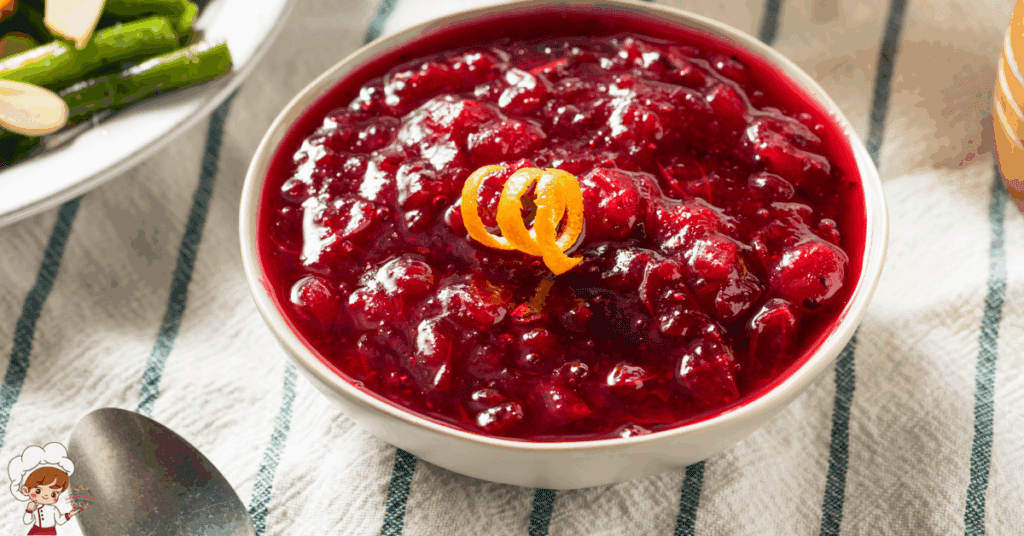
Tangy Story of Homemade Cranberry Sauce; Few holiday dishes evoke as much nostalgia as homemade cranberry sauce. Its vibrant ruby hue and sweet-tart flavor have long been a symbol of festive meals, particularly during Thanksgiving and Christmas. Whether you prefer it jellied, chunky, or infused with orange zest and spices, cranberry sauce is a staple that bridges past and present, connecting generations through the simple joy of a spoonful of tradition. But how did this quintessentially American condiment find its way to the holiday table? To understand the story of homemade cranberry sauce, we must look back through centuries of culinary history—from the early uses of cranberries by Indigenous peoples to their transformation into a beloved holiday classic.
The Early History of Cranberries in North America
Cranberries are one of the few fruits native to North America. Long before the arrival of European settlers, Native American tribes such as the Wampanoag, Algonquin, and Narragansett cultivated and harvested wild cranberries for food, medicine, and dye. They called the berry “sasemineash” or “ibimi,” meaning “bitter berry.” Cranberries were mixed with dried venison and fat to make pemmican, a high-energy preserved food that sustained tribes during harsh winters.
These early uses reflected the cranberry’s versatility and its vital role in Indigenous diets. The fruit’s natural acidity and high vitamin C content helped prevent scurvy and other illnesses. Cranberry poultices were also used to treat wounds and infections. When early settlers arrived in the 1600s, Native Americans introduced them to the fruit and shared their knowledge of its many uses.
European settlers quickly adopted cranberries, recognizing their culinary and medicinal value. Early colonial records mention the berries being used in sauces, relishes, and tarts. However, without access to abundant sugar, many of these early cranberry dishes were far more tart than the sweetened versions we know today.
Colonial Influence: From Foraged Fruit to Festive Dish
As sugar became more accessible through trade routes, colonists began experimenting with cranberries in desserts and sauces. By the late 17th century, the combination of cranberries and sweeteners like molasses or honey had become increasingly common. Colonial cookbooks from the 18th century referenced “cranberry tarts” and “cranberry conserve,” showcasing how European techniques were adapted using local ingredients.
Cranberries’ bright red color and their harvest season—late fall—made them a natural fit for holiday feasts. They complemented roasted meats such as venison, goose, and later, turkey. The pairing of cranberries and turkey would soon become iconic, and it’s believed that cranberry sauce first appeared on American tables during these early colonial feasts, long before the official “Thanksgiving” holiday was declared.
The Birth of Modern Cranberry Sauce
The transformation from wild berry to household staple began in the 19th century. With the rise of commercial cranberry farming in Massachusetts, particularly in Cape Cod and Plymouth County, cranberries became a reliable and profitable crop. By the mid-1800s, canning and preservation techniques had advanced, allowing cooks to make and store cranberry sauces for longer periods.
Homemade cranberry sauce evolved as families developed their own recipes—some cooked the berries with sugar and water for a smooth sauce, while others added oranges, spices, or nuts for extra flavor. The first printed recipes for cranberry sauce appeared in American cookbooks of the early 1800s, such as Lydia Maria Child’s The Frugal Housewife (1829), which included instructions for boiling cranberries with sugar to serve alongside meat dishes.
By the late 1800s, the dish had become synonymous with festive occasions, especially Thanksgiving. It reflected both practicality and symbolism—a fruit that ripened just in time for harvest celebrations, served beside the season’s bounty.
Cranberry Sauce and the Rise of Thanksgiving Traditions
Thanksgiving became a national holiday in 1863, thanks to Abraham Lincoln’s proclamation during the Civil War. Cranberry sauce quickly became one of the defining dishes of the holiday meal, cementing its place alongside turkey, stuffing, and mashed potatoes.
Cranberries’ connection to the New England region and their harvest timing perfectly matched the late November celebration. Homemakers cherished cranberry sauce for its bright flavor and its ability to cut through the richness of roasted turkey and gravy. The sauce was not just food—it was a symbol of gratitude, abundance, and American heritage.
Over time, cranberry sauce recipes evolved, reflecting the creativity and cultural influences of home cooks. Some families preferred smooth, sieved sauces, while others embraced chunky, rustic styles. The addition of ingredients like citrus zest, cinnamon, and cloves gave each version a unique personality.
From Homemade to Canned: The 20th Century Shift
While homemade cranberry sauce was the original tradition, the early 20th century saw the rise of convenience foods, leading to the invention of canned cranberry sauce. In 1912, the Ocean Spray Cooperative was founded in Massachusetts, eventually pioneering the process of turning cranberry sauce into a shelf-stable product.
The company’s jellied cranberry sauce, released in the 1940s, became a household icon—especially during mid-century America’s fascination with convenience cooking. The cylinder-shaped jelly, sliced into rounds, became a nostalgic symbol for many families. Still, even as the canned version gained popularity, homemade cranberry sauce never disappeared. Instead, it represented a return to simplicity, authenticity, and the pleasure of cooking from scratch.
The Return to Homemade Cranberry Sauce in Modern Cooking
Today, homemade cranberry sauce is once again celebrated for its freshness, vibrant flavor, and adaptability. With the rise of the farm-to-table movement and renewed interest in traditional cooking, more home cooks are returning to their roots—crafting sauces from whole berries, pure cane sugar, and creative mix-ins.
Modern versions often include ingredients like maple syrup, honey, cinnamon sticks, orange zest, and even wine or bourbon, each bringing its own layer of depth. This resurgence of homemade versions mirrors broader culinary trends that value seasonality, sustainability, and personalization.
Cranberry sauce also fits perfectly into the modern health-conscious mindset. Cranberries are rich in antioxidants, vitamin C, and fiber, making homemade versions not only delicious but nourishing. By skipping artificial preservatives and excessive sugar, today’s cranberry sauces honor the fruit’s natural goodness.
Cultural Significance and Symbolism of Cranberry Sauce
Beyond its flavor and versatility, cranberry sauce carries deep cultural symbolism. In the United States, it embodies the spirit of Thanksgiving—a blend of gratitude, harvest, and shared tradition. The cranberries themselves, native to North America, symbolize the connection between the land and its earliest inhabitants.
For many families, the recipe passed down through generations is more than a side dish—it’s a cherished heirloom. Each spoonful carries stories of gatherings, laughter, and love. Across regions, cranberry sauce has adapted to local flavors: in the South, you may find versions spiked with pecans or citrus; in the Midwest, families may add apples or grapes; and on the West Coast, artisanal versions highlight organic, locally grown berries.
The Global Influence of Cranberry Sauce
While cranberry sauce is most closely associated with American and Canadian holiday tables, it has begun to appear in global cuisine as well. In Europe, chefs have embraced cranberries as an accompaniment to game meats, duck, and pork. Scandinavian countries, which have their own native tart berries like lingonberries, appreciate cranberry sauce for its familiar tang and festive flair.
This global expansion speaks to cranberry sauce’s universal appeal—a perfect balance of sweet and tart that complements rich dishes across cultures. As food trends continue to blend global influences, cranberry sauce remains a timeless example of how simple ingredients can create enduring traditions.
Why Homemade Cranberry Sauce Endures
Homemade cranberry sauce endures because it combines simplicity with meaning. It’s one of the few holiday dishes that takes just minutes to prepare but feels deeply connected to heritage. The act of watching berries pop and simmer into a glistening sauce is almost meditative—a small ritual that signals the start of the holiday season.
Even in an era of high-tech cooking and convenience foods, homemade cranberry sauce continues to thrive because it offers something irreplaceable: authenticity. Each family’s recipe tells a story of adaptation, creativity, and love.
And while modern cooks may innovate with flavors like port wine or ginger, the essence remains unchanged—a celebration of the cranberry itself, one of North America’s original superfoods.
The Future of Cranberry Sauce: Tradition Meets Innovation
As culinary trends evolve, cranberry sauce continues to inspire creativity. Chefs are incorporating it into year-round menus, not just during the holidays. It’s used as a glaze for meats, a topping for desserts, and even a base for cocktails.
With growing interest in sustainability, more cranberry farmers are practicing eco-friendly cultivation, ensuring that this beloved fruit remains abundant for generations to come. At the same time, home cooks are experimenting with international twists—combining cranberries with spices like cardamom, chili, or rosemary for unexpected yet delightful results.
The future of cranberry sauce is both rooted and innovative. It will always hold its place at the Thanksgiving table, but it also has the potential to expand into everyday cuisine, proving that tradition and creativity can coexist beautifully.
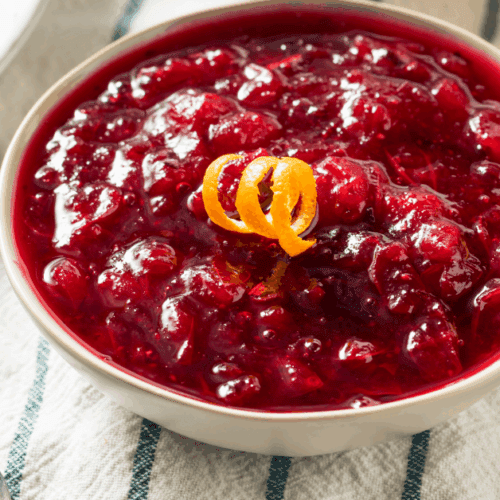
Homemade Cranberry Sauce
Ingredients
- 12 oz fresh cranberries
- – 1 cup sugar
- – 1 cup water
Instructions
- Boil water and sugar until dissolved.
- Add cranberries and simmer until they burst, about 10 minutes.
- Let cool before serving.
Frequently Asked Questions: Tangy Story of Homemade Cranberry Sauce
What is the origin of cranberry sauce?
Cranberry sauce originated in North America, where Indigenous peoples used wild cranberries for food and medicine long before European settlers arrived. The modern version of cranberry sauce began appearing in American cookbooks in the early 19th century.
Why is cranberry sauce served with turkey?
The sweet-tart flavor of cranberries complements the rich, savory taste of turkey. Because cranberries are harvested in the fall, they became a natural addition to Thanksgiving meals.
Who invented canned cranberry sauce?
Canned cranberry sauce was introduced by the Ocean Spray Cooperative in the 1940s. It made cranberry sauce more accessible and became a holiday convenience favorite.
How long does homemade cranberry sauce last?
Homemade cranberry sauce can typically last up to two weeks in the refrigerator when stored in an airtight container. It can also be frozen for longer storage.
What makes homemade cranberry sauce better than canned?
Homemade cranberry sauce offers fresher flavor, better texture, and the freedom to adjust sweetness and ingredients. It’s also free of preservatives and artificial additives.
Can cranberry sauce be used outside of the holidays?
Absolutely! It pairs well with cheese boards, roast meats, sandwiches, yogurt, and even desserts, making it a versatile condiment year-round.

A Timeless Holiday Tradition
Homemade cranberry sauce is more than a side dish—it’s a story of American heritage, agricultural innovation, and family tradition. From its Indigenous roots to its place on modern tables, cranberry sauce has evolved yet remained true to its essence: a simple, flavorful reflection of gratitude and togetherness.
Each simmering pot of homemade cranberry sauce carries a whisper of history, reminding us that even the smallest traditions can create the sweetest memories.
If you enjoyed exploring this topic and want to dive even deeper, be sure to check out some of our other articles here on Infinite Flavors. From rich culinary histories to creative twists on classic recipes, there’s always something new to discover. Whether you’re curious about the origins of a dish, looking for fresh inspiration in the kitchen, or simply love learning about food culture, our collection of posts is the perfect next step on your flavor journey.
The Great History And Origin Of Classic Stuffing
The Great Delicious Origin Of Green Bean Casserole
The Exciting History Turkey Breast With Cranberry Glaze