Five Great Essential Tips To Enhance Slow Cooking Skills

Essential Tips To Enhance Slow Cooking Skills; To enhance your slow cooking skills, focus on a few essential techniques. First, familiarize yourself with your slow cooker’s features for maximum use. Next, choose fresh, high-quality ingredients to enrich your dishes. Pay attention to cooking times; tougher cuts benefit from longer cooking, while softer veggies should be added later. Layer flavors by placing heartier ingredients at the bottom and adding seasonings incrementally. Finally, experiment with different liquids to deepen flavors and adjust moisture. Mastering these tips can lead to delicious results, and you might just find even more insights along the way.
Understand Your Slow Cooker
To get the most out of your slow cooker, it is essential to understand its features and functions. Slow cookers come in various types, each designed for specific cooking techniques. Familiarizing yourself with these types will help you choose the right one for your culinary needs. For instance, some slow cookers have programmable settings, allowing you to set the cooking time and temperature in advance, while others might have a simple on/off functionality.
Understanding the different cooking techniques is equally important. The most common method is low and slow cooking, where food simmers at a low temperature for several hours. This technique tenderizes meats and melds flavors beautifully. If you’re short on time, many slow cookers offer a high setting, which cooks food faster but may not achieve the same depth of flavor as low cooking.
Additionally, pay attention to the size and capacity of your slow cooker. Smaller models are perfect for side dishes or smaller families, while larger ones can cater to bigger gatherings. Some slow cookers even come with multiple pots, allowing you to prepare different dishes at once.
Choose Ingredients Wisely
When you choose your ingredients, freshness really matters. Balancing flavors can elevate your dish, so think about how each ingredient complements the others. Finally, keep cooking times in mind to guarantee everything comes out perfectly tender and flavorful.
Freshness Matters Most
Fresh ingredients can make all the difference in your slow-cooked dishes. When you choose fresh herbs and seasonal produce, you elevate the flavors and nutrition of your meals. Start by focusing on ingredient sourcing—visit local markets to find the best options available. You’ll often discover organic choices that are not only healthier but also tastier.
Quality meat is essential, too. Look for cuts that are fresh and well-marbled, as these will tenderize beautifully during the slow cooking process. Don’t forget about vegetable freshness; vibrant, crisp veggies will enhance the overall texture and taste of your dish.
When you’re selecting your ingredients, think about flavor pairing. Some fresh herbs complement certain vegetables and meats perfectly, creating a harmonious blend. For example, rosemary pairs wonderfully with lamb, while basil works beautifully with tomatoes.
Balance Flavors Carefully
Balancing flavors is key to creating delicious slow-cooked meals. When you choose your ingredients, consider how their flavor profiles will interact throughout the cooking process. Each component should enhance the others, creating a harmonious dish rather than a muddled one.
Start by selecting a main protein, like chicken or beef, and think about its inherent flavor. Then, add complementary vegetables, herbs, and spices. For example, pairing savory herbs like thyme with hearty root vegetables can elevate your dish. Don’t forget about acidity—adding a splash of vinegar or citrus juice can brighten the overall flavor.
Seasoning balance is essential. You might find yourself tempted to go heavy on salt or spices, but too much can overpower your dish. Instead, start with a moderate amount and taste as you go, adjusting as needed. Remember, slow cooking allows flavors to develop and intensify, so it’s best to err on the side of caution initially.
Lastly, consider the sweetness of certain ingredients. Carrots, for example, can add a natural sweetness that counteracts savory elements. By making thoughtful choices and balancing these flavors, you’ll create a truly delightful slow-cooked meal.
Consider Cooking Times
Choosing the right ingredients is crucial for achieving ideal cooking times in slow-cooked dishes. When you’re planning your cooking schedules, consider how different ingredients will affect the overall timing. For example, tougher cuts of meat like brisket or chuck roast require longer cooking times to become tender, while softer vegetables, like zucchini, can break down quickly and may need to be added later in the cooking process.
If you decide to make ingredient substitutions, keep in mind that not all ingredients behave the same way in a slow cooker. For instance, if you swap fresh herbs for dried ones, use less of the dried herbs, as they’re more concentrated and can overpower the dish if added too early.
Also, be mindful of the size of your ingredients. Cutting vegetables into uniform sizes guarantees even cooking, helping you avoid undercooked chunks. Always check your dish periodically; slow cooking times can vary based on your slow cooker model and the specific ingredients you use. By understanding how each ingredient impacts cooking time, you’ll master the art of slow cooking in no time!
Master Cooking Times
Mastering cooking times is essential for achieving perfectly tender and flavorful dishes in your slow cooker. To get the most out of your slow cooking experience, you need to understand how to utilize effective timing techniques. First, familiarize yourself with the specific cooking times for different ingredients. For example, root vegetables often take longer to cook than meats, so consider adding them earlier in the process.
Next, don’t forget about temperature adjustments. Most slow cookers have low and high settings, and knowing when to use each can greatly impact your dish. If you’re short on time, cooking on high for a shorter period can work, but it may not yield the same depth of flavor. Conversely, low and slow allows flavors to meld beautifully, making it the preferred method for many recipes.
It’s also important to keep in mind that opening the lid during cooking can extend the cooking time. Each time you lift the lid, heat escapes, which can disrupt the cooking process. So, resist the urge to peek unless absolutely necessary.
Lastly, remember that different recipes may call for specific cooking times, so always consult your slow cooker’s manual for guidance. By mastering these timing techniques and understanding how temperature adjustments affect your dishes, you’ll reveal the full potential of your slow cooker, yielding meals that are not just edible but absolutely delightful. Happy cooking!
Layer Flavors Carefully
Creating a symphony of flavors in your slow cooker is all about layering ingredients effectively. When you stack your ingredients thoughtfully, you can enhance the overall taste of your dish. Start by placing heartier ingredients like root vegetables at the bottom. They take longer to cook, so giving them a head start guarantees they soften perfectly.
Next, think about your protein. If it’s meat, consider marinating it beforehand with specific herb combinations that complement your dish. For example, rosemary and thyme work wonders with chicken, while cumin and paprika can elevate beef. Seasoning techniques play an essential role here; don’t just sprinkle the spices on top. Instead, rub them onto the meat to allow the flavors to penetrate deeply.
As you build your layers, remember to incorporate aromatics like onions and garlic. Their flavors infuse gradually during the cooking process, enhancing the entire dish. If you’re using grains or legumes, layer them on top of the protein, as they absorb flavors wonderfully.
Utilize Proper Liquids
Layering ingredients sets the stage, but the right liquids bring your slow-cooked dish to life. Choosing the appropriate cooking liquids is vital to enhance flavors and guarantee the dish turns out perfectly. You might think water is enough, but varying your liquids can elevate your meal. Broths, stocks, wines, or even juices can add depth and complexity that water simply can’t provide.
When you’re deciding on your cooking liquids, consider the flavor profile of your dish. For example, if you’re preparing a savory stew, a rich beef or vegetable broth can complement the ingredients nicely. On the other hand, for a lighter chicken dish, a splash of white wine or citrus juice can brighten the flavors.
It’s also important to pay attention to liquid ratios. Too much liquid can turn your dish into a soup, while too little can lead to dryness and uneven cooking. Generally, aim for about one to two cups of liquid for a standard slow cooker recipe, but always adjust based on the specific ingredients and their moisture content.
Remember to factor in the moisture released by vegetables and meats, as they can contribute to your cooking liquids. By using the right cooking liquids and maintaining balanced liquid ratios, you’ll set yourself up for slow-cooking success, resulting in dishes that are not only flavorful but also perfectly textured. Happy cooking!
Embrace Texture Variations
When you embrace texture variations in slow cooking, you can transform a simple dish into something extraordinary. Experiment with different ingredients like crunchy vegetables or tender meats, and you’ll discover new layers of flavor. Layering these components not only adds depth but also keeps each bite interesting and satisfying.
Experiment With Ingredients
Experimenting with ingredients can transform your slow-cooked meals into culinary masterpieces. By trying out different ingredient combinations, you can discover flavors that excite your palate and elevate your dishes. For instance, mix and match various proteins, vegetables, and grains to create unique textures and tastes. Don’t shy away from seasonal produce; using fresh, in-season ingredients can bring a burst of flavor and nutrition to your meals.
Consider adding unexpected elements like fruits, nuts, or spices to your traditional recipes. These additions can enhance the dish’s complexity and surprise your guests. For example, a hint of citrus can brighten a savory stew, while roasted nuts can add a delightful crunch to a creamy casserole.
Don’t forget about herbs and aromatics! Fresh herbs can breathe life into a dish, while dried herbs release their flavors slowly over time, infusing your meal with depth.
Keep notes on your experiments, so you can replicate your favorite combinations or adjust them for next time. Embrace your creativity in the kitchen; the more you experiment, the more you’ll refine your slow cooking skills and impress everyone at the dinner table.
Layering for Depth
To create meals that delight the senses, embrace texture variations by layering ingredients thoughtfully. Start with a solid base, like hearty vegetables or grains, which provide a satisfying foundation. Next, build up with proteins, such as tender meats or beans, ensuring they’re evenly distributed for consistent cooking.
Pay attention to sauce consistency; a thick sauce can add richness, while a lighter sauce may brighten your dish. Consider how each layer interacts—mild flavors can enhance bold ones, while contrasting textures bring excitement. For instance, pairing creamy ingredients like cheese with crunchy toppings like nuts or breadcrumbs can create an irresistible combination.
Don’t overlook the importance of ingredient pairing. Choose complementary flavors to enhance your dish’s depth; think sweet and savory or spicy and tangy. As you layer, remember that the slow cooking process melds these flavors beautifully, so balance is key.
Practice Food Safety
Practicing food safety is essential for guaranteeing that your slow-cooked meals are not only delicious but also safe to eat. Start by maintaining proper kitchen hygiene. Always wash your hands with soap and water before handling food, especially after touching raw meat. Use separate cutting boards for vegetables and meats to avoid cross-contamination. Clean your utensils and surfaces regularly to keep harmful bacteria at bay.
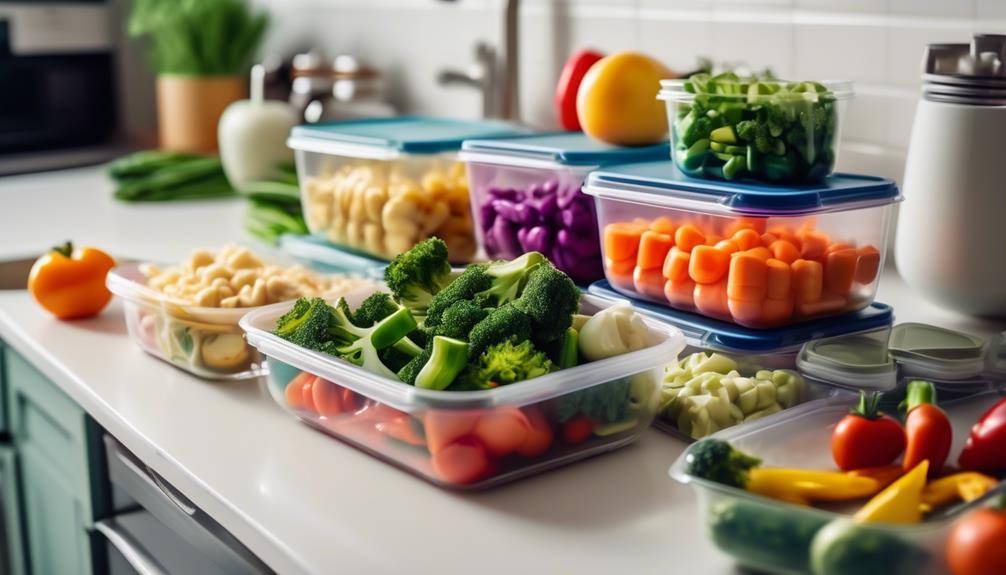
Food storage is another critical aspect of food safety. Make sure to store your ingredients properly before cooking. Keep perishable items, like meats and dairy, in the refrigerator at temperatures below 40°F (4°C). If you’re prepping ingredients in advance, store them in airtight containers to prevent any exposure to contaminants. When cooking, guarantee that your slow cooker reaches a safe internal temperature for your meal. Most meats should hit at least 145°F (63°C), while ground meats require 160°F (71°C).
After your meal is cooked, don’t let leftovers sit out for too long. Refrigerate any uneaten portions within two hours to prevent bacterial growth. When reheating, make sure your leftovers reach an internal temperature of 165°F (74°C).
Experiment With Seasonings
One of the best ways to elevate your slow-cooked dishes is to play around with different seasonings. Experimenting with various spice blends can transform a simple recipe into a flavorful masterpiece. Start by understanding the flavor profiles you want to achieve. Are you aiming for something warm and comforting, or perhaps something bold and spicy?
Begin with the basics like salt and pepper, but don’t stop there. Consider adding garlic powder, onion powder, or smoked paprika to enhance depth. A pinch of cayenne can bring heat, while dried herbs like thyme or rosemary can add a fresh, aromatic touch.
Once you’ve mastered the basics, explore pre-made spice blends. These can save you time and introduce you to new flavor combinations. For instance, a curry blend can give your dish an exotic flair, while Italian seasoning can transport you to a sun-drenched terrace.
Don’t be afraid to mix and match! Try a blend of cumin and coriander for a Middle Eastern twist, or experiment with a classic BBQ rub for a smoky finish. Remember, the key is to taste as you go. Adjust the seasonings throughout the cooking process to achieve the desired flavor intensity.
Optimize Cooking Temperature
Optimizing cooking temperature is vital for achieving tender, flavorful results in your slow-cooked meals. Understanding temperature control can make or break your dish, so it’s important to know how to set your slow cooker to the right heat. Low and slow is the name of the game; keeping your cooker on low for an extended period allows your ingredients to meld beautifully while breaking down tough fibers in meats.
When you cook on high, you might think you’re saving time, but that can compromise cooking efficiency. Cooking too quickly leads to uneven results and often results in dry or tough meat. If you’re in a rush, consider a pressure cooker instead, which provides a similar effect in a fraction of the time.
Another key factor in temperature control is the placement of your ingredients. Always layer your vegetables at the bottom and the meat on top, allowing the meat to baste in its juices while the veggies absorb all the wonderful flavors. Use an instant-read thermometer to confirm your meat reaches the recommended internal temperatures for safety, which is especially important when cooking poultry.
Lastly, be mindful of the cooking environment. Opening the lid can decrease the temperature and increase cooking time, so resist the urge to peek! By mastering these temperature control techniques, you’ll enhance your slow cooking skills and guarantee delicious results every time.
Clean and Maintain Equipment
To keep your slow cooking equipment in top shape, you should regularly inspect it for any wear or damage. Using proper cleaning techniques will not only guarantee food safety but also extend the life of your tools. After cooking, make sure to store everything safely to prevent accidents and maintain cleanliness.
Regularly Inspect Equipment
Regularly inspecting your slow cooking equipment is essential for guaranteeing both safety and efficiency in the kitchen. Start by checking your slow cooker for any signs of wear, such as frayed cords or cracked ceramic inserts. These issues can lead to malfunctions or even pose safety hazards. Make it a habit to examine the lid and seals, guaranteeing they fit snugly. A poor seal can affect cooking times and results, so pay attention to this detail.
During your equipment maintenance routine, consider if your slow cooker could benefit from upgrades. Newer models often have advanced features, like programmable settings and improved temperature controls. These upgrades can enhance your cooking experience and help you achieve better results.
Don’t forget to inspect additional tools you use, such as spatulas, measuring cups, and thermometers. Guarantee they’re in good condition, as damaged tools can compromise your cooking process. By regularly inspecting your equipment, you’re not only prolonging its life but also guaranteeing that your slow cooking adventures run smoothly and safely. Make it a priority, and you’ll enjoy a more efficient kitchen every time you slow cook.
Proper Cleaning Techniques
How can you guarantee your slow cooker stays in top shape? Proper cleaning techniques are essential for maintaining your equipment and guaranteeing safe meals. After each use, unplug your cooker and let it cool down. Then, remove the inner pot and wash it with warm soapy water. Avoid abrasive sponges that could scratch the surface; instead, use a soft cloth or sponge for effective cleaning.
For the lid, rinse it under warm water and dry it thoroughly to prevent moisture buildup, which can lead to mold. If you notice stubborn stains, consider using vinegar or baking soda as natural cleaning methods. Just remember to rinse well afterward.
Don’t forget the exterior too! Wipe it down with a damp cloth to keep it looking fresh. To guarantee complete equipment sanitation, pay attention to any crevices or hidden spots where food debris might collect. Regularly check the power cord and plug for any damage, and clean it with a damp cloth. By implementing these effective cleaning methods, you’ll extend the life of your slow cooker while guaranteeing delicious, safe meals for you and your loved ones.
Store Safely After Use
Once you’ve cleaned your slow cooker, storing it properly is just as important to keep it in good condition. Start by verifying it’s completely dry to prevent mold and odors. Choose a suitable storage container type, like a sturdy plastic bin or a cloth bag, to keep it safe from dust and damage. If you stack it with other kitchen items, use a soft cloth to separate them and avoid scratches.
For any leftover meals, focus on proper food storage. Transfer your slow-cooked dishes into airtight containers and label them with the date and contents using clear labeling methods. This helps you stay organized and guarantees you use them within their safe consumption timeframe.
Practice good temperature control as well. If you plan on freezing leftovers, make sure they cool down to room temperature before sealing them in containers. This prevents condensation, which can lead to freezer burn. By following these steps, you’ll make meal prep easier and extend the life of your slow cooker, keeping it ready for your next culinary adventure. Proper storage isn’t just about cleanliness—it’s about maintaining your tools for delicious meals ahead!
Share and Gather Feedback
Gathering feedback on your slow cooking experiments can be as rewarding as the meals themselves. Connecting with others who share your passion for cooking can enhance your skills and inspire new ideas. One of the best ways to do this is through recipe sharing. Share your favorite slow-cooked dishes on social media or in local cooking communities. This not only showcases your creations but also invites others to provide constructive feedback.
Joining cooking communities, whether online or in-person, is a fantastic way to gather insights about your slow cooking techniques. Participate in forums or social media groups dedicated to slow cooking. You’ll find a wealth of knowledge from experienced cooks who can offer tips and tricks based on their own experiences. Don’t hesitate to ask questions about specific techniques or ingredients; the collective wisdom of these communities can be invaluable.
Consider creating a feedback loop with friends or family who taste your dishes. Encourage them to share their thoughts on flavors, textures, and presentation. Their honest feedback can help you refine your recipes and cooking methods. You might even spark a friendly competition or collaboration, leading to new recipe ideas.
Frequently Asked Questions: Essential Tips To Enhance Slow Cooking Skills
Can I Cook Frozen Meat in a Slow Cooker?
You shouldn’t cook frozen meat directly in a slow cooker due to frozen meat safety concerns. It’s best to thaw it first to guarantee even cooking times and reduce the risk of bacteria growth.
What Types of Dishes Work Best for Slow Cooking?
You’ll find that hearty stews, tender roasts, and flavorful soups work best for slow cooking. Use the best ingredients and explore rich flavor combinations to elevate your dishes and create comforting meals everyone will love.
How Can I Prevent Food From Burning in My Slow Cooker?
To prevent food from burning in your slow cooker, adjust the slow cooker temperature properly and layer your ingredients wisely. Place tougher items at the bottom and softer ones on top to guarantee even cooking.
Is It Safe to Leave a Slow Cooker on Overnight?
Yes, it’s generally safe to leave your slow cooker on overnight, but make certain you follow slow cooker safety practices. Check your recipe’s cooking time and set it to avoid overcooking while you sleep.
Can I Double Recipes in My Slow Cooker?
Yes, you can double recipes in your slow cooker, but you’ll need to make some slow cooker adjustments. Keep in mind recipe scaling; guarantee your cooker has enough capacity and adjust cooking times as necessary.

Conclusion
By following these essential tips, you can truly enhance your slow cooking skills and create delicious meals with ease. Remember to understand your slow cooker, choose the right ingredients, and master cooking times to get the best results. Layering flavors and experimenting with seasonings will take your dishes to the next level. Finally, don’t forget to clean and maintain your equipment for longevity. So, get cooking and enjoy the wonderful world of slow-cooked flavors!
If you enjoyed exploring this topic and want to dive even deeper, be sure to check out some of our other articles here on Infinite Flavors. From rich culinary histories to creative twists on classic recipes, there’s always something new to discover. Whether you’re curious about the origins of a dish, looking for fresh inspiration in the kitchen, or simply love learning about food culture, our collection of posts is the perfect next step on your flavor journey.
The 3 Best Slow Cooking Methods For Fish
Simple Family-Friendly Vegetarian Recipes Collection
What Are Delightful Slow Cooking Techniques For Great Desserts