Exciting Organic Sustainable Meal Prep Ingredients
Organic Sustainable Meal Prep Ingredients; When you choose organic sustainable meal prep ingredients, you’re opting for health and environmental benefits. Focus on seasonal fruits and veggies to enjoy fresher flavors and support local farmers. Incorporate plant-based proteins like lentils or tofu for a nutritious boost. Whole grains such as quinoa and brown rice add texture and energy. Don’t forget healthy fats like extra virgin olive oil for flavor and nutrients. With fresh herbs and spices, you can elevate your meals effortlessly. By sourcing responsibly, you contribute to a healthier planet. There’s so much more to discover about building a sustainable kitchen.
Benefits of Organic Ingredients
When you choose organic ingredients for your meal prep, you’re not just making a healthier choice for yourself; you’re also benefiting the environment. Organic farming prioritizes natural methods, which means fewer synthetic pesticides and fertilizers that can harm ecosystems. By opting for organic, you help reduce the chemical runoff that contaminates water sources and disrupts wildlife habitats.
The health benefits of organic ingredients are significant as well. They often contain higher levels of vitamins, minerals, and antioxidants compared to conventionally grown counterparts. Eating organic fruits and vegetables can lead to improved nutrition and better overall health. Additionally, organic meats and dairy products come from animals raised without antibiotics or growth hormones, which means you’re consuming fewer harmful substances.
Moreover, supporting organic farming practices promotes biodiversity. Organic farms usually incorporate crop rotation and polyculture, which enhance soil health and reduce the risk of disease. This diversity not only guarantees healthier crops but also fosters a more resilient agricultural system that can withstand climate change.
Key Sustainable Protein Sources
When it comes to sustainable meal prep, choosing the right protein sources is essential. You’ll find that plant-based proteins and sustainable seafood options not only benefit your health but also the environment. Let’s explore these key protein sources to enhance your meal planning.
Plant-Based Proteins
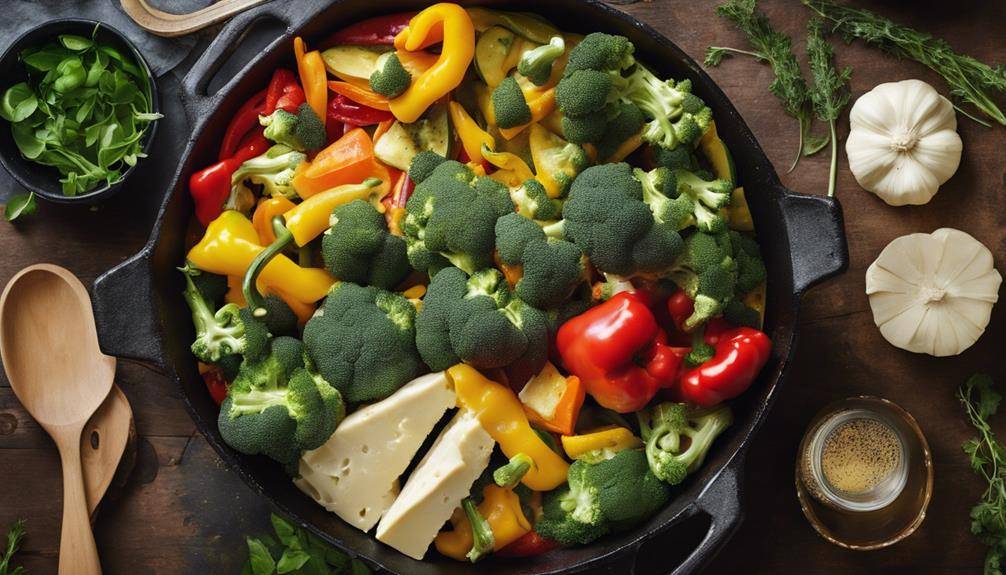
A variety of plant-based proteins can elevate your meal prep while supporting sustainability. Incorporating these protein sources not only enhances your dishes but also reduces your carbon footprint. Tofu varieties, for instance, are versatile and can adapt to any flavor profile you’re aiming for. Whether you prefer firm, silken, or smoked, they can be stir-fried, baked, or blended into smoothies.
Tempeh alternatives offer another fantastic option. Made from fermented soybeans, tempeh has a nutty flavor and a firm texture, making it perfect for grilling, sautéing, or crumbling into tacos. Both tofu and tempeh are packed with protein, making them ideal substitutes for meat in your meals.
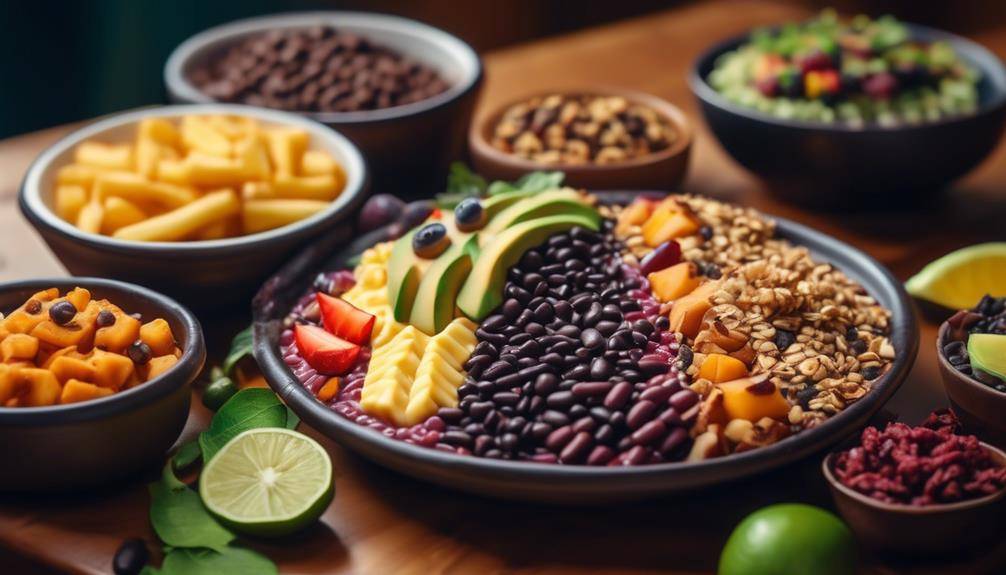
Don’t forget about legumes like lentils, chickpeas, and black beans. These powerhouses deliver protein and fiber, helping you feel full longer. You can add them to salads, soups, or grain bowls for a hearty boost.
Sustainable Seafood Options
Incorporating sustainable seafood into your meal prep not only boosts your protein intake but also aligns with environmentally-friendly practices. By choosing seafood sourced through sustainable fishing methods, you’re supporting fish populations and ecosystems that are often under threat from overfishing.
When you’re shopping for seafood, look for seafood certifications like the Marine Stewardship Council (MSC) or the Aquaculture Stewardship Council (ASC). These certifications guarantee that the seafood you’re buying has been harvested or farmed responsibly, adhering to strict environmental standards. Opting for certified products means you’re contributing to the health of our oceans and waterways.
Some excellent sustainable seafood options include wild-caught Alaskan salmon, mussels, and sardines. These choices are not only nutritious but also tend to have lower environmental impacts. Additionally, farmed shellfish like oysters and clams are great options, as they require minimal feed and can improve water quality.
Seasonal Fruits and Vegetables
What if you could enhance your meal prep by embracing seasonal fruits and vegetables? By choosing produce that’s in season, you not only support local farmers but also boost the flavor and nutrition of your meals. Seasonal fruits and vegetables are often fresher, tastier, and more affordable, making them a smart choice for your meal prep routine.
When you shop at your local farmers’ market or grocery store, look for items that are currently in season. This might include juicy tomatoes in the summer or hearty squash in the fall. Incorporating these ingredients into your meals allows you to create vibrant, seasonal recipes that showcase the best flavors of each season.
Planning your meals around seasonal produce can help you stay inspired and excited about cooking. Try making a fresh summer salad loaded with cucumbers, peppers, and berries, or whip up a comforting winter stew with root vegetables and greens. The possibilities are endless when you align your meal prep with what’s available locally.
Whole Grains for Meal Prep
Building on the foundation of seasonal produce, whole grains can elevate your meal prep by adding texture, flavor, and essential nutrients to your dishes. Incorporating whole grains not only enhances the nutritional profile of your meals but also keeps you satisfied throughout the day.
One of the most versatile options is brown rice. It’s hearty, filling, and pairs well with various vegetables and proteins. You can easily cook a big batch at the beginning of the week and use it in stir-fries, salads, or as a base for grain bowls. Its nutty flavor and chewy texture make it a favorite among many meal preppers.
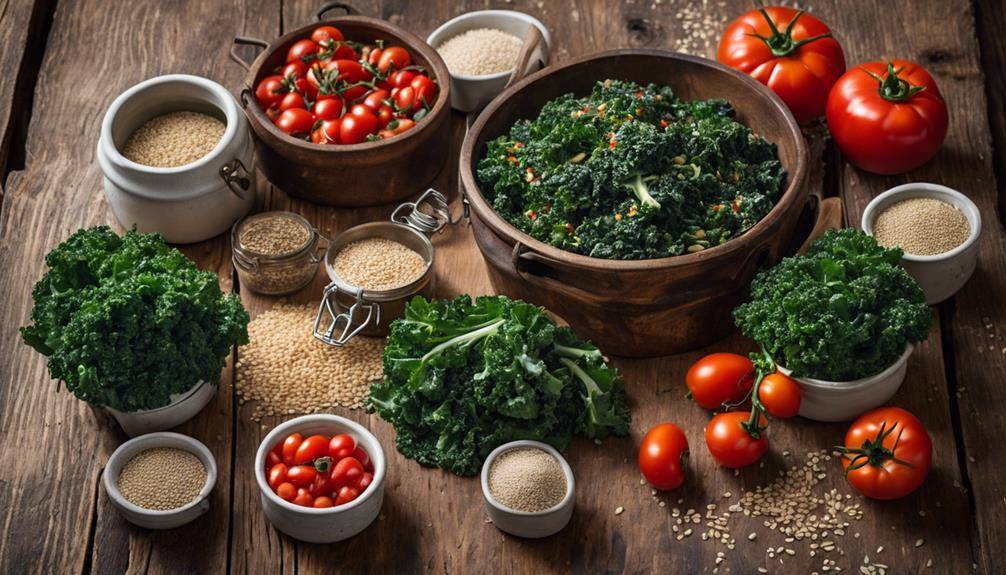
Another fantastic choice is quinoa, which comes in several varieties, including red, black, and white. Each type offers a unique flavor and texture, allowing you to switch things up in your meals. Quinoa is a complete protein, providing all nine essential amino acids, ideal for plant-based diets. Try mixing different quinoa varieties into your salads or as a side dish to add a pop of color and nutrition.
Don’t forget about cooking techniques, either. You can batch-cook your grains and store them in the fridge or freezer. This way, you’ll have ready-to-use whole grains on hand, making meal prep even more efficient. By embracing whole grains like brown rice and quinoa varieties, you’re not just filling your plate; you’re nourishing your body.
Sustainable Fats and Oils
When it comes to meal prep, choosing sustainable fats and oils is key to both your health and the environment. You’ll want to explore healthy oil options like olive or avocado oil while considering eco-friendly sourcing practices. By making informed choices, you can enhance your dishes and support sustainable agriculture.
Healthy Oil Options
Often overlooked, healthy oil options play a crucial role in meal prep, providing essential nutrients while supporting sustainable practices. Choosing the right oils can enhance your dishes and offer numerous healthy oil benefits. For instance, extra virgin olive oil is rich in monounsaturated fats and antioxidants, making it a fantastic choice for drizzling over salads or using in marinades.
When considering cooking oil alternatives, avocado oil stands out due to its high smoke point and heart-healthy properties. It’s perfect for sautéing and frying, allowing you to enjoy crispy textures without compromising health. Coconut oil, while unique in flavor, also offers medium-chain triglycerides, which can support energy levels and metabolism.
Don’t forget about flaxseed oil, which is high in omega-3 fatty acids. It’s best used in cold dishes to preserve its nutrients. Additionally, you might consider hemp oil for its nutty flavor and balance of omega-3 and omega-6 fatty acids.
Eco-Friendly Sourcing Practices
Choosing sustainable fats and oils not only benefits your health but also supports eco-friendly sourcing practices. When you opt for oils like extra virgin olive oil, coconut oil, or avocado oil, you’re making a choice that aligns with ethical sourcing principles. These oils often come from local farmers who prioritize environmental stewardship and sustainable farming methods.
By purchasing from local farmers, you’re reducing transportation emissions and supporting your community’s economy. Look for brands that emphasize transparency in their supply chains, ensuring that the ingredients are sourced responsibly. This means avoiding oils that contribute to deforestation or exploitative labor practices.
When you focus on ethical sourcing, you’re also making a positive impact on biodiversity. Choosing organic and sustainably harvested oils helps preserve ecosystems and protect wildlife habitats. Plus, these oils tend to be richer in nutrients, enhancing your meal prep with vibrant flavors and health benefits.
Incorporating these eco-friendly fats into your meal prep not only nourishes you but also contributes to a more sustainable food system. So, next time you shop, consider how your choices can support both your health and the planet.
Herbs and Spices Selection
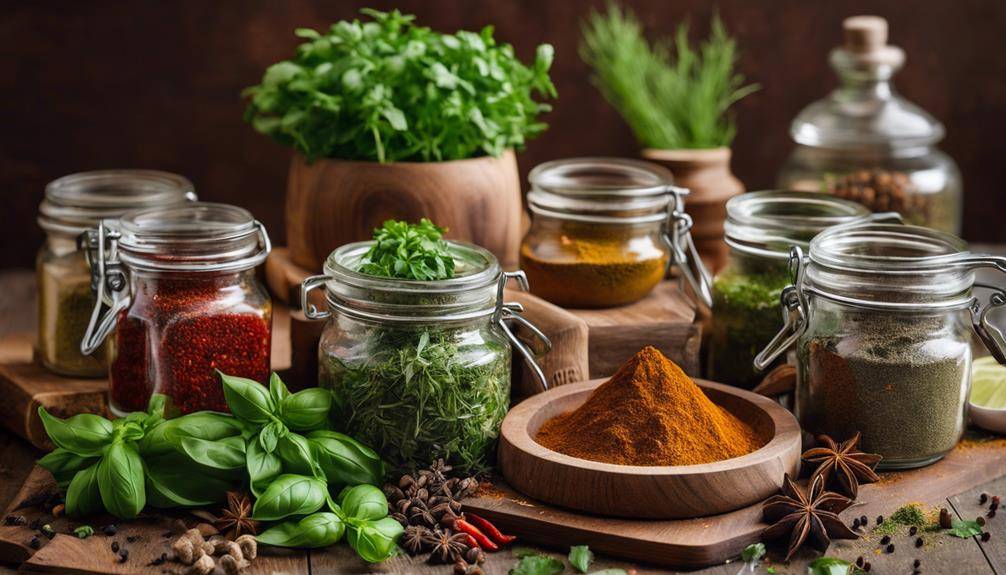
Herbs and spices are the unsung heroes of flavor in your meal prep arsenal. They elevate your dishes from bland to vibrant, and choosing the right ones can make all the difference. When selecting herbs and spices, consider their freshness and potency. Fresh herbs can provide a burst of flavor, while dried herbs and spices can be a convenient and long-lasting option.
To maximize their shelf life, focus on herb preservation techniques. Store your dried herbs and spices in airtight containers, away from light and heat, to help maintain their potency. If you have access to fresh herbs, you might want to try drying or freezing them for later use. This not only preserves their flavors but also allows you to enjoy your favorite herbs year-round.
Creating your own spice blends can be a fun and rewarding way to personalize your meals. Experiment with combinations that suit your taste buds, like a classic Italian blend of basil, oregano, and thyme, or a spicy mix of cumin, coriander, and chili powder. Not only will this enhance your cooking, but it also allows you to control the quality of ingredients, ensuring they’re organic and sustainable.
When you stock your kitchen with a diverse range of herbs and spices, you’ll find it easy to whip up flavorful meals. So don’t underestimate their importance—embrace these powerful flavor boosters to create delicious, sustainable dishes that keep your meal prep exciting.
Tips for Sourcing Ingredients
When it comes to sourcing organic sustainable meal prep ingredients, knowing where to shop can make a big difference in quality and flavor. Start by connecting with local farmers. Visiting farmers’ markets not only supports your community but also guarantees you’re getting fresh, seasonal produce. Local farmers often grow unique varieties that you won’t find in grocery stores, giving your meals a distinctive touch.
Don’t overlook community gardens, either. Many neighborhoods have these gardens, where residents grow fruits, vegetables, and herbs. You might even find opportunities to volunteer, allowing you to earn fresh produce while learning about sustainable practices. This also fosters a sense of community, as you’ll meet like-minded individuals who share your passion for organic ingredients.
If you can’t access local markets or gardens, consider joining a Community Supported Agriculture (CSA) program. With a CSA, you subscribe to receive a share of fresh produce directly from local farms. It’s a great way to guarantee you’re eating seasonally and diversifying your meals.
Lastly, always read labels at grocery stores. Look for certifications like USDA Organic or Non-GMO Project Verified to guarantee the products align with your sustainable goals. By being mindful of where you source your ingredients, you not only enhance your meal prep but also contribute to a healthier planet. So, get out there and explore the local food scene to elevate your meals!
Frequently Asked Questions: Organic Sustainable Meal Prep Ingredients
How Do Organic Ingredients Impact Taste Compared to Conventional Ones?
Organic ingredients often enhance your dishes’ flavor profile, giving them a richer taste. They typically boast higher nutrient density, so you’re not just enjoying better flavors, but also nourishing your body more effectively than conventional options.
Are Organic Meal Prep Ingredients More Expensive Than Non-Organic Options?
When you consider the price comparison, organic meal prep ingredients often cost more. To stick to your budget, look for sales, buy in bulk, or choose seasonal produce to make healthier choices without breaking the bank.
Can I Store Organic Ingredients Longer Than Conventional Products?
You can often store organic ingredients longer than conventional ones, depending on storage methods. Proper techniques like vacuum sealing or refrigeration can extend shelf life, helping you make the most of your organic purchases.
What Certifications Should I Look for in Organic Ingredients?
When choosing organic ingredients, look for certifications from reputable certification agencies. Check for organic labeling that adheres to USDA standards. These guarantee your products meet strict guidelines for quality, safety, and environmental responsibility.
How Do I Ensure My Meal Prep Is Environmentally Friendly?
To guarantee your meal prep’s environmentally friendly, focus on sustainable meal prep methods and responsible ingredient sourcing. Choose local, seasonal produce, minimize waste, and use eco-friendly containers to make a positive impact on the environment.

Conclusion
By choosing organic and sustainable meal prep ingredients, you’re not just nourishing yourself, but also supporting the planet. Incorporating seasonal produce, whole grains, and mindful protein sources can elevate your meals while minimizing your environmental footprint. Remember, every small change counts! So, get creative with herbs and spices, and seek out local markets for the freshest options. With these tips in hand, you’re well on your way to delicious, eco-friendly meals that you can feel good about.
If you enjoyed exploring this topic and want to dive even deeper, be sure to check out some of our other articles here on Infinite Flavors. From rich culinary histories to creative twists on classic recipes, there’s always something new to discover. Whether you’re curious about the origins of a dish, looking for fresh inspiration in the kitchen, or simply love learning about food culture, our collection of posts is the perfect next step on your flavor journey.
Sustainable Easy Meal Prep For Postpartum Weight Loss
How To Do Eco-Friendly Meal Prep
Excitingly Easy Sustainable Meal Prep For Kids