The Exciting History and Origin of Homemade Flour Tortillas
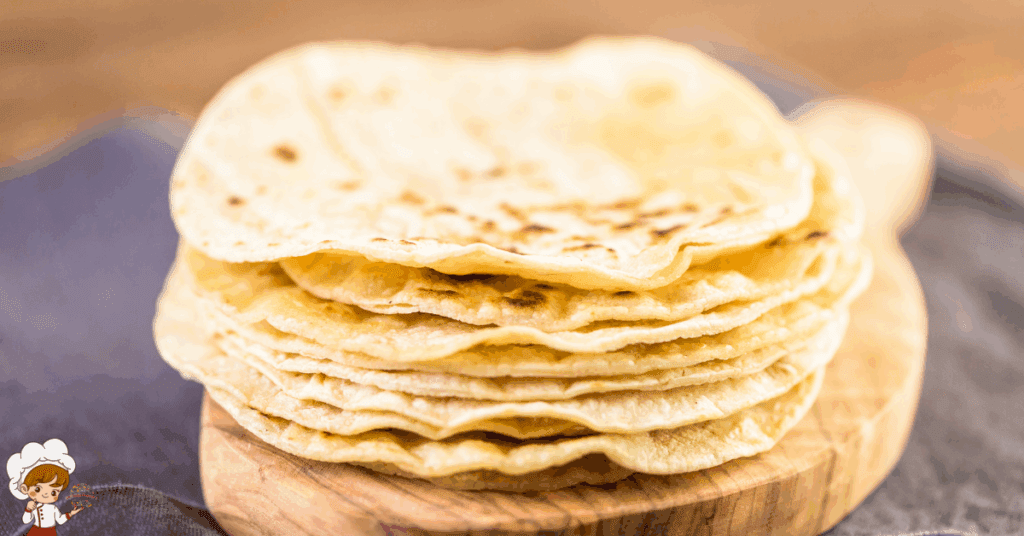
Origin of Homemade Flour Tortillas; The humble flour tortilla, soft and pliable, has long been a beloved staple in kitchens across the Americas and beyond. Whether it’s wrapped around a sizzling fajita, used as the foundation of a burrito, or simply enjoyed warm with a bit of butter, the flour tortilla holds a deeply rooted place in both daily meals and cultural identity. While corn tortillas are often celebrated for their ancient Mesoamerican heritage, flour tortillas carry their own fascinating story—one that spans continents, colonization, and centuries of culinary adaptation.
Homemade flour tortillas in particular capture a sense of warmth, comfort, and care. Making them by hand is not just a culinary act but a cultural one—a preservation of legacy passed down through generations. Their origins, tied to Spanish colonial influence and indigenous resilience, offer a compelling glimpse into the evolution of food, identity, and home cooking.
The Corn Connection: A Brief Contrast
Before exploring the origin of flour tortillas, it’s important to understand the foundation upon which they were built. Corn tortillas, derived from the ancient nixtamalization process, have been a dietary cornerstone in Mesoamerican civilizations for thousands of years. Corn, or maize, was the heart of daily life for the Aztecs, Maya, and other indigenous cultures, and the corn tortilla was the ultimate expression of that reliance.
Corn tortillas were widely consumed and deeply spiritual. Their preparation and consumption were rituals passed from mothers to daughters. When the Spanish arrived in the Americas in the 16th century, they encountered this corn-based food system, and though they initially rejected it, they soon learned its nutritional importance. However, they also brought with them their own preferences and ingredients—namely, wheat.
The Spanish Arrival and the Introduction of Wheat
The Spanish conquest brought about massive changes to indigenous culture and food systems. Along with European livestock and vegetables, the Spanish introduced wheat to the New World. Wheat flour was particularly important to the Catholic Church, as it was required for making communion wafers during Mass. As a result, colonists made efforts to cultivate wheat wherever possible.
While corn continued to dominate diets in southern and central Mexico, wheat thrived in the northern parts of the country, especially in the arid lands of Sonora, Chihuahua, and Coahuila. These areas became the epicenter for wheat-based cooking and gave rise to the flour tortilla—a fusion of Spanish grain and indigenous flatbread tradition.
Unlike the thin, unleavened wheat breads of Spain (like lavash or roti), the flour tortilla retained the round, flat shape of the corn tortilla but offered a lighter, more elastic texture. This adaptability and its ability to hold heartier fillings made it a fast favorite in the regions where wheat became more accessible than corn.
The Northern Mexican Roots of the Flour Tortilla
Northern Mexico holds the key to the flour tortilla’s development and rise in popularity. In regions like Sonora, where the terrain is less suited to corn and more favorable for wheat, local cooks began developing recipes that used what was available. These early tortillas were made with flour, lard, salt, and water—simple ingredients that, when combined, produced a soft, flexible bread perfect for scooping, wrapping, and pairing with meat-heavy dishes.
In many rural households, making flour tortillas became a daily ritual. Women would wake early to mix the dough (or masa), rest it, roll it out into thin discs, and cook them on a flat griddle or comal. These tortillas were larger and softer than corn tortillas, often used for wrapping grilled meats, beans, or cheese.
The tradition of homemade flour tortillas grew strong in these areas and eventually extended into the American Southwest, where Mexican communities continued to uphold their food heritage. Today, flour tortillas are a vital element of Northern Mexican cuisine and remain essential to popular dishes like burritos, quesadillas, and chimichangas.
Flour Tortillas in the American Southwest
The influence of flour tortillas expanded further during the 19th and early 20th centuries as migration and territorial changes brought Northern Mexican culinary traditions into what would become the United States. States such as Texas, New Mexico, Arizona, and California, once part of Mexico, became fertile ground for the fusion of Mexican and Anglo-American foodways.
Mexican-American families brought their recipes and traditions with them, including the cherished art of making flour tortillas by hand. These tortillas soon became integral to what is now known as Tex-Mex cuisine—a delicious blend of Mexican and American flavors. Unlike corn tortillas, which remained more common in the southern and central parts of Mexico, flour tortillas became synonymous with the borderlands and Mexican-American identity.
In this cultural fusion, flour tortillas often took on new sizes and uses. They were made larger to accommodate more filling and developed into the essential base for modern American-style burritos and wraps. Restaurants, food trucks, and diners quickly adopted them for their versatility and comfort-food appeal.
From Handmade Tradition to Mass Production
As with many traditional foods, the rise of commercial food production in the 20th century altered the landscape of tortilla making. By the mid-1900s, machines were developed to automate the pressing and cooking of flour tortillas. These factory-made versions became available in supermarkets across North America, making them accessible to households far removed from the Southwest or Mexico.
While store-bought flour tortillas provided convenience, they often lacked the soft, chewy texture and distinct flavor of their homemade counterparts. The use of preservatives, dough conditioners, and shelf-stable packaging meant they were functional but often less satisfying.
Despite this, the tradition of making flour tortillas by hand has never completely disappeared. In fact, recent decades have seen a renewed appreciation for handmade, small-batch tortillas. Artisans, food bloggers, chefs, and home cooks are once again embracing the simplicity and satisfaction of crafting flour tortillas from scratch, often using heirloom wheat or organic ingredients.
Flour Tortillas Around the World
Although firmly rooted in Northern Mexican and Southwestern American traditions, flour tortillas have transcended cultural and national boundaries. Today, they’re embraced worldwide for their versatility. From Middle Eastern-style wraps to global fusion street food, the flour tortilla has proven to be a universal canvas for creative cuisine.
Yet even as they appear in international recipes and fast-food menus, the soul of the flour tortilla remains in its homemade form. The act of kneading the dough, letting it rest, rolling out each circle by hand, and watching it puff and brown on a hot griddle continues to connect cooks with centuries of tradition and memory.

Homemade Flour Tortillas
Ingredients
- 2½ cups all-purpose flour
- 1 teaspoon salt
- 1 teaspoon baking powder
- ¼ cup lard shortening, or unsalted butter (room temperature)
- ¾ cup warm water plus a bit more, if needed
Instructions
- Mix the Dry Ingredients:
- In a large mixing bowl, whisk together the flour, salt, and baking powder until well combined.
- Add the Fat:
- Add the lard, shortening, or butter to the dry ingredients. Use your hands or a pastry cutter to work the fat into the flour until the mixture looks like coarse crumbs.
- Incorporate the Water:
- Slowly pour in the warm water, mixing with a spoon or your hands until a shaggy dough begins to form. If needed, add a tablespoon more water to help bring the dough together.
- Knead the Dough:
- Transfer the dough to a lightly floured surface and knead for about 4–5 minutes, or until the dough is smooth and elastic.
- Rest the Dough:
- Shape the dough into a ball and place it back into the bowl. Cover it with a clean kitchen towel or plastic wrap and let it rest for 30 minutes. This rest period allows the gluten to relax, making the tortillas easier to roll out.
- Divide and Shape:
- After resting, divide the dough into 10 equal portions and roll each piece into a ball. Keep the dough balls covered with a towel to prevent drying out.
- Roll the Tortillas:
- On a lightly floured surface, use a rolling pin to roll each dough ball into a thin circle, about 7–8 inches in diameter. Try to keep the thickness even, but it’s okay if they’re not perfectly round—homemade charm!
- Cook the Tortillas:
- Heat a dry skillet, griddle, or comal over medium-high heat. Cook each tortilla for about 30–45 seconds on the first side, until bubbles form and light brown spots appear. Flip and cook the second side for another 30–40 seconds. Adjust heat as needed to prevent burning.
- Keep Warm:
- As you finish each tortilla, place it in a clean towel and wrap to keep warm and soft. Continue with the remaining dough.
- Serve:
- Serve fresh and warm with your favorite tacos, burritos, wraps, or simply with butter. Store leftovers in an airtight container at room temperature for up to 2 days, in the refrigerator for up to a week, or freeze for up to 2 months.
Frequently Asked Questions: Origin of Homemade Flour Tortillas
What’s the difference between flour and corn tortillas?
Corn tortillas are made from masa harina and have a slightly firmer, chewier texture with a distinct corn flavor. Flour tortillas are softer, more pliable, and made from wheat flour, often with lard or shortening to enhance flexibility and richness.
Are flour tortillas traditional in all of Mexico?
No. Flour tortillas are most traditional in Northern Mexico, where wheat was more commonly grown. In Southern and Central Mexico, corn tortillas remain dominant and more culturally significant.
What kind of fat is best for flour tortillas?
Traditionally, lard was used, but many modern recipes use vegetable shortening, butter, or even oil. Lard gives the richest flavor and most authentic texture, but the choice often depends on dietary preferences.
Why do homemade flour tortillas taste better than store-bought?
Homemade flour tortillas lack preservatives and chemical conditioners found in many commercial versions. They are fresher, have better texture, and offer a richer flavor due to the use of real fats and minimal ingredients.
Can flour tortillas be made gluten-free?
Since flour tortillas are based on wheat, traditional recipes are not gluten-free. However, alternative flours (like a gluten-free blend or almond flour with binding agents) can be used to create a gluten-free version, though the texture will be slightly different.
Do I need a tortilla press to make flour tortillas?
No. While a tortilla press is commonly used for corn tortillas, flour tortillas are traditionally rolled out with a rolling pin. The dough is more elastic and doesn’t require pressing.
How long do homemade flour tortillas last?
They can be kept at room temperature in a sealed container for up to 2 days, refrigerated for up to a week, or frozen for up to 2 months. Reheat on a dry skillet to restore softness.
Why are my flour tortillas stiff or cracking?
This usually results from not using enough fat in the dough or overcooking them. Letting the dough rest, using adequate fat, and cooking on medium-high heat just until brown spots form will help maintain softness.

Conclusion: Flour Tortillas as a Symbol of Culinary Continuity
The story of the flour tortilla is one of adaptation, endurance, and cultural resilience. Born from the mingling of indigenous ingenuity and colonial influence, the flour tortilla emerged not as a replacement for the corn tortilla, but as a regional evolution—one that responded to environmental conditions, available resources, and the needs of everyday cooks.
Making flour tortillas at home is more than a kitchen task; it is an act of cultural preservation. Each tortilla tells a story of heritage, migration, family, and home. The simple ingredients—flour, water, fat, and salt—belie the depth of meaning behind every hand-rolled disc. These tortillas carry with them the legacy of Northern Mexico, the heart of Tex-Mex identity, and the ever-evolving narrative of comfort food.
As global cuisines continue to blend and diversify, the flour tortilla remains relevant, revered, and incredibly versatile. Whether folded around grilled vegetables, filled with spiced meats, or enjoyed with nothing more than a swipe of butter, the homemade flour tortilla is a timeless comfort. It invites us to connect with the past while creating something warm and nourishing for the present.
So, the next time you roll out a batch of homemade flour tortillas, know that you’re continuing a story that began centuries ago in a sunlit kitchen with a simple lump of dough—and that story is still being written today, one tortilla at a time.