Efficient Meal Prep Guide For Busy Professionals
Efficient Meal Prep Guide For Busy Professionals: Efficient meal prep is a game changer for busy professionals like you. It saves time, reduces stress, and helps you control your nutrition. Start by evaluating your weekly schedule and identifying peak days for meal prep. Set clear goals and choose balanced recipes that fit your dietary needs. Batch cook to maximize efficiency and use quality containers for easy storage. Don't forget to organize your ingredients and label meals to stay on track. With these strategies, you can enjoy healthy, delicious meals without the last-minute hassle. Keep going to discover more tips for streamlining your meal prep process!
Understanding Meal Prep Benefits
Click Here and Turn Every Masterpiece into a Showstopper!
Understanding the benefits of meal prep can transform your approach to eating during a busy week. By taking the time to prepare your meals in advance, you'll not only enjoy significant nutritional benefits but also gain control over what you eat. This dietary control helps you make healthier choices, promoting better health maintenance and supporting your overall well-being.
One of the standout advantages of meal prepping is cost savings. When you plan your meals, you can buy ingredients in bulk, reducing your grocery bills. Plus, having meals ready to go means you're less likely to splurge on takeout or unhealthy snacks, which can quickly add up.
Time management also plays a key role in your week. By dedicating a few hours to meal prep, you'll save precious time during hectic weekdays. Instead of scrambling to cook dinner after a long day, you can simply heat up a nutritious meal in minutes. This leads to stress reduction, as you're less likely to feel overwhelmed by what to eat.
Portion control becomes easier with meal prep, allowing you to manage your serving sizes and avoid overeating. This intentional approach contributes to lifestyle improvement, helping you align your eating habits with your health goals. Overall, embracing meal prep not only enhances your diet but also streamlines your weekly routine, making your busy life a little more manageable.
Assessing Your Weekly Schedule
To make meal prep work for you, start by identifying your peak workdays and the commitments that fill your schedule. Once you know when you're busiest, allocate specific time slots for meal prep to keep your week running smoothly. Planning around your commitments will help you stay organized and guarantee you always have healthy meals ready to go.
Identify Peak Workdays
Identifying your peak workdays is essential for effective meal prep, as it allows you to align your cooking efforts with your busiest hours. Take a close look at your weekly schedule and pinpoint which days demand the most from you. By recognizing these peak productivity days, you can better manage your time and reduce stress.
On your busiest days, consider how meal prep can support your work life balance. You'll want to focus on efficiency strategies that enhance your workflow. For example, if you know Wednesday is packed, plan to prepare meals on Sunday or Monday. This task prioritization not only conserves energy but also guarantees you have nutritious options ready, keeping you energized and focused.
Utilizing effective scheduling techniques helps you allocate time wisely. By preparing during your downtime, you optimize your workflow while minimizing the chaos of last-minute cooking. This proactive planning leads to stress reduction and allows you to maintain peak performance. Ultimately, aligning your meal prep with your peak workdays will enhance your overall productivity and promote a healthier lifestyle.
Allocate Meal Prep Time
Once you've pinpointed your peak workdays, the next step is to allocate specific time for meal prep in your weekly schedule. It's essential to find a balance that fits your lifestyle and guarantees you're not overwhelmed. Consider your meal prep frequency: will you be prepping meals for the entire week, or just a few days at a time? This decision will influence how much time you need to set aside.
Take a look at your commitments and identify windows where you can dedicate uninterrupted time to meal prep. Early mornings, weekends, or even quiet evenings can work well. Block out these periods in your calendar, treating them as non-negotiable appointments. This approach enhances your time management, allowing you to streamline your cooking process.
Don't forget to account for shopping time, too. If you're planning to prep for multiple days, make sure you have a grocery run scheduled that aligns with your meal prep time. By strategically allocating your time, you'll not only make meal prep more efficient, but you'll also enjoy healthier, home-cooked meals throughout your busy week.
Plan Around Commitments
Balancing a hectic schedule requires careful planning, especially when it comes to meal prep. Start by evaluating your weekly commitments, noting any social events or family gatherings that might disrupt your usual meal timing. This awareness allows you to create a flexible plan that accommodates your busy life.
Consider your family's dining preferences and dietary restrictions when planning meals. By involving family members in the process, you can guarantee everyone enjoys the meals while also promoting a sense of togetherness. Aim for meal variety to keep things interesting; think about incorporating different cuisines or cooking methods.
When you prepare your meals, focus on food storage to maximize freshness and prevent waste. Batch cooking can be a game-changer, allowing you to prepare larger portions that can be easily divided into containers for the week. This approach not only saves time but also guarantees you have healthy options readily available, even on your busiest days.
Setting Clear Meal Prep Goals
Setting clear meal prep goals is essential for making your culinary efforts more effective and efficient. Without a clear direction, you might find yourself wandering aimlessly in the kitchen, wasting time and resources. Start by adopting a meal prep mindset, which focuses on planning and prioritizing your meals in alignment with your lifestyle. Think about what you want to achieve: Do you need to save time during the week? Are you aiming to eat healthier? Define your objectives clearly.
Once you've pinpointed your goals, break them down into manageable tasks. For instance, if your aim is to eat fewer processed foods, your goal could be to prepare fresh ingredients for at least three meals each week. This kind of goal setting helps you stay focused and accountable. You might also consider setting a timeframe for your meal prep, such as dedicating Sunday afternoons to cooking and portioning meals.
Don't forget to assess your progress regularly. Evaluate what worked and what didn't, and adjust your goals as needed. Maybe you discover that cooking larger batches saves you even more time than you anticipated. By continually refining your goals, you'll maintain a productive meal prep routine that fits your busy lifestyle.
Creating a Balanced Menu
Creating a balanced menu is crucial for ensuring you meet your nutritional needs while enjoying a variety of flavors throughout the week. To achieve nutritional balance, focus on incorporating meal diversity by including proteins, whole grains, healthy fats, and plenty of fruits and vegetables. This variety not only enhances flavor but also provides the essential nutrients your body craves.
Consider portion control when planning your meals. Using measuring tools or visual cues can help you avoid overeating while still enjoying satisfying portions. Embrace seasonal ingredients; they're often fresher, more flavorful, and cost-effective. Plus, they can inspire you to explore different cultural cuisines, which adds exciting new tastes to your menu.
Flavor enhancement is crucial for keeping meals enjoyable. Experiment with various cooking techniques, such as roasting, grilling, or sautéing, to bring out the best in your ingredients. Don't shy away from herbs and spices; they can elevate your dishes and introduce new flavor profiles.
When it comes to ingredient sourcing, prioritize quality over quantity. By selecting high-quality, fresh ingredients, you can create meals that not only look great but also nourish your body. Finally, think about meal aesthetics. Presenting your food in a visually appealing manner can enhance your dining experience, making each meal feel like a special occasion.
Choosing Recipes Wisely
Choosing the right recipes is essential for successful meal prep, especially when you're short on time. Start by considering seasonal ingredients; they're not only fresher and more flavorful but also often cheaper. Pay attention to your dietary preferences and those of anyone else you're cooking for. Whether you're vegetarian, gluten-free, or following another specific diet, guaranteeing everyone's needs are met can make meal prep smoother.
Next, think about your cooking styles. Do you prefer quick stovetop meals, slow cooker recipes, or oven-baked options? When you align recipes with your preferred cooking methods, you'll save time and reduce stress. Also, keep portion sizes in mind. Recipes that yield multiple servings can help you avoid cooking every day and minimize food waste.
To maintain meal variety, embrace different flavor profiles throughout the week. Mixing up cuisines—from Italian to Mexican—can keep your taste buds excited. Implement a recipe rotation to guarantee you're not eating the same dishes too often.
Essential Meal Prep Tools
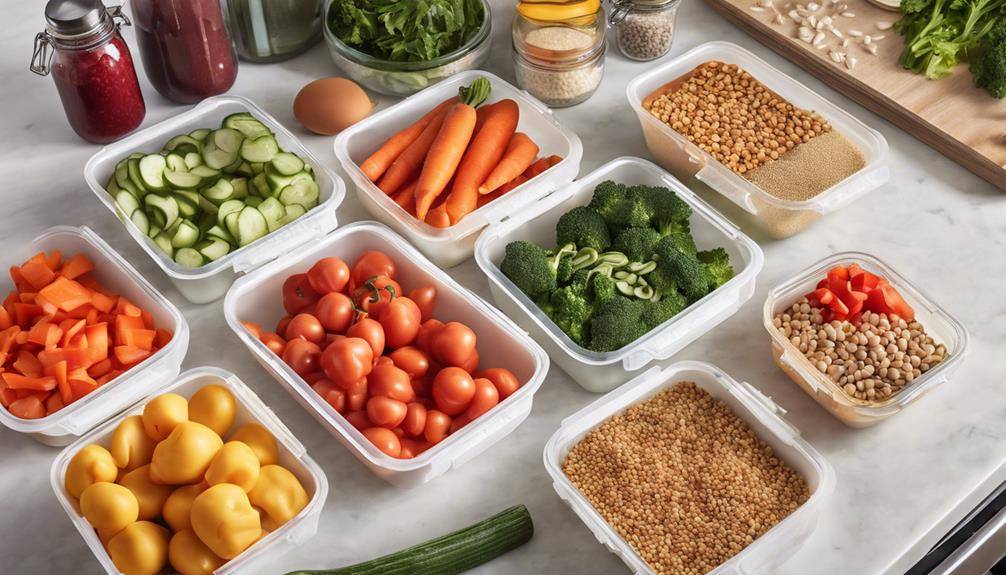
While you might think meal prep only requires a few basic utensils, having the right tools can considerably streamline the process and make your time in the kitchen more efficient. First, invest in high-quality meal prep containers. These are essential for storing your healthy ingredients while helping with portion control. Look for stackable, microwave-safe options that seal tightly to keep your meals fresh.
Next, consider incorporating kitchen gadgets that simplify your tasks. A food scale is invaluable for measuring ingredients accurately, ensuring you stick to your meal planning goals. Meal planning apps can help you organize recipes and track your meals, making it easier to stay on top of your prep schedule.
Don't underestimate the power of a recipe journal. Jotting down your favorite meals can inspire you to try new combinations and keep your meal prep exciting. Additionally, meal prep planners can help you outline your week, making it simpler to decide which dishes to prepare.
When it comes to cooking utensils, choose a set that includes essentials like knives, measuring cups, and spatulas. Freezer bags are also a must-have for preserving prepared meals or ingredients, allowing you to save time later in the week. By equipping yourself with these essential tools, you'll transform your kitchen experience, making meal prep not just efficient, but also enjoyable.
Grocery Shopping Strategies
To make grocery shopping more efficient, you should start by planning your weekly menus. This way, you'll know exactly what to buy instead of wandering aimlessly through the store. Additionally, consider buying in bulk to save both time and money on the essentials.
Plan Weekly Menus
When it comes to planning weekly menus, a thoughtful approach to grocery shopping can save you time and stress. Start by considering menu diversity to keep things exciting throughout the week. Incorporate seasonal ingredients for freshness and flavor, and explore cultural cuisines to introduce new taste profiles. This not only enhances your meals but also broadens your culinary skills.
Keep in mind any dietary restrictions and taste preferences in your household. This guarantees everyone enjoys the meals you prepare. Plan quick recipes that fit into your busy schedule while maintaining nutritional balance. Aim for meal variety by rotating proteins, grains, and vegetables, which helps with portion control and keeps meals interesting.
Create a shopping list based on your menu. This prevents impulse buys and helps you stick to your plan. Finally, consider prepping ingredients in advance to streamline your cooking process. With a well-thought-out menu, you'll enjoy delicious meals that cater to everyone's needs, making your weekly grocery shopping not just a task, but a pathway to healthier, enjoyable eating.
Buy in Bulk
Taking your meal prep to the next level often means optimizing your grocery shopping strategies, and buying in bulk can be a game changer. When you purchase larger quantities of staples like rice, beans, or frozen vegetables, you reap significant bulk purchasing benefits. Not only do you save money over time, but you also reduce the frequency of your shopping trips, which is a huge plus for busy professionals like you.
To make the most of your bulk buys, it's crucial to have effective bulk storage solutions in place. Invest in airtight containers and vacuum sealers to keep your ingredients fresh and minimize waste. Label your items with dates to track freshness and confirm you're using them in a timely manner.
Moreover, buying in bulk allows you to experiment with new recipes and ingredients without the fear of running out. You can prepare larger portions, freeze leftovers, and create quick meals throughout the week. Embracing bulk purchasing isn't just a smart financial decision; it's also a way to streamline your meal prep process and maintain a healthy diet amidst your busy lifestyle.
Efficient Batch Cooking Techniques
While juggling a busy schedule, mastering efficient batch cooking techniques can transform your meal prep routine and save you valuable time during the week. One of the best ways to start is by embracing freezer meals. Prepare large quantities of your favorite dishes, portion them out, and freeze them for quick access later. This approach guarantees you always have a nutritious meal ready to go, reducing the temptation to order takeout.
One pot recipes are another fantastic option. They minimize cleanup and maximize flavor, allowing you to cook a variety of ingredients in one go. By using a slow cooker, you can set it and forget it, letting the flavors meld together while you focus on your day.
Effective meal planning is key; dedicate a few minutes each week to outline your meals. This not only helps with grocery shopping but also streamlines your ingredient prep. Use kitchen hacks to chop and store vegetables ahead of time, making your cooking process smoother.
Don't forget about flavor infusions! You can marinate proteins or season grains in advance, enhancing taste without extra effort on busy nights. Practicing portion control during batch cooking helps prevent overeating and allows for balanced meals throughout the week.
Click Here and Turn Every Masterpiece into a Showstopper!
Smart Storage Solutions
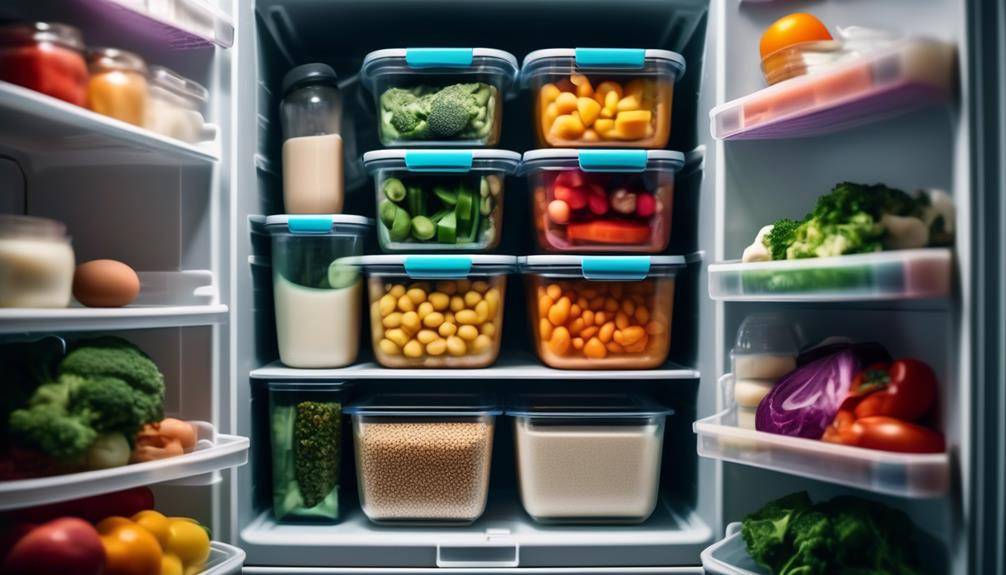
Maximizing your kitchen space with smart storage solutions can greatly enhance your meal prep efficiency. By choosing the right storage options, you'll save time and reduce food waste while keeping your meals fresh and organized. Start by investing in smart container options. Look for stackable, airtight containers that come in various sizes. These will not only keep your food fresh but also make it easier to fit everything neatly in your fridge and cabinets.
For ideal fridge organization, consider using clear containers. They allow you to quickly spot what you need without rummaging through everything. Group similar items together—like snacks, sauces, or leftovers—so you can find them easily. A lazy Susan can also be a game changer in your fridge, helping you access those hard-to-reach items without a hassle.
Don't forget about vertical storage! Use shelf risers or tiered racks in your cabinets to maximize space and keep everything visible. Magnetic containers can also be attached to your fridge door for small items like spices or condiments, freeing up shelf space for larger items.
Lastly, remember to keep your most-used items at eye level. This way, you won't have to dig through your storage just to get to the essentials. By implementing these smart storage solutions, you'll create a more functional kitchen environment that supports your meal prep efforts and fits seamlessly into your busy lifestyle.
Labeling and Organizing Meals
To make meal prep easier, effective labeling techniques are essential for keeping your meals organized. You'll want to clearly mark each container with the dish name and date to avoid any confusion. Combining these labels with smart storage solutions will streamline your routine and save you time during the week.
Effective Labeling Techniques
When it comes to meal prep, having a solid labeling system can make all the difference in keeping your meals organized and easily accessible. Start by utilizing color coding to categorize different meal types—green for veggies, red for proteins, and yellow for carbs. This visual reminder speeds up your decision-making during busy weekdays.
Incorporate date labeling to track freshness; knowing when meals were prepared helps prevent waste. Be mindful of portion sizes as you label, noting how many servings each container holds. This helps you plan meals around your schedule and avoid overeating.
Ingredient tags are essential for anyone with dietary restrictions or preferences. Include key components for each meal, making it easier for family members to choose what works for them. Don't forget about freezer labels! These keep your frozen meals identifiable and organized, saving you time when you need to thaw something quickly.
Lastly, involve your family in the labeling process. This not only makes it fun but also guarantees everyone knows what's available, promoting healthier choices. With these effective labeling techniques, you'll streamline your meal prep and simplify your busy life.
Smart Storage Solutions
Efficient meal storage is essential for maintaining organization and freshness in your kitchen. Start by choosing the right container types, like glass or BPA-free plastic, which are perfect for ingredient preservation. Utilize reusable containers to reduce waste while securing your meals. For portion control, opt for smaller containers that help you manage serving sizes and encourage meal variety throughout the week.
In your fridge organization, keep similar meals together and use clear labels to identify contents and dates. This not only promotes food safety but also guarantees you consume items before they spoil. For freezer storage, utilize stackable containers to maximize space optimization and prevent freezer burn. You can even pre-portion your meals into individual servings for quick access on busy days.
Don't forget about pantry essentials! Store dry goods in airtight containers to maintain freshness and keep your pantry tidy. Regularly check your supplies to avoid clutter and confirm you have your go-to ingredients on hand. By implementing these smart storage solutions, you'll streamline your meal prep process and enjoy a more organized kitchen.
Quick Snack Ideas
Snacking can be a delightful way to refuel during a hectic day, but busy professionals often struggle to find options that are both quick and nutritious. Fortunately, there are plenty of healthy snacks that fit the bill. Start with portable options like individual nut packs or Greek yogurt cups. These protein-packed bites not only satisfy hunger but also provide energy boosters to keep you going.
For sweet alternatives, consider air-popped popcorn drizzled with a little honey or a handful of dried fruit. These low-calorie treats can curb your cravings without sabotaging your diet. If you prefer savory choices, try hummus with carrot sticks or whole-grain crackers. These no-cook snacks are easy to prepare in advance, making them perfect meal prep snacks.
You might also want to whip up some quick prep energy bars. Combine oats, nut butter, and a bit of honey, then refrigerate and cut them into bars for a grab-and-go snack. Another great option is hard-boiled eggs; they're protein-packed and can be prepped in bulk for the week.
Whether you're at your desk or on the move, these snack ideas will keep you satisfied and energized. By incorporating these quick and nutritious options into your routine, you'll find it easier to maintain your focus and productivity throughout the day. So, stock up and snack smart!
Time-Saving Cooking Tips
Busy professionals often find themselves racing against the clock, making time-saving cooking tips essential for maintaining a healthy diet. To simplify your meal prep, focus on quick meals and one pot recipes. These dishes not only save time but also minimize cleanup, allowing you to enjoy more of your evening.
Using a slow cooker can be a game-changer. Just toss in your ingredients in the morning, and by dinner, you'll have a delicious meal waiting for you. Consider making freezer meals, which let you batch cook and store portions for later. This way, you always have healthy snacks on hand, preventing you from reaching for processed options.
To streamline your cooking process, use meal prep hacks like ingredient prep. Chop veggies in advance and store them in the fridge, so they're ready to go when you need them. Create a grocery list based on easy breakfasts and lunch ideas, ensuring you stick to your time management goals.
Don't underestimate the power of cooking shortcuts, like pre-cooked grains or canned beans, which can boost nutrient density without additional cooking time. Utilize shopping apps to keep your grocery list organized and quickly access your favorite recipes for meal prep inspiration.
Adapting Recipes for Variety
To keep your meal prep exciting, try swapping out ingredients to suit your taste or what you have on hand. Experimenting with different cooking methods can also transform a familiar dish into something new. Let's explore how these simple changes can add variety to your meals.
Ingredient Swaps for Flexibility
When you're meal prepping, having a few ingredient swaps in your back pocket can make all the difference. Ingredient substitutions allow you to adapt recipes based on your pantry staples, ensuring you never feel stuck. For instance, if a recipe calls for chicken, try chickpeas for a plant-based option that caters to dietary preferences.
Seasonal produce not only boosts freshness but also offers budget-friendly options. Instead of zucchini, swap in summer squash when it's in season. You can also enhance flavors with spices and herbs, providing flavor enhancements that keep your meals exciting.
Texture variations can elevate your dishes too; consider substituting quinoa for rice to add a nutty crunch. Cultural influences can inspire your swaps—use soy sauce instead of salt for an Asian twist.
Cooking Methods Exploration
Exploring different cooking methods can transform your meal prep game, adding variety and excitement to your dishes. If you're tired of the same meals, consider incorporating slow cooking into your routine. It allows you to set it and forget it, turning tough cuts of meat into tender delights. For quick, healthy sides, you can try steaming vegetables, which preserves their nutrients and colors.
One pan meals are a busy professional's dream. Think sheet pan dinners where you roast proteins and veggies together, maximizing flavor with minimal cleanup. If you're short on time, pressure cooking can drastically cut down your cooking duration, making it perfect for meal prepping.
Sous vide offers precision cooking, ensuring your proteins are cooked perfectly every time. Don't forget about microwave hacks; they can quickly reheat leftovers or steam veggies when you're in a rush. Stir frying is another fantastic option, allowing you to whip up a flavorful dinner in just minutes.
Lastly, don't underestimate freezer meals. Preparing and freezing portions can save time on hectic weekdays while ensuring you have delicious options ready to go. Embrace these methods, and watch your meal prep transform!
Staying Motivated and Consistent
Staying motivated and consistent in meal prep can be challenging, especially for busy professionals juggling multiple responsibilities. To maintain your meal prep motivation, it helps to establish clear, achievable goals. Break down your meal prep tasks into smaller steps, and track your progress. Goal tracking not only gives you a sense of accomplishment, but it also reinforces positive behavior.
Consider using visual reminders to keep your meal prep plans front and center. Create a colorful calendar or a checklist you can place on your fridge. These visual cues can serve as gentle nudges towards sticking to your routine. Pairing up with accountability partners can further enhance your consistency strategies. Share your meal prep goals with a friend or colleague, and check in with each other regularly. This mutual support can make a significant difference in staying on track.
Implementing a reward system can also boost your motivation. Treat yourself to something enjoyable after successfully completing a week of meal prep, whether it's a favorite snack or a night out. Positive reinforcement fosters a healthy relationship with your meal prep routine and helps reduce stress.
Troubleshooting Common Challenges
Meal prep can present a variety of challenges, but with the right strategies, you can easily overcome them. One common issue is making meal prep mistakes, like choosing recipes that require too many ingredients or complicated steps. To avoid this, focus on simple recipes that use similar ingredients. This not only saves you time but also minimizes waste.
Another challenge is feeling overwhelmed by the process. To tackle this, break your prep into manageable tasks. Set aside a specific day each week for grocery shopping and another for cooking. Use a timer to keep yourself on track, making the experience less intimidating and more enjoyable.
Storage can also be tricky. If you find that your meals often get soggy or lose flavor, invest in high-quality airtight containers. These will help maintain freshness and make your meals more appealing.
If you're struggling with inspiration, keep a rotation of go-to meals that you love. This will help alleviate decision fatigue and streamline your prep.
Lastly, remember that meal prep can be an effective tool for stress management. When you're organized and prepared, you'll find less last-minute scrambling to figure out dinner. This can lead to a more relaxed week. Embrace the process, learn from your meal prep mistakes, and adjust your strategies as needed. With a little patience and practice, you'll find meal prep becoming a seamless part of your busy life.
Click Here and Turn Every Masterpiece into a Showstopper!
Frequently Asked Questions: Efficient Meal Prep Guide For Busy Professionals
How Do I Handle Food Allergies During Meal Prep?
When you handle food allergies during meal prep, prioritize allergy swaps for safe ingredients. Always label your meals and use safe storage practices to prevent cross-contamination, ensuring your meals remain safe and enjoyable for you.
Can I Meal Prep for Special Dietary Needs?
Absolutely, you can meal prep for special dietary needs! Tailor your meal prep strategies to accommodate dietary restrictions by selecting suitable ingredients, planning balanced meals, and ensuring cross-contamination doesn't occur during preparation or storage.
What Are Some Meal Prep Ideas for Kids?
When you're meal prepping for kids, focus on kid-friendly recipes like mini pizzas and veggie wraps. Don't forget to include fun lunchbox snacks, such as fruit skewers and yogurt parfaits, to keep them excited!
How Do I Prevent Food Waste When Meal Prepping?
To prevent food waste when meal prepping, you should practice portion control and store ingredients properly. Use airtight containers and label them, ensuring you utilize older items first while keeping track of expiration dates.
Is Meal Prepping Cost-Effective Compared to Dining Out?
Meal prepping's often more cost-effective than dining out. You'll see significant meal prep savings as you reduce dining out expenses. By planning meals, you control ingredients and portions, ultimately saving money over time.

Conclusion
By following this efficient meal prep guide, you can transform your busy week into a more organized and stress-free experience. Embrace the benefits of planning ahead, and you'll enjoy delicious, nutritious meals without the daily hassle. Remember to assess your schedule, set achievable goals, and keep your menu varied to stay motivated. With a little practice, you'll overcome any challenges and make meal prep a seamless part of your routine. Happy prepping!