Nine Delicious Recipes For A Low Glycemic Index Diet
Recipes For A Low Glycemic Index Diet: You're in for a treat with these nine delicious recipes for a low glycemic index diet! Start your day with nutritious smoothie bowls or overnight oats packed with low GI fruits, nuts, and seeds. For lunch, try Mediterranean wraps or a invigorating quinoa salad loaded with veggies. Snack smart with apple slices and almond butter or energy bites made in advance. Dinner can include chickpea curry or flavorful lentil soup. Don't forget satisfying desserts like almond flour cookies or chia seed pudding. These options will make sticking to your diet enjoyable, and there's plenty more to explore!
Benefits of a Low GI Diet
Click Here and Turn Every Masterpiece into a Showstopper!
A low glycemic index (GI) diet can greatly improve your overall health and well-being. By focusing on foods that have a lower impact on blood sugar levels, you can enhance your weight management efforts while promoting better heart health. This approach helps you maintain stable energy levels throughout the day, preventing those dreaded crashes that come from consuming high-GI foods.
One of the primary benefits of a low GI diet is its effectiveness in diabetic control. When your blood sugar levels remain stable, it reduces the risk of spikes and crashes, making it easier to manage diabetes. Additionally, a low GI diet emphasizes nutrient density, which means you're eating foods packed with vitamins, minerals, and antioxidants, supporting your digestive health and overall liveliness.
Sustainable eating is another key aspect of this lifestyle. By choosing whole, unprocessed foods, you're not only benefiting your health, but you're also making environmentally friendly choices. Moreover, this diet can help with inflammation reduction, which is essential in preventing chronic diseases and promoting longevity benefits.
Incorporating low GI foods into your meals can be a game-changer. It encourages you to savor nutrient-rich options that nourish your body and mind. As you embrace this dietary shift, you'll likely notice improvements in your mood, energy, and overall quality of life. A low GI diet isn't just about food; it's a pathway to a healthier, more vibrant you.
Breakfast Recipes
When it comes to breakfast, you want options that keep your energy steady and your taste buds happy. Nutritious smoothie bowls and creative overnight oats variations are perfect low glycemic index choices. Let's explore how you can whip up these delicious and healthy meals to kickstart your day!
Nutritious Smoothie Bowls
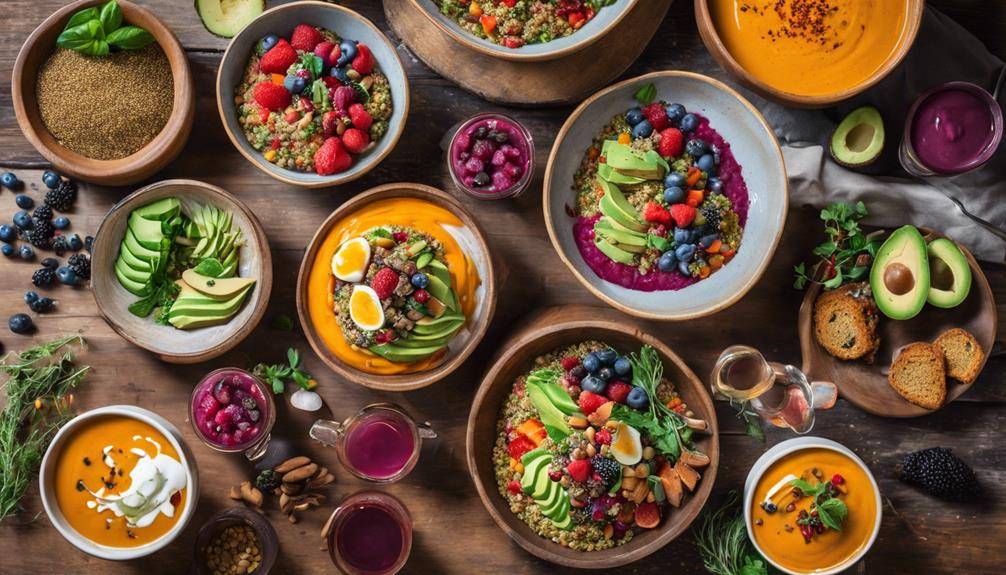
Packed with vibrant flavors and essential nutrients, nutritious smoothie bowls make for an energizing breakfast option that's both satisfying and healthy. You can easily customize your smoothie base with low glycemic index fruits like berries, spinach, or avocado. Simply blend your chosen ingredients with a base of unsweetened almond milk or coconut water, and you're ready to go!
To achieve the perfect consistency, use the right blending techniques. Start with the liquid, followed by softer ingredients, and top it off with frozen fruits for that thick, creamy texture you crave. Once you've created your smoothie base, it's time to get creative with your smoothie toppings. Sprinkle on some chia seeds, sliced almonds, or a handful of fresh berries to add crunch and extra nutrients.
You can also drizzle a bit of nut butter for healthy fats or a dollop of Greek yogurt for protein. With endless possibilities, your smoothie bowl can be a delightful and nutritious start to your day, keeping your energy levels steady and your cravings at bay. So grab your blender and let the deliciousness begin!
Overnight Oats Variations
Overnight oats are a fantastic way to jump-start your morning with minimal effort. You can customize your oats in countless ways, making them both delicious and nutritious. Start with rolled oats and your choice of dairy alternatives, like almond or coconut milk.
For flavor infusions, consider adding vanilla extract or a splash of maple syrup. Mix in nut butter for creaminess and protein—almond or peanut butter works great. Then, choose your favorite fruit combinations; berries, bananas, or chopped apples add natural sweetness and fiber.
Don't forget about spice variations! Cinnamon, nutmeg, or even a dash of cocoa powder can elevate your oats. For added crunch, include texture enhancements like chia seeds, nuts, or granola.
Smoothie Ideas
When it comes to smoothies, you can create delicious blends using nutritious ingredient combinations that keep your blood sugar stable. Instead of sugar, try sweetening with natural alternatives like stevia or monk fruit for a healthier option. Plus, adding protein sources like Greek yogurt or nut butter can help you feel fuller longer.
Nutritious Ingredient Combinations
Creating delicious low glycemic index smoothies is easier than you might think. By focusing on nutrient density, you can pack your smoothies with ingredients that offer both flavor balance and health benefits. Start with a base of leafy greens like spinach or kale for their vibrant color combinations and rich nutrients. Then, incorporate seasonal ingredients such as berries or melons for freshness factors that elevate taste and nutrition.
Experiment with food pairing by adding a healthy fat, like avocado or nut butter, to enhance textural contrast and keep you satisfied longer. You can also include a protein source, such as Greek yogurt or plant-based protein powder, to create a balanced meal variety.
Utilize different preparation methods like blending or even light steaming (for certain veggies) to maximize nutrient absorption. Don't shy away from exploring unique cooking techniques, like roasting fruits to concentrate their flavors, which can add depth to your smoothie. Remember, the key is to create combinations that not only taste great but also nourish your body, ensuring you enjoy every sip while maintaining your low glycemic index goals.
Sweetening Alternatives to Sugar
If you're looking to sweeten your smoothies without traditional sugar, there are several delicious alternatives that can enhance flavor while keeping your glycemic index low. Natural sweeteners like stevia and monk fruit offer great sugar substitutes, providing sweetness without the high glycemic impact. When using these options, remember to adjust your sweetening ratios; a little goes a long way!
You can also experiment with ripe bananas or dates for a more natural sweetness that adds unique flavor profiles to your smoothies. These fruits not only sweeten but also lend health benefits such as fiber and essential nutrients. Recipe adaptations using these ingredients can lead to delightful concoctions that please your palate.
For those who enjoy culinary applications, consider using sugar-free syrups or erythritol as a sweetener. They can be easily sourced online or at local health food stores. Keep in mind some baking tips for incorporating these substitutes if you're blending smoothies with a twist, like adding a scoop of low-glycemic granola or nut butter.
With these sweetening alternatives, you'll be on your way to crafting delicious, health-conscious smoothies!
Boosting Protein Content
To boost the protein content in your smoothies, consider adding ingredients that pack a nutritional punch. Start with protein powders like whey, pea, or hemp, which are excellent protein sources. You can easily mix these into your smoothie for a quick protein boost. For a more natural approach, incorporate legumes; chickpeas and lentils not only enhance texture but also offer significant legumes benefits.
Don't overlook dairy alternatives like almond milk or soy milk, which can contribute to your protein intake while keeping it low glycemic. Nut varieties, such as almond butter or peanut butter, are fantastic additions too. They provide healthy fats and additional protein, making them perfect for snack ideas or meal combinations.
For recipe enhancements, consider adding Greek yogurt, which is richer in protein than regular yogurt. To elevate flavor pairings, blend in spinach or kale; they add nutrients without overpowering your smoothie. Finally, experimenting with different cooking methods, like roasting nuts or toasting seeds, can intensify their flavor and nutritional value. With these tips, you'll create delicious, protein-packed smoothies that support your low glycemic index diet!
Healthy Snack Options
Snacking can be a delicious way to fuel your day while keeping your blood sugar in check. To make the most of your snacks, focus on snack timing and meal frequency. Aim for smaller, frequent snacks that help maintain energy levels without spiking your blood sugar. Portion control is key—keep your servings in check to avoid overeating.
Opt for snacks that boast high nutrient density. Think of flavor combinations that excite your palate, like apple slices with almond butter or Greek yogurt topped with berries. These options provide healthy fats and protein, helping you feel satisfied longer. Texture variety also enhances your snacking experience. Try crunchy veggies with hummus or a handful of mixed nuts for that satisfying crunch.
For convenience snacks, prepare easy recipes ahead of time. You can whip up energy bites using oats, nut butter, and a sprinkle of chia seeds, or create veggie packs with your favorite dips. Embracing mindful eating allows you to savor each bite, making your snack time more enjoyable.
Don't forget to incorporate healthy fats into your snacking routine. Avocado toast on whole-grain bread or a small portion of dark chocolate can satisfy cravings while providing essential nutrients. By prioritizing these healthy snack options, you can indulge in delicious flavors while supporting your overall health and maintaining stable blood sugar levels.
Lunch Recipes
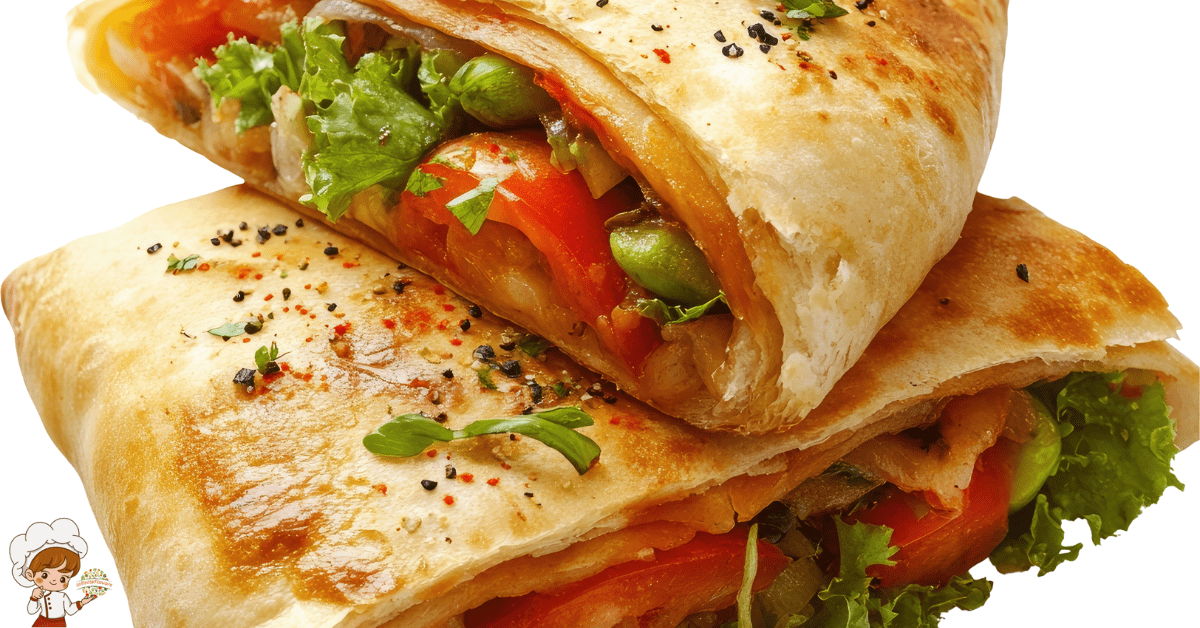
Lunch is a great opportunity to refuel your body with nutritious, low glycemic index options that keep your energy levels steady. Start your midday meal with Mediterranean Wraps, filled with hummus, fresh veggies, and lean protein. They're easy to prepare and bursting with flavor. If you're in the mood for something light, a Quinoa Salad with cherry tomatoes, cucumbers, and a drizzle of olive oil is invigorating and satisfying.
For a warm and hearty option, Lentil Soup is perfect—rich in fiber and protein, it'll keep you full longer. If you want something a bit more exotic, try Chickpea Curry served over Cauliflower Rice. The spices will elevate your taste buds while keeping things low GI.
Stuffed Peppers are another excellent choice; fill them with brown rice, black beans, and spices for a nutritious twist. If you're craving pasta, Zucchini Noodles topped with a homemade marinara sauce can satisfy that craving without the high glycemic load.
A quick Veggie Stir Fry with a variety of colorful vegetables tossed in a light soy sauce can be both vibrant and fulfilling. Alternatively, Sweet Potato Tacos, filled with beans and avocado, offer a delicious balance of flavors. Finally, don't forget about a Spinach Frittata. It's a fantastic way to incorporate greens into your lunch and can be made ahead for convenience. Each of these options not only tastes great but also supports your low glycemic index goals. Enjoy!
Dinner Ideas
When it comes to dinner, you want meals that are both satisfying and healthy. You can choose from flavorful protein options, wholesome grains, and colorful vegetable dishes to create a balanced plate. Let's explore some delicious combinations that keep your glycemic index in check while tantalizing your taste buds.
Flavorful Protein Options
Savoring a delicious dinner doesn't have to compromise your health, especially when it comes to protein options. You can enjoy a variety of lean meats, plant proteins, and seafood options that not only taste great but also keep your glycemic index in check. Incorporating legumes into your meals offers numerous benefits, such as being rich in fiber and essential nutrients.
When you're planning your dinner, think about diverse protein sources. You might try grilled chicken marinated in herbs, or a flavorful shrimp stir-fry with colorful veggies. Consider the cooking methods you use, like baking or steaming, to enhance the flavors while keeping the dishes healthy.
Experiment with marinade ideas that incorporate low-sodium soy sauce, garlic, and citrus for added zest. Remember to focus on protein balance by including a mix of different proteins—whether it's a hearty bean salad or a portion of fish. Portion control is key, too; aim for a serving size that satisfies without overindulging. With the right flavor pairings and cooking techniques, you can create delightful, nutritious dinners that support your low glycemic index lifestyle.
Wholesome Grain Choices
Incorporating wholesome grains into your dinner can elevate both flavor and nutrition. Start with quinoa, known for its protein content and numerous quinoa benefits, making it a great base for hearty salads or bowls. If you're looking for something chewy, try barley recipes that can be paired with vegetables or used in soups. Whole wheat pasta also offers a satisfying option, providing fiber and nutrients.
For a nutty twist, consider spelt alternatives, which can be used in risottos or baked dishes. Brown rice is a classic choice that complements stir-fries beautifully, while farro dishes deliver a delightful texture and earthy flavor. Millet uses extend beyond simple side dishes; you can make it into a creamy porridge or savory pilaf.
Don't forget about oats benefits—they can easily be transformed into savory oat bowls topped with veggies and proteins. For a gluten-free option, explore buckwheat options, which work well in pancakes or as a grain side. Finally, amaranth recipes can add a unique twist to your meals, offering a rich source of protein and minerals. Embrace these wholesome grains for a nutritious and delicious dinner!
Colorful Vegetable Dishes
There's no denying that colorful vegetable dishes can transform your dinner plate into a vibrant feast. You can start with a colorful vegetable stir fry, packed with your favorite veggies like bell peppers, snap peas, and carrots. If you prefer something roasted, a roasted vegetable medley featuring seasonal vegetables will bring out their natural sweetness.
Vibrant salad bowls can also be a great option—mix greens with cherry tomatoes, cucumbers, and avocados for a revitalizing crunch. For a heartier choice, try a sautéed vegetable mix with zucchini noodles instead of pasta, topped with a light sauce.
Vegetable kebabs are perfect for grilling, allowing you to enjoy a variety of flavors in each skewer. Stuffed bell peppers filled with quinoa and spices make for a filling meal, while vegetable ratatouille offers a rustic French twist.
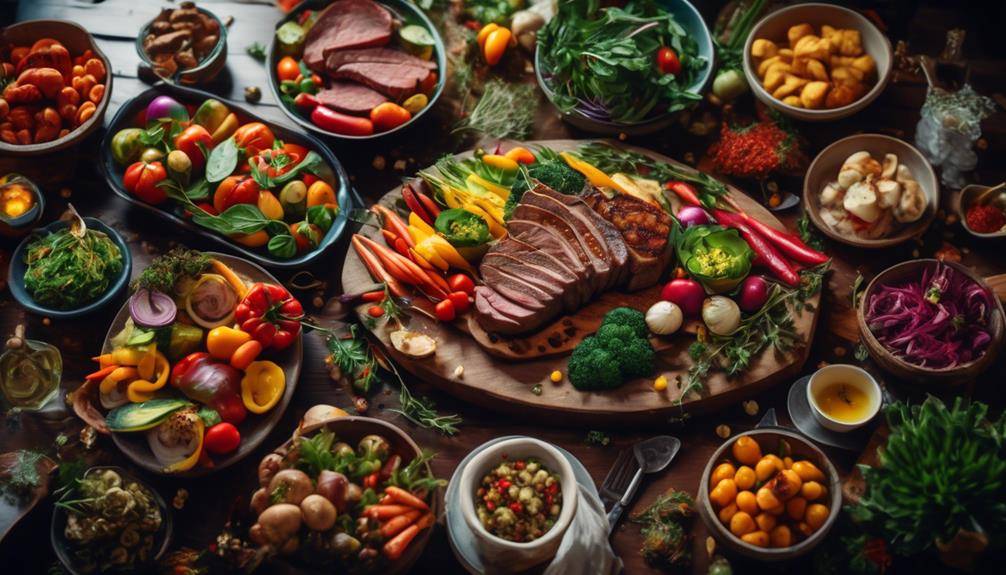
Don't forget about a grilled vegetable platter for those summer nights. Each dish not only looks appealing but also supports your low glycemic index diet. With these colorful creations, you'll have no trouble making dinner both nutritious and delicious!
Side Dishes
When it comes to low glycemic index recipes, side dishes can play an essential role in balancing your meals. You want to pair your main courses with options that not only taste great but also keep your blood sugar stable. Start with a colorful quinoa salad, packed with fresh veggies and a light dressing. This dish complements any protein while adding a nutritious boost.
Roasted vegetables are another fantastic choice. Toss your favorites—like bell peppers, zucchini, and carrots—with olive oil and herbs, then roast until tender. They're delicious and bring a variety of vitamins to your plate. If you're looking for a low-carb alternative, try cauliflower rice or zucchini noodles. Both can easily replace traditional grains and pasta, providing a satisfying texture without the high glycemic load.
For something hearty, pair your meal with a lentil stew or chickpea curry. These legume-based dishes are protein-rich and filling, making them perfect companions for grilled meats or fish. If you're craving something crispy, sweet potato fries are a healthier alternative to regular fries and offer a natural sweetness.
Don't forget about green bean almondine, which adds a nice crunch, or a vegetable stir fry, bursting with flavors. For a unique dip, serve beet hummus with raw veggies. Each of these side dishes enhances your meals while keeping your glycemic index in check. Enjoy experimenting with these options for a balanced, satisfying dining experience!
Click Here and Turn Every Masterpiece into a Showstopper!
Dessert Recipes
Delicious low glycemic index desserts can satisfy your sweet tooth without compromising your health. By choosing healthy desserts, you can enjoy guilt-free sweets that won't spike your blood sugar. Start with low GI treats like almond flour cookies or coconut flour brownies, which offer satisfying flavors while being lower in carbohydrates.
You can also explore indulgent options like chia seed pudding. Simply mix chia seeds with almond milk and a natural sweetener like stevia or erythritol, then let it set in the fridge. Top it off with seasonal fruits for added flavor and a burst of nutrients.
Another great option is Greek yogurt parfaits. Layer Greek yogurt with low GI fruits such as berries and sprinkle with nuts or seeds for satisfying crunch. Don't forget the creative toppings! You can use cinnamon, unsweetened cocoa powder, or a drizzle of sugar-free chocolate sauce to enhance your desserts.
Portion control is key when indulging in these treats. Serve smaller portions to keep your cravings in check while still enjoying the experience. For dessert pairing, consider a slice of whole grain banana bread with a dollop of nut butter or a small fruit tart made with alternative flours.
These dessert recipes will not only keep you feeling satisfied but also align with your low glycemic index goals, proving that you don't have to sacrifice flavor for health. Enjoy these sweet delights guilt-free!
Cooking Tips for Low GI
To successfully cook low glycemic index meals, focus on selecting the right ingredients and techniques that help maintain balanced blood sugar levels. Start with ingredient selection; opt for whole grains, legumes, and plenty of non-starchy vegetables. These foods typically have lower GI values and provide essential nutrients.
When it comes to cooking techniques, consider methods like steaming, grilling, or baking, which preserve the food's natural fiber and nutrients. Avoid frying, as it can increase the glycemic index of your meals. You can also make recipe modifications by substituting high-GI ingredients with lower alternatives, such as replacing white rice with quinoa or cauliflower rice.
Flavor enhancements can elevate your dishes without compromising their health benefits. Use herbs and spices to boost flavors without adding sugar or unhealthy fats. Meal timing is important, too; try to consume your meals at regular intervals to keep blood sugar levels steady.
Portion control plays an essential role as well. Even low-GI foods can spike blood sugar if eaten in excessive amounts, so be mindful of serving sizes. Food pairing is another effective strategy; combine carbohydrates with protein or healthy fats to further stabilize blood sugar.
Don't overlook kitchen tools—use sharp knives for efficient prep and good quality cookware for even cooking. Finally, presentation tips can make your meals visually appealing, encouraging you to enjoy healthy eating without feeling deprived. Keep these tips in mind, and you'll whip up delicious low GI meals effortlessly!
Meal Prep Strategies
Effective meal prep strategies can greatly simplify your journey toward low glycemic index eating. By organizing your meals ahead of time, you can guarantee your diet stays on track and reduce the temptation to grab unhealthy options. Start by planning your meals for the week. Choose a day to shop for groceries and set aside some time to prep.
Investing in quality meal prep containers is key. They help you store your meals conveniently, making it easy to grab and go. Opt for containers that are portion-controlled to help you manage serving sizes. This not only keeps your calorie intake in check but also guarantees you're consuming the right balance of nutrients.
When prepping, focus on batch cooking. Prepare larger quantities of low GI foods like quinoa, brown rice, or lentils, and divide them into your containers. Pair these grains with your choice of lean protein and plenty of vegetables. This variety will keep your meals interesting and satisfying.
Don't forget to label your containers with the date and contents. This simple step will help you keep track of freshness and make meal selection easier when you're in a hurry.
Ingredient Swaps
Making smart ingredient swaps can elevate your low glycemic index meals without sacrificing flavor. By opting for ingredient substitutions, you can create dishes that are both satisfying and nutritious. Start with low GI flours like almond or coconut flour instead of traditional wheat flour. These options not only lower the glycemic impact but also boost your meal's nutrient density.
When it comes to sweetening your dishes, consider using alternative sweeteners such as stevia or monk fruit. These choices add sweetness without spiking your blood sugar. For fats, choose healthy fats like avocado oil or olive oil instead of butter or margarine. They enhance flavor while supporting heart health.
Incorporating fiber sources is essential for a low GI diet. Add beans, lentils, or chia seeds to your meals to improve satiety and digestion. If you're looking for gluten-free options, quinoa and brown rice are excellent bases for meals, providing both fiber and plant-based proteins.
For snacks, reach for low GI snacks like nuts or Greek yogurt rather than processed snacks. They'll keep your energy levels steady. Finally, consider adjusting your cooking methods; steaming or grilling vegetables retains more nutrients compared to frying.
Conclusion and Next Steps
Embracing a low glycemic index lifestyle can markedly enhance your overall health and well-being. By choosing foods that have a lesser impact on your blood sugar levels, you're setting the stage for improved energy, better weight management, and a reduced risk of chronic diseases. As you wrap up this journey through delicious recipes, it's crucial to reflect on how to integrate these meals into your daily routine.
Start by revisiting your dietary guidelines. Create a meal plan that incorporates the recipes you've discovered, ensuring there's a balance of proteins, healthy fats, and low-glycemic carbohydrates. This balance helps stabilize your blood sugar throughout the day, preventing energy crashes and cravings.
Next, keep your kitchen stocked with low-GI staples. Whole grains, legumes, and plenty of fruits and vegetables should be your go-to ingredients. Having these on hand makes it easier to whip up healthy meals without falling back on high-GI options.
Don't hesitate to experiment! Cooking with low-GI ingredients can be both fun and rewarding. Try new flavor combinations or tweak your favorite recipes to align with your new dietary approach. Share your creations with friends and family; you might inspire them to join you on this health journey.
Lastly, stay informed. Regularly check for updates on dietary guidelines and research related to the glycemic index. This knowledge will empower you to make the best choices for your health while enjoying the delicious meals you've learned to prepare.
Click Here and Turn Every Masterpiece into a Showstopper!
Frequently Asked Questions: Recipes For A Low Glycemic Index Diet
What Is the Definition of a Low Glycemic Index?
A low glycemic index (GI) refers to foods that raise blood sugar levels slowly. You'll enjoy low GI benefits like improved energy and stable blood sugar by choosing low GI foods, helping maintain overall health.
How Does the Glycemic Index Affect Blood Sugar Levels?
The glycemic index measures how foods affect your blood sugar levels. Foods with a low glycemic impact help you maintain better blood sugar regulation, preventing spikes and crashes that can disrupt your energy and mood.
Can I Eat Fruit on a Low GI Diet?
Yes, you can eat fruit on a low GI diet! Just focus on low GI fruit choices like berries and cherries, and practice portion control to keep your blood sugar levels stable while enjoying delicious flavors.
Are There Any Risks Associated With a Low GI Diet?
Yes, there are risks with a low GI diet if you don't guarantee long-term sustainability and nutrient balance. You might miss essential nutrients or develop unhealthy eating patterns, so it's vital to diversify your food choices.
How Do I Measure the Glycemic Index of Foods?
To measure the glycemic index of foods, you can use glycemic index testing methods like blood glucose monitoring after eating. Experiment with different food preparation techniques, as cooking can alter the glycemic response considerably.

Conclusion
Incorporating low glycemic index recipes into your diet can be both delicious and beneficial for your health. With these recipes and tips, you can easily enjoy meals that keep your blood sugar stable and your energy levels steady. Remember to experiment with different ingredients and meal prep strategies to find what works best for you. Start today, and take the next step toward a healthier lifestyle—your taste buds and body will thank you!