Important Recommended Calcium Intake for Vegans
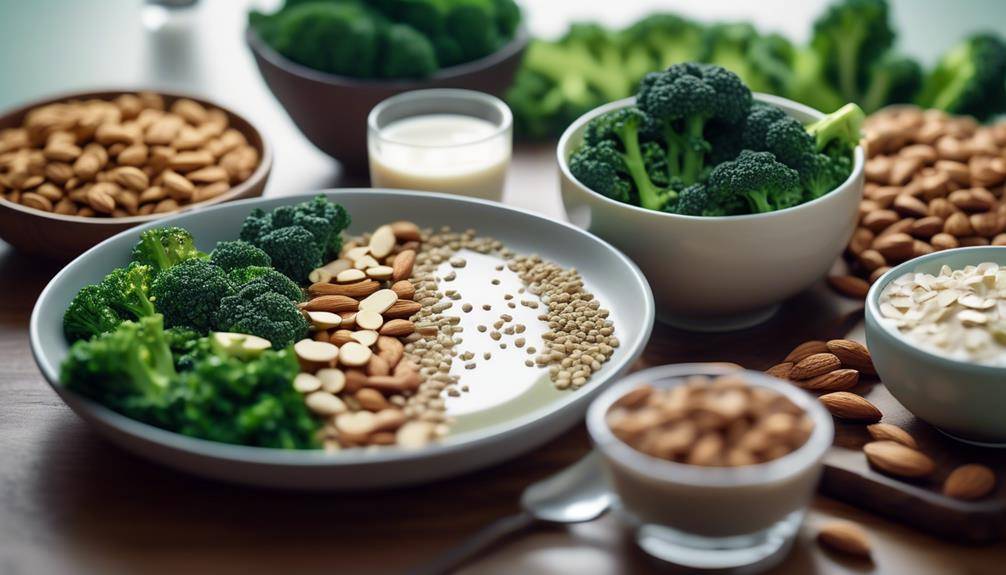
Recommended Calcium Intake for Vegans; Imagine a sturdy bridge connecting your body’s structure, supporting and ensuring its strength. Calcium, much like that bridge, plays a vital role in maintaining the health and integrity of your bones and teeth. But as a vegan, you may wonder: how can you meet your recommended calcium intake without consuming dairy products? In this discussion, we will unravel the mysteries surrounding calcium for vegans, exploring the daily intake requirements, plant-based sources, absorption factors, supplements, and practical tips to ensure your bones remain strong and resilient. So, let’s step onto this bridge and embark on a journey to discover the secrets of vegan calcium intake.
Importance of Calcium for Vegans
Calcium is crucial for vegans as it plays a vital role in maintaining overall bone health and preventing the risk of developing osteoporosis. Calcium deficiency is a common concern for vegans, as their diet does not include dairy products, which are a major source of calcium for many people. It is important for vegans to ensure they are getting an adequate amount of calcium through plant-based sources or supplements to avoid potential health issues.
Calcium deficiency can lead to various symptoms that can affect overall health. Some common symptoms of calcium deficiency in vegans include muscle cramps, weak bones, osteoporosis, and tooth decay. These symptoms occur because calcium is essential for muscle function, nerve transmission, and maintaining the strength and density of bones and teeth.
To prevent calcium deficiency, vegans should incorporate calcium-rich foods into their diet. Good plant-based sources of calcium include leafy green vegetables like kale, broccoli, and spinach, tofu, fortified plant-based milk alternatives, almonds, chia seeds, and fortified orange juice. It is also important to note that calcium absorption can be enhanced by consuming foods rich in vitamin D, such as fortified plant-based milk and exposure to sunlight.
If it is difficult to meet the recommended calcium intake through diet alone, vegans can consider taking calcium supplements. However, it is important to consult with a healthcare professional before starting any supplements to ensure the correct dosage and to avoid any potential interactions with other medications or health conditions.
Daily Recommended Calcium Intake
To ensure optimal calcium intake for vegans, understanding the daily recommended amounts is essential. Calcium is a crucial mineral that plays a vital role in maintaining strong bones and teeth, as well as supporting various bodily functions. For athletes, calcium is especially important as it aids in muscle contraction, nerve function, and blood clotting. Inadequate calcium intake can lead to a host of health issues, including calcium deficiency.
Here are the daily recommended calcium intake amounts for different age groups:
- Children and adolescents (ages 1-18): The recommended daily intake of calcium for this age group is 1,000 to 1,300 milligrams. During these growth years, it is crucial to ensure sufficient calcium intake to support bone development and prevent future bone health issues.
- Adults (ages 19-50): The daily recommended intake of calcium for adults is 1,000 milligrams. This amount is sufficient to maintain bone health and support other bodily functions.
- Older adults (ages 51 and above): As we age, our bodies may require more calcium to prevent bone loss and maintain bone density. The recommended daily intake for older adults is 1,200 milligrams. It is important for this age group to meet their calcium needs through dietary sources or supplements.
Calcium deficiency can lead to symptoms such as muscle cramps, brittle nails, and weakened bones. Athletes, in particular, should pay close attention to their calcium intake to avoid these symptoms and support optimal performance.
Plant-Based Sources of Calcium
One of the key aspects of a vegan diet is finding plant-based sources of calcium to ensure adequate intake of this essential mineral. While many people associate calcium with dairy products, there are plenty of plant-based alternatives that can meet your calcium needs. Incorporating these calcium-rich foods into your vegan diet will help you maintain strong bones and teeth, as well as support proper muscle and nerve function.
Leafy green vegetables are excellent sources of calcium. Foods like kale, collard greens, and spinach are not only rich in this mineral, but they also offer other essential nutrients like vitamin K and magnesium. Other vegetables such as broccoli, bok choy, and okra are also good sources of calcium.
Legumes, including beans, lentils, and chickpeas, are another group of plant-based foods that are packed with calcium. These versatile legumes can be incorporated into a variety of dishes, such as soups, stews, and salads, making it easy to increase your calcium intake.
Nuts and seeds are also great sources of calcium. Almonds, sesame seeds, and chia seeds are particularly high in this mineral. You can enjoy them as a snack, or sprinkle them on top of salads, oatmeal, or smoothies for an added calcium boost.
Fortified plant-based milk alternatives, such as soy milk, almond milk, or oat milk, can also provide a significant amount of calcium. Make sure to choose brands that are fortified with calcium to ensure you’re getting the desired intake.
Factors Affecting Calcium Absorption
Factors affecting calcium absorption play a crucial role in ensuring adequate calcium intake for vegans. Absorption enhancers, such as vitamin D and certain organic acids found in plant-based foods, can help increase the absorption of calcium. Additionally, including calcium-rich vegan foods in your diet, such as tofu, fortified plant milks, and leafy green vegetables, can also contribute to optimal calcium absorption.
Absorption Enhancers
Enhancing the absorption of calcium is crucial for vegans to ensure optimal intake and utilization of this essential mineral. Several factors can enhance the bioavailability of calcium in the body:
- Vitamin D: Adequate levels of vitamin D increase calcium absorption by promoting the synthesis of calcium-binding proteins. Vegans can obtain vitamin D through sunlight exposure or fortified plant-based products.
- Stomach acid: Sufficient stomach acid is necessary for calcium absorption. Consuming foods that promote stomach acid production, such as apple cider vinegar or lemon juice, can enhance calcium absorption.
- Phytic acid reduction: Phytic acid, found in certain plant-based foods, can inhibit calcium absorption. Soaking, fermenting, or sprouting these foods can reduce phytic acid levels and enhance calcium bioavailability.
Calcium-Rich Vegan Foods
A variety of plant-based foods can provide vegans with a rich source of calcium, while certain factors can affect the absorption of this essential mineral. It is important for vegans to be mindful of their calcium intake to avoid vegan calcium deficiency. Luckily, there are plenty of calcium-rich vegan foods to choose from. Some excellent sources include leafy greens like kale and collard greens, tofu, fortified plant-based milk, almonds, and sesame seeds. These foods not only provide calcium but also come with other health benefits.
However, it is worth mentioning that certain substances can inhibit the absorption of calcium. For example, oxalates found in spinach and phytates found in whole grains and legumes can reduce calcium absorption. To increase calcium absorption, it is recommended to consume foods rich in vitamin D, such as fortified plant-based milk and mushrooms. By incorporating these calcium-rich vegan foods into your diet and being mindful of absorption inhibitors, you can meet your calcium needs and maintain good health.
Vegan Calcium Supplements
What are the available options for vegans looking to supplement their calcium intake? As a vegan, it can be challenging to meet your calcium needs solely through diet. Fortunately, there are vegan calcium supplements available that can provide the necessary calcium to support your overall health. Here are three options to consider:
- Calcium carbonate: This is the most common form of calcium supplement and is derived from minerals like limestone or marble. It is well-absorbed by the body when taken with food and provides a high concentration of elemental calcium. Look for brands that specifically state they are vegan, as some may contain animal-derived ingredients.
- Calcium citrate: This form of calcium supplement is more easily absorbed by the body, making it a good option for individuals with low stomach acid or those taking medications that reduce stomach acid production. It is also suitable for vegans as it is typically derived from plant sources. Calcium citrate can be taken with or without food.
- Algae-based calcium: For those seeking a plant-based calcium source, algae-based supplements can be an excellent option. These supplements are derived from marine algae, which naturally accumulate calcium from seawater. Algae-based calcium supplements are highly bioavailable, meaning they are easily absorbed by the body.
When choosing a vegan calcium supplement, it is important to consider factors that affect calcium absorption. Vitamin D is essential for calcium absorption, so it may be beneficial to select a supplement that includes this vitamin. Additionally, taking calcium supplements with meals can enhance absorption. Remember to consult with a healthcare professional or registered dietitian to determine the appropriate dosage for your individual needs.
Tips for Increasing Calcium Absorption
To increase your calcium absorption, include plant-based calcium-rich foods in your diet such as leafy greens, tofu, and fortified plant milks. These foods are not only excellent sources of calcium but also provide other essential nutrients. Additionally, enhancing your vitamin D levels through sun exposure or supplementation can further improve calcium absorption in your body.
Plant-Based Calcium-Rich Foods
Increasing your intake of plant-based calcium-rich foods can help improve calcium absorption in your body. Here are three vegan calcium sources that can provide you with the nutrients you need:
- Leafy Greens: Foods like kale, spinach, collard greens, and broccoli are excellent sources of calcium. Incorporating these greens into your diet can help boost your calcium levels.
- Fortified Plant Milks: Many plant-based milks, such as soy milk, almond milk, and oat milk, are fortified with calcium. Check the labels to ensure that the milk you choose has added calcium.
- Tofu and Tempeh: These soy-based products are not only rich in protein but also contain a good amount of calcium. Including tofu and tempeh in your meals can contribute to your calcium intake.
Remember to pair these calcium-rich foods with vitamin D sources, such as sunlight or fortified foods, as it aids in calcium absorption.
Enhancing Vitamin D Levels
To enhance your vitamin D levels and increase calcium absorption, there are several tips you can follow. One effective way is to consider taking vitamin D supplements. These supplements can help ensure that you are getting enough vitamin D, especially if you have limited sun exposure or are unable to meet your requirements through food sources alone. It is important to choose a high-quality supplement and consult with a healthcare professional to determine the appropriate dosage for your needs.
Additionally, getting regular sunlight exposure is essential for boosting vitamin D levels. Spending time outdoors, particularly during midday when the sun is strongest, can help your body produce vitamin D naturally. Aim for about 10-30 minutes of sun exposure on your face, arms, and legs a few times a week. Remember to protect your skin from excessive sun exposure to prevent sunburns and skin damage.
Calcium-Rich Vegan Meal Ideas
Including calcium-rich vegan meal ideas in your diet can help you meet your daily calcium needs without relying on dairy products. Contrary to popular belief, there are plenty of plant-based sources of calcium that can be incorporated into your meals. Here are three calcium-rich vegan recipes to consider:
- Tofu and Broccoli Stir-Fry: This delicious dish combines calcium-rich tofu with broccoli, which is also a good source of the mineral. Simply stir-fry cubes of tofu with garlic, ginger, and soy sauce, then add in steamed broccoli florets. Serve it over brown rice or quinoa for a complete meal.
- Kale and White Bean Salad: Kale is a nutrient-dense leafy green that is high in calcium. Combine chopped kale with cooked white beans, cherry tomatoes, red onion, and a lemon-tahini dressing. Sprinkle some toasted sesame seeds on top for an extra calcium boost.
- Almond Butter and Banana Smoothie: This creamy smoothie is not only delicious but also packed with calcium. Blend together almond butter, frozen bananas, almond milk, and a handful of spinach. You can also add a scoop of plant-based protein powder for an added nutritional boost.
Monitoring Your Calcium Levels
Monitoring your calcium levels is an important aspect of maintaining a healthy vegan diet. As a vegan, it is crucial to ensure that you are meeting your recommended daily calcium intake to prevent calcium deficiency and promote optimal bone health. Without proper monitoring, you may be at risk of developing symptoms associated with calcium deficiency, such as muscle cramps, numbness or tingling in the fingers and toes, and weak or brittle nails.
To monitor your calcium levels effectively, you can undergo calcium absorption tests. These tests measure the amount of calcium your body absorbs from the foods you consume. One commonly used test is the urinary calcium excretion test, which measures the amount of calcium excreted in your urine over a 24-hour period. This test can provide valuable information about your body’s ability to absorb and utilize calcium.
Another test that can assess your calcium levels is a blood test. This test measures the total calcium levels in your blood. It is important to note that blood calcium levels are tightly regulated in the body, so they may not accurately reflect your overall calcium status. However, abnormal blood calcium levels may indicate an underlying issue with calcium metabolism.
In addition to these tests, it is also essential to pay attention to your body and any symptoms that may indicate calcium deficiency. If you experience any of the symptoms mentioned earlier or have concerns about your calcium levels, it is recommended to consult with a healthcare professional. They can help assess your calcium status, provide personalized recommendations, and monitor your progress over time.
Frequently Asked Questions: Recommended Calcium Intake for Vegans
Can I Get Enough Calcium From a Vegan Diet Alone Without Supplements?
You can get enough calcium from a vegan diet alone without supplements. Calcium-rich vegan sources like tofu, fortified plant milks, and leafy greens can provide the necessary intake. Factors like vitamin D and oxalates can affect calcium absorption.
Are There Any Plant-Based Foods That Can Hinder Calcium Absorption?
Some plant-based foods can hinder calcium absorption, potentially affecting calcium intake in vegan diets without supplements. It’s important to be aware of these foods and find alternative sources of calcium to meet your recommended intake.
How Can I Ensure That I Am Meeting My Daily Calcium Intake if I Am on a Restricted Vegan Diet (E.G., Gluten-Free, Soy-Free)?
To meet your daily calcium needs on a restricted vegan diet, try incorporating calcium-rich vegan food alternatives like fortified plant milks, tofu, leafy greens, and almonds. These can help ensure you get enough calcium without relying on dairy products.
Are There Any Specific Vitamins or Minerals That Can Enhance Calcium Absorption in the Body?
To enhance calcium absorption, certain vitamins and minerals can help. Vitamin D, found in sunlight and fortified foods, aids in calcium absorption. Additionally, magnesium and vitamin K2 contribute to bone health. Vegans can get calcium from sources like tofu, almonds, and leafy greens.
Should I Consult a Healthcare Professional Before Starting Any Calcium Supplements?
Consulting healthcare professionals before starting any calcium supplements is important. They can provide personalized advice based on your specific health needs and guide you on the proper dosage and potential interactions with other medications or conditions.

Conclusion
In conclusion, meeting the recommended calcium intake is crucial for vegans to maintain optimal health. Plant-based sources such as tofu, leafy greens, and fortified plant milks can provide the necessary calcium. Factors like vitamin D intake and overall diet composition can affect calcium absorption. Vegan calcium supplements can also be considered, but it’s important to consult with a healthcare professional. By being mindful of these factors and including calcium-rich foods in their meals, vegans can ensure they are meeting their calcium needs.