Important Vegan Dietary Requirements for Diabetics
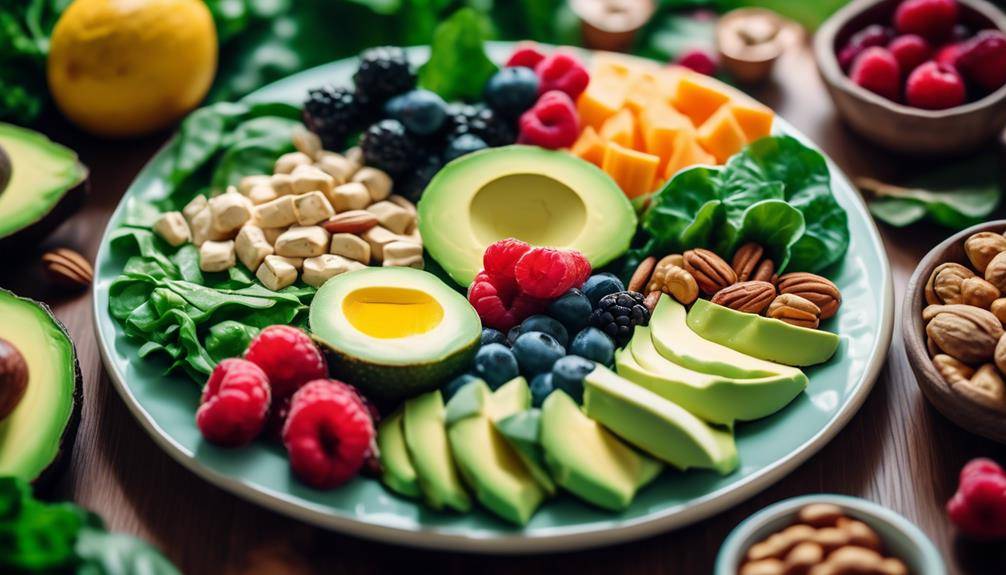
Vegan Dietary Requirements for Diabetics; Did you know that approximately 34.2 million Americans have diabetes, and this number is expected to rise in the coming years? If you are one of the many individuals who follow a vegan lifestyle and also manage diabetes, you may be wondering how to meet your dietary requirements while keeping your blood sugar levels in check. The good news is, with careful planning and attention to nutrient balance, it is absolutely possible to thrive on a vegan diet without compromising your health.
In this discussion, we will explore the specific dietary considerations for vegans with diabetes, from managing carbohydrate choices to incorporating healthy fats and monitoring nutrient deficiencies. So, let’s uncover the key strategies that can help you maintain optimal blood sugar control and overall well-being on your plant-based journey.
Understanding Carbohydrate Choices
Understanding carbohydrate choices is crucial for diabetics following a vegan diet. When it comes to managing diabetes, monitoring portion sizes and being mindful of the glycemic index are essential.
Portion sizes play a significant role in managing blood sugar levels. It is crucial to understand how much of each food group you should consume to maintain a balanced diet. Carbohydrates, especially, need to be carefully monitored. Aim to consume a consistent amount of carbohydrates at each meal to help stabilize your blood sugar levels throughout the day. This can be achieved by using measuring tools, such as a food scale or measuring cups, to accurately portion your meals.
Additionally, managing the glycemic index of the carbohydrates you consume is important. The glycemic index measures how quickly a food raises blood sugar levels. Foods with a high glycemic index can cause a rapid spike in blood sugar levels, while foods with a low glycemic index have a slower and more controlled impact. As a diabetic on a vegan diet, opt for carbohydrates with a low glycemic index, such as whole grains, legumes, and non-starchy vegetables. These foods digest more slowly, preventing sudden spikes in blood sugar levels.
Balancing Blood Sugar With Plant-Based Foods
To balance your blood sugar levels with plant-based foods, focus on incorporating plant-based protein sources and fiber-rich carbohydrate choices into your diet. Plant-based protein sources like tofu, tempeh, and legumes provide essential amino acids without causing a spike in blood sugar. Fiber-rich carbohydrates such as whole grains, fruits, and vegetables can help slow down the absorption of sugar into your bloodstream, preventing sudden blood sugar spikes. By making these food choices, you can better manage your blood sugar levels while following a vegan diet.
Plant-Based Protein Sources
Balancing blood sugar with plant-based foods can be achieved by incorporating a variety of plant-based protein sources into your vegan diet. When planning your meals, consider incorporating vegan protein-rich foods such as legumes like lentils, chickpeas, and black beans. These are not only high in protein but also provide essential nutrients like fiber and minerals. Tofu and tempeh are excellent sources of plant-based protein and can be used in various dishes, such as stir-fries or salads.
Additionally, quinoa, chia seeds, and hemp seeds are plant-based proteins that can be added to your meals. If you find it challenging to meet your protein needs solely through whole foods, you may consider using vegan protein supplements. These supplements, such as pea protein or brown rice protein, can be added to smoothies or other recipes to increase your protein intake. Remember to consult with a healthcare professional or registered dietitian to ensure you are meeting your specific dietary needs.
Fiber-Rich Carbohydrate Choices
When it comes to maintaining stable blood sugar levels with a plant-based diet, incorporating fiber-rich carbohydrate choices is key. Plant-based fiber options offer a multitude of benefits for diabetics, including improved blood sugar control and increased satiety. Here are four high fiber vegan foods that can help you balance your blood sugar levels effectively:
- Legumes: Lentils, chickpeas, and black beans are excellent sources of fiber and protein. They have a low glycemic index and can help regulate blood sugar levels.
- Whole Grains: Opt for whole grains like quinoa, brown rice, and oats, which are packed with fiber and contain essential nutrients. They can help slow down the release of glucose into the bloodstream.
- Fruits and Vegetables: Incorporate a variety of colorful fruits and vegetables into your diet. These fiber-rich foods are low in calories and high in vitamins and minerals.
- Chia Seeds: These tiny seeds are rich in fiber, omega-3 fatty acids, and antioxidants. They can help stabilize blood sugar levels and promote digestive health.
Incorporating Healthy Fats Into a Vegan Diabetic Diet
Incorporating healthy fats into your vegan diabetic diet is essential for maintaining optimal health and managing blood sugar levels effectively. While it may seem challenging to find plant-based sources of healthy fats, there are plenty of options available that can be easily incorporated into your meals.
One of the best sources of healthy fats for vegans is nuts and seeds. Almonds, walnuts, chia seeds, and flaxseeds are all excellent choices. These can be added to smoothies, sprinkled on top of salads, or used as a topping for oatmeal. You can also make your own nut butter by blending nuts with a little bit of water or oil.
Avocados are another fantastic source of healthy fats. They are rich in monounsaturated fats, which can help improve insulin sensitivity and reduce inflammation. You can enjoy avocados sliced on whole grain toast, mashed into guacamole, or added to salads.
Coconut products, such as coconut oil and coconut milk, are also great options. Coconut oil can be used for cooking and baking, while coconut milk can be added to curries, soups, and smoothies. Just be mindful of portion sizes, as coconut products are high in calories.
Lastly, flaxseed oil and olive oil are excellent choices for salad dressings and cooking. These oils are rich in omega-3 fatty acids and can help improve heart health.
Incorporating these healthy fats into your vegan diabetic diet can provide essential nutrients and promote overall well-being. Experiment with different recipes and enjoy the delicious flavors and health benefits that these fats have to offer.
Navigating Vegan Protein Sources for Diabetes Management
When managing diabetes on a vegan diet, it’s important to understand your protein requirements. Luckily, there are plenty of plant-based protein options available to you. By incorporating a variety of sources such as legumes, tofu, tempeh, and quinoa, you can ensure you’re getting all the essential amino acids your body needs. Remember to balance your protein intake with other nutrients and consult with a healthcare professional for personalized guidance.
Protein Requirements for Diabetics
Have you ever wondered about the best vegan protein sources to meet the protein requirements for diabetics managing their condition? When it comes to protein intake, there are plenty of plant-based options that can provide the necessary nutrients. Here are four vegan protein sources to consider:
- Tofu: Made from soybeans, tofu is a versatile protein source that can be used in stir-fries, salads, and even desserts.
- Lentils: These legumes are not only high in protein but also rich in fiber, which is beneficial for blood sugar control.
- Quinoa: A complete protein, quinoa contains all essential amino acids. It can be used as a base for salads, stir-fries, or as a side dish.
- Chia seeds: These tiny seeds are packed with protein, fiber, and omega-3 fatty acids. They can be added to smoothies, oatmeal, or used as an egg substitute in baking.
Incorporating these vegan protein sources into your diet can help meet your protein requirements while managing diabetes effectively.
Plant-Based Protein Options
To effectively manage diabetes while following a vegan diet, it is important to explore various plant-based protein options that can meet your dietary requirements. When it comes to meal prep, incorporating plant-based proteins into your dishes can provide you with the necessary nutrients while keeping your blood sugar levels stable.
Some great plant-based protein options include legumes such as lentils, chickpeas, and black beans, which are not only high in protein but also rich in fiber that can help regulate blood sugar. Other options include tofu, tempeh, and seitan, which are versatile and can be used in a variety of dishes. Portion control is essential when consuming plant-based proteins, as they can still affect your blood sugar levels. It is important to consult with a registered dietitian to determine the appropriate portion sizes for your specific needs.
Balancing Protein Intake
Are you struggling to balance your protein intake while following a vegan diet for diabetes management? Don’t worry, there are several protein alternatives that can help you meet your nutritional needs. Here are some options to consider:
- Tempeh: Made from fermented soybeans, tempeh is a good source of protein and can be used in various dishes.
- Lentils: Packed with protein and fiber, lentils are a versatile ingredient that can be added to soups, salads, or even made into burgers.
- Quinoa: This ancient grain is not only a great source of protein but also contains essential amino acids.
- Chia seeds: These tiny seeds are a rich source of plant-based protein and can be sprinkled on smoothies, oatmeal, or used in baking.
If you find it challenging to consume enough protein through food alone, protein supplementation may be an option. Consult with a healthcare professional or registered dietitian to determine the right protein supplement for your needs and ensure it aligns with your diabetes management plan. Remember, finding the right balance is key to maintaining a healthy vegan diet while managing diabetes.
Meal Planning Tips for Vegan Diabetic Individuals
For vegan individuals with diabetes, effective meal planning is crucial to maintaining stable blood sugar levels and promoting overall health. Meal planning plays a significant role in diabetes management, as it helps regulate blood sugar levels, manage weight, and reduce the risk of complications. Here are some meal planning tips specifically tailored for vegan individuals with diabetes.
Firstly, it is important to focus on consuming a variety of plant-based foods that are low in glycemic index (GI). Foods with a low GI release glucose slowly into the bloodstream, preventing sudden spikes in blood sugar levels. Some examples of low GI vegan foods include non-starchy vegetables, whole grains like quinoa and buckwheat, legumes, and nuts.
Secondly, aim to include a source of plant-based protein in each meal. Protein helps slow down the digestion of carbohydrates, promoting more stable blood sugar levels. Good sources of vegan protein include tofu, tempeh, seitan, legumes, and quinoa.
Additionally, make sure to incorporate healthy fats into your meals. Fats help slow down the absorption of glucose, preventing rapid spikes in blood sugar levels. Good sources of healthy fats for vegans include avocados, nuts, seeds, and olive oil.
Furthermore, portion control is essential for managing blood sugar levels. Be mindful of the amount of carbohydrates you consume and try to spread them out evenly throughout the day. This can help prevent sudden increases in blood sugar levels.
Lastly, monitor your blood sugar levels regularly and adjust your meals as needed. Each individual’s response to different foods may vary, so it’s important to track your blood sugar levels and make necessary adjustments to your meal plan.
Monitoring Nutrient Deficiencies in a Plant-based Diet
Monitoring nutrient deficiencies is an essential aspect of maintaining a healthy plant-based diet. As a vegan diabetic, it is crucial to ensure that you are getting all the necessary nutrients your body needs. Here are four key points to consider when monitoring nutrient deficiencies in your plant-based diet:
- Vitamin B12: Since this vitamin is primarily found in animal-based foods, it is important to include fortified foods or supplements in your diet. Vitamin B12 plays a vital role in nerve function and the production of red blood cells.
- Iron: Plant-based sources of iron include legumes, tofu, and leafy greens like spinach and kale. However, the absorption of iron from plant-based sources is lower than from animal-based sources. To enhance iron absorption, consume vitamin C-rich foods such as citrus fruits or bell peppers alongside your iron-rich meals.
- Calcium: Calcium is essential for maintaining strong bones and teeth. While dairy products are a common source of calcium, there are plenty of vegan options available. Incorporate calcium-rich foods like fortified plant-based milk, tofu, almonds, and chia seeds into your diet.
- Omega-3 fatty acids: These essential fats are important for heart health and can be found in walnuts, flaxseeds, chia seeds, and hemp seeds. However, the conversion of plant-based omega-3s to their active forms, EPA and DHA, may be inefficient. Consider including an algae-based omega-3 supplement to ensure adequate intake.
In addition to monitoring nutrient deficiencies, it is essential to focus on consuming nutrient-rich vegan foods. Incorporating a variety of fruits, vegetables, whole grains, legumes, nuts, and seeds into your meals will help provide a wide range of essential vitamins, minerals, and antioxidants. By being mindful of your nutrient intake and making informed food choices, you can maintain a well-rounded and balanced vegan diet that meets your dietary requirements as a diabetic individual.
Frequently Asked Questions: Vegan Dietary Requirements for Diabetics
Can a Vegan Diet Help Manage Diabetes?
A vegan diet can help manage diabetes by improving insulin sensitivity and reducing the need for medication. It has been shown to be effective in controlling blood sugar levels and promoting overall health.
Are There Any Specific Vegan Foods That Can Help Regulate Blood Sugar Levels?
There are specific vegan foods that can help regulate blood sugar levels. Incorporate vegan desserts and substitutes into your diet, as they can provide healthier options that won’t spike your blood sugar.
How Can Vegans Ensure They Are Getting Enough Healthy Fats in Their Diet?
To ensure you’re getting enough healthy fats in your vegan diet, focus on incorporating foods like avocados, nuts, seeds, and plant-based oils. These foods provide essential fatty acids and can support your overall health, including diabetes management.
What Are Some Good Sources of Vegan Protein for Diabetics?
To ensure you get enough vegan protein, opt for high protein vegan substitutes like tofu, tempeh, seitan, and edamame. You can also consider incorporating vegan protein powders made from sources like pea, hemp, or rice protein.
Are There Any Tips for Meal Planning for Vegan Diabetics?
When planning meals for vegan diabetics, focus on incorporating a variety of plant-based proteins, whole grains, and low-glycemic fruits and vegetables. Look for vegan diabetic recipes and consider meal prepping to save time.

Conclusion
In conclusion, a vegan diet can be a suitable option for individuals with diabetes, as long as careful attention is given to meeting nutritional needs. By understanding carbohydrate choices, balancing blood sugar with plant-based foods, incorporating healthy fats, and navigating protein sources, individuals can effectively manage their diabetes while following a vegan lifestyle. It is important to consult with a healthcare professional or registered dietitian to ensure proper monitoring of nutrient deficiencies and to create a well-balanced meal plan.