Finding Important Zinc Sources in Vegan Diet
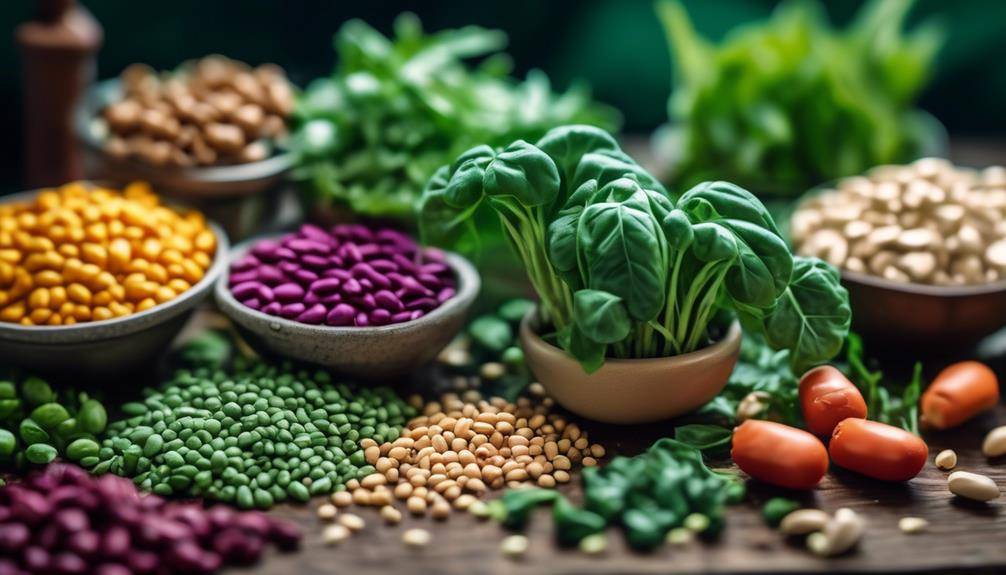
Finding Important Zinc Sources in Vegan Diet; Imagine your body as a well-functioning machine, with each nutrient playing a vital role in its smooth operation. One essential mineral that may sometimes be overlooked in a vegan diet is zinc. But fear not, for nature has provided us with an abundance of plant-based sources to meet your zinc needs. From tiny seeds to versatile tofu, and even indulgent dark chocolate, the options are diverse and exciting. So, let’s explore the world of zinc sources in a vegan diet and discover how you can ensure your body receives this crucial mineral for optimal health and well-being.
Importance of Zinc for Vegans
Zinc plays a crucial role in the overall health and well-being of vegans, making it essential to ensure an adequate intake of this mineral in your plant-based diet. Zinc is involved in numerous physiological processes, including immune function, wound healing, and DNA synthesis. However, vegans may be at a higher risk of zinc deficiency compared to non-vegans due to the limited availability and lower bioavailability of zinc in plant-based foods.
A zinc deficiency can lead to various health problems, such as impaired immune function, delayed wound healing, and decreased cognitive function. Additionally, zinc deficiency can contribute to hair loss, skin problems, and even infertility. It is therefore important for vegans to pay close attention to their zinc intake and ensure they meet the recommended daily allowance (RDA) of 8-11 milligrams for adults.
To prevent zinc deficiency, vegans should include zinc-rich foods in their diet. Legumes, such as chickpeas, lentils, and black beans, are excellent sources of zinc. Whole grains like quinoa and brown rice, as well as nuts and seeds like pumpkin seeds and cashews, are also good sources. Incorporating these foods into your meals can help you meet your daily zinc requirements.
In addition to these natural sources, there are also fortified foods available in the market that can provide an additional boost of zinc in your diet. Fortified cereals, plant-based milks, and nutritional yeast are examples of such products. It is important to read food labels and choose products that are fortified with zinc.
Pumpkin Seeds: A Rich Source of Zinc
Did you know that pumpkin seeds are not only a tasty snack, but also a rich source of zinc? Just a small handful of pumpkin seeds can provide you with a significant amount of this essential mineral. Zinc plays a crucial role in immune function, cell growth, and metabolism, making it an important nutrient to include in your vegan diet.
Nutritional Value of Pumpkin Seeds
Pumpkin seeds, with their rich zinc content, are a valuable addition to a vegan diet for meeting your nutritional needs. Zinc is an essential mineral that plays a crucial role in various bodily functions, including immune function, protein synthesis, and DNA formation. Consuming pumpkin seeds can help prevent zinc deficiency, which can lead to symptoms such as impaired immune function, delayed wound healing, and hair loss.
In addition to being a great source of zinc, pumpkin seeds are also packed with other essential nutrients. They are rich in healthy fats, fiber, and antioxidants, making them a nutritious snack option. You can easily incorporate pumpkin seeds into your diet by adding them to salads, smoothies, or even baking them into granola bars or bread. There are also plenty of delicious pumpkin seed recipes available online for you to explore and enjoy. So, don’t miss out on the nutritional benefits of pumpkin seeds and start incorporating them into your vegan diet today.
Benefits of Zinc Intake
Incorporating pumpkin seeds into your vegan diet can provide you with numerous benefits due to their rich zinc content. Zinc is an essential mineral that plays a crucial role in various bodily functions. Here are some benefits of zinc intake:
- Boosts immune system: Zinc is known for its immune-boosting properties. It helps in the production and function of immune cells, which can help fight off infections and illnesses.
- Supports growth and development: Zinc is essential for proper growth and development, especially during childhood and adolescence. It aids in cell growth, DNA synthesis, and protein production.
- Enhances wound healing: Zinc plays a vital role in wound healing by promoting cell division and tissue repair. It also helps in collagen synthesis, which is important for skin health.
- Supports cognitive function: Adequate zinc intake is linked to improved cognitive function and memory. It is involved in neurotransmitter regulation and protects against oxidative stress.
In addition to pumpkin seeds, other zinc-rich fruits and vegetables include legumes, whole grains, nuts, and dark green leafy vegetables. Considering the benefits of zinc supplementation, incorporating these foods into your vegan diet can help meet your daily zinc requirements.
Hemp Seeds: Nutritional Powerhouses for Zinc
Hemp seeds are a rich source of zinc, making them a valuable addition to a vegan diet. Just a tablespoon of hemp seeds can provide a significant amount of this essential mineral. Zinc plays a crucial role in immune function, wound healing, and protein synthesis, making hemp seeds a nutritional powerhouse for supporting overall health.
Hemp Seeds: Zinc Content
To boost your zinc intake on a vegan diet, consider adding hemp seeds to your meals for their impressive nutritional powerhouses. Hemp seeds are not only versatile in culinary uses but also packed with essential nutrients. Here’s why hemp seeds are a great source of zinc:
- Zinc Content: Hemp seeds are rich in zinc, with just three tablespoons providing around 20% of the recommended daily intake for adults.
- Omega-3 Fatty Acids: In addition to zinc, hemp seeds are also a fantastic source of omega-3 fatty acids, which have numerous health benefits, including supporting brain function and reducing inflammation.
- Easy to Incorporate: Hemp seeds can be easily incorporated into your meals. Sprinkle them on salads, blend them into smoothies, or use them as a topping for yogurt or oatmeal.
- Nutrient Powerhouse: Along with zinc and omega-3 fatty acids, hemp seeds are also packed with protein, fiber, and other essential vitamins and minerals, making them a nutrient-dense addition to your vegan diet.
Benefits of Hemp Seeds
Boost your zinc intake on a vegan diet by exploring the impressive benefits of incorporating hemp seeds into your meals. Hemp seeds are not only a versatile superfood but also a powerhouse of omega-3 fatty acids. These tiny seeds pack a punch when it comes to nutrition. Just one tablespoon of hemp seeds provides around 15% of the recommended daily intake of zinc.
In addition to being a rich source of zinc, hemp seeds also contain essential amino acids, fiber, and healthy fats. They are also gluten-free, making them a great option for those with gluten sensitivities or celiac disease. Including hemp seeds in your diet can help support your overall health and ensure you meet your zinc needs on a vegan diet.
Chia Seeds: Tiny But Mighty Zinc Boosters
Chia seeds, with their impressive zinc content, can be a powerful addition to a vegan diet. Here are four reasons why you should consider incorporating chia seeds into your plant-based meals:
- Rich in Zinc: Chia seeds are packed with zinc, a vital mineral that plays a crucial role in immune function, wound healing, and DNA synthesis. Just one ounce of chia seeds provides approximately 1.3 milligrams of zinc, which is about 12% of the recommended daily intake for adults. By including chia seeds in your diet, you can help meet your zinc needs without relying solely on animal products.
- Versatile Ingredient: Chia seeds can be easily incorporated into a variety of recipes, making them a versatile addition to your vegan diet. You can sprinkle them on top of salads, mix them into smoothies, or use them as an egg substitute in baking. Their mild taste allows them to blend seamlessly into your dishes without overpowering the flavors.
- Omega-3 Fatty Acids: In addition to zinc, chia seeds are also a great source of omega-3 fatty acids. These healthy fats are essential for brain health, heart health, and reducing inflammation in the body. By including chia seeds in your meals, you can boost your omega-3 intake and support overall well-being.
- Fiber Powerhouse: Chia seeds are loaded with dietary fiber, which is important for digestion and maintaining a healthy weight. The high fiber content of chia seeds helps to promote feelings of fullness and can aid in weight management. Additionally, fiber is crucial for regulating blood sugar levels and promoting a healthy gut.
Incorporating chia seeds into your vegan diet can provide you with a nutrient-dense source of zinc, omega-3 fatty acids, and fiber. So go ahead and sprinkle some chia seeds on your meals to reap their tiny yet mighty benefits.
Flaxseeds: A Versatile Zinc-Packed Option
Flaxseeds offer a versatile and zinc-packed option to enhance your vegan diet. Not only are they a rich source of zinc, but they also provide a variety of other health benefits. Flaxseeds can be easily incorporated into your daily meals and snacks, making them a convenient addition to your plant-based diet.
When it comes to preparing flaxseeds, there are a few methods you can try. One popular way is to grind them into a fine powder using a coffee grinder or blender. This allows for better absorption of the nutrients, including zinc, by your body. You can then sprinkle the ground flaxseeds onto salads, smoothies, or yogurt for an added boost of zinc.
Another option is to soak whole flaxseeds in water or plant-based milk overnight. This softens the seeds and creates a gel-like consistency, which can be used as an egg substitute in baking recipes. This not only adds zinc to your diet but also provides a great alternative for those following a vegan lifestyle.
While flaxseeds are generally safe for consumption, there are a few precautions to keep in mind. It is important to consume them in moderation, as excessive intake may cause digestive issues such as bloating or diarrhea. Additionally, pregnant women should consult their healthcare provider before consuming flaxseeds, as they contain compounds that may affect hormone levels.
Incorporating flaxseeds into your vegan diet is a simple and effective way to boost your zinc intake. Whether you choose to grind them into a powder or use them as an egg substitute, flaxseeds offer a convenient and nutrient-dense option to support your overall health. Just remember to enjoy them in moderation and consult a healthcare professional if you have any concerns.
Sesame Seeds: Tasty and Nutrient-Dense Zinc Source
When it comes to diversifying your sources of zinc in a vegan diet, sesame seeds offer a tasty and nutrient-dense option. Not only are they a great way to enhance the flavor of your meals, but they also provide numerous health benefits. Here are four reasons why you should consider incorporating sesame seeds into your diet:
- Rich in zinc: Sesame seeds are an excellent source of zinc, a vital mineral that plays a crucial role in immune function, wound healing, and cell growth. Just one tablespoon of sesame seeds contains approximately 1.3 milligrams of zinc, which is about 12% of the recommended daily intake for adults.
- High in antioxidants: Sesame seeds are packed with antioxidants, such as sesamol and sesaminol, which help protect your cells from damage caused by free radicals. These antioxidants have been linked to a reduced risk of chronic diseases, including heart disease and certain types of cancer.
- Promote bone health: Sesame seeds are a good source of calcium, magnesium, and phosphorus, all of which are essential minerals for maintaining strong and healthy bones. Incorporating sesame seeds into your diet can help prevent osteoporosis and promote bone density.
- Versatile ingredient: Sesame seeds can be used in a variety of dishes and recipes, adding a nutty and flavorful twist. You can sprinkle them on salads, stir-fries, or roasted vegetables. They can also be ground into a paste, known as tahini, and used as a base for dressings, sauces, or dips.
Incorporating sesame seeds into your vegan diet can provide you with a tasty and nutrient-dense source of zinc. Whether you choose to sprinkle them on your meals or make delicious recipes with them, sesame seeds offer a wide range of health benefits and can be a valuable addition to your plant-based eating plan.
Quinoa: a Complete Protein With Zinc Benefits
Quinoa is a versatile and nutrient-rich grain that not only serves as a complete protein but also provides zinc benefits in a vegan diet. This ancient grain has gained popularity in recent years due to its impressive nutritional profile and numerous health benefits.
One of the key advantages of quinoa is its status as a complete protein. Unlike most plant-based protein sources, quinoa contains all nine essential amino acids that our bodies need but cannot produce on their own. This makes it an excellent choice for vegans and vegetarians looking to meet their protein needs. In addition to its protein content, quinoa is also high in fiber, which aids in digestion and helps to promote feelings of fullness.
When it comes to zinc, quinoa is a fantastic source. Zinc is an essential mineral that plays a crucial role in various bodily functions, including immune system function, cell growth, and wound healing. Incorporating quinoa into your diet can help ensure that you are meeting your daily zinc requirements.
Incorporating quinoa into your meals is easy, thanks to its versatility. It can be used as a base for salads, added to soups and stews, or even used as a substitute for rice in stir-fries. There are also plenty of quinoa recipes available online that can inspire you to get creative in the kitchen.
Lentils: Protein-Rich Legumes With Zinc
Lentils are a fantastic source of zinc, making them a powerful addition to your diet. By incorporating lentils into your meals, you can easily boost your zinc intake and reap the numerous benefits of this essential mineral. With their high protein content and rich zinc profile, lentils are a valuable addition to any vegan diet.
Lentils: A Zinc Powerhouse
With their high protein content and abundant zinc, lentils are a nutritional powerhouse in a vegan diet. Here’s why lentils should be a staple in your protein alternatives and zinc deficiency prevention plan:
- High protein content: Lentils are a great source of plant-based protein, containing about 18 grams of protein per cooked cup. This makes them an excellent choice for vegans looking to meet their protein needs.
- Abundant zinc: Lentils are also rich in zinc, a mineral essential for the immune system, wound healing, and DNA synthesis. Just a cup of cooked lentils provides around 2.5 milligrams of zinc, which is more than 20% of the recommended daily intake.
- Bioavailability: Lentils contain phytates, which can reduce zinc absorption. However, soaking, sprouting, or fermenting lentils can enhance zinc bioavailability, ensuring you get the most out of this nutrient.
- Versatility: Lentils are incredibly versatile and can be used in a variety of dishes, such as soups, stews, salads, and even veggie burgers. This makes it easy to incorporate them into your daily meals and reap the benefits of their protein and zinc content.
Incorporating lentils into your vegan diet is a simple and effective way to boost your protein intake and prevent zinc deficiency.
Boosting Zinc Intake With Lentils
To maximize your zinc intake, lentils offer a protein-rich and flavorful option that can easily be incorporated into your meals. Lentils are not only a delicious addition to your diet but also a great way to boost your zinc levels. These legumes are a rich source of zinc, making them an excellent alternative for those following a vegan or vegetarian diet.
In fact, lentils can be used as a zinc-rich meat substitute in various dishes, such as lentil burgers or lentil meatballs. Additionally, lentils are a versatile ingredient that can be added to soups, stews, salads, and even pasta dishes. By including lentils in your meals, you can ensure you’re getting an adequate amount of zinc while enjoying a nutritious and satisfying meal.
Chickpeas: Zinc and Protein in One Delicious Package
Chickpeas offer a delicious and nutrient-packed solution for vegans seeking to boost their zinc and protein intake. These versatile legumes are not only a staple in many vegan diets but also a great source of both zinc and protein. Here are four reasons why chickpeas should be a part of your regular diet:
- High in Zinc: Chickpeas are rich in zinc, a vital mineral that plays a crucial role in immune function, wound healing, and DNA synthesis. Zinc deficiency can lead to various symptoms such as impaired immune function, hair loss, and delayed wound healing. By incorporating chickpeas into your meals, you can ensure you’re getting an adequate amount of this essential mineral.
- Protein Powerhouse: Chickpeas are an excellent plant-based source of protein, containing about 15 grams per cup. Protein is essential for building and repairing tissues, as well as for the production of enzymes and hormones. Including chickpeas in your diet can help you meet your daily protein needs, especially if you’re following a vegan or vegetarian lifestyle.
- Versatile Ingredient: Chickpeas can be used in a variety of dishes, making them a versatile ingredient to have on hand. From hummus and falafel to salads and stews, the possibilities are endless. There are countless chickpea recipes available that can satisfy your taste buds while ensuring you’re getting a good dose of zinc and protein.
- Nutrient-Rich: In addition to zinc and protein, chickpeas are packed with other essential nutrients such as fiber, iron, folate, and magnesium. These nutrients are important for overall health and wellbeing. By incorporating chickpeas into your diet, you’re not only boosting your zinc and protein intake but also providing your body with a wide range of essential nutrients.
Incorporating chickpeas into your meals is a simple and delicious way to increase your zinc and protein intake. So why not try some chickpea recipes today and reap the nutritional benefits they have to offer?
Almonds: Crunchy Snack With Zinc Benefits
Almonds provide a crunchy and nutritious snack option while also offering the added benefit of being a good source of zinc. These nuts are not only delicious but also packed with health benefits. Almonds come in various varieties, including raw, roasted, and flavored options, making it easy to find one that suits your taste preferences.
Apart from being a rich source of zinc, almonds offer numerous other health benefits. They are a great source of healthy fats, protein, fiber, and vitamin E. These nutrients contribute to heart health, weight management, and improved digestion. Almonds also contain antioxidants, which help protect the body against oxidative stress and reduce the risk of chronic diseases.
In addition to consuming whole almonds, almond milk can also be a good source of zinc for those following a vegan diet. Almond milk is made by blending almonds with water and then straining the mixture to remove any solids. It is a popular alternative to dairy milk and is often fortified with essential nutrients, including zinc. However, it is important to note that the zinc content in almond milk may vary depending on the brand and the amount of almonds used in the production process.
When incorporating almonds into your diet, it is recommended to consume them in moderation due to their high calorie content. A handful of almonds, approximately 1 ounce, is a good serving size to enjoy their health benefits without consuming excessive calories. So, next time you need a crunchy snack, reach for a handful of almonds and reap the zinc and other nutritional benefits they offer.
Cashews: Creamy Nuts With Zinc Power
Cashews are not just a delicious snack, but they also offer numerous nutritional benefits. One of these benefits is their high zinc content, making them a great addition to a vegan diet. Zinc is an essential mineral that plays a crucial role in supporting immune function, promoting wound healing, and maintaining healthy skin. So, next time you’re looking for a creamy and nutritious snack, reach for some zinc-packed cashews.
Nutritional Benefits of Cashews
With their creamy texture and powerful zinc content, cashews offer a variety of nutritional benefits. Here are four reasons why including cashews in your diet can provide you with important health benefits:
- Rich in essential nutrients: Cashews are packed with important nutrients such as vitamins, minerals, and antioxidants. They contain high levels of magnesium, phosphorus, and copper, which play crucial roles in maintaining overall health.
- Heart-healthy fats: Cashews are a good source of monounsaturated fats, which are known to promote heart health. These healthy fats can help lower bad cholesterol levels and reduce the risk of heart disease.
- Weight management: Despite being energy-dense, cashews can actually aid in weight management. Their combination of healthy fats, protein, and fiber helps keep you feeling full and satisfied, reducing the urge to overeat.
- Improved brain function: Cashews are rich in nutrients that support brain health, such as vitamin E and omega-3 fatty acids. These compounds have been linked to improved cognitive function and a reduced risk of age-related cognitive decline.
Incorporating cashews into your diet can provide you with these nutritional advantages and contribute to your overall well-being.
Zinc Content in Cashews
When it comes to zinc content, cashews stand out as a creamy nut with impressive power. While peanuts are often praised for their zinc content, cashews actually contain more zinc per serving. In fact, a 1-ounce serving of cashews provides approximately 1.6 milligrams of zinc, which is about 15% of the recommended daily intake for adults. This makes cashews a great option for vegans looking to meet their zinc needs.
However, it’s important to note that the zinc absorption in a vegan diet may be lower compared to a diet that includes animal products. This is because the plant-based sources of zinc, like cashews, contain phytates that can inhibit zinc absorption. To enhance zinc absorption, vegans should focus on consuming a variety of zinc-rich foods and consider soaking, fermenting, or cooking these foods to reduce the phytate content.
Tofu: Plant-Based Protein and Zinc Combination
Tofu, a versatile plant-based protein, is an excellent source of zinc in a vegan diet. Not only is it a nutritious food choice, but it can also be used in a variety of delicious tofu recipes. Here are four key points about tofu nutrition and its zinc content:
- Rich in Zinc: Tofu is a great addition to a vegan diet because it contains a significant amount of zinc. This essential mineral plays a crucial role in various bodily functions, including immune system support, wound healing, and DNA synthesis. Incorporating tofu into your meals can help you meet your daily zinc requirements.
- Zinc Absorption: One important thing to note is that the zinc in tofu is more bioavailable than the zinc found in some plant-based foods. This means that your body can absorb and utilize the zinc from tofu more efficiently. So, including tofu in your diet is a smart way to boost your zinc intake.
- Protein Powerhouse: Apart from being a good source of zinc, tofu is also rich in high-quality plant protein. This makes it an excellent choice for vegans and vegetarians who may struggle to meet their protein needs. Protein is essential for muscle growth, repair, and overall health.
- Versatile and Flavorful: Tofu’s neutral taste and versatile texture make it a perfect ingredient for a wide range of dishes. From stir-fries to salads, soups, and even desserts, tofu can be used in countless recipes to add a boost of protein and zinc to your meals.
Tempeh: Fermented Soy With Zinc Boost
Tempeh, a fermented soy product, is an excellent source of zinc in a vegan diet. Fermented foods like tempeh provide numerous health benefits, including increased nutrient bioavailability and improved digestion. Tempeh is made by fermenting soybeans with a specific type of fungus called Rhizopus oligosporus. This fermentation process enhances the nutritional profile of tempeh and increases its zinc content.
Zinc is an essential mineral that plays a crucial role in various bodily functions, such as immune function, DNA synthesis, and wound healing. Adequate zinc intake is particularly important for vegans, as plant-based diets may be lower in zinc compared to diets that include animal products. Tempeh can help bridge this gap by providing a significant amount of zinc. A 100-gram serving of tempeh contains approximately 2.7 milligrams of zinc, which is about 18% of the recommended daily intake for adults.
In addition to its zinc content, tempeh is also a rich source of other nutrients like protein, iron, and calcium. It is a complete protein source, meaning it contains all the essential amino acids required by the body. This makes tempeh an excellent choice for vegans looking to meet their protein needs while also boosting their zinc intake.
While tempeh offers a natural and delicious way to increase zinc intake, some individuals may still struggle to meet their zinc requirements solely through dietary sources. In such cases, vegan zinc supplements can be considered. These supplements are specifically formulated to provide an adequate amount of zinc without any animal-derived ingredients.
Dark Chocolate: A Guilt-Free Zinc Source
If you’re looking to add some variety to your vegan diet while still getting a good dose of zinc, dark chocolate is a guilt-free option to consider. Here’s why:
- Zinc content: Dark chocolate is a surprising source of zinc for vegans. A 100-gram serving of dark chocolate contains about 9.6 milligrams of zinc, which is approximately 87% of the recommended daily intake for adults.
- Bioavailability: One concern for vegans is the lower bioavailability of zinc in plant-based foods compared to animal sources. However, studies have shown that the zinc in dark chocolate is highly bioavailable, meaning that your body can easily absorb and utilize it.
- Antioxidant properties: Dark chocolate is rich in antioxidants, such as flavonoids, which not only contribute to its distinct taste but also have various health benefits. Antioxidants help protect your cells from damage caused by free radicals and support a healthy immune system.
- Mood and cognitive benefits: Dark chocolate contains compounds that can enhance mood and improve cognitive function. It stimulates the production of endorphins, which promote feelings of happiness and well-being. Additionally, the flavonoids in dark chocolate have been linked to improved brain function and memory.
While dark chocolate can be a great addition to your vegan diet, it’s important to choose high-quality options with a high percentage of cocoa solids and minimal added sugars. Aim for dark chocolate with at least 70% cocoa content for maximum health benefits. So go ahead and indulge in a guilt-free zinc source with a delicious piece of vegan dark chocolate!
Spinach: Iron and Zinc Combo for Vegans
Spinach, a nutrient-packed leafy green, is a fantastic choice for vegans seeking a combination of iron and zinc in their diet. Spinach is not only rich in iron, but it also contains a good amount of zinc. Incorporating spinach into your vegan meals can help ensure you’re getting these essential minerals.
To maximize the iron and zinc content in spinach, it’s important to eat it cooked rather than raw. Cooking spinach helps break down the oxalic acid present in the vegetable, which can inhibit the absorption of iron and zinc. Additionally, pairing spinach with vitamin C-rich foods can enhance the absorption of these minerals. For example, adding a squeeze of lemon juice to your cooked spinach can increase the bioavailability of iron and zinc.
There are numerous ways to enjoy spinach in your vegan dishes. You can start your day with a spinach and mushroom omelet or add it to your morning smoothie. For lunch or dinner, consider making a spinach salad with chickpeas, tomatoes, and a tangy dressing. You can also sauté spinach with garlic and olive oil for a flavorful side dish or incorporate it into stir-fries, curries, and soups.
When cooking spinach, remember that it wilts quickly, so it’s best to cook it on medium heat for a short period of time. Overcooking can lead to a loss of nutrients. Also, be sure to wash spinach thoroughly before cooking to remove any dirt or debris.
Incorporating spinach into your vegan diet can provide you with a powerful combination of iron and zinc. By following these cooking tips and trying out spinach recipes, you can enjoy the health benefits of this versatile leafy green.
Frequently Asked Questions: Finding Important Zinc Sources in Vegan Diet
Can Zinc Deficiency Occur in Vegans?
Yes, zinc deficiency can occur in vegans. It is important to be aware of zinc deficiency symptoms in vegans and ensure you include zinc-rich foods in your diet to meet your zinc needs.
Are There Any Other Plant-Based Sources of Zinc Besides the Ones Mentioned in the Article?
There are several alternative sources of zinc for plant-based diets. Incorporate more zinc-rich foods into your vegan diet, such as legumes, whole grains, nuts, and seeds, to ensure you meet your daily zinc requirements.
How Much Zinc Do Vegans Need to Consume Daily?
To avoid zinc deficiency risks in your vegan diet, it’s important to consume enough zinc daily. The recommended daily intake for vegans is 11 mg for males and 8 mg for females.
Can Zinc Supplements Be Taken by Vegans as a Source of Zinc?
Yes, vegans can take zinc supplements as an alternative source of zinc. However, it’s also important to incorporate zinc-rich vegan recipes into your diet to ensure you’re getting a variety of nutrients.
Are There Any Potential Side Effects of Consuming Too Much Zinc From Plant-Based Sources?
Consuming too much zinc from plant-based sources can lead to potential risks. Symptoms of zinc toxicity may include nausea, vomiting, and diarrhea. Long-term effects include copper deficiency. Factors affecting zinc absorption include phytates and fiber. Recommended daily intake varies based on age and gender.

Conclusion
In conclusion, there are several zinc-rich sources available for those following a vegan diet. Pumpkin seeds, hemp seeds, chia seeds, flaxseeds, tofu, tempeh, dark chocolate, and spinach are all excellent options to ensure an adequate intake of this essential nutrient. Incorporating these foods into your diet can help meet your zinc needs and support overall health and well-being.