Exploring Exciting Seafood Choices For Delectable Sushi Rolls
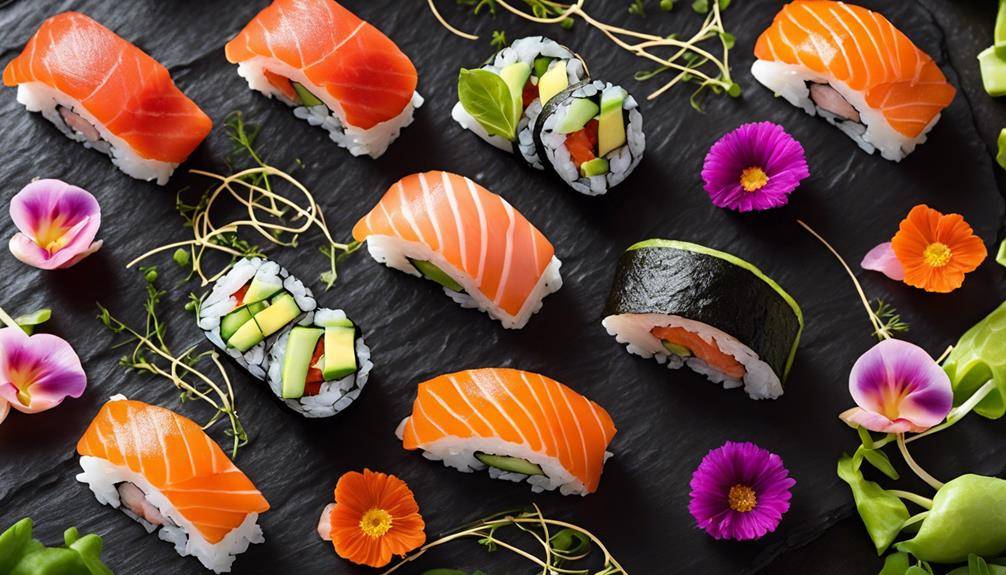
Exploring Seafood Choices For Delectable Sushi Rolls: When you’re exploring seafood choices for delectable sushi rolls, consider the variety and freshness of your ingredients. Salmon offers a rich flavor, while tuna provides a meaty consistency. Shrimp brings a light touch, and eel adds a sweet, smoky twist. Don’t forget about scallops for their tender sweetness or mackerel for a bold, oily flavor. For something exotic, sea urchin adds a creamy richness. Always prioritize sustainable sourcing to guarantee your seafood is both delicious and eco-friendly. Each option presents unique flavor profiles that can elevate your sushi experience, and there’s much more to discover about each choice!
The Art of Sushi Rolls
Click Here and Turn Every Masterpiece into a Showstopper!
Sushi rolls are a delightful fusion of flavors and textures, and mastering the art of making them can elevate your culinary skills. To truly appreciate sushi, it helps to understand its rich history. Originating in Japan, sushi began as a preservation method, using fermented rice to store fish. Over time, it evolved into the sushi we recognize today, with rolls becoming a popular choice due to their versatility and appeal.
When you start making sushi rolls, consider the regional variations that influence their flavors and ingredients. For example, California rolls, which incorporate avocado and imitation crab, reflect American tastes, while traditional sushi from Tokyo might emphasize fresh fish and minimal garnishes. By experimenting with various ingredients, you can create rolls that honor these styles or invent new combinations of your own.
It’s essential to focus on the balance of ingredients. A well-made sushi roll combines rice, seaweed, and fillings in a harmonious way. The rice should be sticky enough to hold everything together but not overpowering. You’ll also want to pay attention to the presentation; a beautifully arranged sushi roll invites enjoyment from your guests.
As you dive deeper into the art of sushi rolls, don’t hesitate to incorporate your favorite flavors and textures. With practice, you’ll not only refine your technique but also develop an appreciation for the cultural significance behind each bite. So roll up your sleeves, gather your ingredients, and let your creativity shine!
Understanding Sushi Seafood Types
When crafting your sushi rolls, choosing the right seafood can make all the difference in flavor and texture. Understanding the various types of sushi seafood available is essential for creating a delicious experience. You’ll often encounter options like salmon, tuna, shrimp, and eel—each offering unique characteristics.
Freshness is key when selecting your seafood. High-quality, fresh ingredients will elevate your sushi rolls and enhance the overall taste. Look for seafood that’s bright in color and has a clean, oceanic smell. If you’re unsure, don’t hesitate to ask your fishmonger about the sourcing and shelf life of the products.
Salmon, for instance, is a popular choice due to its rich flavor and buttery texture. It’s versatile and works well in various rolls. Tuna, particularly yellowfin or albacore, is another favorite, known for its meaty consistency. If you’re feeling adventurous, try incorporating eel, which has a sweet, smoky flavor and adds a different dimension to your rolls.
For those who prefer a lighter option, shrimp is excellent. Its subtle taste and firm texture complement many ingredients. Remember to reflect on the role of seafood in your rolls—whether you’re aiming for a delicate balance or a bold statement, your choice of sushi seafood will guide your flavor profile.
Fatty Tuna: A Luxurious Choice
When you think about luxurious sushi options, fatty tuna stands out with its unique flavor profile that’s rich and buttery. Not only does it taste amazing, but it also offers impressive nutritional benefits, making it a smart choice for your sushi rolls. You’ll quickly see why this delicacy is a favorite among sushi lovers.
Unique Flavor Profile
Fatty tuna, known as toro, stands out as one of the most luxurious choices in the world of sushi. Its rich, buttery texture and melt-in-your-mouth quality create an unforgettable umami experience. When you take a bite, the deep flavors of toro envelop your palate, making it a true indulgence.
What sets fatty tuna apart is its unique flavor combinations. The marbling of fat intertwines with the fish’s natural sweetness, resulting in a harmonious balance that complements various sushi accompaniments. Whether paired with a hint of wasabi, a touch of soy sauce, or even a sprinkle of sea salt, each bite enhances your overall enjoyment.
You’ll find that toro works beautifully in different sushi styles, from nigiri to rolls. Its luxurious nature allows it to shine even in simple preparations, making it a versatile ingredient in your sushi repertoire. As you explore various pairings, you’ll discover how this exquisite fish elevates your sushi experience, transforming it into something truly special. So, when you have the chance, don’t hesitate to indulge in fatty tuna. It’s a flavor journey you won’t want to miss!
Nutritional Benefits
The luxurious nature of fatty tuna isn’t just about its flavor; it also comes packed with impressive nutritional benefits. When you indulge in this exquisite fish, you’re not only treating your taste buds but also boosting your health. One of the standout features of fatty tuna is its high protein content. Just a single serving can provide you with a significant portion of your daily protein needs, making it an excellent choice for muscle maintenance and overall well-being.
Moreover, fatty tuna is renowned for its omega 3 benefits. These essential fatty acids play a vital role in heart health, reducing inflammation, and supporting brain function. By including fatty tuna in your sushi rolls, you’re giving your body a generous dose of these important nutrients. They can help lower cholesterol levels and improve blood circulation, contributing to long-term health.
Salmon: The Crowd Favorite
When it comes to sushi, salmon stands out as a crowd favorite for good reason. Not only is it packed with essential nutrients, but it also shines in various sushi preparations. Plus, understanding its sustainability and sourcing practices can help you make informed choices for your next sushi outing.
Nutritional Benefits of Salmon
Enjoying sushi rolls often means savoring the rich, flavorful taste of salmon, which is not just a crowd favorite but also a nutritional powerhouse. Packed with essential nutrients, salmon offers numerous health benefits that make it a fantastic choice for your sushi creations.
One of the standout features of salmon is its high omega-3 fatty acid content. These healthy fats are known for promoting heart health, reducing inflammation, and supporting brain function. Incorporating salmon into your diet can help you reap these omega-3 benefits while delighting your taste buds.
Additionally, salmon is an excellent source of protein, providing the building blocks your body needs for muscle repair and growth. It also contains essential vitamins and minerals, such as vitamin D and selenium, which are vital for maintaining overall health.
Popular Sushi Preparations
While there are countless sushi preparations out there, salmon remains a top choice for many sushi lovers due to its versatility and rich flavor. You’ll find salmon in various forms, from sashimi to nigiri and rolls, making it an essential sushi ingredient in any restaurant or home kitchen.
One popular preparation is the classic salmon nigiri, where a slice of fresh salmon sits atop a mound of seasoned rice, providing a simple yet delightful experience. If you’re feeling adventurous, try the salmon roll, which often combines salmon with avocado, cucumber, and a drizzle of spicy mayo.
Regional variations also highlight salmon’s appeal. In some areas, you might encounter the Alaska roll, featuring salmon, crab, and tempura flakes, while coastal regions may serve a unique smoked salmon sushi that adds an extra depth of flavor.
No matter how you choose to enjoy it, salmon’s rich taste and buttery texture can elevate your sushi experience. So, explore these preparations and see how salmon can be the star of your next sushi night!
Sustainability and Sourcing Practices
Sustainable sourcing practices are essential for ensuring that the salmon you enjoy in sushi rolls comes from responsible fisheries. When you choose salmon, it’s vital to look for labels that indicate eco-friendly fisheries. These certifications, like the Marine Stewardship Council (MSC) or the Aquaculture Stewardship Council (ASC), show that the fish is sourced sustainably, protecting marine ecosystems and promoting ethical fishing methods.
By prioritizing sustainable sourcing, you’re not only indulging in delicious sushi but also supporting practices that reduce overfishing and habitat destruction. Responsible fisheries implement measures to maintain fish populations and minimize environmental impact, ensuring that future generations can also enjoy this crowd-favorite fish.
When dining out or shopping for sushi ingredients, ask questions about where the salmon comes from. Many restaurants are becoming more transparent about their sourcing practices, reflecting a growing consumer demand for eco-friendly options. By making informed choices, you contribute to a market that values sustainability, encouraging more fisheries to adopt responsible practices. So, the next time you savor a salmon sushi roll, remember that your choice can make a difference in promoting sustainable seafood for everyone.
Eel: Sweet and Smoky Flavor
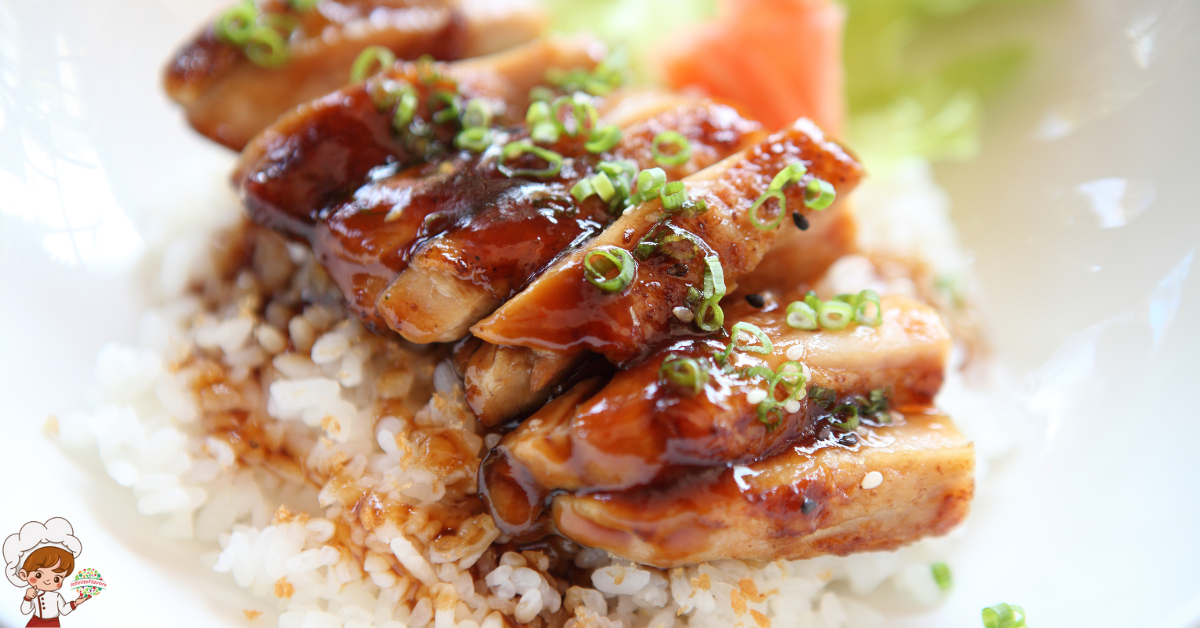
Eel, often featured in sushi rolls, captivates your palate with its sweet and smoky flavor. This unique seafood, known as unagi when cooked and anago when served fresh, brings a delightful richness to your sushi experience. The preparation of eel plays a significant role in achieving that perfect taste. Most sushi chefs grill the eel over charcoal, which imparts a smoky aroma that pairs wonderfully with its natural sweetness.
Before grilling, the eel undergoes a meticulous preparation process, which includes filleting and marinating it in a sweet soy-based sauce called kabayaki. This not only enhances the flavor but also caramelizes the surface, creating a slightly crispy texture that contrasts beautifully with the tender meat inside.
When it comes to eel pairing, you’re in for a treat. You can enjoy eel sushi rolls with various accompaniments that elevate the dish. Consider pairing it with a drizzle of wasabi, which balances the richness with a kick, or cucumber for a rejuvenating crunch. If you prefer a more traditional approach, a sprinkle of sesame seeds can add a nutty element that complements the eel’s flavors.
Incorporating eel into your sushi rolls not only enhances the taste but also adds a touch of sophistication. So, whether you’re a sushi connoisseur or a curious newcomer, eel deserves a spot on your plate. Immerse yourself in the world of sushi with this delectable option—you won’t regret it!
Shrimp: A Sweet Delight
Shrimp’s sweet taste isn’t just delicious; it also packs a nutritional punch with protein and essential vitamins. When preparing shrimp for sushi rolls, you’ll find various cooking techniques that enhance its flavor and texture. Let’s explore how to incorporate this delightful seafood into your next sushi creation!
Nutritional Benefits of Shrimp
While you might think of shrimp primarily as a delicious seafood option for sushi rolls, it’s also packed with nutritional benefits that can enhance your diet. Shrimp nutrition is impressive; these little crustaceans are low in calories yet high in protein, making them an excellent choice for anyone looking to maintain or lose weight. A typical serving contains about 20 grams of protein, which helps build and repair muscles.
Additionally, shrimp are rich in essential nutrients like selenium, vitamin B12, and iodine. Selenium plays an important role in metabolism and supports your immune system, while vitamin B12 is essential for nerve function and the production of red blood cells. Iodine, on the other hand, is necessary for thyroid health.
Incorporating shrimp recipes into your meals can also provide omega-3 fatty acids, which are known for their heart health benefits. You can enjoy shrimp in various forms, from sushi rolls to grilled dishes, ensuring you get both flavor and nutrition. So, next time you’re planning a meal, consider shrimp and its myriad health benefits to spice up your diet!
Cooking Techniques for Sushi
When preparing sushi, the cooking techniques you choose can elevate shrimp from a simple ingredient to a sweet delight. Start by ensuring your sushi rice is perfectly seasoned and sticky—this forms the foundation of your rolls. For shrimp, consider boiling or sautéing it briefly to maintain its natural sweetness while controlling temperature.
Next, use precise cutting methods to slice your shrimp evenly, enhancing both texture and presentation styles. When rolling, experiment with different rolling techniques, such as the inside-out roll, to showcase your shrimp beautifully.
Flavor balancing is essential; pair shrimp with ingredients like avocado or cucumber for contrast. You might also explore fusion innovations by adding a hint of mango or spicy mayo to elevate the taste.
Don’t forget seasoning tips—using a splash of soy sauce or a sprinkle of sesame seeds can enhance the overall flavor. Finally, consider traditional practices, like serving shrimp with wasabi or pickled ginger, to complete the experience. By mastering these techniques, you’ll create sushi rolls that highlight shrimp as a sweet delight, enchanting the taste buds of anyone who tries them.
Crab: A Versatile Option
Crab is often considered a versatile option for sushi rolls, thanks to its delicate flavor and varied textures. When you think of crab, you might picture several crab varieties, each bringing its unique taste and texture to your sushi creations. From the sweet, tender meat of the King crab to the rich, soft flesh of the Dungeness crab, you’ve got plenty of choices to elevate your rolls.
For crab preparation, you can opt for cooked or raw options, depending on the variety and your personal preference. If you choose to use imitation crab, or surimi, it’s a popular choice for its affordability and convenience. It’s already cooked, so you can simply slice it up and use it in your rolls. If you’re feeling adventurous, try using real crab meat. You can steam or boil it to enhance its natural flavors before incorporating it into your sushi.
Crab also pairs well with various ingredients, from avocado and cucumber to spicy mayo and sesame seeds, allowing you to create a myriad of flavor profiles. Whether you’re making a classic California roll or a more inventive fusion sushi, crab’s adaptability makes it a fantastic choice. Plus, its visual appeal adds a touch of elegance to your plate. So, the next time you’re crafting sushi rolls, don’t hesitate to explore the delicious possibilities that crab has to offer!
Click Here and Turn Every Masterpiece into a Showstopper!
Octopus: A Unique Texture
For those looking to expand their sushi repertoire, octopus offers a unique texture that sets it apart from more common ingredients. Its slightly chewy yet tender consistency can elevate your sushi experience. When it comes to octopus preparation, you’ll want to pay attention to how it’s cooked. Proper cooking is crucial; overcooking can make it tough, while the right technique yields a delightful bite.
One popular method involves simmering the octopus in a flavorful broth before slicing it thinly. This technique guarantees that the meat retains its moisture while absorbing the rich flavors of the broth. You can also try grilling or even marinating it to enhance its taste further. These methods create octopus dishes that are not only visually stunning but also incredibly flavorful.
In sushi rolls, octopus often pairs beautifully with ingredients like avocado, cucumber, or spicy mayo, providing a contrast to the creaminess and crunch of these components. You might also consider incorporating it into a sashimi platter, where its unique texture can shine without competing with other flavors.
When you’re ready to experiment, consider making a takoyaki, a popular Japanese street food featuring diced octopus in a savory batter. This dish showcases how versatile octopus can be beyond sushi, offering a delightful fusion of flavors and textures. So, immerse yourself in the world of octopus and discover the delicious possibilities it brings to your sushi creations!
Scallops: Sweet and Tender
Although many seafood options exist, scallops stand out with their sweet and tender flavor profile. These delicate mollusks can elevate your sushi rolls, offering a unique taste that pairs beautifully with a variety of ingredients. When considering scallops for your next sushi creation, you’ll want to focus on two key aspects: scallop preparation and scallop sourcing.
For scallop preparation, it’s crucial to handle them with care. Start by rinsing the scallops under cold water to remove any sand or impurities. Pat them dry gently with a paper towel to guarantee they sear properly if you choose to cook them briefly before adding them to your roll. You might also want to slice them thinly for a more elegant presentation, allowing their natural sweetness to shine through.
When it comes to scallop sourcing, always opt for fresh, high-quality scallops. Look for those that are sustainably harvested, as this not only guarantees a better flavor but also supports responsible fishing practices. If you can, buy from local fish markets or trusted suppliers who can provide information about the origin of their scallops. Frozen scallops can also work if fresh ones aren’t available, but make sure to thaw them properly before use.
Incorporating scallops into your sushi rolls will certainly impress your friends and family, showcasing your culinary skills and your appreciation for exceptional seafood.
Mackerel: Bold and Flavorful
Mackerel brings a bold and flavorful punch to sushi rolls that can elevate your dining experience. This fish is known for its rich, oily texture and robust taste, making it a fantastic choice if you’re looking to create something memorable. When preparing mackerel for sushi, a well-crafted mackerel marinade is essential. You can enhance its natural flavors by marinating it in a mixture of soy sauce, mirin, and a touch of sesame oil. This marinade not only complements the fish but also adds an umami depth that’s hard to resist.
When it comes to mackerel pairing, consider balancing the strong flavor profile with milder ingredients. Think about using cucumber or avocado for a revitalizing contrast. You can also add a hint of pickled ginger to bring some acidity into the mix, cutting through the richness of the mackerel. If you want to get adventurous, try incorporating a spicy mayo or a drizzle of sriracha for an unexpected kick.
Mackerel’s boldness makes it a versatile ingredient in sushi rolls, whether you opt for traditional nigiri or more inventive rolls. Its distinct taste can stand up to other strong flavors, allowing you to experiment with various combinations. So, don’t shy away from using mackerel in your next sushi creation; its unique character is sure to impress your guests and elevate your meal to a new level of deliciousness.
Sea Urchin: An Exotic Treat
Few seafood delicacies can match the unique allure of sea urchin in sushi rolls. Known for its creamy texture and briny flavor, sea urchin, or uni, offers a taste experience that’s truly unforgettable. When you take a bite, the rich, buttery notes melt in your mouth, making it a favorite among sushi enthusiasts.
To enjoy sea urchin delicacies, it’s vital to understand the harvesting techniques used to gather this sought-after ingredient. Divers typically collect sea urchins by hand, ensuring they select only the ripest specimens. This careful harvesting is imperative because the quality of uni can vary greatly based on the season and the conditions in which it’s collected.
When you’re exploring sushi options, don’t shy away from ordering a roll that features sea urchin. It pairs wonderfully with simple ingredients, like rice and a touch of wasabi, allowing the uni’s flavor to shine. If you’re feeling adventurous, try it with a splash of soy sauce or as part of a nigiri. Each preparation style reveals a different nuance of its taste.
However, remember that freshness is key. You’ll want to source your sea urchin from reputable sushi restaurants or markets that prioritize quality. After all, the experience of enjoying sea urchin is as much about the ingredient’s freshness as it is about its unique flavor profile. So go ahead, explore the world of sea urchin and elevate your sushi experience!
Sustainable Seafood Practices
Sustainable seafood practices are vital for preserving our oceans and guaranteeing that future generations can enjoy seafood delights like sushi rolls. When you choose seafood, it’s important to reflect on how it’s sourced. Responsible fishing methods help minimize environmental impact and protect marine ecosystems. Overfishing disrupts the balance of ocean life, so opting for sustainably caught fish guarantees that populations remain healthy.
You can also explore the benefits of eco-friendly aquaculture. This practice involves farming fish in a way that reduces harm to the environment. Look for certifications that indicate a farm follows sustainable practices, such as responsible feed sourcing and habitat protection. By choosing seafood from these sources, you’re supporting a system that prioritizes the health of our oceans.
Incorporating sustainable seafood into your sushi rolls not only enhances their flavor but also contributes to a positive environmental impact. When you’re at the market or a restaurant, don’t hesitate to ask about the sourcing of the seafood. Knowledgeable staff can guide you towards options that align with sustainable practices.
Click Here and Turn Every Masterpiece into a Showstopper!
Frequently Asked Questions: Exploring Seafood Choices For Delectable Sushi Rolls
What Are the Best Sushi Rolls for Beginners?
When you’re starting out, try California rolls or shrimp tempura rolls. These sushi roll types offer mild flavors and familiar ingredients. The combination of creamy avocado and crunchy vegetables makes for delightful flavor combinations you’ll enjoy.
How Can I Tell if Seafood Is Fresh for Sushi?
To tell if seafood’s fresh, check quality indicators like smell, color, and texture. Remember, seafood has a short shelf life, so always choose vibrant, firm pieces. Trust your senses; they won’t lead you astray!
Are There Vegetarian Sushi Options Available?
Yes, there are plenty of vegetarian sushi options available. You can enjoy vegan sushi made with alternative ingredients like cucumber, avocado, and pickled vegetables, making it a delicious choice for those avoiding seafood.
What Dipping Sauces Pair Well With Sushi Rolls?
When you’re enjoying sushi rolls, consider dipping them in soy sauce for umami, spicy mayo for a kick, or eel sauce for sweetness. Each sauce variety enhances different flavor profiles, elevating your sushi experience. Enjoy!
How Should Sushi Be Stored for Later Consumption?
To store sushi properly, wrap it tightly in plastic wrap and refrigerate. Sushi’s shelf life is short—ideally consume within 24 hours. Use proper sushi refrigeration techniques to maintain freshness and flavor for later enjoyment.

Conclusion
In exploring the world of sushi rolls, you’ll discover a variety of seafood options that cater to every palate. From the luxurious fatty tuna to the sweet and tender scallops, each choice brings its own unique flavor. Don’t forget the bold mackerel and the exotic sea urchin for a truly adventurous experience. As you enjoy these delectable creations, consider sustainable seafood practices to guarantee future generations can savor these delights too. Happy sushi-making!