Six Great Tips For Cooking Seasonal Vegetarian Dishes
Six Great Tips For Cooking Seasonal; To cook delicious seasonal vegetarian dishes, start by understanding what’s in season to enhance flavor and nutrition. Plan meals around seasonal produce to simplify shopping and maximize freshness. Check out local markets for the best ingredients while supporting nearby farmers. Don’t hesitate to experiment with fresh herbs and spices; they can elevate any dish. Consider preserving your seasonal finds through freezing or pickling to enjoy them later. Finally, get creative with leftovers to minimize waste and create new meals. Keep exploring these tips to reveal even more culinary possibilities!
Understand Seasonal Produce
When you understand seasonal produce, you reveal a world of flavors and freshness that enhances your cooking. Each season brings a unique array of fruits and vegetables, ripe and ready to elevate your dishes. By knowing which ingredients are in season, you can take advantage of their peak taste and nutritional value. This not only makes your meals healthier but also more vibrant and appealing.
One of the key seasonal benefits is the abundance of produce availability. When you select items that are in season, you’re likely to find them at their freshest and most affordable. For instance, summer offers juicy tomatoes and sweet corn, while fall brings hearty squash and crisp apples. This variety allows you to experiment with new recipes and flavors throughout the year.
Moreover, incorporating seasonal produce into your cooking often means supporting local farmers and reducing your carbon footprint. When you shop at local farmers’ markets or join a community-supported agriculture (CSA) program, you deepen your connection to the food you eat. You’ll find produce that hasn’t traveled far, ensuring maximum freshness and flavor.
Plan Your Meals
Planning your meals around seasonal produce not only maximizes flavor but also simplifies your grocery shopping. When you focus on what’s in season, you can create a meal planning strategy that highlights fresh ingredients. Start by researching which fruits and vegetables are currently available in your area. This knowledge will help you make informed decisions about what to include in your meals.
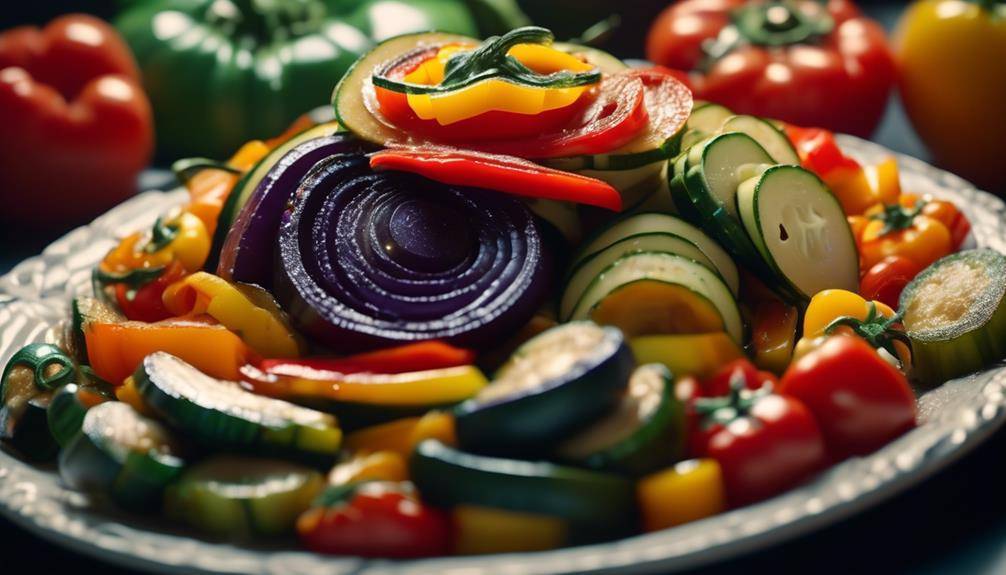
Next, create a weekly meal plan that incorporates these seasonal ingredients. For example, if tomatoes and zucchini are in season, think about dishes like ratatouille or a fresh tomato salad. This approach not only boosts your culinary creativity but also guarantees you’re using the freshest produce, enhancing the taste of your meals.
As you move forward, consider ingredient sourcing. Local farms or farmers’ markets often have the best seasonal produce, which can make your meals even more delicious. When you know where to find these ingredients, you can streamline your grocery shopping and reduce food waste. You’ll find that planning your meals around what’s available helps you avoid impulse buys and stick to your budget.
Lastly, don’t be afraid to experiment with new recipes or adapt old favorites to incorporate seasonal ingredients. This flexibility keeps your meals exciting and encourages you to try new flavors. By prioritizing meal planning and ingredient sourcing, you’ll not only enjoy vibrant, seasonal dishes but also cultivate a deeper connection to the food you eat.
Embrace Local Markets
There’s something special about visiting local markets that can transform your cooking experience. When you step into a farmers’ market, you’re not just shopping; you’re connecting with local suppliers who share your passion for fresh, seasonal ingredients. You’ll find a diverse array of produce, often harvested just hours before, allowing you to taste the true essence of the season.
By embracing local markets, you support sustainable practices that benefit your community. Seek out seasonal events in your area, where you can learn about the importance of buying local and discover unique artisan products. These markets often feature vendors who prioritize organic farming and eco-friendly methods, ensuring you’re making a positive impact with your food choices.
Community gardens are another fantastic resource. They often host workshops and cooking classes, where you can learn how to make the most of the seasonal bounty. Not only will you pick up a few culinary tips, but you’ll also meet like-minded individuals who share your enthusiasm for vegetarian cooking.
Don’t overlook food co-ops, either. They provide a great way to access local produce, often at a lower cost than traditional grocery stores. Plus, many co-ops offer membership benefits that can further enhance your shopping experience.
Experiment With Flavors
When you experiment with flavors, fresh herbs and spices can transform your dishes into something extraordinary. Pairing seasonal ingredients not only enhances taste but also adds a vibrant touch to your meals. So, don’t be afraid to mix and match—your palate will thank you!
Fresh Herbs and Spices
With the changing seasons, fresh herbs and spices can transform your vegetarian dishes into vibrant culinary experiences. You don’t have to stick to the same boring flavors; instead, explore different herb varieties that can elevate your meals. Basil, cilantro, dill, and parsley each bring their unique profiles, enhancing the freshness of your dishes.
Experimenting with spice blends can also add depth and warmth. Consider mixing cumin, coriander, and smoked paprika for a delightful kick, or try a za’atar blend for a Middle Eastern twist. These combinations can turn simple ingredients into something extraordinary.
Don’t be afraid to play around with quantities, either. A handful of fresh herbs can brighten up a hearty soup, while a pinch of spices can transform roasted vegetables. Tasting as you go guarantees you find the right balance for your palate.
Seasonal Ingredient Pairings
Seasonal ingredient pairings can elevate your vegetarian dishes by creating unexpected flavor combinations that excite your palate. Start by exploring root vegetable combinations, like sweet potatoes and parsnips, which add depth and sweetness to your meals. Mix them with some aromatic vegetable duos such as garlic and thyme to enhance their natural flavors.
Don’t forget about fruit and grain pairings! Try tossing quinoa with roasted seasonal fruits like pears or figs for a delightful contrast in texture and taste. Leafy greens mixes, like kale and arugula, can be further enriched with citrus vinaigrette for a revitalizing salad.
Legume assortments are another great way to diversify your dishes. Combine chickpeas with lentils for a protein-packed meal that’s both filling and nutritious. For an added crunch, seasonal nut blends like walnuts and pecans can offer texture and healthy fats.
Lastly, keep experimenting! Play with different combinations and find what excites your palate. Embrace the seasonal bounty around you, and you might just discover a new favorite dish that celebrates the vibrant flavors of each season.
Preserve Seasonal Ingredients
To make the most of your seasonal bounty, you can preserve ingredients for future meals. Freezing, pickling, and drying are all effective methods to keep your favorite flavors on hand. Let’s explore how these techniques can enhance your cooking all year round.
Freezing for Future Use
While you might savor the flavors of fresh vegetables during their peak season, freezing offers a practical way to enjoy these ingredients long after they’ve faded from the market. By using effective freezing techniques, you can preserve the taste and nutritional value of seasonal produce, making meal prep a breeze later on.
Start by washing and cutting your vegetables into uniform pieces. Blanching them briefly in boiling water before freezing helps maintain their color and texture. After blanching, cool them quickly in ice water to stop the cooking process. Once dried, spread the veggies on a baking sheet and freeze them individually for a couple of hours. This prevents clumping and allows you to grab just what you need when you’re ready to cook.
Once frozen, transfer the vegetables to airtight containers or freezer bags, labeling them with the date. This way, you can easily track what you have on hand. When you’re ready to whip up a dish, just pull out the amount you need, and enjoy the flavors of the season any time of year. Freezing not only saves you time but also helps reduce food waste.
Pickling Seasonal Vegetables
Pickling seasonal vegetables is a fantastic way to preserve the vibrant flavors and crunch of your favorite produce. It’s not only a great method to extend the life of your veggies but also adds a zesty kick to your meals. If you’re short on time, quick pickling is your best friend. You can whip up a tangy brine of vinegar, water, salt, and sugar, and pour it over your sliced vegetables for instant flavor.
For a more complex taste, consider fermenting vegetables. This method involves submerging your veggies in a saltwater brine, allowing natural bacteria to work their magic over several days or weeks. The result? Deliciously tangy fermented vegetables packed with probiotics.
You can pickle just about anything—cucumbers, carrots, radishes, or even green beans. Get creative and experiment with spices like dill, garlic, or chili flakes to personalize your pickling process. Not only do these preserved delights add a pop of color to your plate, but they also provide a unique depth of flavor. So grab those seasonal veggies and start pickling; your taste buds will thank you!
Drying Herbs and Spices
Drying herbs and spices is an excellent way to preserve the essence of your seasonal bounty. It allows you to enjoy the vibrant flavors of your garden long after the harvest is over. Start by choosing fresh herbs, like basil, thyme, or oregano. Rinse them gently and pat them dry to remove excess moisture, which can hinder the drying process.
Next, you can dry them using several methods. Air drying is simple; just tie the stems together and hang them upside down in a warm, dark place. Alternatively, you can use a food dehydrator or an oven set to low heat for quicker results. Keep an eye on them, as you want them to be crispy but not burnt.
Once your herbs are fully dried, store them in airtight containers, away from light to maintain their flavor. You can also create your own spice blends by combining dried herbs with spices like paprika or garlic powder. This method of herb preservation not only saves your seasonal ingredients but also enhances your dishes with unique flavors year-round. Enjoy experimenting with your dried herbs and spice blends in your seasonal vegetarian cooking!
Explore Global Cuisines
When you immerse yourself in global cuisines, you’ll discover a vibrant tapestry of flavors and techniques that elevate seasonal vegetarian dishes. Each culture offers unique ingredients and traditional recipes that can inspire your cooking, making your meals more exciting and diverse.
Take inspiration from Mediterranean cuisine, where fresh vegetables, herbs, and grains come together to create colorful salads and hearty stews. You can mix roasted eggplant with tahini for a delicious baba ganoush or toss seasonal greens with olives and feta for a revitalizing salad. The cultural influences from this region emphasize the importance of using local, fresh produce.
Exploring Asian cuisines can also add depth to your vegetarian repertoire. Think about stir-frying seasonal veggies with soy sauce, ginger, and garlic for a quick and flavorful dish. Incorporate traditional recipes like a Thai green curry, using coconut milk and seasonal vegetables to create a rich, aromatic experience.
Don’t forget about Latin American flavors, where beans, corn, and peppers shine. You can make a hearty vegetable tamale or a summer corn salad with lime and cilantro. Each of these culinary traditions showcases the beauty of seasonal ingredients while offering a glimpse into the culture and history behind the dishes.
Focus on Nutritional Balance
Achieving nutritional balance is essential for creating satisfying seasonal vegetarian dishes. When you’re focusing on meals that are both delicious and nourishing, you need to pay attention to nutrient density. This means selecting ingredients that provide a high amount of vitamins, minerals, and other beneficial compounds relative to their calorie content. By doing so, you’re guaranteeing that every bite counts.
Start by incorporating a variety of colorful vegetables, whole grains, and legumes. These ingredients not only add flavor but also contribute to balanced meals. For instance, pairing quinoa with roasted seasonal vegetables and a protein source like chickpeas gives you a complete dish that’s rich in essential nutrients. Don’t forget healthy fats, too; adding avocado, nuts, or seeds can elevate your meal’s nutrient profile further.
Additionally, think about portion sizes and combinations. A well-rounded plate might include a serving of whole grains, a generous portion of vegetables, a protein source, and a small amount of healthy fat. This approach not only enhances the taste but also promotes satiety, helping you feel satisfied longer.
Lastly, keep an eye on variety throughout the week. Eating a diverse range of seasonal produce guarantees you’re getting a broad spectrum of nutrients. By focusing on nutrient density and balanced meals, you’ll create vegetarian dishes that nourish your body and delight your taste buds, making every meal a celebration of seasonal abundance.
Get Creative With Leftovers
Leftovers can be a fantastic opportunity to get creative in the kitchen while minimizing waste. Instead of letting those extra veggies or grains languish in the fridge, think about how you can perform some leftover transformations to create exciting new dishes. For instance, yesterday’s roasted vegetables can easily become a flavorful frittata or a hearty soup when blended with vegetable broth.
You can also try creative repurposing with grains. If you’ve got leftover quinoa or rice, toss it with fresh herbs, lemon juice, and a splash of olive oil for a rejuvenating salad. Alternatively, mix it with beans and spices to whip up delicious veggie burgers. Don’t forget about sauces and dips—leftover pesto or salsa can elevate plain pasta or sandwiches into something extraordinary.
When it comes to salads, get inventive! Combine leftover greens with nuts, cheese, and any other stray ingredients you have on hand. A little creativity can turn a simple salad into a gourmet meal.
Desserts can benefit from your leftover stash too. Stale bread can transform into a delightful bread pudding, while overripe fruits can be made into smoothies or baked into muffins.
Frequently Asked Questions: Six Great Tips For Cooking Seasonal
What Are Some Easy Seasonal Vegetarian Recipes for Beginners?
If you’re looking for easy seasonal vegetarian recipes, try a simple salad with fresh greens and seasonal veggies. You can also whip up a hearty stew using root vegetables and herbs for a comforting meal.
How Do I Know When Produce Is in Season?
To know when produce is in season, check local markets regularly. You’ll find seasonal produce that reflects the harvest cycles. Asking vendors can also help you discover what’s freshest and most flavorful right now.
Can I Substitute Frozen Vegetables for Fresh in Seasonal Dishes?
You can definitely substitute frozen alternatives for fresh vegetables in seasonal dishes. Just adjust your cooking techniques slightly, as frozen veggies may require less time to cook, ensuring you maintain flavor and texture. Enjoy experimenting!
How Do I Store Seasonal Vegetables to Maintain Freshness?
To maintain freshness, use proper storage techniques for your seasonal vegetables. Keep them in the fridge at ideal temperatures, ideally between 32-40°F, and store them in breathable bags or containers to prevent moisture buildup.
What Are Some Common Cooking Mistakes With Seasonal Vegetarian Ingredients?
When cooking with seasonal vegetarian ingredients, you might overcook vegetables, losing their vibrant texture and flavor. Also, improper seasoning can mask their natural tastes, so make sure to season thoughtfully for the best results.

Conclusion
By embracing seasonal vegetarian cooking, you’re not just enjoying fresh flavors but also supporting local farmers and reducing your carbon footprint. With a little planning and creativity, you can whip up delicious meals that celebrate the best of each season. Don’t hesitate to experiment with new ingredients and global recipes, and remember to make the most of your leftovers. So, immerse yourself in the vibrant world of seasonal produce and let your culinary journey begin!
If you enjoyed exploring this topic and want to dive even deeper, be sure to check out some of our other articles here on Infinite Flavors. From rich culinary histories to creative twists on classic recipes, there’s always something new to discover. Whether you’re curious about the origins of a dish, looking for fresh inspiration in the kitchen, or simply love learning about food culture, our collection of posts is the perfect next step on your flavor journey.
Easy Vegetarian Recipes For Busy College Students
Exciting Top 10 Tips For Perfect Vegetarian Burgers
Exploring Amazing Gluten-Free Vegetarian Cuisine: A How-To