Steaming Techniques For Chinese Buns
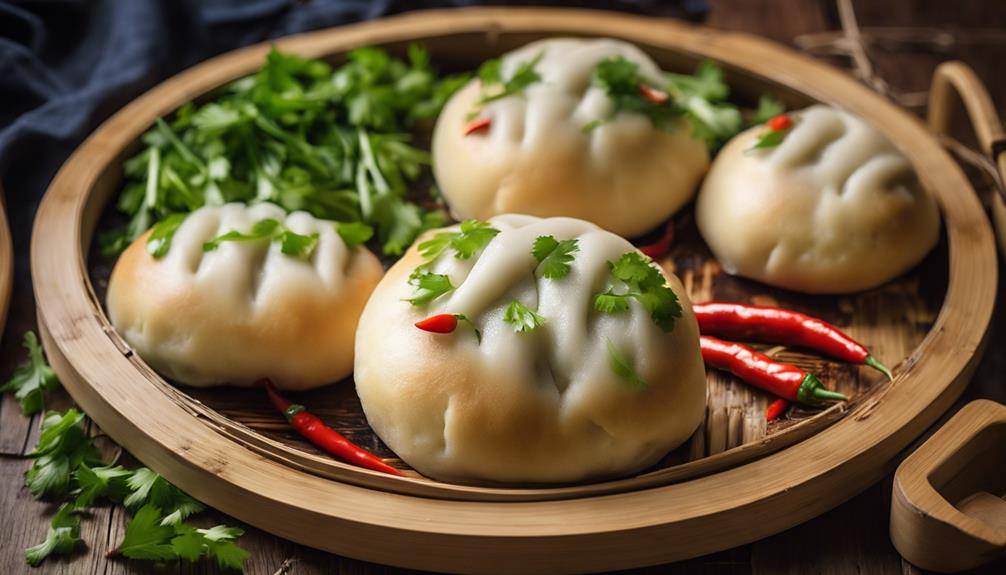
Steaming Techniques For Chinese Buns: To steam Chinese buns, you'll want to maintain a consistent temperature around 212°F (100°C), ensuring they're fluffy and evenly cooked. Use bamboo or metal steamers, lining them with parchment or cabbage leaves to prevent sticking. Steam your buns for about 10 to 15 minutes, adjusting for size and filling type. Remember to cover the steamers with a cloth to retain humidity. If you face issues with the dough's elasticity or texture, revisit your kneading and fermentation methods. There's much more to explore to perfect your buns, including various fillings and serving suggestions!
Click Here and Turn Every Masterpiece into a Showstopper!
Understanding Chinese Buns
Chinese buns, known as "bao," are a delightful staple of Chinese cuisine that come in various forms and flavors. When you investigate the world of bao, you'll find a rich tapestry of cultural significance woven throughout their history. These buns aren't just food; they represent tradition, community, and even celebration in many Chinese households.
You might be surprised by the regional variations you encounter. In Northern China, you'll often find steamed buns filled with savory ingredients like pork or vegetables, known for their fluffy texture. Conversely, Southern regions might offer sweet bao, filled with red bean paste or custard. Each variation tells a story, reflecting local ingredients and culinary practices, making bao a culinary map of China.
As you explore these different types, you'll notice how bao plays a role in festivals and family gatherings, symbolizing unity and prosperity. For instance, during the Lunar New Year, families often make bao together, fostering bonds and passing down recipes through generations.
Whether you're enjoying a classic pork bun from a street vendor or a delicate sweet bao at a family dinner, you're partaking in a tradition that spans centuries. So, the next time you savor a bao, remember the cultural significance and regional variations that make each bite a connection to a rich heritage. It's not just a delicious treat; it's a piece of history.
The Science of Steaming
When you steam Chinese buns, the right temperature and timing are essential for achieving that perfect texture. You'll want to understand the ideal steaming conditions and the best equipment to use for consistent results. Let's explore the science behind steaming to guarantee your buns turn out fluffy and delicious every time.
Ideal Steaming Temperature
Achieving the ideal steaming temperature is crucial for perfecting your buns, as it directly affects their texture and flavor. When you steam your buns, you want to maintain a consistent temperature that allows for peak steam. This guarantees that the buns cook evenly and develop that desired fluffy interior. The ideal steaming temperature typically hovers around 212°F (100°C), which is the boiling point of water.
At this temperature, you'll generate enough steam to create the ideal moisture levels necessary for soft, airy buns. If the temperature dips too low, the buns may end up dense and undercooked. Conversely, if it gets too high, the buns can become rubbery and dry.
Using a steamer basket or a bamboo steamer can help regulate the temperature effectively. Make sure there's enough water in the pot to maintain that steam, but avoid letting the water touch the buns directly. Monitoring your heat source closely is key; you want to keep it steady to achieve that peak steam. With the right temperature, you'll elevate your buns from good to extraordinary, guaranteeing each bite is a delightful experience.
Steam Time Guidelines
Once you've nailed the ideal steaming temperature, the next step is to focus on steam time, which plays a significant role in the overall cooking process. The steam duration directly affects the bun texture, transforming your dough from a sticky mass into a fluffy delight.
Generally, most Chinese buns require about 10 to 15 minutes of steaming. If you're working with larger buns, you might need to extend that time to guarantee they cook through properly. On the flip side, smaller buns can often be ready in about 8 to 10 minutes. To avoid overcooking, keep an eye on them; you want a soft and airy texture, not a dense or chewy one.
It's also essential to remember that the steam duration can vary based on the filling. For example, buns filled with ingredients that need longer cooking times, like meats, may need extra minutes. Likewise, if you're steaming from frozen, add an additional 5 minutes to your cooking time. By mastering steam time, you'll achieve the perfect bun texture every time, guaranteeing your steamed creations are both delicious and visually appealing.
Equipment Choices Explained
Choosing the right equipment is essential for perfecting your steaming technique, as it can greatly impact the final outcome of your Chinese buns. You'll want to invest in high-quality steaming equipment that evenly distributes heat and retains moisture. A bamboo steamer is an excellent choice; its ideal materials allow for proper airflow and moisture retention, helping your buns cook evenly.
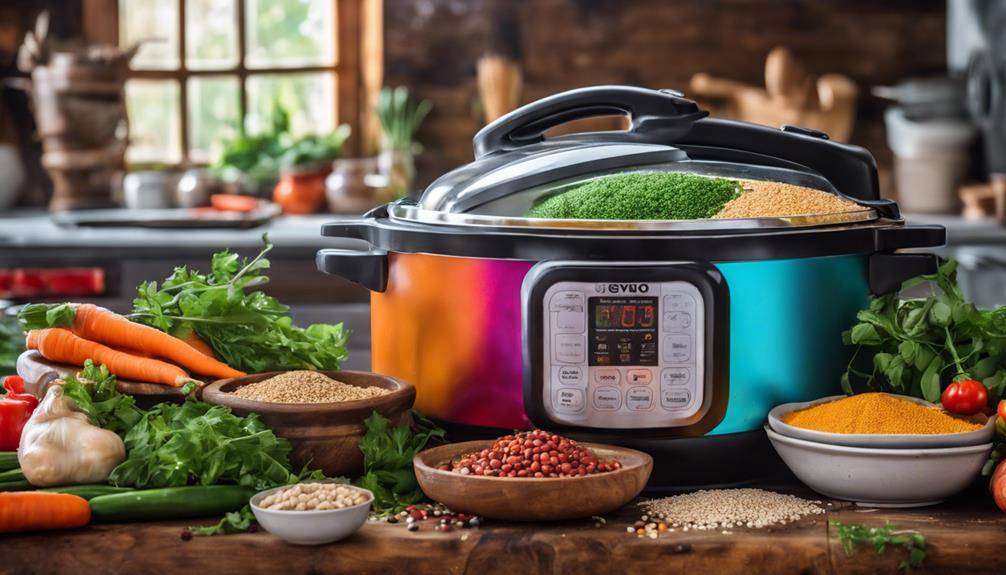
If you prefer electric options, consider a multi-tiered electric steamer. These appliances provide consistent steam and can handle multiple batches at once. Make sure you use the right size to prevent overcrowding, which can lead to uneven cooking. If you're using a pot and steaming rack, choose a deep pot that can hold enough water without risking boiling dry.
Equipment Needed for Steaming
When it comes to steaming Chinese buns, having the right equipment is key. You'll want to explore essential steaming tools, consider alternative methods, and keep safety precautions in mind to guarantee perfect results. Let's break down what you need to get started.
Essential Steaming Equipment
To steam delicious Chinese buns, you'll need some essential steaming equipment that guarantees perfect results every time. A steam basket is your primary tool, allowing steam to circulate around the buns evenly. You can choose between bamboo and metal steam baskets. Bamboo offers great insulation and absorbs excess moisture, enhancing the flavor, while metal provides quick and efficient heat transfer, making it a sturdy choice for various steaming variations.
Don't forget to invest in steaming accessories, like parchment paper or cabbage leaves, to prevent sticking and maintain the buns' presentation. If you're looking for electric convenience, an electric steamer can simplify the process, allowing you to set it and forget it.
Using these steaming essentials not only makes cooking easier but also promotes health benefits, as steaming retains nutrients better than frying. Embracing traditional methods, you'll discover the cultural significance of steaming in Chinese cuisine, connecting you to centuries of culinary history. With the right equipment in hand, you're well on your way to mastering the art of steaming and enjoying delicious homemade Chinese buns!
Alternative Steaming Methods
While traditional steam baskets are great, there are several alternative steaming methods you can explore to perfect your Chinese buns. One popular option is using a large pot with a heatproof plate or a metal colander placed over simmering water. This setup mimics the traditional methods while allowing you to steam more buns at once. Just make sure the plate or colander doesn't touch the water.
Another modern adaptation is the use of an electric steamer. These appliances often come with multiple tiers, making it easy to steam several batches simultaneously. You'll appreciate the convenience, especially when you're preparing for a gathering.
If you're feeling adventurous, try the microwave steaming method by placing your buns in a microwave-safe dish, adding a little water, and covering it with a lid or microwave-safe wrap. This method is quick and retains moisture effectively.
Lastly, silicone steamers are a fantastic, flexible option. They're easy to clean and can be used inside pots or microwaves. With these alternative methods, you can enjoy deliciously steamed Chinese buns without being confined to traditional equipment. Explore these options and find what works best for you!
Safety Precautions While Steaming
Steaming buns requires careful attention to safety precautions to guarantee a smooth cooking experience. First and foremost, practice safe handling of all equipment. Verify your steamer is in good working condition through regular equipment maintenance to avoid any unexpected malfunctions. Always monitor temperature and steam pressure to prevent overcooking or damaging your buns.
Hygiene practices are essential, too. Wash your hands before handling any ingredients and verify that all surfaces and utensils are clean. This not only protects your food safety but also enhances the overall quality of your steamed buns.
When placing buns in the steamer, be mindful of avoiding burns. Use long tongs or gloves when handling hot items, and always open the steamer lid away from your face to avoid steam burns.
Lastly, pay attention to steam safety. Keep a safe distance from the steam outlet, and verify there's proper ventilation in your cooking area. By following these guidelines, you can enjoy the art of steaming buns without compromising safety or quality.
Choosing the Right Steamer
When selecting the right steamer for your Chinese buns, ponder both the type and size that best suits your cooking needs. The materials you choose can greatly impact the steaming process. Common steamer materials include stainless steel, bamboo, and silicone. Each offers unique benefits—stainless steel is durable and easy to clean, while bamboo is often favored for its traditional techniques and ability to absorb moisture, adding flavor.
Next, think about the steamer sizes. If you're cooking for a large family or hosting a gathering, a bigger steamer will help you cook multiple buns at once, saving you time. On the other hand, if you're only preparing a few buns for yourself, a smaller steamer will suffice.
Steamer shapes also play a role in your decision. Round steamers are typical for traditional Chinese buns, but you might find rectangular options that fit better in your kitchen setup or steamer pot.
Don't forget to reflect on modern adaptations, such as electric steamers, which can simplify the steaming process and allow for precise temperature control. These are especially useful if you want to experiment with different regional variations of Chinese buns, as they often require specific steaming techniques.
Bamboo Steamers Explained
Bamboo steamers are a popular choice among home cooks for their effectiveness and traditional appeal. They come in various sizes, allowing you to choose the perfect fit for your kitchen and the number of buns you're preparing. Smaller steamers are great for quick meals, while larger ones can accommodate multiple layers, letting you steam several dishes simultaneously.
One of the bamboo benefits is its natural ability to infuse flavors. As your buns steam, the bamboo subtly adds a hint of earthiness, enhancing the overall taste. This traditional usage has been passed down through generations, and many believe it contributes to the authentic experience of enjoying Chinese buns.
Bamboo maintenance is straightforward. After each use, simply clean your steamer with a damp cloth, avoiding soap to prevent compromising the wood's natural properties. Make sure you let it dry completely to avoid mold growth, preserving its longevity.
When using a bamboo steamer, it's crucial to follow steaming etiquette. Always line the steamer with parchment paper or cabbage leaves to prevent sticking and allow for proper airflow. This practice not only guarantees your buns retain their shape but also enhances flavor infusion.
Using Metal Steamers
Metal steamers offer a durable and efficient alternative for cooking Chinese buns. They're designed to withstand high temperatures and heavy use, making them a reliable choice for your kitchen. One of the key metal steamer benefits is their ability to heat evenly, guaranteeing that your buns cook thoroughly without any cold spots. Plus, metal steamers typically come with multiple tiers, allowing you to cook several buns at once, which is perfect for gatherings or meal prep.
When using a metal steamer, it's important to keep a few maintenance tips in mind. Always verify that your steamer is clean before each use. After steaming, wash it with warm, soapy water to remove any residue. Avoid using abrasive scrubbers, as they can scratch the surface. If you notice any buildup, soaking the steamer in warm water can help loosen stubborn spots.
Another benefit of metal steamers is their versatility. You can use them on the stovetop, in the oven, or even over a pot of boiling water, which gives you flexibility in your cooking process. Just remember to keep an eye on the water level to prevent it from drying out.
Incorporating a metal steamer into your cooking routine not only enhances the flavors of your Chinese buns but also simplifies your cooking experience. With proper maintenance, your metal steamer will last for years, making it a worthwhile investment for any home cook.
Electric Steamers Overview
Electric steamers present an innovative alternative to traditional metal steamers, making the steaming process even more convenient. With their automated features, you can set the timer and temperature, allowing you to focus on other tasks while your buns cook to perfection. One of the key electric steamer benefits is the ability to steam multiple layers simultaneously, maximizing your cooking efficiency. This is especially helpful when you're preparing large batches of buns for family gatherings or parties.
Another advantage is the consistent steam distribution that electric steamers provide. Unlike metal steamers, which can have hot spots, electric models guarantee even cooking throughout. You'll notice improved texture and flavor in your buns, making them more enjoyable to eat. Plus, many electric steamers come with built-in timers and automatic shut-off features, adding an extra layer of safety to your cooking routine.
When it comes to electric steamer maintenance, keeping your device in good shape is relatively straightforward. Regularly clean the water reservoir and steaming trays to prevent any buildup of mineral deposits. Most steamers have removable parts that are dishwasher-safe, making cleanup a breeze. It's also a good idea to check the power cord and plug for any signs of wear and tear to guarantee safe operation. By following these maintenance tips, you can extend the lifespan of your electric steamer, making it a reliable kitchen companion for all your steaming needs.
Click Here and Turn Every Masterpiece into a Showstopper!
Preparing the Dough
When you're preparing the dough for Chinese buns, it's essential to get the ratios and ingredients just right. Start with high-quality flour, preferably all-purpose or bread flour, to guarantee proper dough hydration. To enhance flavor and improve texture, consider adding a bit of sugar and salt. A typical ingredient ratio is around 3 cups of flour to 1 cup of water, but you may need to adjust based on humidity and flour type.
Once you've mixed your ingredients, focus on kneading techniques. Knead the dough for about 10 minutes until it's smooth and elastic. This will help develop the gluten, which is crucial for dough elasticity. After kneading, let the dough rest for at least 30 minutes. This resting time allows the gluten to relax, making shaping easier.
Next, incorporate a fermentation process. Let the dough rise in a warm place until it doubles in size. This proofing method not only enhances flavor but also improves the overall texture of the buns. Keep an eye on the dough; the fermentation process can vary based on temperature.
After proofing, shape your buns using effective shaping techniques. Make sure to handle the dough gently to retain the air pockets formed during fermentation. The final proofing is significant too—allow the shaped buns to rest for about 15-20 minutes before steaming. This step guarantees a light, fluffy texture, setting you up for delicious results.
Filling Options for Buns
When it comes to filling your buns, the options are endless! You can choose from popular meat fillings, explore vegetarian ideas, or satisfy your sweet tooth with dessert options. Let's take a closer look at these delicious choices to elevate your steaming game.
Popular Meat Fillings
Many delicious meat fillings can elevate your Chinese buns to new heights. For starters, you can't go wrong with classic pork or chicken fillings. These meats adapt well to various cooking methods, like steaming or sautéing, allowing you to create tender, flavorful bites. To enhance their flavor profiles, consider incorporating garlic, ginger, or scallions.
Regional variations bring even more excitement to your buns. For instance, in Northern China, you might find a savory lamb filling with cumin, while Southern versions often feature a sweet and sticky barbecue pork. Each region offers popular recipes that reflect local tastes and ingredients.
When it comes to sauce pairings, think soy sauce, hoisin, or even chili oil to complement your meat filling. These condiments not only elevate the flavor but also add a delightful kick.
Vegetarian Filling Ideas
If you're looking to expand your bun repertoire, consider the delicious world of vegetarian fillings. You can experiment with a spicy tofu mix that packs a punch, or savor a savory mushroom medley that adds depth to your buns. A colorful vegetable mix can provide a crisp crunch, while a hearty lentil filling offers a satisfying protein boost.
For a touch of sweetness, try incorporating sweet potato, which pairs well with spices. You might also enjoy a tangy cabbage slaw, perfect for adding texture and flavor. If you're in the mood for something exotic, whip up a chickpea curry that'll tantalize your taste buds.
For a nutritious twist, consider a quinoa blend mixed with herbs and veggies. An eggplant delight can introduce a creamy element, while a carrot ginger filling brings a revitalizing zing. Each of these vegetarian options not only enhances the flavor profile of your buns but also caters to a variety of dietary preferences. So roll up your sleeves, get creative, and prepare to delight everyone with these vibrant and tasty fillings!
Sweet Fillings Options
While savory fillings often steal the spotlight, sweet fillings can elevate your buns to a whole new level of indulgence. You've got a myriad of options to choose from, each bringing its unique flavor and texture. Start with traditional red bean or lotus paste for a classic taste that never disappoints. If you're feeling adventurous, try peanut butter for a creamy twist or blend it with chocolate ganache for a rich, decadent treat.
Fruit fillings can brighten your buns, offering a revitalizing contrast to the dough. Consider custard cream for a luscious, silky filling, or mix in spiced pumpkin for a seasonal favorite. For something a bit nuttier, sesame paste delivers a distinct flavor that pairs beautifully with sweet dough.
Don't forget the matcha filling, which adds an earthy note and vibrant color, perfect for those who love green tea. Finally, a dollop of cream cheese can bring a tangy richness, making your buns irresistible. Whichever sweet filling you choose, you're sure to impress with these delightful combinations that turn every bite into a special occasion. Enjoy experimenting!
Steaming Techniques
Steaming Chinese buns requires just a few key techniques to assure they come out fluffy and delicious. First, consider the traditional methods of steaming. You can use a bamboo steamer, which not only enhances flavor but also allows for even cooking. Line the steamer with parchment paper or cabbage leaves to prevent sticking, a technique that's been passed down through generations.
Next, let's talk about texture improvement. Make sure your buns are properly shaped and proofed before steaming. This allows the dough to rise, resulting in that sought-after soft texture. Keep an eye on spacing, too; leaving enough room assures the buns have the space to expand without sticking together.
Modern innovations also play a role in steaming techniques. Electric steamers are a great option if you're looking for convenience. They provide consistent heat and moisture, making it easier to achieve perfect buns every time.
You might also want to explore cultural variations and regional differences in steaming methods. For instance, some regions might add herbs or spices to the steaming water for a subtle flavor enhancement.
Lastly, don't overlook the health benefits of steaming. Compared to frying or baking, steaming retains more nutrients and reduces fat content, making it a healthier choice for enjoying those delightful buns. By mastering these steaming techniques, you'll not only elevate your culinary skills but also enjoy a more authentic taste of Chinese cuisine.
Timing and Temperature
Getting the timing and temperature right is essential for steaming Chinese buns to perfection. If you want your buns to rise beautifully and maintain a fluffy texture, you'll need to pay close attention to the steaming duration. Generally, the ideal steaming time for most buns ranges from 10 to 15 minutes, depending on their size and filling. Using a timer can help you avoid overcooking, which can lead to dense and chewy buns.
Temperature control is equally important. You should preheat your steamer before placing the buns inside. A consistent temperature of around 212°F (100°C) guarantees that the steam circulates properly, cooking the buns evenly. If your steamer has a temperature gauge, use it to monitor the heat.
Humidity control also plays a significant role in achieving the perfect bun. If the steam is too dry, your buns might crack or dry out. To combat this, consider using a cloth to cover the buns while they steam, trapping moisture and creating a humid environment. Alternatively, you can place a small dish of water in your steamer to maintain humidity levels.
Troubleshooting Common Issues
When making Chinese buns, you might encounter a few common issues that can affect your results. One primary concern is dough elasticity. If your dough isn't stretching properly, it may need more kneading or a longer fermentation time. Make sure you're using high-quality ingredients, as subpar flour can impact elasticity greatly.
Another issue you might face is filling balance. If your filling overflows or is too scant, it can lead to texture variation and affect the bun shape. Aim for a harmonious balance between dough and filling, keeping in mind that a well-infused flavor can enhance the overall experience.
Steaming altitude plays a role too; higher altitudes may require adjustments in steaming time and temperature. If your buns turn out soggy, consider moisture retention. Using a lid that allows some steam to escape or steaming for the proper duration can help.
Sometimes, you might notice that your buns lack flavor infusion. This could be due to insufficient seasoning in the filling or not allowing enough time for the dough to ferment, which develops more complex flavors.
Lastly, serving temperatures can influence your perception of texture and taste. Make sure your buns are served warm but not too hot, allowing the flavors to shine through. By addressing these common issues—dough elasticity, filling balance, texture variation, and more—you'll be on your way to mastering the art of making perfect Chinese buns.
Serving Suggestions
After addressing common issues in your bun-making process, it's time to think about how to serve these delightful creations. Serving styles can elevate your buns from simple bites to a memorable dining experience. You can serve them steamed, warm, and fresh out of the steamer, placing them on a bamboo platter for an authentic touch.
Consider pairing sauces to enhance their flavors. A classic soy sauce mixed with a hint of sesame oil and chopped scallions makes for a savory dip. Alternatively, you might enjoy a spicy chili oil for those who crave a kick. If you're feeling adventurous, a sweet hoisin sauce can also complement the richness of the buns beautifully.
You can also get creative with how you present your buns. Arrange them in a tiered serving tray for a visually appealing display, or serve them in small bamboo baskets, which adds an extra layer of authenticity. If you're hosting a gathering, consider making a bun platter that showcases different fillings, allowing guests to sample a variety of flavors.
Don't forget to offer some fresh herbs, like cilantro or basil, on the side. They not only add color but provide a revitalizing contrast to the rich taste of the buns. Whether you're serving them as appetizers, part of a main course, or a fun snack, these tips will guarantee your buns shine at any occasion. Enjoy your culinary creations!
Storing Leftover Buns
Once you've enjoyed your delicious Chinese buns, it's important to store any leftovers properly. Cooling them the right way, freezing for future meals, and reheating them effectively can keep their flavor and texture intact. Let's explore these essential steps to guarantee your buns stay tasty and fresh.
Proper Cooling Method
Properly cooling your Chinese buns is essential for preserving their texture and flavor, especially if you have leftovers. Once your buns are steamed, remove them from the steamer and place them on cooling racks. This allows air to circulate around the buns, preventing steam condensation from forming. If you leave them in a pile, the steam can accumulate, leading to sogginess and compromising their texture retention.
Make certain your cooling racks are set in an area with a stable ambient temperature, away from direct sunlight or drafts. This helps maintain bun stability as they cool. Ideally, let them cool for about 30 minutes; this time allows the buns to firm up a bit while retaining their delicious flavor.
If you plan to store them, make certain they're completely cool before wrapping them up. A good wrapping method helps with flavor preservation and keeps the buns from drying out. By following these cooling techniques, you'll enjoy your Chinese buns at their best, whether you eat them right away or save them for later.
Freezing for Longevity
Freezing your leftover Chinese buns can extend their shelf life considerably, allowing you to enjoy them later without sacrificing quality. To freeze your buns effectively, start by ensuring they're completely cooled. You can use several freezing methods, but the most straightforward is to wrap each bun individually in plastic wrap, then place them in an airtight freezer bag. This prevents freezer burn and keeps them fresh.
If you prefer a more compact option, you can also line a baking sheet with parchment paper, arrange the buns in a single layer, and freeze them until solid. Once frozen, transfer them to a freezer bag. This method allows you to grab a few at a time without defrosting the entire batch.
When you're ready to savor your buns, you'll need to use proper thawing techniques. The best way is to transfer them to the refrigerator overnight. If you're in a hurry, you can leave them at room temperature for a couple of hours. Whichever method you choose, you'll find that your buns retain their delicious flavor and texture when properly frozen and thawed. Enjoy!
Reheating Techniques
Leftover Chinese buns can still delight your taste buds if you reheat them correctly. To maintain bun freshness, you've got a few effective reheating methods at your disposal.
One popular method is steaming. Just fill a pot with water, bring it to a boil, and place your buns in a bamboo steamer or a heatproof dish. Cover and steam for about 5-7 minutes. This method guarantees they stay moist and fluffy.
If you're short on time, you can also use the microwave. Place the buns on a microwave-safe plate, cover them with a damp paper towel, and heat for about 30 seconds to a minute, depending on your microwave's power. Be careful not to overheat, as this can make your buns tough.
Another option is pan-frying. Heat a non-stick skillet over medium heat, add a splash of water, and cover the buns. This creates a nice crispy exterior while warming them through.
Whichever reheating method you choose, aim to enjoy your buns within a few days for the best flavor and texture. With these techniques, you'll savor every bite of your delicious leftovers!
Click Here and Turn Every Masterpiece into a Showstopper!
Frequently Asked Questions: Steaming Techniques For Chinese Buns
Can I Freeze Uncooked Chinese Buns Before Steaming?
Yes, you can freeze uncooked Chinese buns before steaming. For best results, place them on a baking sheet to freeze individually, then transfer to a bag for uncooked storage. Remember these freezing tips for ideal freshness!
What Type of Flour Is Best for Chinese Buns?
When making Chinese buns, you'll want to use bread flour for a chewier texture, but all-purpose flour also works well if that's what you have. Both can yield delicious results, so choose based on your preference.
How Do I Know When Buns Are Fully Cooked?
To know when your buns are fully cooked, check the steaming time and feel the dough texture. It should be soft yet springy, indicating the buns are fluffy and ready to enjoy.
Can I Add Ingredients to the Steaming Water for Flavor?
Absolutely, you can add ingredients to the steaming water for flavor. Infused liquids like broth or tea create steaming flavors that enhance your dish, making it more aromatic and delicious as it cooks. Enjoy experimenting!
What Are Some Common Variations of Chinese Bun Fillings?
You'll find common variations of Chinese bun fillings include sweet fillings like red bean paste, savory options such as pork or vegetables, and regional variations featuring unique ingredients. There are also health-conscious options for a lighter choice.

Conclusion
Now that you've explored the art of steaming Chinese buns, you're ready to impress your friends and family with your skills. Remember, practice makes perfect, so don't hesitate to experiment with different fillings and flavors. With the right equipment and techniques, you'll create fluffy, delicious buns in no time. Enjoy serving them hot and fresh, and don't forget to store any leftovers properly for later enjoyment. Happy steaming!