Amazing Step-By-Step Guide To Perfect Slow Cooking Techniques

Step-By-Step Guide To Perfect Slow Cooking; To master slow cooking techniques, start by choosing the right slow cooker size for your needs. Opt for tough cuts of meat like chuck roast or pork shoulder, and season them well. Properly prepare ingredients by chopping uniformly and layering flavors from aromatic to delicate ingredients at the right times. Utilize liquids wisely, balancing moisture without making dishes too watery. Adjust your recipes for longer cooking times, and try thickening sauces with cornstarch or mash. By following these steps, you’ll create delicious meals effortlessly. Keep exploring these techniques to elevate your slow cooking game even further!
Understanding Slow Cooking
Slow cooking is a fantastic way to prepare meals that are both flavorful and tender. When you embrace this method, you open up a world of slow cooking benefits that go beyond just convenience. One of the key advantages is that it allows flavors to meld beautifully over time. Ingredients get to know each other, resulting in rich, deep flavors that you just can’t achieve with quick cooking techniques.
Another significant benefit is the tenderness of the meat. As you cook slowly at low temperatures, tough cuts break down, becoming melt-in-your-mouth delicious. This method also helps retain nutrients that might otherwise be lost during high-heat cooking.
Perfecting timing is vital in slow cooking. Each recipe has a recommended cooking time, and it’s important to stick to it for the best results. Whether you’re simmering a hearty stew or braising a roast, knowing how long to cook your dish will guarantee it turns out perfectly every time. You don’t have to hover over the stove; instead, you can set it and forget it, returning to a meal that’s ready to serve.
Additionally, slow cooking is a great way to batch cook. You can prepare larger quantities and enjoy leftovers throughout the week, saving you time and effort. By understanding these aspects of slow cooking, you can harness its full potential and create delicious meals with ease.
Choosing the Right Slow Cooker
When picking a slow cooker, you’ll want to contemplate its size and capacity to match your cooking needs. Think about the features that matter most to you, like programmable settings or automatic shut-off. Finally, understanding the different material types can help you choose the best option for your kitchen.
Size and Capacity
Choosing the right slow cooker can make all the difference in your culinary adventures. When it comes to slow cooker sizes, understanding your needs is essential. Slow cookers typically range from 1.5 to 8 quarts, so think about how many people you usually cook for. If you’re often feeding a family or hosting friends, a larger model (5-7 quarts) is ideal. On the other hand, if you’re cooking for one or two, a smaller 1.5-3 quart cooker will suffice.
Capacity considerations also play a significant role in your choice. A slow cooker that’s too small can lead to overflow, while one that’s too large may not cook your dish evenly. Consider the types of meals you enjoy preparing. For stews and soups, a larger capacity is better, but if you’re mainly cooking side dishes or dips, a smaller cooker could work perfectly.
Lastly, don’t forget about storage space. Make sure you have room in your kitchen for the slow cooker you choose. With the right size and capacity, you’ll set yourself up for slow-cooking success.
Features to Consider
Versatility is key in the kitchen, and selecting the right features for your slow cooker can enhance your cooking experience greatly. When choosing a slow cooker, consider the specific slow cooker features that will boost your cooking efficiency. Look for programmable settings that allow you to set cooking times and temperatures, ensuring your meals are perfectly cooked without constant monitoring.
A timer is another essential feature, enabling you to start cooking when it’s convenient for you. Automatic shut-off functions can also provide peace of mind, especially if you’re busy or away from home.
Consider models with multiple heat settings—low, medium, and high—so you can adjust based on the recipe’s requirements. Additionally, a removable stoneware insert simplifies cleanup and can be used for serving.
Lastly, think about the size and shape of the cooker. Oval models are great for roasts, while round ones work well for soups and stews. By evaluating these slow cooker features, you’ll not only improve your cooking efficiency but also enjoy a more satisfying slow cooking experience.
Material Types Explained
The material of your slow cooker can greatly impact your cooking results and overall experience. When choosing the right slow cooker, consider the various material types available. Ceramic materials are popular for their excellent heat retention and even cooking, making them great for stews and soups. Metal materials, often found in more affordable options, can heat up quickly but may not distribute heat as evenly, which can lead to hot spots.
Glass materials usually allow you to monitor your food without lifting the lid, but they can be heavier and more fragile. If you’re looking for flexibility, silicone materials are lightweight and can withstand high temperatures, but they’re often used as inserts rather than the main cooker.
For added convenience, look for non-stick surfaces, which make cleanup a breeze. However, be cautious with high heat, as it can wear them down. Finally, cast iron is known for its durability and superior heat retention but may require more maintenance. By understanding these materials, you can make an informed choice that suits your cooking style and preferences.
Best Cuts of Meat
When it comes to slow cooking, choosing the right cuts of meat is essential for achieving that perfect texture and rich flavor. You’ll want to focus on tougher cuts that benefit from low and slow cooking, as they break down beautifully over time. Understanding the ideal meat choices and cooking time guidelines will help you create delicious, tender dishes every time.
Ideal Meat Choices
Flavor and tenderness are essential when selecting the best cuts of meat for slow cooking. Look for cuts with good meat marbling, as this intramuscular fat enhances flavor profiles and guarantees protein tenderness during long cooking times. Popular choices include chuck roast, pork shoulder, and brisket. Each of these cuts benefits from slow roasting techniques, allowing the connective tissues to break down and create a melt-in-your-mouth experience.
When considering meat sourcing, choose high-quality, well-raised meat for the best results. You can experiment with various seasoning combinations to complement the natural flavors of the meat. For instance, a simple blend of salt, pepper, and garlic can elevate the dish, especially when paired with a hearty sauce.
Brisket preparation is particularly rewarding, as it transforms from a tough cut into a tender delight when cooked slowly. Remember that different cooking methods, like braising or slow roasting, work best with these cuts. Whether you’re preparing a comforting stew or a savory roast, focusing on the ideal meat choices will lead to a delicious outcome that showcases the rich flavors and textures of slow-cooked meals.
Texture and Flavor
In slow cooking, achieving the perfect texture and flavor often hinges on your choice of meat. Selecting the right cuts can greatly enhance your dish, making it tender and juicy. For ideal texture enhancement, look for tougher cuts like chuck roast, pork shoulder, or lamb shanks. These cuts contain more connective tissue, which breaks down during the slow cooking process, resulting in melt-in-your-mouth goodness.
When it comes to flavor balancing, lean meats may not provide the same depth of taste, as they often lack the fat that infuses your dish with richness. The marbling in cuts like brisket or short ribs adds not just flavor but also moisture, enriching the overall experience.
Don’t shy away from adding bones to your slow cooker. Bone-in cuts like oxtail or shank can impart a deep, savory quality to your dishes, enhancing both flavor and texture. Marinating your meat beforehand can also boost the flavor profile, ensuring every bite is packed with deliciousness. Remember, the right meat choice is essential for creating a satisfying slow-cooked meal that you’ll crave again and again.
Cooking Time Guidelines
Choosing the right cuts of meat can make a considerable difference in your slow cooking success. Tough cuts like chuck roast, brisket, and pork shoulder are perfect for slow cooking because they become tender over time. These cuts are rich in connective tissue, which breaks down during the cooking process, enhancing flavor and texture.
When using different slow cooker types, you might need to make cooking time adjustments. For instance, a standard slow cooker generally cooks at a lower temperature than a high-pressure cooker. If you’re using a traditional slow cooker, plan for 8 to 10 hours on low heat or 4 to 6 hours on high. With a multi-cooker or electric pressure cooker, you can reduce cooking time considerably; a brisket might only take 90 minutes under pressure.
Remember to cut your meat into uniform pieces to guarantee even cooking. For the best results, pair your chosen cuts with vegetables and a flavorful broth or sauce. This combination not only enhances the dish but also guarantees everything cooks evenly, making your slow-cooked meal a hit every time.
Preparing Ingredients Properly
Proper ingredient preparation is vital for achieving delicious results in slow cooking. Start by focusing on your chopping techniques; uniform sizes guarantee even cooking. Whether you’re dicing vegetables or slicing meats, consistency is key. Next, consider marinating essentials—allow your proteins to soak up flavors for at least 30 minutes, or longer if possible. This step enhances the overall taste of your dish.
When it comes to herb selection, fresh herbs often provide brighter flavors, but dried herbs can be a convenient alternative. If you opt for dried, remember to use them in moderation, as they tend to be more concentrated. Spice blending is another important aspect; balance your spices to complement each other without overpowering the main ingredients.
Storage tips also play a role in ingredient preparation. Keep your ingredients fresh and organized to streamline your cooking process. Portion sizes matter too; cut down larger items into manageable pieces to help with even cooking and flavor distribution.
Don’t forget about pre-cooking methods, such as browning meat or sautéing vegetables, which can add depth to your dish. Finally, practice flavor balancing—taste as you go to adjust the seasoning. By focusing on these important elements of ingredient preparation, you’ll set a solid foundation for your slow-cooked meals, leading to a delightful dining experience.
Layering Flavors Effectively
After you’ve prepared your ingredients properly, the next step is to layer flavors effectively to elevate your slow-cooked dishes. Start by considering your cooking order. Layering ingredients in the right sequence can enhance their flavors. Begin with aromatics infusion; sauté onions, garlic, or ginger first to release their essential oils before adding other ingredients.
Next, think about herb combinations and spice layering. Fresh herbs can provide bright notes, while dried spices offer depth. Balance flavors by incorporating acidity adjustments, like tomatoes or vinegar, to cut through richness and add brightness. For umami enhancement, include ingredients like mushrooms or soy sauce, which deepen the overall flavor profile.
Don’t forget about sweetness modulation. A touch of sugar or sweet vegetables like carrots can counterbalance acidity and spice, rounding out the dish. Pay attention to your ingredient pairings; some flavors complement each other beautifully, while others can clash if not balanced properly.
As you build your seasoning, remember to taste along the way. Adjustments can make a world of difference. If something feels off, tweak it with more herbs, a pinch of salt, or an extra splash of acidity. This iterative process allows you to refine your dish to perfection. By layering flavors effectively, you’ll create a rich, complex dish that’s worth the wait. Enjoy the journey of slow cooking!
Mastering Seasoning Techniques
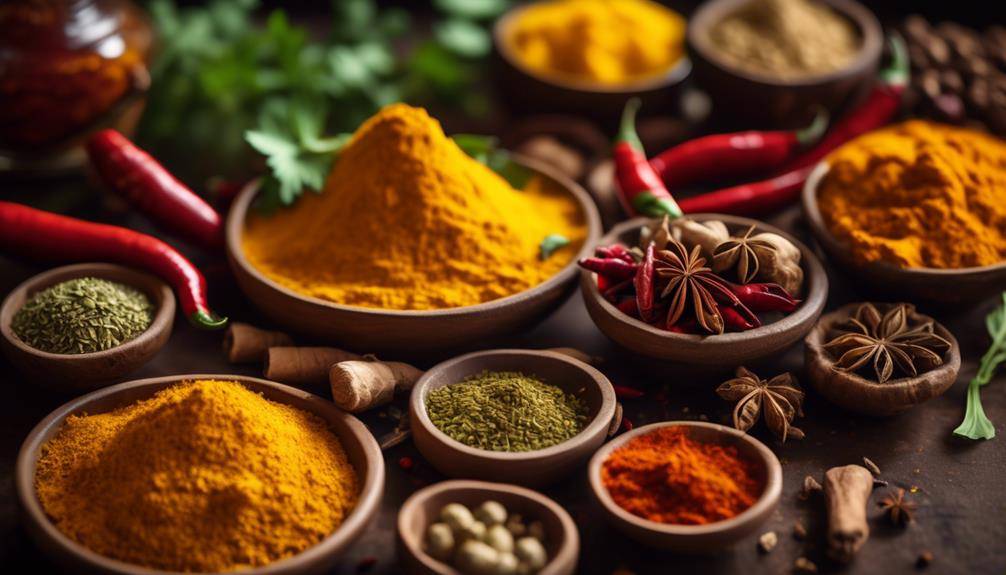
Seasoning is the backbone of any great slow-cooked dish, transforming ordinary ingredients into a symphony of flavors. To master seasoning techniques, you’ll need to understand how to create balanced flavor profiles. Start by experimenting with herb combinations; fresh herbs like thyme and rosemary work wonderfully together. Don’t forget about dried herbs—they can pack a punch when used correctly.
Spice balancing is vital as well. Use spices to enhance and complement your main ingredients. A pinch of smoked paprika or a dash of cumin can elevate your dish. Create seasoning layers by adding spices at different stages of cooking. This method allows their flavors to meld and develop over time, enriching your meal.
Salt adjustments are essential too. Start with a small amount and taste test as you go. Remember, it’s easier to add salt than to take it away. For an extra kick, consider umami enhancement through ingredients like soy sauce, miso, or even a splash of Worcestershire sauce.
To really nail your seasoning, try marinade techniques. Marinating your meats or vegetables for a few hours or overnight infuses them with deep flavors. As you cook, keep tasting and adjusting the seasonings—this is key to achieving that perfect balance. With practice and attention, you’ll turn your slow-cooked dishes into flavorful masterpieces that’ll impress everyone at the table.
Cooking Times and Temperatures
When it comes to slow cooking, understanding the right cooking times and temperatures is vital for perfect results. You’ll want to aim for ideal temperatures that enhance flavors while ensuring safety. Let’s explore some guidelines to help you master this essential aspect of slow cooking.
Ideal Temperatures for Cooking
Achieving the perfect meal through slow cooking relies heavily on understanding ideal temperatures. When you set your slow cooker, you need to choose the right temperature for your dish. Generally, there are three main heat settings: low, medium, and high. Each one corresponds to specific ideal cooking ranges that dictate how your food cooks over time.
For most recipes, the low setting typically cooks between 190°F to 210°F. This is perfect for tougher cuts of meat that need time to tenderize. The medium setting hovers around 210°F to 230°F, which can work for dishes that require a bit more heat but still benefit from extended cooking. If you’re short on time, the high setting runs between 300°F and 310°F, suitable for recipes that can handle higher heat without compromising texture.
Cooking Time Guidelines
Understanding cooking times is vital for getting the most out of your slow cooker. Different recipes require varying cooking times based on the ingredients and the temperature setting you choose. Generally, high settings cook meals in about 3 to 4 hours, while low settings can take 6 to 8 hours.
When you’re meal prepping, be mindful of the cooking times for each ingredient. For tougher cuts of meat, longer cooking times at low temperatures guarantee tenderness. If you make ingredient substitutions, remember that they can affect cooking times. For instance, adding more vegetables might require slight adjustments, as they cook faster than meat.
Temperature adjustments also play an important role. If you need to speed up a dish, switching to high for the last hour can help. Conversely, if you’re starting a meal later, you can set it to low and let it cook longer.
Always check your dish for doneness before serving, as slow cookers can vary. By keeping these cooking time guidelines in mind, you’ll master the art of slow cooking and enjoy delicious, perfectly cooked meals every time.
Utilizing Liquid Wisely
In slow cooking, the choice and amount of liquid can make all the difference in the final dish. To start, consider your liquid types. Standard cooking liquids include broth options like chicken, beef, or vegetable stock, which enhance flavor absorption. You can also add wine choices that bring depth and complexity to your meals. Just remember that not all liquids are created equal—some may dilute flavors rather than enhance them.
When determining the right ingredient ratios, aim for a balance that promotes moisture retention without drowning your dish. Too much liquid can lead to a soupy consistency, while too little can result in dry, tough food. You’ll want to keep an eye on sauce consistency as it cooks; if it seems too thin, you can always thicken it later with a cornstarch slurry.
Herb infusions are another excellent way to boost flavor without adding extra liquid. Add herbs at the beginning for a subtle taste, or toss them in later for a more pronounced flavor. Also, consider the acidity balance; acidic liquids like tomatoes or vinegar can brighten a dish while counteracting richness.
Adding Vegetables at the Right Time
Timing is essential when adding vegetables to your slow cooker, as it can greatly impact their texture and flavor. If you toss all your vegetables in at the start, you might end up with mushy ingredients that lose their distinct taste. To avoid this, you must grasp the timing for different vegetable types.
Root vegetables like carrots, potatoes, and beets are sturdy and can withstand longer cooking times. You can add these at the beginning of your cooking process, as they’ll soften beautifully while absorbing the flavors from your broth and spices. On the other hand, more delicate veggies, such as bell peppers, zucchini, and spinach, should be added later. If you throw them in too soon, they’ll disintegrate and lose their vibrant color.
A good rule of thumb is to add hearty vegetables about halfway through the cooking time, while tender ones can go in during the last 30 minutes. This approach guarantees you maintain the right texture and flavor balance in your dish.
When using frozen vegetables, consider that they’ll release extra moisture, so you may want to add them towards the end as well. Pay attention to how you layer your ingredients, too; placing vegetables on top of meats can help them steam and cook evenly. Mastering the timing for your vegetables can elevate your slow-cooked meals, making them not just tasty but visually appealing, too.
Adjusting Recipes for Slow Cooking
While many recipes are designed for stovetop or oven cooking, adjusting them for slow cooking can transform the dish into a flavorful masterpiece. To make successful slow cooker adaptations, you’ll want to keep a few key principles in mind. First, remember that slow cookers operate at lower temperatures, so cooking times will be longer. Generally, if a recipe calls for 30 minutes on the stovetop, expect it to take about 2 to 4 hours on high or 4 to 8 hours on low in a slow cooker.
Next, consider liquid content. Slow cookers trap moisture, so you typically need less liquid than in traditional recipes. Cut back on broth, wine, or water by about a third to prevent your dish from becoming soupy. Also, when it comes to spices and seasonings, you might want to add them in moderation at the beginning, then adjust to taste as the cooking progresses.
Don’t forget about the size and type of ingredients. Tough cuts of meat work well in slow cooker recipes, as the long cooking time breaks down the fibers and enhances tenderness. For vegetables, add heartier varieties like carrots and potatoes at the start, while more delicate ingredients can be added later.
Tips for Thickening Sauces
Thickening sauces in a slow cooker can be a bit tricky, but with the right techniques, you can achieve that perfect consistency. Here are some tips to help you thicken your sauces while enhancing their flavor.
First, consider using a cornstarch slurry. Mix equal parts cornstarch and cold water, then stir it into your sauce during the last 30 minutes of cooking. This method not only thickens your sauce but also maintains its clarity, ensuring a smooth texture.
Another option is to use a roux, which combines equal parts flour and fat. Cook the mixture in a separate pan until it’s golden brown, then whisk it into your slow-cooked sauce. This technique adds depth and richness, enhancing the overall flavor while achieving the desired sauce consistency.
If you prefer a more natural thickener, try adding mashed potatoes or pureed vegetables. Simply blend cooked potatoes or your favorite veggies and stir them into the sauce. This method not only thickens the sauce but also boosts its nutritional value and flavor profile.
Safety Tips for Slow Cooking
Guaranteeing safety while slow cooking is fundamental for both delicious results and health. To achieve this, you need to prioritize food safety from start to finish. Begin by checking the freshness of your ingredients; using fresh produce and meats can greatly reduce the risk of foodborne illnesses. Proper storage of these items in the fridge is essential, so make certain to keep them at the right temperatures and consume them before they spoil.
Temperature control is critical when using your slow cooker. Always confirm that your slow cooker heats food to a safe temperature of at least 145°F for meats and 165°F for poultry. This helps eliminate harmful bacteria. Avoid leaving your slow cooker on the “warm” setting for extended periods, as this can lead to unsafe temperatures.
Cross-contamination can occur if you use the same utensils or cutting boards for raw and cooked ingredients. Make certain to practice kitchen hygiene by washing your hands, utensils, and surfaces thoroughly.
Regular equipment maintenance is also fundamental for slow cooker safety. Check your slow cooker for any signs of wear and tear, such as frayed cords or cracks in the pot. If you notice any issues, it’s best to replace it to avoid potential hazards.
Creative Slow Cooking Recipes
Release the potential of your slow cooker with a variety of creative recipes that go beyond the traditional stews and soups. Think about experimenting with creative flavor combinations that surprise your palate. For instance, try a butternut squash and coconut curry for a unique ingredient pairing that’s both comforting and healthy.
Explore seasonal slow dishes like a hearty autumn chili packed with beans and roasted peppers, perfect for family-friendly meals. If you’re in the mood for something global, whip up an Indian butter chicken or a Moroccan tagine, showcasing international slow recipes that bring the world to your dinner table.
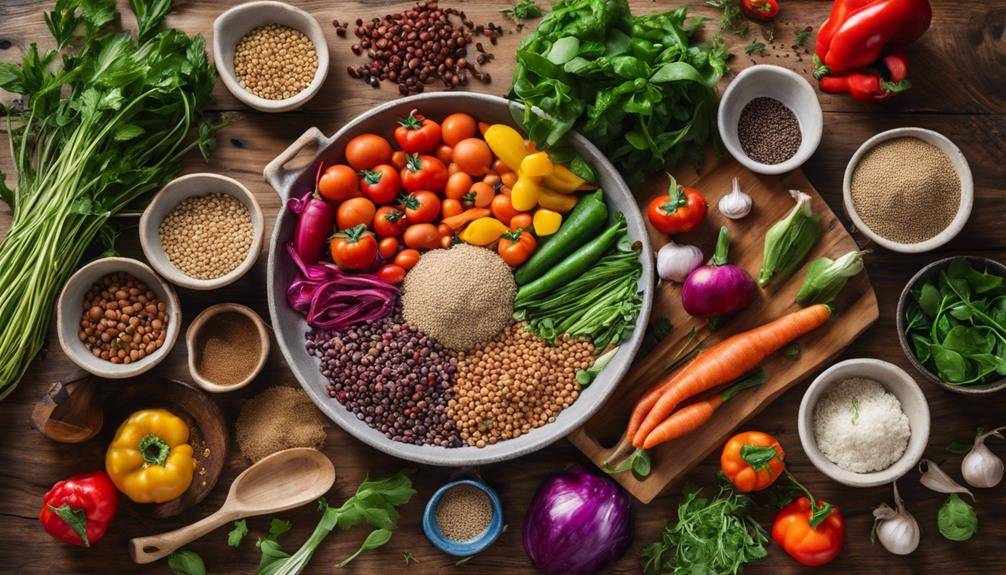
Don’t forget about healthy slow options! A quinoa and vegetable medley can be both nutritious and delicious, while still catering to vegetarian slow meals. And when it’s time for dessert, slow cooking can surprise you. Imagine a warm chocolate lava cake or poached pears with spices, making dessert slow cooking an irresistible treat.
For those festive occasions, you can even create comfort food favorites like slow-cooked beef bourguignon or a creamy chicken and mushroom casserole. With these recipes, you’ll not only enjoy the ease of slow cooking but also the variety it can bring to your dining experience. So grab your slow cooker and start experimenting with these delightful recipes that will make every meal an occasion.
Frequently Asked Questions: Step-By-Step Guide To Perfect Slow Cooking
Can I Use Frozen Meat in Slow Cooking Recipes?
You can use frozen meat in slow cooking, but it’s safer to defrost it first. Use methods like refrigerator thawing or cold water immersion to guarantee even cooking and reduce the risk of foodborne illnesses.
How Do I Clean My Slow Cooker Properly?
To clean your slow cooker properly, unplug it and let it cool. Use warm soapy water for the pot and lid, avoiding abrasive cleaners. For effective slow cooker maintenance, check for any food residue or buildup regularly.
What Can I Do if My Dish Is Too Salty?
If your dish’s too salty, try adding ingredients like potatoes or rice to absorb some saltiness. Balancing flavors with a bit of sugar or vinegar can also help mute that salty flavor. Adjust gradually until satisfied.
Can I Cook on High Instead of Low?
Yes, you can cook on high instead of low. High cooking benefits include faster meal preparation, but you’ll need to adjust cooking time. Keep an eye on your dish to avoid overcooking or burning.
Is It Safe to Leave the Slow Cooker Unattended?
Yes, it’s generally safe to leave the slow cooker unattended, as long as you follow slow cooker safety guidelines. Make certain it’s on a stable surface, away from flammable materials, and keep pets and children at a distance.

Conclusion
Now that you’ve got the lowdown on perfect slow cooking techniques, you’re ready to whip up delicious meals with ease. Remember to choose the right ingredients, layer your flavors, and adjust recipes for that melt-in-your-mouth goodness. With a little practice and creativity, your slow cooker will become your best kitchen companion. Enjoy the comforting aromas and mouthwatering dishes you’ll create, and don’t forget to share your culinary triumphs with friends and family! Happy cooking!
If you enjoyed exploring this topic and want to dive even deeper, be sure to check out some of our other articles here on Infinite Flavors. From rich culinary histories to creative twists on classic recipes, there’s always something new to discover. Whether you’re curious about the origins of a dish, looking for fresh inspiration in the kitchen, or simply love learning about food culture, our collection of posts is the perfect next step on your flavor journey.
11 Great Essential Tips For Slow Cooking Vegetables
8 Amazing Healthy Slow Cooker Recipes For Nutritious Meals
Nine Essential Tips For The Best Perfect Slow Cooking