Stir-Frying Without A Non-Stick Pan
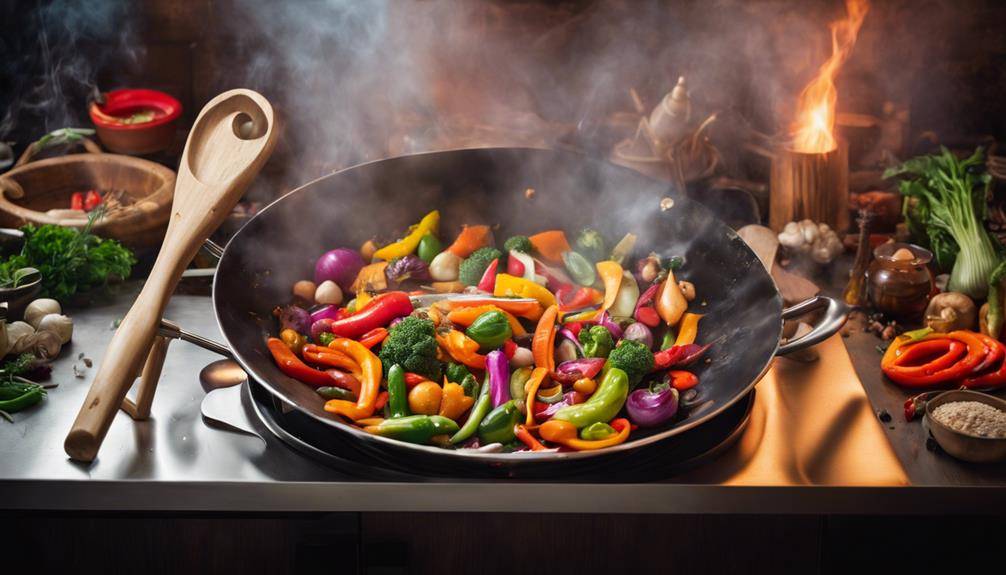
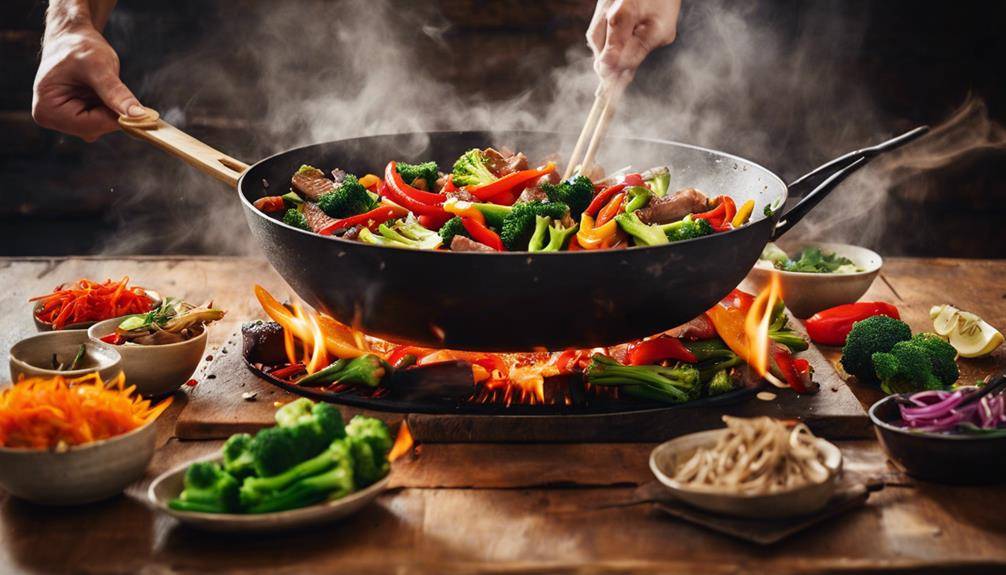
Stir-Frying Without A Non-Stick Pan: Stir-frying without a non-stick pan is definitely doable and can yield delicious results. Start with a cast iron or stainless steel skillet for better heat retention and browning. Make sure to preheat your pan before adding oil; this prevents sticking. Cook in batches to avoid overcrowding, which helps achieve that perfect sear. Use oils with high smoke points, and don't rush—allow food to release naturally as it cooks. With careful preparation and technique, you can create tasty stir-fries without a non-stick surface. Want to learn more tips for perfecting your stir-fry technique?
Click Here and Turn Every Masterpiece into a Showstopper!
Choosing the Right Cookware
When you're ready to stir-fry without a non-stick pan, choosing the right cookware is vital for achieving that perfect sear and flavor. Two popular options are cast iron and stainless steel, each bringing unique benefits to your stir-frying experience.
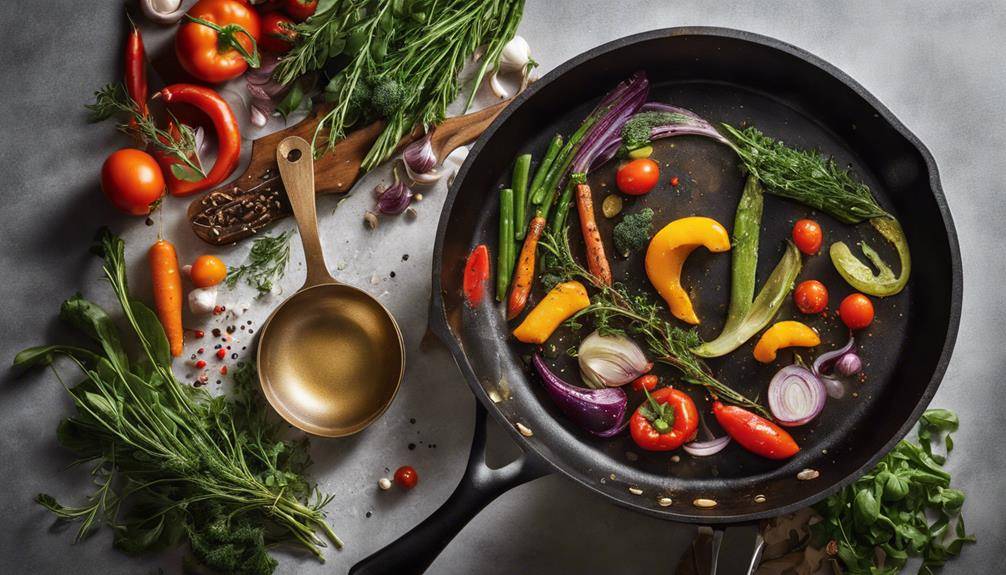
Cast iron pans are renowned for their heat retention and even cooking. They develop a natural non-stick surface over time, which can help create a deliciously crispy texture. To get the best results, preheat your cast iron skillet until it's hot, then add your oil. The key is to avoid overcrowding the pan, as this can lead to steaming instead of searing. With a little practice, you'll master the art of flipping and tossing your ingredients for ideal browning.
On the other hand, stainless steel is another excellent choice for stir-frying. It's durable, non-reactive, and can withstand high temperatures. To prevent sticking, it's essential to heat the pan properly before adding oil. Use the water droplet test: if water beads and dances across the surface, your pan is ready. Stainless steel offers fantastic browning capabilities, allowing you to achieve that deep, rich flavor that makes stir-fried dishes so irresistible.
Ultimately, the best cookware for your stir-frying adventure depends on personal preference and cooking style. Whether you opt for cast iron or stainless steel, both choices can lead to mouthwatering results when you follow the right techniques. Happy cooking!
Preparing Ingredients for Success
Properly preparing your ingredients is essential for a successful stir-fry. Good ingredient preparation not only enhances flavor but also guarantees that everything cooks evenly. Start by gathering all your ingredients and washing them thoroughly. This step sets the foundation for a clean and delicious meal.
Next, focus on your cutting techniques. Chop vegetables into uniform sizes to promote even cooking. For instance, slice bell peppers, carrots, and broccoli into bite-sized pieces. If you're using proteins like chicken or beef, cut them against the grain to maintain tenderness. Aim for pieces that are similar in thickness; this way, they'll cook at the same rate.
Don't forget about the order in which you prepare your ingredients. Softer vegetables, such as zucchini, should be cut right before you cook them, while sturdier items, like carrots, can be prepared in advance. By planning ahead, you'll save time and streamline your cooking process.
Marinating proteins can considerably boost flavor. Spend some time letting your meat soak in a marinade of soy sauce, garlic, and ginger before cooking. This added step can elevate your stir-fry from ordinary to extraordinary.
Mastering the Heat Level
Mastering your heat level is essential for achieving that perfect stir-fry. The right heat distribution can make all the difference between a well-cooked meal and a soggy disaster. Start by preheating your pan to a high temperature before adding any ingredients. This guarantees that the heat is evenly distributed, allowing your food to sear instead of steam.
Once your pan is hot, it's time to exercise some temperature control. You want to maintain that high heat throughout the cooking process, but you also need to adjust it as needed. If you notice that your ingredients are browning too quickly, lower the heat slightly. Conversely, if they're not cooking fast enough, turn it up. This dynamic adjustment helps you achieve that beautiful char and vibrant color without burning.
Keep in mind that different ingredients have varying cooking times. For instance, denser veggies like carrots take longer to cook than delicate items like bell peppers. A good practice is to add ingredients in stages, starting with those that require more time. As you gain experience, you'll develop a sense of when to add each item based on your heat level.
Lastly, don't be afraid to experiment. Each stove and pan behaves differently, so it might take a few tries to find the sweet spot for your specific setup. With patience and practice, you'll master the art of heat control and elevate your stir-frying skills.
Click Here and Turn Every Masterpiece into a Showstopper!
Techniques to Prevent Sticking
Although stir-frying in a non-stick pan is common, there are effective techniques to prevent sticking even in stainless steel or cast iron pans. The right oil selection plays an essential role in achieving a non-stick surface. Choose oils with high smoke points, such as canola, peanut, or grapeseed oil. These oils can withstand high temperatures without breaking down, guaranteeing your ingredients don't cling to the pan.
Another important factor is the cooking order of your ingredients. Start with proteins like chicken, beef, or tofu, as they require more time to cook. When the protein is seared properly, it naturally releases from the pan. Avoid overcrowding the pan, as this lowers the temperature and encourages sticking. Instead, cook in batches if necessary, making sure each piece has enough space to sear evenly.
Additionally, always preheat your pan before adding oil. A hot pan allows the oil to spread quickly and creates a barrier between the food and the surface. Once the oil shimmers, add your ingredients. Stir them frequently to guarantee even cooking and prevent sticking.
Lastly, if you notice food starting to stick, resist the urge to scrape it immediately. Allow it to cook a little longer, and it should release naturally. By mastering oil selection and cooking order, you'll enjoy successful stir-fries without the worry of sticking, making your cooking experience more enjoyable.
Enhancing Flavor and Texture
To amp up the flavor and texture of your stir-fry, you'll want to incorporate a mix of fresh ingredients and bold seasonings. Start by selecting high-quality proteins and vibrant vegetables. Freshness matters; it enhances both taste and crunch. Think about using crisp bell peppers, snap peas, or bok choy for that satisfying bite.
Next, consider your marinade combinations. A simple yet effective marinade might include soy sauce, garlic, ginger, and a splash of sesame oil. Let your protein soak in this mixture for at least 15 minutes before cooking. This not only infuses flavor but also tenderizes the meat, making each bite more enjoyable.
When you're ready to stir-fry, remember your seasoning strategies. Use high heat and a good amount of oil to achieve that signature sear. Don't shy away from adding spices as you cook. A pinch of red pepper flakes can add heat, while a dash of five-spice powder can introduce a complex aroma.
Also, finish your stir-fry with a drizzle of sauce or fresh herbs. A mix of lime juice and cilantro can brighten the dish, while a sprinkle of toasted sesame seeds adds nuttiness and crunch.
Click Here and Turn Every Masterpiece into a Showstopper!
Frequently Asked Questions: Stir-Frying Without A Non-Stick Pan
Can I Use a Cast Iron Skillet for Stir-Frying?
Yes, you can use a cast iron skillet for stir-frying! Its heat retention is great, and with proper seasoning technique, you'll enjoy the benefits of a naturally non-stick surface and enhanced flavor in your dishes.
How Do I Clean My Stainless Steel Pan After Stir-Frying?
To clean your stainless steel pan, soak it in warm, soapy water to loosen food residue. Use a non-abrasive scrubber for effective food residue removal, ensuring proper stainless steel maintenance for longevity and performance.
What Oil Is Best for High-Heat Stir-Frying?
For high-heat stir-frying, you want the best cooking oils with a high smoke point. Oils like avocado, peanut, or grapeseed are excellent choices, ensuring your food cooks perfectly without burning or compromising flavor.
Is It Safe to Use Aluminum Pans for Stir-Frying?
Using aluminum pans for stir-frying can be safe if you properly season them. While aluminum toxicity is a concern, seasoning creates a protective layer, reducing leaching. Just make sure to avoid high-acid foods for best results.
How Do I Know When My Pan Is Hot Enough?
To know your pan's hot enough, sprinkle a few drops of water on it. If they sizzle and evaporate quickly, your pan temperature is perfect for cooking techniques like stir-frying. Always test before adding ingredients!

Conclusion
Stir-frying without a non-stick pan is totally doable with the right techniques. By choosing the right cookware and preparing your ingredients properly, you set yourself up for success. Mastering the heat level and using simple methods to prevent sticking can elevate your dish. Don't forget to enhance flavor and texture to make your stir-fry truly delicious. With a bit of practice, you'll enjoy tasty, perfectly cooked meals that impress everyone at the table!