The Sweet Story of Super Easy Pork Chops with Apples
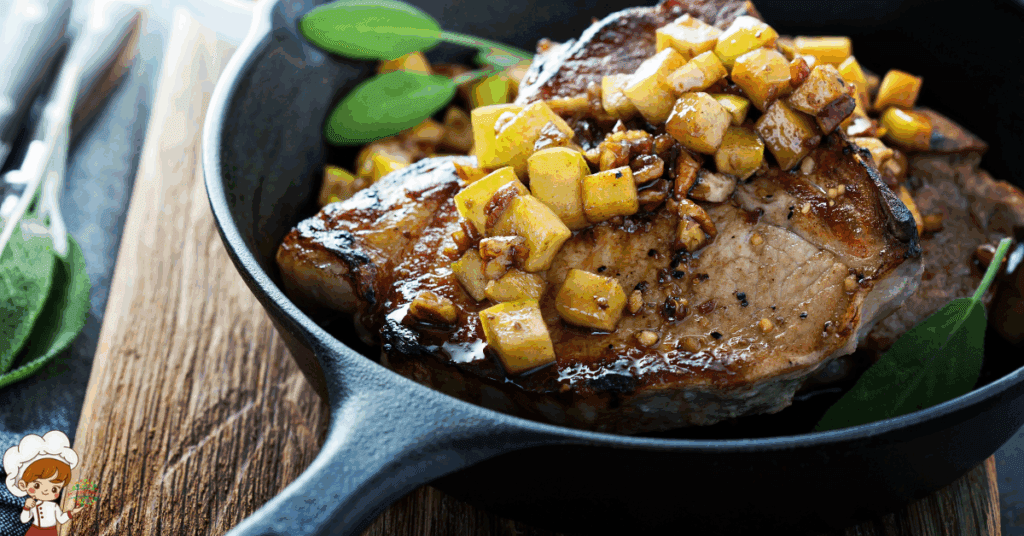
Story of Super Easy Pork Chops with Apples; There are few dishes that strike the perfect balance between sweet and savory quite like Pork Chops with Apples. This timeless pairing has been loved for centuries across cultures and cuisines, offering a comforting blend of tender meat and natural fruit sweetness. Today, Super Easy Pork Chops with Apples captures all the warmth of old-fashioned home cooking in a simplified, modern way that fits perfectly into busy lifestyles while honoring its rich culinary roots.
This post will take you through the fascinating history and origin of Pork Chops with Apples, exploring how this dish evolved from ancient food traditions to the comforting classic we know today. We’ll also look at its cultural significance, the science behind its flavor pairing, and why this dish remains a staple on dinner tables around the world.
The Ancient Roots of Pairing Pork and Fruit
The combination of pork and fruit has ancient origins, dating back thousands of years. Early civilizations discovered that the natural sweetness of fruit balanced the richness of pork, cutting through its fat while enhancing its flavor. This principle was understood long before modern culinary science could explain it.
In ancient Europe, especially among the Celts and Romans, pork was a prized meat—often reserved for feasts and special occasions. Apples, meanwhile, were one of the most abundant and easily stored fruits across temperate regions. It was inevitable that cooks would pair these two ingredients, using apples to create sauces, glazes, or fillings that brightened hearty pork dishes.
Roman records even describe roasted pork served with fruit-based sauces made from figs, dates, and apples, marking one of the earliest documented examples of this now-classic pairing. As apple cultivation spread across Europe, so too did the love for this simple yet elegant combination.
Medieval Europe: Apples and Pork in the Feasting Halls
During the Middle Ages, pork was a central part of European diets, particularly among peasants and farmers who raised pigs for sustenance. Pigs were practical animals—they could forage for food, thrive in small spaces, and provide everything from meat to fat for cooking. Apples, on the other hand, grew easily across much of Europe, making them an accessible and affordable ingredient for both the wealthy and the poor.
In medieval cookbooks and banquet records, roasted pork with apples appears frequently. The apple’s tartness helped balance the fattiness of pork, creating a flavor contrast that people instinctively loved. Cooks began developing sauces and relishes made from apples, onions, and vinegar, precursors to the modern apple compote or chutney.
Over time, this pairing became a symbol of rustic comfort and abundance. In England, in particular, roast pork with apple sauce became a beloved dish served during autumn harvest feasts and Sunday dinners—a tradition that would eventually inspire American variations centuries later.
The Colonial Era: Pork and Apples Come to America
When European settlers arrived in North America, they brought with them both pigs and apple seeds. In fact, early colonial orchards were planted specifically to provide apples for cider, vinegar, and cooking. The adaptability of apple trees and the hardiness of pigs made them two of the most successful food sources for early settlers.
In the American colonies, pork and apples quickly became culinary staples. Settlers used every part of the pig—from fresh chops to salted bacon—while apples were turned into sauces, preserves, and pies. It wasn’t long before Pork Chops with Apples became a natural meal choice, especially in the fall when apple harvests were abundant.
This period also marked the birth of regional variations. In New England, cooks often stewed apples with onions and spices to create rich accompaniments for pork. In the South, pork chops were pan-fried and topped with caramelized apples and brown sugar, reflecting the region’s preference for bolder, sweeter flavors.
The Science Behind the Perfect Pair: Pork and Apples
One of the reasons Pork Chops with Apples remains such a beloved dish is the natural flavor chemistry between the two ingredients. Pork has a mild, rich taste with savory, fatty undertones, while apples provide acidity, sweetness, and freshness. When cooked together, they create a perfect flavor balance.
The malic acid in apples helps to cut through the fat in pork, refreshing the palate with every bite. Meanwhile, the caramelization of apples when cooked adds depth and complexity, complementing the umami notes of seared pork. This balance of fat, acid, and sweetness is what makes the dish so satisfying.
From a sensory standpoint, the textures also play off each other beautifully—the tender bite of pork contrasts with the soft, slightly crisp apples. It’s a simple yet masterful harmony that has stood the test of time.
Pork Chops with Apples in American Home Cooking
By the 19th century, Pork Chops with Apples had become a classic of American home cooking. The dish appeared in early American cookbooks, including those from the 1800s, where it was praised for being both economical and delicious. Home cooks appreciated its simplicity and versatility—it could be made in one pan, with readily available ingredients, and adapted to suit different regions and family tastes.
The industrial era further popularized the dish as pork production became more efficient and apples remained a staple crop. Families could easily prepare pork chops with fried apples or baked apple slices as a hearty meal, particularly in colder months.
During the mid-20th century, as convenience cooking gained popularity, Super Easy Pork Chops with Apples evolved to fit modern lifestyles. Canned apple pie filling, pre-sliced apples, and quick pan sauces became common shortcuts, helping busy home cooks replicate the comforting flavors of traditional recipes in less time.
The Dish as a Symbol of Fall and Family
Few dishes capture the essence of autumn like Pork Chops with Apples. The combination evokes the cozy feeling of harvest season, warm kitchens, and family gatherings. It’s the kind of meal that brings people together—simple, wholesome, and deeply nostalgic.
In many households, Pork Chops with Apples is a fall tradition, served alongside mashed potatoes, roasted vegetables, or stuffing. It’s not just a meal—it’s an experience that celebrates the best of seasonal cooking. The aroma of pork sizzling with apples, butter, and a hint of spice fills the home with warmth, signaling comfort and abundance.
This emotional connection is one of the reasons the dish has endured across generations. While trends in cooking may change, the sentimental value of sharing this hearty dish with loved ones never fades.
Modern Interpretations and Easy Variations
In the modern kitchen, Super Easy Pork Chops with Apples continues to thrive as both a weeknight favorite and a dinner-party showstopper. Today’s cooks experiment with creative twists—adding ingredients like caramelized onions, Dijon mustard, or apple cider for extra depth of flavor. Some prefer baked versions, while others enjoy quick stovetop or slow cooker adaptations.
The beauty of this dish lies in its flexibility. Whether made with bone-in pork chops or boneless cuts, tart green apples or sweet Honeycrisps, the end result is always satisfying. The rise of farm-to-table dining has also renewed interest in traditional pairings like pork and apples, emphasizing local ingredients and seasonal eating.
Moreover, the push for simpler, wholesome meals in modern cooking has made Super Easy Pork Chops with Apples even more appealing. It embodies the ideal balance between flavor, nutrition, and comfort—all with minimal effort.
Cultural Significance and Symbolism
Beyond its culinary appeal, the pairing of pork and apples carries cultural symbolism. In many traditions, pork is associated with prosperity and good fortune. In fact, pork dishes are often served during New Year’s celebrations across Europe and America, as pigs root forward—symbolizing progress and abundance.
Apples, meanwhile, have long represented health, harvest, and renewal. Together, they form a symbolic union of nourishment and abundance, making Pork Chops with Apples not just a dish, but a celebration of life’s blessings.
This symbolism contributes to the dish’s enduring popularity during festive occasions, especially in the fall and winter months when families gather to share hearty meals and reflect on the year’s harvest.
Why Pork Chops with Apples Remains a Beloved Classic
At its core, Pork Chops with Apples endures because it embodies what people love most about cooking: simplicity, comfort, and connection. It’s a dish that feels both familiar and indulgent—easy enough for a weeknight dinner, yet special enough for guests.
In a fast-paced world where convenience often overshadows tradition, Super Easy Pork Chops with Apples bridges the gap beautifully. It captures the essence of old-fashioned home cooking while fitting seamlessly into modern life. The flavors are timeless, the preparation is straightforward, and the result is universally satisfying.
As food trends come and go, this dish reminds us that some flavor combinations never lose their magic.

Pork Chops with Apples
Ingredients
- Pork chops
- apples
- cinnamon
- brown sugar
- butter.
Instructions
- Sear pork chops,
- cook apples with sugar and cinnamon,
- serve on top.
Frequently Asked Questions: Story of Super Easy Pork Chops with Apples
What is the origin of Pork Chops with Apples?
The combination originated in Europe, particularly in England and Northern Europe, where apples were used to balance the rich flavor of pork during medieval times.
Why are apples paired with pork?
Apples add natural sweetness and acidity, which complement the richness of pork and enhance its flavor.
What kind of apples work best for this dish?
Tart varieties like Granny Smith or Honeycrisp are popular because they hold their shape and balance the sweetness of the dish.
When did Pork Chops with Apples become popular in America?
The dish gained widespread popularity during the colonial era and became a mainstay of American comfort food in the 19th century.
Is this dish considered healthy?
Yes, when made with lean pork and minimal added sugar or fat, Pork Chops with Apples can be a nutritious, high-protein meal packed with vitamins and antioxidants from the apples.
Can you use other fruits instead of apples?
Yes. Pears, peaches, or even cranberries can be used for a similar sweet and savory balance.
How did Pork Chops with Apples become known as a fall dish?
Because apples are harvested in the fall, this dish naturally became associated with autumn comfort food and seasonal cooking.
Why is it called “Super Easy” today?
Modern versions use simplified methods—such as one-pan cooking, pre-sliced apples, or slow cookers—to make the dish more accessible for busy home cooks.

A Dish That Balances History, Flavor, and Simplicity
Super Easy Pork Chops with Apples isn’t just a recipe—it’s a reflection of culinary history and human ingenuity. From ancient Roman feasts to cozy modern kitchens, the pairing of pork and apples has always represented comfort, balance, and celebration.
Its enduring appeal lies in its simplicity and universality. It brings together contrasting flavors—rich and light, savory and sweet—in perfect harmony. It tells a story of the land, the harvest, and the enduring bond between food and family.
In a world of ever-changing food trends, Super Easy Pork Chops with Apples reminds us that the best dishes often come from the simplest ideas. With every bite, we taste centuries of tradition, creativity, and warmth. Whether served for Sunday dinner or a quick weeknight meal, this dish continues to symbolize the essence of home-cooked comfort at its finest.
If you enjoyed exploring this topic and want to dive even deeper, be sure to check out some of our other articles here on Infinite Flavors. From rich culinary histories to creative twists on classic recipes, there’s always something new to discover. Whether you’re curious about the origins of a dish, looking for fresh inspiration in the kitchen, or simply love learning about food culture, our collection of posts is the perfect next step on your flavor journey.
The History And Origin Of Super Easy Baked Chicken Breasts
The History Of Super Easy Shrimp Scampi
The Rich And Creamy Story Behind Super Easy Mushroom Risotto