Great Effective Techniques For Slow-Cooking Pork Successfully
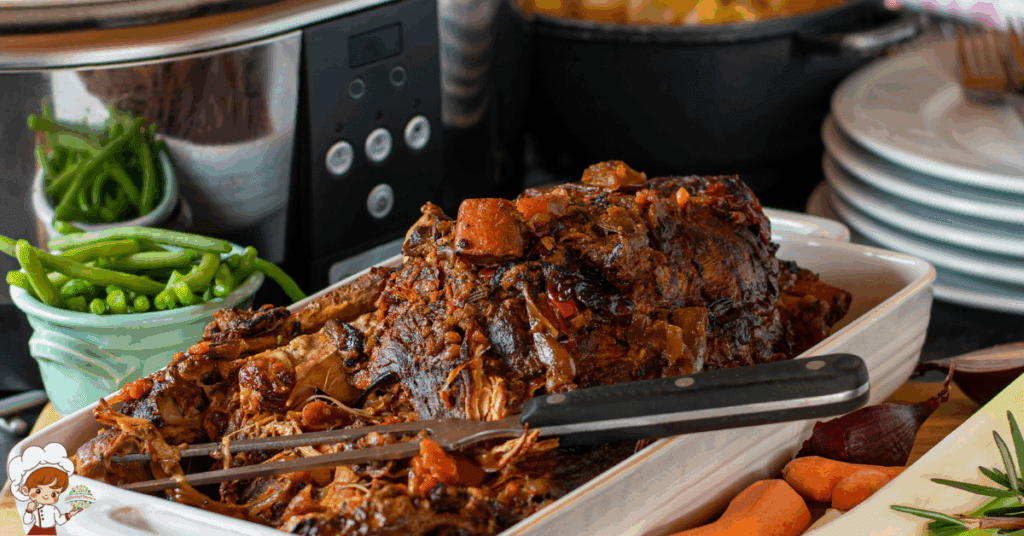
Techniques For Slow-Cooking Pork Successfully; To slow-cook pork successfully, start by choosing the right cut, like pork shoulder or belly, which stay moist and flavorful. Marinate the meat overnight to enhance tenderness and flavor, adding acidity and fresh herbs. Use a slow cooker or Dutch oven for even cooking, and maintain a low temperature for best results. Keep an eye on the internal temperature, aiming for 190°F to 205°F for tenderness. Remember to let the pork rest before shredding for juicy bites. With these techniques, you’ll create delicious meals, and there’s even more to discover about gourmet touches you can add!
Choosing the Right Cut
When it comes to slow-cooking pork, the cut you choose can make all the difference in flavor and texture. Understanding various pork types and their cut characteristics is crucial for achieving mouthwatering results. If you want a tender, juicy dish, consider using cuts like pork shoulder or pork belly. These cuts contain more fat and connective tissue, which break down during the slow-cooking process, imparting rich flavors and a melt-in-your-mouth texture.
Pork shoulder, often sold as a picnic roast or Boston butt, is perfect for slow cooking. Its marbled fat guarantees it remains moist, while the tough connective tissue transforms into gelatin, creating a luscious sauce. On the other hand, pork belly is another excellent option, offering a balance of meat and fat that yields crispy skin and succulent meat when cooked slowly.
If you’re looking for something leaner, pork loin can work, but be cautious. Its low-fat content can lead to dryness if it’s not monitored during cooking. You might also consider using spareribs or baby back ribs, which are great for pulling apart after a long cook. Both cuts benefit from the slow-cooking method, allowing the flavors to deepen.
Ultimately, your choice of cut will greatly influence your dish’s outcome. Take your time to select the right pork type for your slow-cooking adventure, and you’ll be rewarded with a flavorful and satisfying meal.
Preparing the Pork
Before you start cooking, it’s crucial to pick the right cut of pork for your slow-cooking adventure. Once you’ve chosen your cut, marinating it can really enhance the flavor and tenderness. Let’s explore how to prepare your pork for the best results.
Choosing the Right Cut
Selecting the right cut of pork is essential for achieving tender, flavorful results in your slow-cooked dishes. Different cuts have unique characteristics that affect their flavor profiles and texture differences. For slow cooking, you’ll want to take into account cuts like pork shoulder or pork belly, as they offer the best choices for tenderness and richness.
When comparing prices, pork shoulder is usually more affordable than other cuts, making it a budget-friendly option without sacrificing quality. You should also weigh your cooking styles; some cuts lend themselves better to specific techniques. For instance, a shoulder roast breaks down beautifully over long cooking times, while tenderloin might dry out if cooked too long.
Keep an eye on availability issues at your local market. Some cuts may be harder to find, affecting your plans. Additionally, sustainability factors are worth pondering—opt for pork from farms that prioritize humane practices and environmentally friendly methods. By choosing the right cut, you’ll set yourself up for success in slow-cooking, ensuring delicious results every time.
Marinating for Flavor Enhancement
To elevate the flavor of your slow-cooked pork, marinating is a key step you shouldn’t skip. The right marinade types can transform your dish by enhancing flavor profiles and improving texture. Aim for an acidity balance; using ingredients like vinegar or citrus juice helps tenderize the meat while adding a zesty kick.
Experiment with herb combinations that complement your chosen cut. Fresh herbs like rosemary, thyme, or cilantro can create enticing marinades variations. Pay attention to ingredient ratios; a good rule of thumb is to have equal parts acid, oil, and flavor enhancers.
Marinade duration matters too. For maximum flavor, let the pork marinate for at least a few hours—ideally overnight. This allows for effective infusion techniques, ensuring flavors penetrate deeply into the meat. Consider flavor layering by adding spices and aromatics for an extra kick.
Essential Seasonings and Marinades
When it comes to slow-cooking pork, the right seasonings and marinades can make all the difference. You’ll want to explore popular marinade ingredients and spice blends that enhance the meat’s flavor. Plus, timing your flavor infusion is key to achieving that perfect taste.
Popular Marinade Ingredients
Exploring popular marinade ingredients can elevate your slow-cooked pork to new heights of flavor. Start with a base of soy sauce, which adds depth and a savory umami kick. You can enhance its richness by adding balsamic vinegar for a touch of sweetness and acidity. To balance these flavors, consider incorporating apple cider, bringing a fruity note that complements the pork beautifully.
For a zesty twist, don’t forget to include citrus zest, like lemon or orange, to brighten your marinade. Mustard paste introduces a tangy sharpness, while garlic powder and ginger paste offer aromatic warmth. A sprinkle of brown sugar can help caramelize the meat, resulting in a delightful crust when cooked.
To personalize your marinade, throw in some fresh herbs, like rosemary or thyme—they’ll infuse your pork with a fragrant touch. If you enjoy a bit of heat, a dash of hot sauce can spice things up. By mixing and matching these ingredients, you’ll create a marinade that not only tenderizes your pork but also amplifies its flavor, ensuring your slow-cooked dish is a hit at the dinner table.
Spice Blends for Pork
Crafting the perfect spice blend for your slow-cooked pork can transform an ordinary meal into an extraordinary feast. Start with a base of smoky paprika to give your pork a rich, deep flavor. Adding a pinch of citrus zest brightens the dish, balancing the smokiness with a revitalizing note. Garlic powder is essential for that aromatic kick, while an herb blend—think thyme, oregano, or rosemary—will elevate the overall taste.
For those who enjoy a touch of sweetness, mix in some brown sugar. It caramelizes beautifully during cooking, enhancing the pork’s natural flavors. If you’re feeling adventurous, try a coffee rub; it adds a unique depth that’s surprisingly complementary to pork. Don’t forget about mustard seeds for a slight crunch and a tangy bite.
Lastly, for spice lovers, chili flakes can provide that extra kick, allowing you to customize the heat level to your preference. Experiment with these ingredients, adjusting proportions until you find your ideal blend. With the right spices, your slow-cooked pork will be a dish everyone will rave about!
Timing for Flavor Infusion
Flavor infusion in slow-cooked pork hinges on timing, making it essential to marinate or season your meat well in advance. Depending on the cut of pork you’re using, effective timing techniques can greatly enhance the flavor profiles of your dish. Ideally, let your pork marinate for at least four hours, but overnight is even better. This allows the seasonings and marinades to penetrate deeply, ensuring maximum flavor.
If you’re short on time, consider using a dry rub just before cooking. While this won’t infuse flavors as deeply as a long marinade, it can still provide a tasty crust. For dishes where the pork will be cooked for several hours, such as pulled pork, adding your marinade or spices at the beginning of the cooking process can also yield delicious results.
As the meat simmers, the flavors meld, creating a rich and savory experience. Remember, the longer you allow the pork to soak in those flavors, the more pronounced they’ll be. So, plan ahead, and don’t rush the process; your patience will pay off with a mouthwatering final dish.
Cooking Methods Explained
Slow-cooking pork offers a range of techniques that bring out tender textures and rich flavors. Whether you’re using a slow cooker, a Dutch oven, or an electric pressure cooker, each method has its advantages. First, consider the slow cooker. It’s perfect for set-it-and-forget-it cooking. You can choose low or high heat settings, allowing you to adapt the cooking time based on your schedule. The low setting usually results in more tender meat, while high heat is great for quicker meals.
If you prefer a stovetop method, a Dutch oven is your best bet. It allows for excellent heat distribution and can go from stovetop to oven seamlessly. You can start by browning the pork on the stovetop to develop flavor before switching to low heat for slow cooking. This method also holds moisture well, preventing the meat from drying out.
Another option is using an electric pressure cooker, which combines speed with the benefits of slow cooking. You can achieve tender pork in a fraction of the time compared to traditional methods. Set the cooking time and pressure level according to your recipe’s requirements, and you’ll still enjoy rich flavors and textures.
Ultimately, choosing the right cooking technique depends on your preferences and available time. Each method can yield delicious slow-cooked pork, so experiment to find the one that works best for you.
Temperature and Timing Tips
When it comes to slow-cooking pork, getting the temperature and timing right makes all the difference in achieving tender, flavorful meat. The key is to monitor the internal temperature throughout the cooking process. For pork, aim for an internal temperature of at least 145°F, which is vital for food safety. However, if you want that melt-in-your-mouth texture, cooking it to around 195°F is ideal, as this allows the collagen to break down.
Using a meat thermometer is essential. Check the temperature about an hour before you anticipate the pork is done. Slow cookers can vary widely in how they maintain heat, so it’s wise to be aware of these temperature variations. Generally, you’ll want to cook pork on low for 6 to 8 hours or high for 4 to 6 hours, depending on the cut and size.
Don’t forget the cooking duration impacts flavor development and moisture retention. Longer cooking times at lower temperatures typically yield better results, allowing flavors to meld beautifully. As you approach the end of the cooking time, do a doneness check to verify you’ve reached the desired temperature.
Enhancing Flavor With Add-Ins
Adding the right ingredients can elevate your slow-cooked pork to a whole new level. By carefully choosing herb combinations, you can create a fragrant base that complements the meat beautifully. Consider using rosemary, thyme, or a blend of Italian herbs to enhance the flavors. Don’t forget about acidic ingredients like vinegar or citrus juice; they can add brightness and balance the sweetness of your dish.
To achieve that perfect sweetness balance, think about incorporating ingredients like brown sugar or honey. These not only enhance flavor but also contribute to caramelization as the pork cooks. For a savory punch, umami boosters like soy sauce, Worcestershire sauce, or miso paste can be game-changers. Layering flavors is essential; add ingredients in stages, letting each one infuse into the pork for maximum impact.
Your liquid choices matter too. Whether it’s broth, wine, or even fruit juice, choose liquids that complement your flavor profile. Experiment with infusion techniques, allowing spices and herbs to steep in your cooking liquid before adding the pork.
Don’t overlook complementary toppings to finish off your dish. Fresh herbs, citrus zest, or a drizzle of flavored oil can bring freshness and brightness. Additionally, regional influences can inspire your slow-cooked pork; try Mexican, Asian, or Mediterranean spices to change things up. Finally, consider texture contrasts—adding crunchy toppings like fried onions can create an inviting bite that pairs perfectly with tender pork.
Monitoring the Cooking Process
Keeping an eye on the cooking process is essential for achieving tender and flavorful slow-cooked pork. One of the key aspects of monitoring is temperature monitoring. Use a reliable meat thermometer to check the internal temperature of your pork. For most cuts, you’ll want to aim for an internal temperature of around 190°F to 205°F. This range allows the collagen in the meat to break down, resulting in that melt-in-your-mouth texture everyone loves. If you’re using a slow cooker, keep the lid on as much as possible to avoid heat loss.
Moisture retention is another critical factor during the cooking process. Keeping your pork juicy requires you to be mindful of the cooking environment. If you notice that your slow cooker or pot is losing too much liquid, consider adding a bit more broth or water. This helps guarantee that your pork stays submerged and tender. Additionally, check for any signs of drying out, especially if cooking for longer periods.
Every slow cooker operates differently, so it’s a good idea to familiarize yourself with yours. If you find that the cooking process seems to be speeding up or slowing down, adjust the heat settings accordingly. You can also occasionally stir the pot or flip the meat to promote even cooking.
Resting and Shredding Techniques
After ensuring your pork has cooked to the perfect temperature and is falling apart tender, it’s time to focus on resting and shredding techniques. Resting your pork is essential because it allows the juices to redistribute throughout the meat, enhancing its flavor and moisture. Remove the pork from the slow cooker and place it on a cutting board. Cover it loosely with aluminum foil, and let it rest for at least 15 to 20 minutes. This resting period helps lock in the juices, making your final dish even more succulent.
Once your pork has rested, you can move on to shredding. There are several shredding methods you can use, depending on your preference and available tools. One popular technique is to use two forks. Hold one fork in each hand and pull the meat apart in opposite directions. This method gives you good control and allows you to shred the meat to your desired texture.
If you want a quicker option, you might consider using a stand mixer. Simply place the rested pork in the bowl and use the paddle attachment on low speed for about 30 seconds. This will quickly shred the meat without much effort on your part.
No matter which shredding method you choose, be sure to keep an eye out for any larger chunks of fat or gristle that might need to be removed. With these resting techniques and shredding methods, you’ll have delicious, tender pork ready for your next culinary creation.
Serving Suggestions and Pairings
When it comes to serving your slow-cooked pork, the possibilities are endless. Start by considering sides suggestions that enhance the dish’s rich flavors. Creamy mashed potatoes or roasted seasonal vegetables, like carrots and Brussels sprouts, provide a satisfying texture contrast. For a lighter option, a fresh salad with a citrus vinaigrette can balance the meal beautifully.
Next, think about your serving styles. You could serve the pork as a hearty main course, paired with a generous scoop of your chosen sides. Alternatively, consider shredding the pork and serving it in tacos or on sliders, which adds a fun, casual vibe to your meal.
Don’t forget about wine pairings! A full-bodied red, like a Zinfandel or Syrah, complements the savory notes of the pork, while a crisp white like Sauvignon Blanc can enhance lighter preparations.
Garnish ideas are key to elevating your meal presentation. Fresh herbs like cilantro or parsley add a pop of color and freshness. Complementary sauces, such as a tangy barbecue or a sweet apple chutney, can add depth and flavor balancing to your dish.
Frequently Asked Questions: Techniques For Slow-Cooking Pork Successfully
Can I Slow-Cook Frozen Pork Without Thawing It First?
You shouldn’t slow-cook frozen pork without thawing it first. While slow cooking has advantages, frozen meat safety is essential. Thawing guarantees even cooking and reduces the risk of harmful bacteria developing during the process.
What Kitchen Tools Are Essential for Slow-Cooking Pork?
When you’re slow-cooking pork, essential kitchen tools include various slow cooker types, like programmable or stovetop models. Don’t forget to use pork seasoning tips to enhance flavor and guarantee a delicious meal every time!
How Can I Tell if My Slow-Cooked Pork Is Done?
To tell if your slow-cooked pork is done, use temperature checks; it should reach 190°F. Additionally, perform tenderness tests by pulling apart the meat with forks—if it shreds easily, it’s ready to enjoy!
What Are Common Mistakes to Avoid When Slow-Cooking Pork?
When slow-cooking pork, avoid common mistakes like under-seasoning or cooking at too high a temperature. Proper pork seasoning enhances flavor, while low temperatures guarantee meat tenderness, resulting in a delicious, perfectly cooked dish.
Can I Slow-Cook Pork in a Pressure Cooker?
Yes, you can slow-cook pork in a pressure cooker. You’ll enjoy pressure cooker benefits like reduced cooking time while still using slow cooking techniques for tender, flavorful results. Just adjust your times accordingly for best outcomes.

Conclusion
By following these effective techniques for slow-cooking pork, you can create mouthwatering dishes that impress every time. Remember to choose the right cut, prepare it well, and use essential seasonings to enhance the flavor. Keep an eye on the temperature and timing, and don’t forget to let it rest before shredding. With these tips, you’ll serve up tender, juicy pork that pairs perfectly with your favorite sides. Enjoy your delicious culinary creations!
If you enjoyed exploring this topic and want to dive even deeper, be sure to check out some of our other articles here on Infinite Flavors. From rich culinary histories to creative twists on classic recipes, there’s always something new to discover. Whether you’re curious about the origins of a dish, looking for fresh inspiration in the kitchen, or simply love learning about food culture, our collection of posts is the perfect next step on your flavor journey.
Ultimate Guide 14 Slow Cooking Soup Recipes
The 3 Best Slow Cooking Methods For Fish
The History Of The Great Slow Cooker Apple Crisp