
The Best Guide To Eco-Friendly Meal Planning
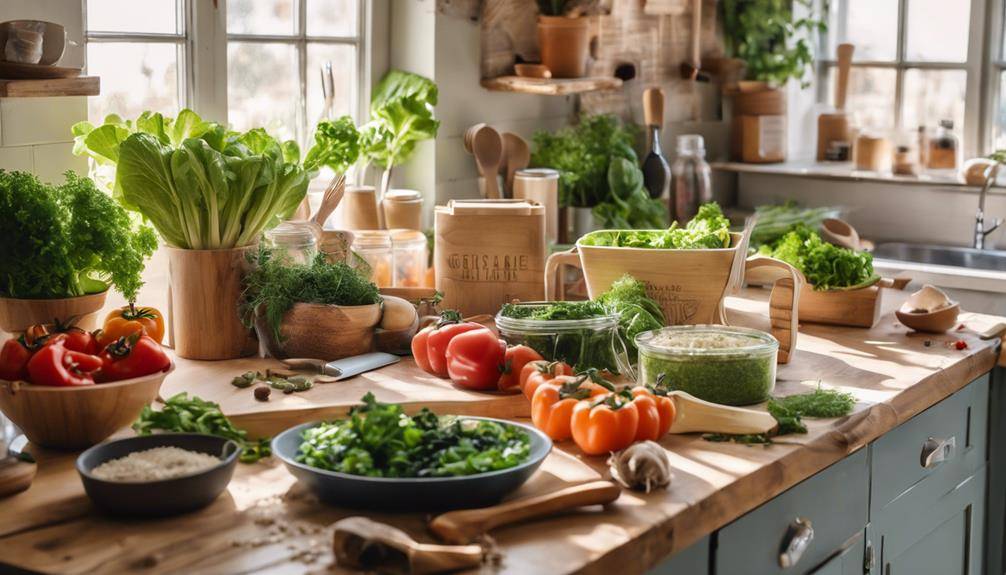
The Best Guide To Eco-Friendly Meal Planning; Eco-friendly meal planning helps you enjoy tasty meals while caring for the planet. Start by choosing seasonal, locally-grown produce to reduce your carbon footprint. Incorporate plant-based ingredients and creatively use near-expiration items to cut waste. This approach not only saves you money but also connects you with your community and supports local farmers. Additionally, adopting sustainable eating habits boosts your health with fresh, nutritious foods. By organizing your meals and shopping wisely, you can minimize food spoilage and costs. Curious about specific meal ideas and efficient prep tips? There’s much more to discover for your eco-friendly journey!
Understanding Eco-Friendly Meal Planning
Understanding eco-friendly meal planning starts with recognizing how your food choices impact the environment. You’ll want to focus on incorporating meal variety into your diet, which not only keeps things interesting but also helps reduce your carbon footprint. By diversifying your meals, you can include more seasonal fruits and vegetables that are grown locally, minimizing transportation emissions associated with importing food from far away.
Next, consider ingredient substitutions. Instead of sticking to conventional meat-based dishes, explore plant-based proteins like beans, lentils, and tofu. These options often require fewer resources to produce and have a considerably lower environmental impact. When you swap out ingredients, remember to keep your meals balanced and nutritious. You can easily replace dairy with almond milk or use cauliflower rice instead of traditional grains for a lighter, more sustainable option.
As you plan your meals, aim for a mix of different cuisines and cooking methods. This not only enhances your palate but also encourages you to experiment with ingredients that might otherwise go unused. If you notice some ingredients are nearing their expiration date, incorporate them into your meals creatively.
Benefits of Sustainable Eating
Sustainable eating isn’t just good for the planet; it also boosts your health and can save you money. By choosing eco-friendly foods, you reduce your environmental impact while nourishing your body with better nutrients. Plus, you’ll find that planning meals this way often leads to lower grocery bills in the long run.
Environmental Impact Reduction
Many people don’t realize how much their food choices impact the planet. Every meal you plan can either harm or help the environment. By opting for sustainable eating, you can considerably reduce your carbon footprint and contribute to a healthier ecosystem. The food production process is one of the largest contributors to greenhouse gas emissions, with livestock farming and industrial agriculture being particularly damaging.
When you choose locally-sourced, seasonal ingredients, you’re not just getting fresher food; you’re also minimizing the transportation emissions associated with long-distance shipping. This simple change can greatly lessen your overall carbon footprint. Additionally, incorporating more plant-based meals into your diet can further reduce the environmental burden, as meat production is resource-intensive and generates high levels of emissions.
Health Benefits Overview
Eating sustainably not only benefits the planet but also enhances your health. When you choose to eat sustainably, you often opt for fresh, seasonal, and locally sourced foods. These choices typically come packed with nutritional advantages, as they’re harvested at their peak and are less likely to contain preservatives or artificial ingredients.
By focusing on whole foods like fruits, vegetables, whole grains, and legumes, you’re giving your body a rich array of vitamins, minerals, and antioxidants. This not only fuels your energy but also supports your immune system and reduces the risk of chronic diseases.
Moreover, sustainable eating encourages a balanced diet that promotes holistic wellness. By being mindful of what you consume, you cultivate a deeper connection with your food, which can lead to better eating habits and improved mental health. This mindfulness fosters a sense of community as you may engage more with local producers and markets.
Cost Savings Potential
When you choose eco-friendly meal planning, you might be surprised by how much you can save. Embracing sustainable eating habits often leads to lower grocery bills. By opting for seasonal produce and local ingredients, you not only support your community but also find budget-friendly substitutions that can drastically reduce costs.
Meal portioning strategies play an essential role in maximizing your savings. By planning your meals ahead, you can avoid food waste and guarantee you’re using every ingredient to its fullest. This means you’ll buy less, reduce spoilage, and stretch your ingredients over multiple meals. For instance, using leftover roasted vegetables in a soup or stir-fry can help you get creative while keeping your budget intact.
Additionally, cooking in larger quantities can allow you to take advantage of bulk buying, which is often cheaper per unit. You can freeze portions for later, guaranteeing you always have a healthy meal on hand without the impulse purchases that derail your budget. Fundamentally, eco-friendly meal planning not only benefits the planet but also your wallet, making it a win-win for everyone involved.
Seasonal Ingredients and Local Sourcing
Eating seasonally not only boosts the freshness of your meals but also supports local farmers. By sourcing ingredients from nearby producers, you reduce your carbon footprint and promote sustainable practices. Plus, it’s a great way to discover new flavors and recipes that reflect the best of each season.
Benefits of Seasonal Eating
Seasonal eating brings a bounty of benefits that not only enhance your meals but also support the environment. By incorporating seasonal ingredients into your diet, you get to enjoy vibrant seasonal flavors that are often richer and more robust than out-of-season options. When you choose to eat what’s in season, you’re consuming produce at its peak freshness, which means better taste and more nutrients for you.
Local sourcing is another advantage of seasonal eating. When you buy from local farmers or markets, you help maintain local biodiversity by promoting a wider variety of crops. This diversity is vital for the environment, as it supports soil health and reduces the risk of pests and diseases. Plus, purchasing locally reduces the carbon footprint associated with transporting food long distances.
Additionally, seasonal eating fosters a deeper connection to the land and the cycles of nature. You’ll find yourself more in tune with what’s available and appreciate the natural rhythm of food production. Embracing seasonal ingredients not only transforms your meals but also nurtures the planet, making every bite a step toward sustainability.
Finding Local Farmers
How can you easily find local farmers to source your seasonal ingredients? Start by visiting farmer markets in your area. These markets are a fantastic way to connect directly with local farmers who offer fresh, seasonal produce. You can often chat with them about their growing practices, ensuring you support eco-friendly methods.
Another option is to explore community-supported agriculture (CSA) programs. Joining a CSA allows you to receive a regular supply of seasonal fruits and veggies directly from local farms. This not only guarantees freshness but also fosters a connection between you and the farmers who grow your food.
Utilize social media platforms and local community boards to find farmers in your region. Many farmers actively promote their products and availability online. Don’t hesitate to ask friends and family for recommendations; word-of-mouth can lead you to hidden gems in your area.
Sustainable Sourcing Practices
Sourcing your ingredients sustainably means prioritizing both seasonality and local availability. By choosing seasonal ingredients, you not only enjoy produce at its peak freshness but also support local farmers and reduce transportation emissions. When you source locally, you’re contributing to your community’s economy and minimizing the carbon footprint associated with long-distance food transport.
Ethical sourcing is essential in this practice. Look for suppliers who prioritize regenerative agriculture, which focuses on restoring soil health and biodiversity. This method goes beyond sustainability, actively improving ecosystems while producing food. By buying from these farmers, you’re making a positive impact on the environment and supporting practices that help combat climate change.
Incorporating seasonal and local ingredients into your meal planning can be both satisfying and delicious. You’ll find that your meals reflect the rhythm of nature, bursting with flavor and nutrients. Check out farmers’ markets or local co-ops to discover what’s in season near you. Embrace the variety and creativity that comes with seasonal cooking, and you’ll not only foster a healthier planet but also enjoy a more vibrant diet.
Plant-Based Meal Ideas
When you’re looking to switch up your meals, plant-based options can easily fit into your routine and offer a burst of flavor and nutrition. Start your week with a colorful tofu stir fry, packed with your favorite veggies and a savory sauce. For lunch, whip up some lentil salads that are both filling and nutritious—just toss in seasonal vegetables and a zesty dressing.
If you’re craving something warm and comforting, try a chickpea curry served over fluffy quinoa bowls. It’s satisfying and full of spices that will awaken your taste buds. For a fun twist, make vegetable tacos using roasted veggies and your choice of toppings; they’re perfect for a quick dinner.
Don’t forget about smoothie recipes for breakfast or snacks. Blend together fruits, leafy greens, and a scoop of your favorite plant-based protein for a delicious boost. For a hearty meal, consider bean burgers served with a side of sweet potato fries; they’re sure to please everyone at the table.
Stuffed peppers are another excellent option—fill them with quinoa, black beans, and spices for a nutritious dish. If you’re looking for a lighter alternative, zucchini noodles topped with marinara sauce can satisfy your pasta cravings without the carbs. Finally, treat yourself to vegan desserts; whether it’s dairy-free chocolate mousse or fruit sorbet, you can indulge guilt-free. Embrace these plant-based meal ideas and enjoy a healthier, eco-friendly lifestyle!
Reducing Food Waste Strategies
In today’s world, reducing food waste is more important than ever, and implementing simple strategies can make a significant impact. Start by improving your food storage practices. Make certain to keep your fridge at the right temperature (between 32°F and 40°F) to extend the life of perishable items. Use airtight containers to prevent spoilage, and label items with the date you opened them, so you can prioritize what needs to be eaten first.
Plan your meals based on what you already have in your pantry and fridge, and create a shopping list to avoid buying duplicates. Stick to your list to minimize impulse purchases that might go unused. Remember, fruits and veggies can often be frozen if you can’t eat them in time, so don’t hesitate to preserve them before they spoil.
Another effective strategy is to embrace composting techniques. Instead of throwing away scraps like vegetable peels, eggshells, and coffee grounds, you can turn them into nutrient-rich compost for your garden. Start small with a compost bin or a designated area in your yard. Just make certain you avoid meat and dairy products, as these can attract pests.
Tips for Efficient Meal Prep
To make the most of your ingredients and further reduce food waste, efficient meal prep is essential. Start by gathering your meal prep tools, like sharp knives, cutting boards, storage containers, and measuring cups. Having these readily available will streamline your process and save you time.
Plan your meals for the week ahead. Use a calendar or meal-planning app to jot down what you’ll be eating each day. This helps you create a focused shopping list, ensuring you buy only what you need. When you get home, wash and chop your veggies and portion out proteins. You can even cook larger batches of grains or legumes to use throughout the week.
Time management is vital here. Set aside a specific time each week to dedicate to meal prep, and treat it like an important appointment. For instance, Sunday afternoons are great for preparing meals for busy weekdays.
Consider batch cooking; making larger portions of a dish can save time and energy. Once cooked, divide meals into individual servings and store them in your fridge or freezer. This way, you’ll have healthy, eco-friendly meals ready to go, reducing the temptation to order takeout.
Lastly, label your containers with dates to keep track of freshness. By implementing these strategies, you’ll not only cut down on food waste but also enjoy a more organized and efficient kitchen. Happy prepping!
Frequently Asked Questions: The Best Guide To Eco-Friendly Meal Planning
How Can I Involve My Family in Eco-Friendly Meal Planning?
You can involve your family in eco-friendly meal planning by assigning meal prep tasks. Let everyone choose their favorite ingredients and recipes, encouraging creativity while discussing sustainability. This way, everyone feels invested and excited about the meals!
How Do I Start a Compost for Kitchen Scraps?
For sustainable cooking, you’ll want reusable containers for food storage and leftovers. Investing in energy-efficient appliances like slow cookers and induction stoves can also help you save energy while preparing delicious meals.
Are There Eco-Friendly Meal Delivery Services Available?
Yes, there are eco-friendly meal delivery services available. They often focus on sustainable sourcing and use local ingredients, ensuring you receive fresh meals that support your community while reducing environmental impact. It’s a convenient, responsible choice!
How Do I Start a Compost for Kitchen Scraps?
To start a compost for kitchen scraps, get a compost bin. Add fruit peels, vegetable scraps, and coffee grounds. You’ll enjoy compost benefits like reducing waste and enriching your garden soil with nutrients. Happy composting!
What Are the Environmental Impacts of Food Packaging?
Food packaging notably impacts the environment through increased food waste and pollution. You can reduce this by choosing packaging alternatives, adopting recycling practices, and opting for biodegradable materials that minimize harm to ecosystems and promote sustainability.

Conclusion
By embracing eco-friendly meal planning, you’re making a positive impact on both your health and the planet. Incorporating seasonal ingredients, local produce, and plant-based meals can transform your dining experience while reducing food waste. Remember, every small change counts, and your efforts contribute to a more sustainable future. So go ahead, get creative in the kitchen, and enjoy the benefits of delicious, responsible eating. Together, we can make a difference, one meal at a time!
If you enjoyed exploring this topic and want to dive even deeper, be sure to check out some of our other articles here on Infinite Flavors. From rich culinary histories to creative twists on classic recipes, there’s always something new to discover. Whether you’re curious about the origins of a dish, looking for fresh inspiration in the kitchen, or simply love learning about food culture, our collection of posts is the perfect next step on your flavor journey.
The Best Sustainable Meal Prep Containers
Easy Gluten-Free Sustainable Meal Prep Options
The Best Zero Waste Meal Prep Ideas