The Best Zero Waste Meal Prep Ideas
The Best Zero Waste Meal Prep Ideas; You can transform your cooking habits and minimize waste with effective zero waste meal prep ideas. Start by embracing seasonal ingredients, which not only enhance flavors but also support local farmers. Plan your meals wisely to utilize existing ingredients and prevent impulse buys. Get creative with leftovers by whipping up casseroles, smoothies, or stir-fries. Buying in bulk reduces packaging waste, while proper food storage keeps everything fresh longer. Try repurposing vegetable peels into broths or chips. Explore global cuisines for fresh inspiration. There are plenty more tips waiting to help you on this sustainable journey.
Embrace Seasonal Ingredients
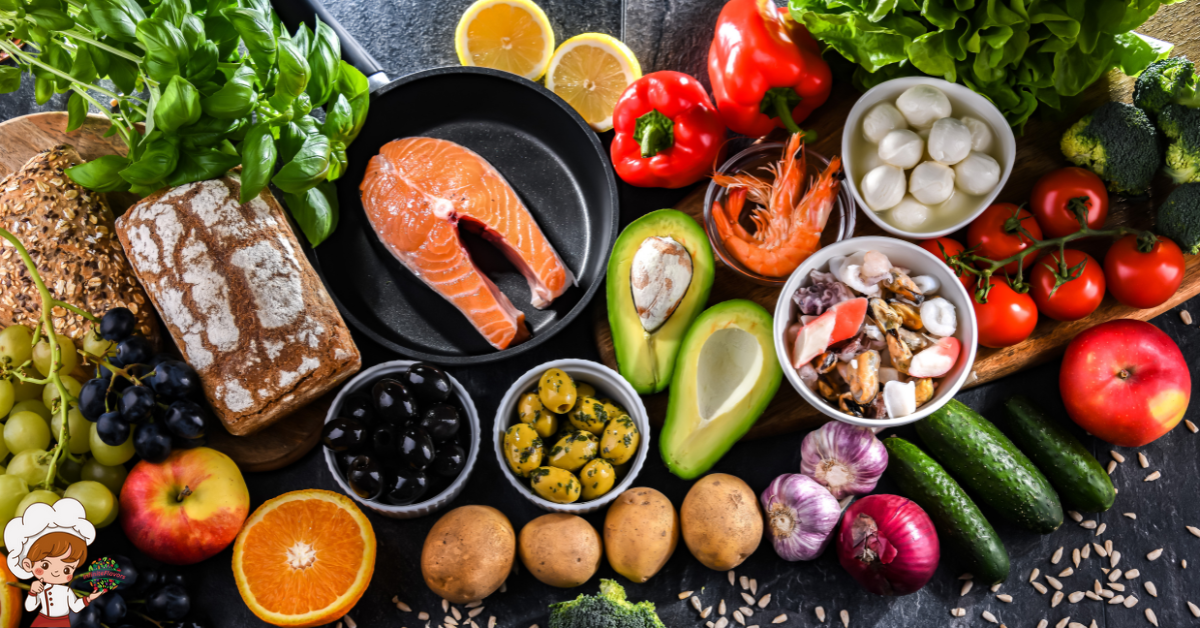
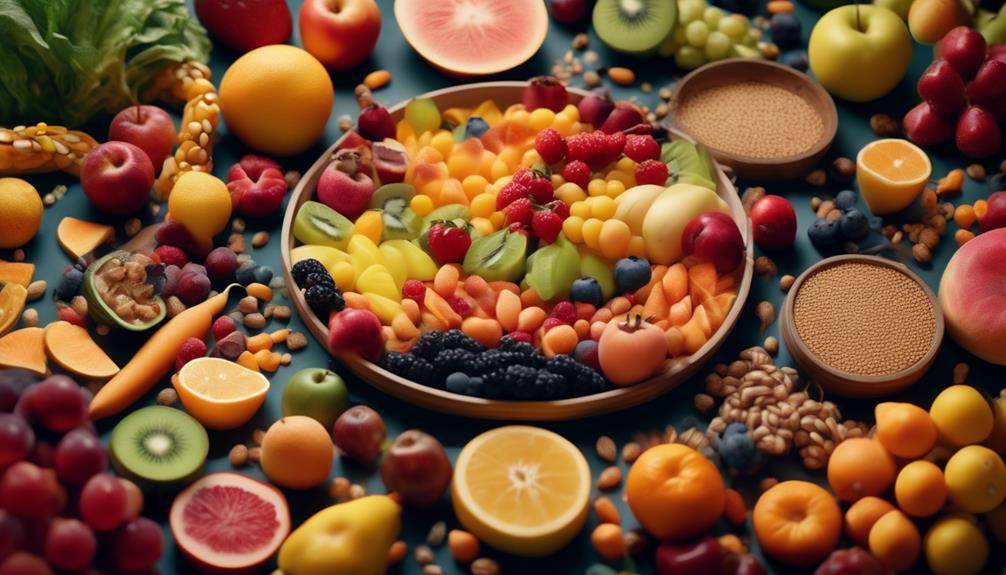
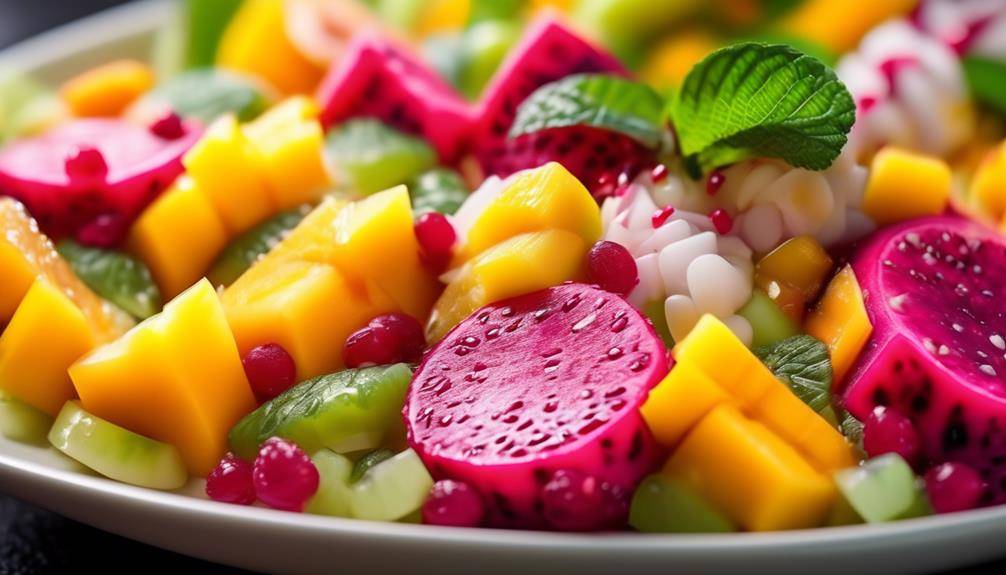
Embracing seasonal ingredients is a game changer for your zero waste meal prep. When you focus on what’s in season, you not only enhance the flavors of your dishes but also support local farmers and reduce your carbon footprint. Shopping at local markets is a great way to discover the freshest produce available. You’ll find vibrant fruits and vegetables that are bursting with seasonal flavors, making your meals taste incredible.
By choosing ingredients that are in season, you’ll notice they often cost less because they’re abundant. This means you can create delicious meals without breaking the bank. For example, summer brings a bounty of tomatoes, zucchini, and corn, while fall introduces hearty squash, apples, and root vegetables. Each season provides unique ingredients that can inspire your meal prep.
You can also minimize waste by utilizing every part of the ingredient. For instance, if you buy a bunch of kale, consider using the stems in a stir-fry or adding them to soups. When you embrace seasonal ingredients, you’ll discover new recipes and cooking techniques that make the most of your produce.
Plus, you’ll become more in tune with nature’s cycles, which can make your cooking experience more fulfilling. So, next time you plan your meals, take a trip to your local market and see what seasonal ingredients are available. You’ll be amazed at how much richer your meals can be when you embrace what’s fresh and local.
Plan Your Meals Wisely
When you plan your meals wisely, you can considerably reduce food waste and save time during the week. Meal planning is vital for creating a structured approach to your cooking. Start by taking stock of what ingredients you already have in your kitchen. This helps you avoid buying duplicates and guarantees you use what you already have.
Next, make a list of meals you want to prepare. Choose recipes that utilize similar ingredients to maximize their use. For instance, if you buy a bunch of kale, plan to use it in smoothies, salads, and soups throughout the week. This not only cuts down on waste but also streamlines your shopping list.
Smart shopping plays an important role in this process. Stick to your list and avoid impulse buys. Consider shopping at local markets to find seasonal produce that’s fresher and often cheaper. Also, buy in bulk when possible, as it reduces packaging waste and allows you to purchase only what you need.
Lastly, don’t forget to adjust your meal plan based on what’s on sale or what’s about to expire. This flexibility can help you make the most of your groceries and minimize spoilage. By prioritizing meal planning and smart shopping, you’ll find that both your wallet and the environment benefit from your efforts. So, roll up your sleeves, get organized, and enjoy the rewards of a thoughtful approach to meal prep!
Use Leftovers Creatively
Leftovers can be a treasure trove for your next meal, transforming what might otherwise be waste into delicious new dishes. Instead of letting those extra ingredients sit in your fridge, think about how you can use them creatively. For instance, leftover fruits and veggies can make delightful leftover smoothies—just blend them with yogurt or milk for a revitalizing treat.
You can also whip up creative casseroles by layering your surplus ingredients with some cheese and a sprinkle of herbs. If you’re in the mood for something quick, try inventive stir fries, tossing together whatever you have on hand with soy sauce or teriyaki for a flavorful meal.
Don’t overlook your surplus salads; add a protein or some grains to make them heartier, giving you a nourishing dish. For a quick lunch, consider transformed sandwiches; stack your leftovers between bread with some spreads for a satisfying bite.
Repurposed grains like quinoa or rice can serve as a base for a flavorful frittata, mixing in eggs and whatever veggies you have left. You can even create unique dips from leftover beans or avocados, perfect for snacking. Finally, combine remnants into hearty soups, simmering them with broth for a cozy meal.
Choose Bulk Buying Options
Shopping in bulk can greatly reduce waste while saving you money. When you choose bulk buying, you’re not only getting more for your dollar, but you’re also minimizing the amount of packaging waste generated from individual products. Instead of purchasing small packages that often come in non-recyclable materials, look for options with eco-friendly packaging or even no packaging at all.
Consider sustainable sourcing as you make your bulk purchases. Many stores now offer products sourced from local farms or sustainable suppliers, which helps reduce your carbon footprint and supports your community. By opting for these choices, you contribute to a more sustainable food system while enjoying fresher ingredients.
Community buying is another fantastic way to embrace bulk purchasing. You can team up with friends or neighbors to buy in larger quantities, which not only reduces costs but also fosters a sense of community. Establish a buying group for items like grains, nuts, or spices, and you’ll find that sharing the load makes it easier to commit to zero waste practices.
When you fill your pantry with bulk items, you’ll notice you’re less likely to waste food. You can measure out just what you need for recipes, ensuring that you’re not left with excess that might go bad. In these ways, bulk buying isn’t just a cost-effective strategy; it’s a crucial step toward a more eco-conscious and sustainable lifestyle. Embrace this approach, and watch your kitchen transform into a zero waste haven.
Store Food Properly
To keep your meals fresh and reduce waste, it’s crucial to store food properly. Using airtight containers helps maintain quality and prevents spoilage, while optimizing your refrigerator space guarantees you can easily access everything you need. Let’s explore some effective strategies to make the most of your food storage.
Use Airtight Containers
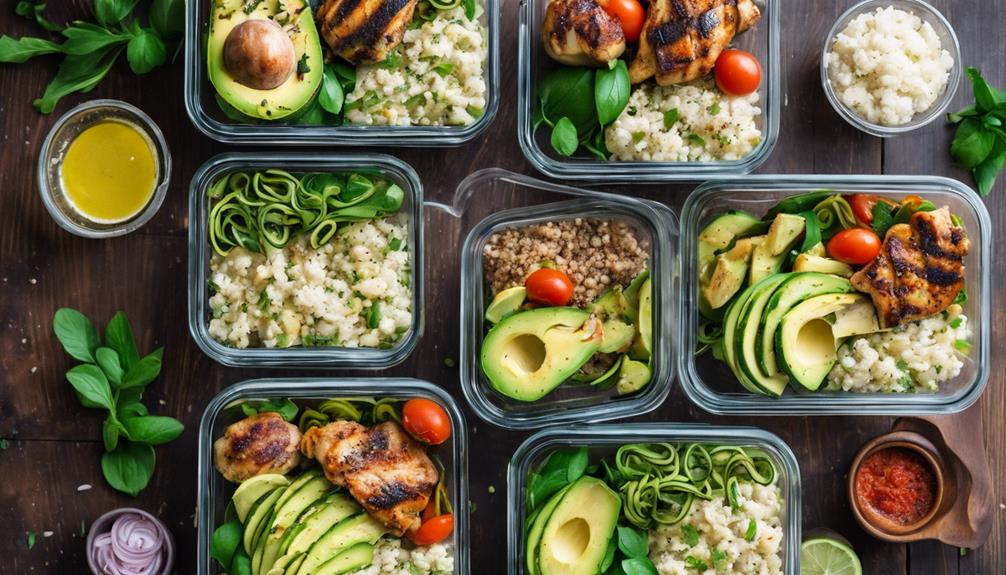
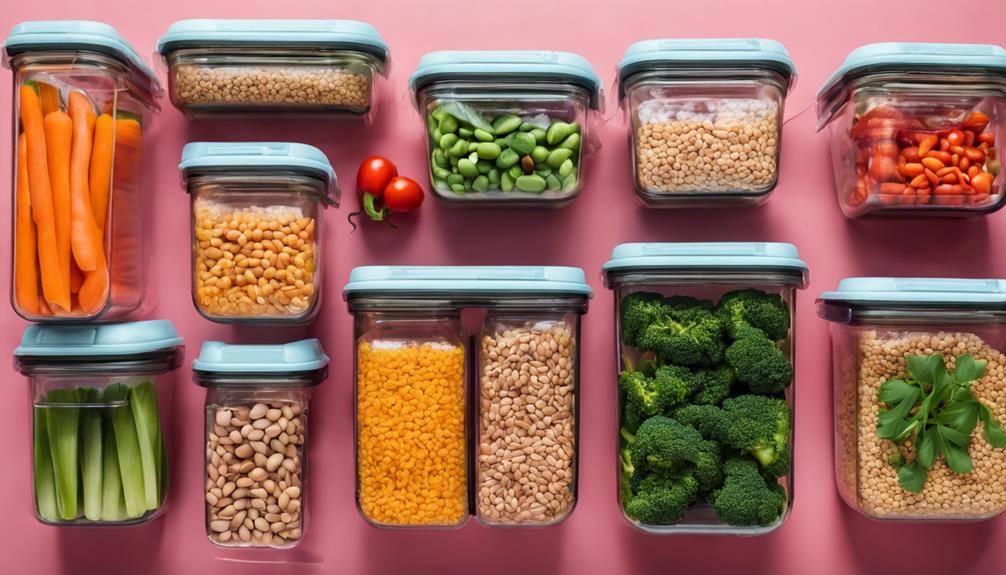
Storing food properly is essential for maintaining freshness and minimizing waste, and using airtight containers is one of the best ways to achieve this. When you invest in high-quality airtight storage, you create a barrier that keeps air, moisture, and pests out, ensuring your food stays fresh for longer. This means less spoilage and fewer trips to the grocery store.
By choosing the right size and shape of containers, you can easily organize your meal prep and reduce clutter. Clear containers let you quickly see what’s inside, making it easier to grab what you need without rummaging through your pantry or fridge. Consider labeling your containers with the contents and date; this helps you track freshness and use items before they expire.
Additionally, airtight containers can be reusable and durable, aligning perfectly with a zero waste lifestyle. You’ll not only save money in the long run, but you’ll also contribute to reducing single-use plastics. So, next time you prep meals, remember to store them in airtight containers to enhance food freshness and minimize waste effectively.
Optimize Refrigerator Space
Maximizing your refrigerator space is vital for maintaining an organized and efficient kitchen. Start by grouping similar items together—store dairy products on one shelf, fruits and vegetables in designated bins, and leftovers in clear containers. This way, you’ll know exactly where everything is and reduce the time spent searching.
Consider using creative storage solutions like stackable bins or lazy Susans to utilize vertical space. These tools can help you access items quickly while keeping things tidy. Don’t forget about temperature zones; keep meat on the bottom shelf where it’s coldest, and store eggs in the main compartment instead of the door for ideal freshness.
For efficient organization tips, label containers and bins with dates to keep track of freshness. When prepping meals, make sure to use up older ingredients first, reducing waste and ensuring you enjoy your food at its peak. Finally, avoid overpacking your fridge; airflow is essential for keeping your food fresh. By implementing these strategies, you’ll not only enhance your refrigerator space but also create a more sustainable kitchen environment.
Compost Unused Scraps
Composting your unused scraps is a fantastic way to reduce waste and enrich your garden soil. Not only does it benefit the environment, but it also transforms your kitchen leftovers into nutrient-rich compost. Let’s explore some easy composting techniques you can try at home!
Benefits of Composting Scraps
One of the most rewarding aspects of meal prep is transforming your kitchen scraps into nutrient-rich compost. By composting, you’re not just reducing waste; you’re also enriching your garden soil. That’s one of the key composting benefits. When you add scraps like vegetable peels, fruit cores, and eggshells to your compost pile, you’re turning what would have been trash into a valuable resource.
Composting kitchen scraps helps divert waste from landfills, which reduces greenhouse gas emissions. This means you’re contributing to a healthier planet while taking care of your own garden. Additionally, composting enhances soil structure, allowing it to retain moisture and nutrients better, leading to healthier plants.
You’ll also find that composting promotes beneficial microorganisms in the soil, which can help ward off pests and diseases, reducing the need for chemical fertilizers. Plus, you save money on store-bought soil amendments. It’s a win-win!
Composting Techniques to Try
Turning kitchen scraps into compost is a simple yet effective way to make the most of your unused food waste. You can easily transform vegetable peels, coffee grounds, and even eggshells into nutrient-rich compost that benefits your garden. Two popular methods to evaluate are vermicomposting and bokashi composting.
Vermicomposting utilizes worms to break down organic matter, offering significant benefits. It’s fast, odorless, and produces high-quality worm castings that enrich your soil. Plus, it’s a fun way to engage with nature right in your home. Just keep your worm bin in a dark, cool place and feed your worms kitchen scraps regularly.
On the other hand, bokashi composting is a fermentation method that allows you to compost a wider variety of food scraps, including meats and dairy, which traditional composting often prohibits. You’ll need a bokashi bucket and some bokashi bran, which contains beneficial microorganisms. After a few weeks of fermentation, you can bury the contents in soil to decompose further.
Both techniques are effective for reducing waste and improving your garden’s health. Try one today and watch your kitchen scraps turn into valuable compost!
Make Homemade Condiments
While store-bought condiments often come in plastic packaging that contributes to waste, making homemade versions allows you to control ingredients and reduce your environmental impact. Crafting your own condiments is not only satisfying but also a fun way to experiment with flavors.
Start with DIY ketchup, where you can use tomatoes, vinegar, and spices you already have at home. If you’re looking for mustard alternatives, try mixing ground mustard seeds with vinegar and spices for a zesty kick. Homemade mayonnaise is another great option; just blend egg yolks with oil and a splash of lemon juice for a creamy condiment.
Want something with a bit more heat? Whip up a batch of spicy salsa using fresh tomatoes, onions, and jalapeños. You can also explore fermented condiments like kimchi or sauerkraut, which add a tangy flavor and probiotics to your meals. For a unique twist, try flavored vinegar by infusing it with herbs or fruits—perfect for salad dressings!
Herb-infused oils can elevate any dish, and they’re easy to make. Combine your favorite herbs with olive oil and let it sit for a week. Don’t forget about fruit preserves for a sweet treat; use leftover fruits to create zero waste sauces that can top your breakfast or dessert. Nut butters are another fantastic homemade option, allowing you to blend your choice of nuts with a touch of salt for a delicious spread. With these homemade condiments, you’re well on your way to a zero waste kitchen!
Repurpose Vegetable Peels
You can easily repurpose vegetable peels to enhance your meals and reduce waste. Try making flavorful broths or stocks, or transform them into crispy vegetable chips for a healthy snack. Plus, don’t forget the composting benefits; your peels can enrich your garden soil.
Broth and Stocks
Creating rich, flavorful broths and stocks from vegetable peels is a fantastic way to minimize waste in your kitchen. Instead of tossing those carrot tops, onion skins, and potato peels, gather them up and transform them into delicious bases for your meals. There are various broth types you can create, including vegetable, chicken, and beef broth, all of which can benefit from the added nutrients and flavors from your peels.
To start, collect your vegetable scraps in a bag or container in the freezer until you have enough. When you’re ready, simmer the peels in water for a few hours. You can toss in herbs and spices for added depth. Strain the mixture, and you’ve got a flavorful broth!
Don’t forget about stock variations; you can adjust the flavors based on what you have on hand. For example, adding tomato peels can give your broth a richer color and taste. This simple practice not only enhances your dishes but also contributes to a zero-waste lifestyle, proving that every part of your produce can be put to good use. Enjoy your cooking with a clear conscience!
Vegetable Chips
After simmering your vegetable peels into a rich broth, consider using any leftover scraps to make delicious vegetable chips. It’s an easy way to reduce waste and enjoy a crunchy snack. Start by preheating your oven to 400°F (200°C). Toss the peels—like carrot, beet, or sweet potato—with a bit of olive oil, salt, and your favorite spices. Experiment with flavor combinations such as garlic powder, paprika, or even a sprinkle of parmesan for an extra kick.
Spread the peels in a single layer on a baking sheet, making sure they don’t overlap. This is key to achieving that perfect crispiness! Use baking techniques like flipping them halfway through to guarantee even cooking. Bake for 10-15 minutes until they’re golden brown and crispy. Keep an eye on them, as they can burn quickly.
Once they’re ready, let them cool and enjoy your homemade vegetable chips as a healthy snack or a crunchy topping for salads. Not only do you get a tasty treat, but you also make the most of your kitchen scraps, embracing the zero-waste lifestyle.
Composting Benefits
While many people discard vegetable peels without a second thought, repurposing them through composting can considerably enrich your garden soil. By using composting methods, like vermicomposting or hot composting, you can transform those scraps into nutrient-rich compost that nurtures your plants. It’s an easy way to reduce waste while giving back to the earth.
One of the key composting benefits is that vegetable peels contain essential nutrients such as nitrogen, potassium, and phosphorus. When you compost them, you’re not just throwing them away; you’re creating a natural fertilizer that improves soil structure and promotes healthy plant growth. Plus, composting helps reduce methane emissions from landfills, making it an environmentally friendly choice.
You don’t need a large space to start composting; even a small bin on your balcony will work wonders. Just chop up your vegetable peels and mix them with other compostable materials like fruit scraps, coffee grounds, and yard waste. In a few months, you’ll have rich compost ready to boost your garden. So, next time you prep your meals, think about how those peels can give back to your garden instead of ending up in the trash.
Create a Zero Waste Pantry
A zero waste pantry is a game changer for anyone looking to reduce their environmental impact while enjoying delicious meals. To start, focus on pantry organization. Clear out expired items and consolidate your ingredients into glass jars, reusable containers, or cloth bags. This not only reduces waste but also makes it easier to see what you have, preventing unnecessary purchases.
Next, implement ingredient rotation. When you bring in new items, place them behind older ones. This simple method guarantees you use up what you already have before it spoils. Labeling containers with dates can also help you keep track of freshness, so you can plan meals around what needs to be used first.
Consider buying in bulk at stores that allow you to bring your own containers. This practice cuts down on packaging waste and often saves you money. Stock up on staples like grains, nuts, and spices, and remember to choose seasonal produce to minimize your carbon footprint.
Additionally, you might want to incorporate a “use it up” challenge where you create meals based solely on what’s in your pantry. This not only sparks creativity but also helps you avoid food waste.
Get Inspired by Global Cuisines
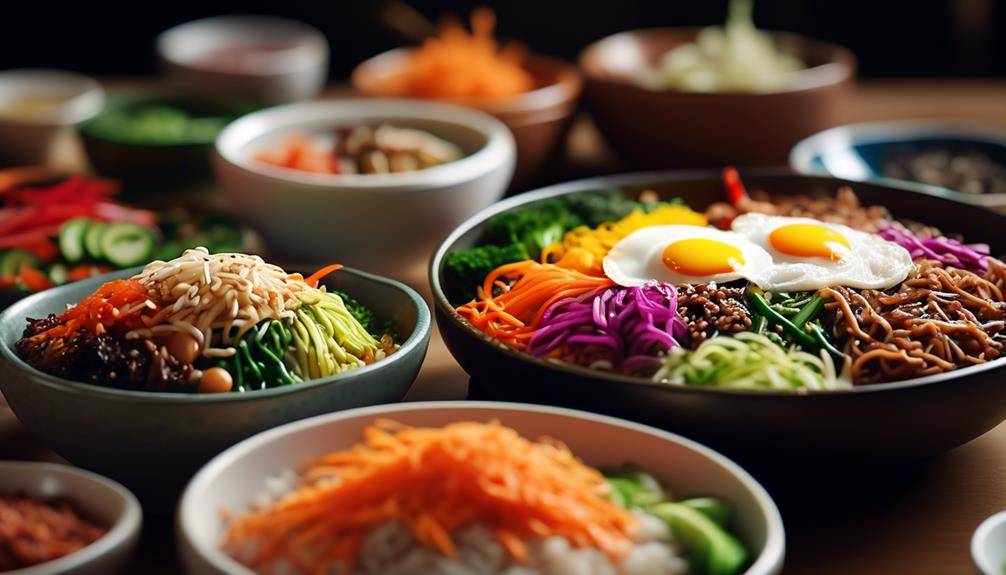
Exploring global cuisines can transform your zero waste meal prep into an exciting adventure. By incorporating diverse flavors and ingredients, you can create meals that not only taste amazing but also minimize waste. Start your journey with Mediterranean flavors—think roasted vegetables drizzled with olive oil and herbs. Use up any leftover veggies, making a vibrant ratatouille or a revitalizing tabbouleh.
Next, immerse yourself in the world of Asian spices. You can whip up a fragrant stir-fry using whatever greens and proteins you have on hand. Add soy sauce or tamari for depth and finish with sesame seeds for crunch.
Latin inspiration can spice up your meal prep as well. Consider making a hearty bean stew with leftover beans or veggies, seasoned with cumin and chili powder. It’s a great way to clear out the fridge while crafting a filling dish.
Don’t forget about Middle Eastern herbs! A chickpea salad with parsley, mint, and lemon brightens up any meal and can easily use up leftover legumes.
For a grain-forward approach, explore African grains like millet or quinoa. These can serve as a base for countless dishes, absorbing flavors beautifully.
Craving comfort? Indian curries are perfect for using up odds and ends, simmering everything into a warming pot.
Frequently Asked Questions: The Best Zero Waste Meal Prep Ideas
What Kitchen Tools Help Reduce Waste During Meal Prep?
To reduce waste during meal prep, use reusable containers for storage and practice composting techniques for scraps. These tools not only minimize waste but also keep your kitchen organized and environmentally friendly while you cook.
How Can I Involve Kids in Zero Waste Cooking?
Involving kids in cooking’s a great way to boost their engagement. Make it fun by letting them choose ingredients, measure, and mix. Teach them about using scraps creatively, turning zero waste into an exciting cooking adventure!
Are There Apps for Tracking Food Waste?
Yes, there are great tracking apps for monitoring food waste. You can use them alongside meal planning to implement sustainability tips, helping you reduce waste effectively. They’ll make tracking your food waste easier and more engaging!
What Should I Do With Expired Food?
When you find expired food, consider composting options for organic waste. For non-perishables, explore food preservation methods like canning or freezing to extend their life. Don’t let good food go to waste!
Can I Freeze Leftover Meals for Later Use?
Yes, you can freeze leftover meals for later use. Just use proper freezing techniques, like airtight containers or freezer bags, to guarantee quality. By doing this, you’ll enhance meal storage and reduce food waste efficiently.

Conclusion
By embracing these zero waste meal prep ideas, you’re not just saving money, but also reducing your environmental impact. Focus on seasonal ingredients, plan meals wisely, and get creative with leftovers. Bulk buying and proper food storage can cut down on waste, while homemade condiments and repurposing vegetable peels give new life to your kitchen scraps. Finally, explore global cuisines for inspiration that keeps your meals exciting and sustainable. Let’s make every bite count!
If you enjoyed exploring this topic and want to dive even deeper, be sure to check out some of our other articles here on Infinite Flavors. From rich culinary histories to creative twists on classic recipes, there’s always something new to discover. Whether you’re curious about the origins of a dish, looking for fresh inspiration in the kitchen, or simply love learning about food culture, our collection of posts is the perfect next step on your flavor journey.
The Best Sustainable Meal Prep Containers
Easy Plant-Based Sustainable Meal Prep Ideas
The Best Low-Carb Eco-Friendly Meal Prep Recipes