Easy Plant-Based Sustainable Meal Prep Ideas

Easy Plant-Based Sustainable Meal Prep Ideas; If you’re looking to adopt plant-based sustainable meal prep, start by stocking up on staple ingredients like whole grains, beans, and seasonal produce. Batch cooking and using eco-friendly tools can save you time and energy. For meals, consider overnight oats for breakfast, hearty casseroles for dinner, and snacks like roasted chickpeas for a quick energy boost. Not only will this approach improve your health, but it also helps reduce your carbon footprint and save money. There’s plenty more to explore in meal ideas and storage tips that can elevate your plant-based journey.
Benefits of Plant-Based Meal Prep
Embracing plant-based meal prep can transform your eating habits and boost your overall well-being. By focusing on this approach, you’ll enjoy numerous health benefits, such as improved heart health and increased energy levels. Additionally, incorporating a variety of fruits, vegetables, grains, and legumes allows you to explore different flavors and textures, expanding your culinary creativity.
You’ll also experience significant cost savings when you prepare meals at home. Buying seasonal produce and bulk items helps you save money while reducing food waste. This cost-effective strategy means you can invest in high-quality ingredients that enhance both your meals and your health.
The environmental impact of plant-based meal prep is another compelling reason to get started. Choosing plant-based foods reduces your carbon footprint and conserves water resources, positively affecting the planet. Plus, the time efficiency of meal prepping means you can spend less time cooking during the week, allowing you to focus on other priorities.
With plant-based meal prep, you gain dietary flexibility, making it easier to accommodate various dietary needs and preferences within your household. This adaptability can also foster community engagement, as you can share your meals, recipes, and experiences with friends and family.
Essential Ingredients to Stock
To make your plant-based meal prep successful, you’ll want to stock up on nutrient-dense staples like grains, legumes, and veggies. Don’t forget about flavorful seasoning options that can transform your meals and keep things exciting. With the right ingredients on hand, you’ll create delicious dishes in no time.
Nutrient-Dense Staples
Nutrient-dense staples are the backbone of any successful plant-based meal prep. Stocking your pantry with these essential ingredients not only boosts your meals but also enhances your health. Start with whole grains like quinoa; its benefits include being a complete protein and rich in fiber. You’ll appreciate the diversity of legumes—beans, lentils, and chickpeas—providing a variety of plant proteins and fiber sources that aid in nutrient absorption.
Incorporate superfood choices such as chia seeds and flaxseeds, which are packed with omega-3 fatty acids and antioxidants. Don’t forget to include seasonal produce; fresh fruits and vegetables not only taste better but also offer the highest nutrient content.
Diverse cooking methods, like steaming, roasting, or sautéing, can help preserve these nutrients while adding different textures and flavors. By incorporating antioxidant-rich foods like berries and leafy greens, you’ll create meals that are both delicious and healthful. With these nutrient-dense staples in your kitchen, you’ll be well on your way to preparing satisfying, wholesome plant-based meals that support your lifestyle.
Flavorful Seasoning Options
Seasoning can make or break your plant-based meals, turning simple ingredients into mouthwatering dishes. To elevate your cooking, stock your pantry with a variety of spice blends and herb combinations. Experiment with seasoning techniques like toasting spices to reveal their full flavor potential.
Consider different flavor profiles to suit various cuisines—think of vibrant Indian curry blends or zesty Mediterranean herbs. Don’t forget about condiment choices; sauces like tahini or sriracha can add a quick burst of flavor.
Marinade ideas are also essential. Use a mix of acids, such as lemon juice or vinegar, combined with umami boosters like soy sauce or miso. These will enhance the overall taste of your meals.
When using spices, pay attention to seasoning ratios to achieve the perfect balance. A pinch of smoked paprika can transform roasted vegetables, while a sprinkle of nutritional yeast adds a cheesy flavor without dairy.
Lastly, explore international flavors to keep your meals exciting. By incorporating diverse spices and techniques, you’ll create delicious plant-based dishes that are anything but bland. With these flavorful seasoning options, your meal prep will be a breeze!
Sustainable Cooking Tools
Choosing the right sustainable cooking tools can make a significant difference in your plant-based meal prep routine. By incorporating eco-friendly utensils and sustainable cookware into your kitchen, you not only enhance your cooking experience but also contribute to a healthier planet. Look for biodegradable cutting boards made from bamboo or recycled materials, which are both durable and environmentally friendly.
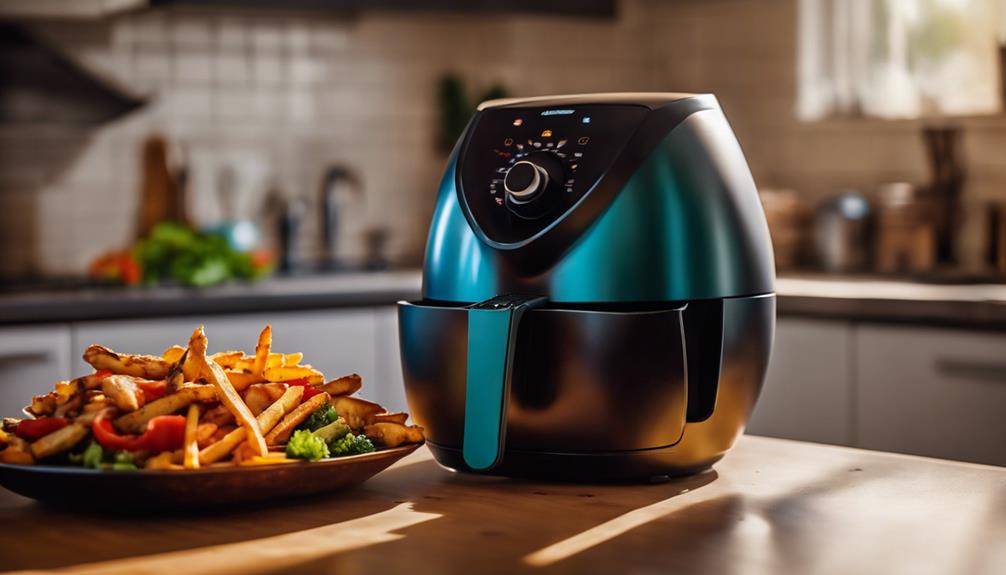
Investing in energy-efficient appliances can further elevate your meal prep. These appliances use less energy, saving you money while reducing your carbon footprint. Pair them with multi-functional gadgets that can chop, blend, and steam, allowing you to maximize your kitchen space and minimize waste.
When it comes to food storage, consider using compostable containers that break down naturally, unlike traditional plastic options. Reusable wraps made from organic cotton and beeswax can replace plastic wrap, keeping your food fresh without harming the environment. Also, opt for non-toxic pots that are free from harmful chemicals, ensuring that your meals stay safe and healthy.
Weekly Meal Prep Schedule
Creating a weekly meal prep schedule can save you time and help you stay organized. By focusing on time-saving prep techniques and balanced nutrient planning, you’ll guarantee your meals are both efficient and healthy. Plus, mastering storage and organization tips will keep your kitchen clutter-free and your ingredients fresh.
Time-Saving Prep Techniques
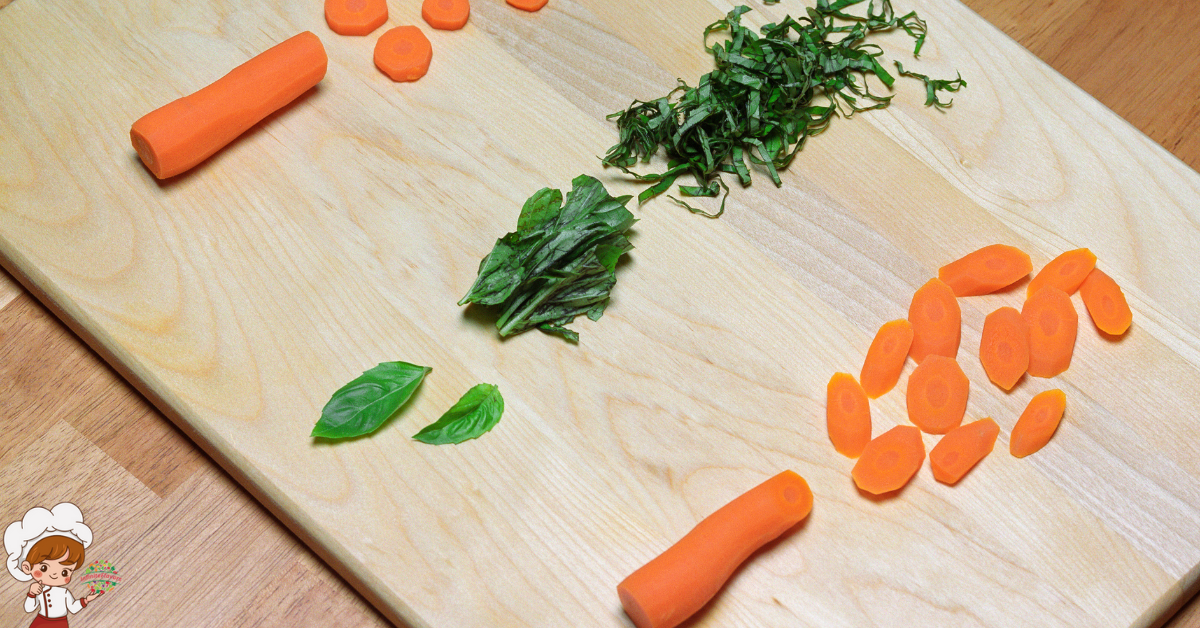
Efficient meal prep can transform your weekly cooking routine, saving you time and stress. By incorporating batch cooking into your schedule, you can prepare large quantities of meals at once. Start with ingredient prep—chop veggies, marinate proteins, and portion out grains ahead of time. This boosts your time efficiency during the week.
For effective kitchen organization, keep your pantry stocked with essentials. Use clear containers for easy visibility and quick access. When it comes to recipe planning, choose versatile meals that share ingredients to minimize waste and maximize flavor.
Utilize cooking shortcuts like using a slow cooker or an Instant Pot to free up your hands for other tasks. Multi-tasking techniques, such as cooking grains while roasting veggies, can help you make the most of your cooking time.
Don’t forget about food safety—cool cooked meals quickly before storing them in the fridge or freezer. Freezer meals are a lifesaver for busy nights, so prepare extra portions and freeze them for later. With these strategies in place, you’ll streamline your meal prep and enjoy delicious plant-based meals effortlessly.
Balanced Nutrient Planning
A well-structured weekly meal prep schedule can be your secret weapon for maintaining a balanced diet. Start by planning your meals around nutrient balance; aim for a mix of proteins, healthy fats, and carbohydrates. Consider allocating specific days for different meal themes, such as “Meatless Monday” or “Whole Grain Wednesday,” which encourages meal diversity and keeps things exciting.
Begin your week by selecting a variety of plant-based ingredients. Include legumes, grains, seasonal vegetables, and fruits to guarantee you’re getting a range of vitamins and minerals. When you create your shopping list, think about how these ingredients can be used across multiple meals. For example, prepare a large batch of quinoa that can serve as a base for salads, stir-fries, or bowls throughout the week.
Next, designate a day for meal prep. Chop veggies, cook grains, and prepare proteins like lentils or chickpeas in advance. Store them in labeled containers for easy access. By planning and prepping in advance, you’ll not only save time but also guarantee your meals are nutritionally balanced and diverse, making healthy eating effortless and enjoyable.
Storage and Organization Tips
To keep your plant-based meal prep organized, invest in clear, labeled containers that stack easily in your fridge. This way, you can quickly identify what’s inside, reducing the time you spend searching for meals. Consider using a variety of sizes—small containers for sauces and dressings, and larger ones for grains or salads.
When it comes to your pantry organization, group similar items together. Store grains, legumes, and spices in labeled jars to make cooking more efficient. Keep frequently used ingredients within easy reach while placing less common items higher up.
Utilize freezing techniques to extend the shelf life of your meals. For instance, you can freeze portions of soups, stews, and cooked grains in individual servings. This not only saves space but also guarantees you have ready-to-eat meals available.
Breakfast Ideas for Busy Mornings
Mornings can feel like a whirlwind, leaving little time to whip up a nutritious breakfast. But with a bit of planning, you can enjoy delicious meals that fuel your day. One of the simplest options is overnight oats. Just combine rolled oats with your favorite plant-based milk, chia seeds, and a sweetener like maple syrup. Toss in fruits, nuts, or even nut butter for added flavor and nutrition. Prepare several jars at once, and you’ve got a week’s worth of breakfasts ready to go.
If you’re in the mood for something revitalizing, smoothie variations are the way to go. You can blend spinach, banana, and almond milk for a green powerhouse, or mix berries with coconut yogurt for a creamy treat. Pre-pack smoothie bags by portioning out your ingredients into freezer bags. In the morning, just grab a bag, dump it in the blender, and you’re good to go.
Another quick option is chia pudding. Mix chia seeds with plant-based milk and let it sit overnight. By morning, you’ll have a thick, satisfying pudding. Top it with fruits, nuts, or a sprinkle of cinnamon to elevate the flavor.
With these meal prep ideas, you won’t have to sacrifice nutrition for time. You’ll find that even the busiest mornings can start off right with a little planning and creativity. Enjoy your mornings and the fuel they bring!
Lunch Options for Workdays
When it comes to lunch on workdays, you want quick and easy recipes that keep you energized. Using meal prep containers can help you stay organized and make the most of your time. Don’t forget to mix in some flavorful salad combos to keep your meals exciting!
Quick and Easy Recipes
Packing a delicious plant-based lunch doesn’t have to be a time-consuming chore. You can whip up effortless lunches in no time with a few quick recipes. Start your day with a quick breakfast by blending a convenient smoothie packed with fruits and greens. For lunch, consider easy wraps filled with hummus, veggies, and your favorite protein for a satisfying meal.
If you’re in the mood for something lighter, fast salads make a great option. Mix leafy greens, cherry tomatoes, chickpeas, and a zesty dressing for a revitalizing bite. On busier days, prepare simple snacks like energy balls or sliced veggies with a tasty dip to keep your energy up.
Don’t forget about speedy dinners! Leftovers from last night can easily transform into today’s lunch. Pack a portion of your stir-fried veggies and quinoa for a wholesome meal. Finally, treat yourself to healthy desserts, like chia pudding or fruit salad, to round off your day. With these quick and easy recipes, you’ll breeze through your workdays while enjoying delicious, plant-based meals!
Meal Prep Containers
Choosing the right meal prep containers can make all the difference in enjoying your plant-based lunches at work. When selecting meal container options, prioritize those that fit your portion sizes and help maintain freshness. Look for containers with tight-fitting lids to prevent spills and keep your meals intact during your commute.
Opt for eco-friendly materials like glass or BPA-free plastic. Glass containers are not only durable but also microwave and dishwasher safe, making them a convenient choice for busy workdays. If you’re looking for lightweight options, consider stainless steel or silicone containers, which are both reusable and environmentally friendly.
You’ll also want to think about compartmentalized containers. They allow you to separate different components of your meal—like grains, veggies, and proteins—while preventing flavors from mingling. This way, you can enjoy a well-balanced meal that’s as fresh as possible.
Flavorful Salad Combos
Salads can be a delicious and satisfying lunch option, especially when you combine the right ingredients. Start with seasonal ingredients to guarantee freshness and flavor. Think crisp greens, juicy tomatoes, and vibrant peppers to create stunning color contrasts that make your salad visually appealing.
Next, choose your protein sources like chickpeas, quinoa, or tofu to keep you full throughout the day. Incorporating texture combinations, such as crunchy nuts or creamy avocado, adds depth to every bite.
When it comes to dressing variations, experiment with homemade vinaigrettes or zesty citrus-based dressings to match your meal themes, whether it’s Mediterranean or Asian-inspired. Don’t forget to sprinkle in regional flavors with herbs like cilantro or basil for an extra kick.
For garnish ideas, consider adding seeds, microgreens, or even edible flowers to elevate your salad’s presentation. These thoughtful touches enhance not just the taste, but also the overall experience. With these flavorful salad combos, you’ll have exciting lunch options ready to grab and go, guaranteeing you’re nourished and satisfied during your workday.
Dinner Recipes for Every Night
When it comes to plant-based dinners, variety is key to keeping your taste buds excited throughout the week. To kick off your meal prep, consider whipping up a hearty casserole filled with seasonal vegetables and plant-based protein for a filling dish. On busy nights, you can opt for vibrant stir fries loaded with colorful veggies and tofu, making it both quick and nutritious.
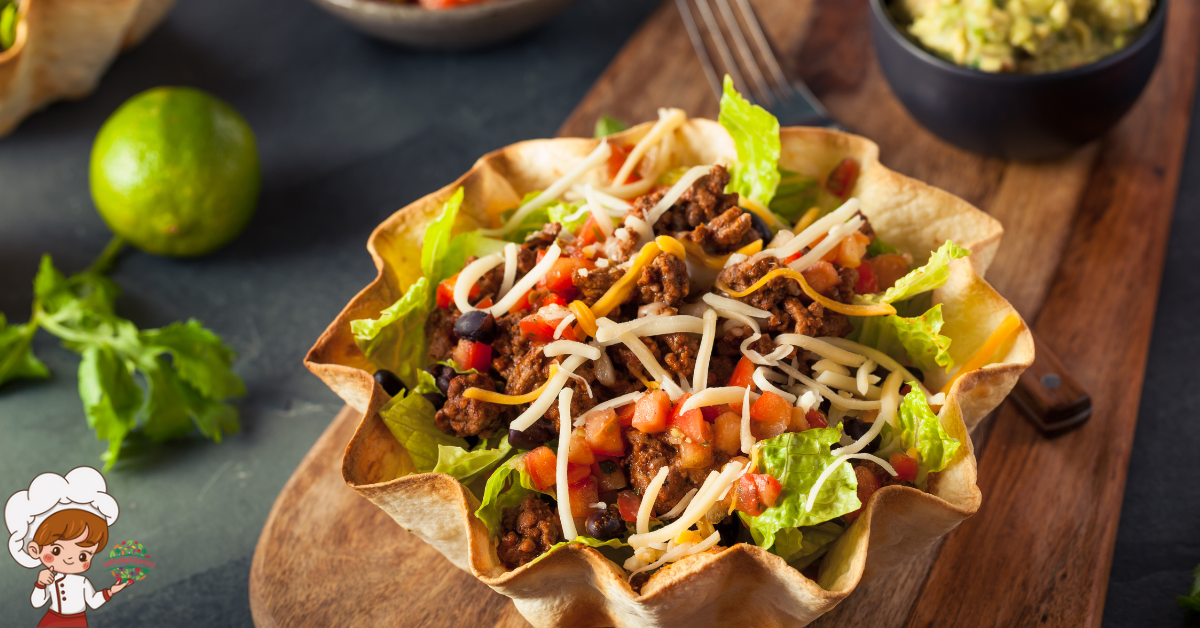
For those cooler evenings, a comforting soup can warm you right up. Think about a protein-packed stew simmered with lentils and your favorite vegetables. If you’re in the mood for something a bit more casual, quick tacos are always a hit. Just load up corn tortillas with black beans, avocado, and a splash of lime for a fresh twist.
Feeling adventurous? Try a zesty curry made with coconut milk and chickpeas, which pairs perfectly with brown rice. You can also prepare delicious grain bowls, combining quinoa or farro with roasted veggies and a drizzle of tahini for added flavor. For a handheld option, make filling wraps using whole grain tortillas, stuffed with hummus, veggies, and your choice of protein.
Snacks to Keep You Energized
For those in need of a quick pick-me-up, plant-based snacks can be a game changer in keeping your energy levels up throughout the day. When you’re busy or on the go, you don’t want to compromise on nutrition. That’s where energy boosting snacks come into play. They offer a convenient way to fuel your body without weighing you down.
Start with some nut butter on whole grain toast or rice cakes. Not only does this combo provide healthy fats and protein, but it also keeps you feeling satisfied. If you’re in the mood for something crunchy, try roasted chickpeas or edamame. Both options are packed with protein and fiber, making them perfect for healthy munching options.
Fruit is another fantastic choice. Grab a banana, apple, or a handful of berries for a natural sugar boost that’ll keep you energized. Pair your fruit with a small handful of nuts for an added kick of healthy fats and protein.
Don’t forget about energy balls! Blend oats, nut butter, and seeds to create bite-sized snacks that you can prep in advance. They’re not only delicious but also customizable to fit your taste preferences.
Lastly, consider homemade smoothies loaded with greens, fruits, and plant-based protein. They’re invigorating and can easily be taken with you. By keeping these plant-based snacks on hand, you’ll guarantee you have plenty of energy to power through your day.
Storage Tips for Freshness
To keep your plant-based meals fresh and flavorful, proper storage techniques are crucial. Start by using air tight containers to prevent air exposure, which can spoil your food faster. For items that need refrigeration, follow effective refrigeration techniques. Place your meals in the fridge at the right temperature to maintain freshness and guarantee moisture retention.
If you plan to store meals long-term, freezing methods are your best bet. Portion control is key here; divide your meals into single servings before freezing to make defrosting easier and to avoid waste. Meal labeling is essential, too—include dates and contents on your containers to keep track of shelf life.
When storing fresh produce, consider ingredient separation. Keep fruits and vegetables apart, as some fruits emit ethylene gas, which can hasten spoilage. Additionally, be mindful of climate considerations; humidity levels can affect how your food stays fresh.
For leafy greens or delicate items, wrapping them in a damp paper towel before placing them in an air tight container can help with moisture retention. Always check your fridge and freezer regularly for any items that might be nearing their expiration date, and adjust your temperature control settings if you notice any changes in your food’s quality. By implementing these storage tips, you’ll guarantee your plant-based meals remain delicious and nutritious for longer.
Reducing Food Waste Strategies
Reducing food waste is essential for both your wallet and the planet, and there are several effective strategies you can implement. First, plan your meals for the week. By creating a shopping list based on your meal prep, you’ll only buy what you need, minimizing impulse purchases that could go unused.
Next, get into the habit of utilizing creative leftovers. Instead of letting yesterday’s meal sit in the fridge, think of new ways to repurpose it. Leftover veggies can be tossed into a stir-fry or blended into a soup. You can even create a grain bowl by mixing various leftovers—this not only reduces waste but also keeps your meals exciting.
Don’t forget about proper storage! Make sure you store your food in airtight containers to keep them fresh longer. Also, label your leftovers with dates, so you know when to consume them.
Another effective strategy is to adopt composting practices. Instead of tossing scraps into the trash, consider composting them. This helps reduce landfill waste and creates nutrient-rich soil for your plants. Many cities offer composting programs, or you can start your own at home with a simple composter.
Frequently Asked Questions: Easy Plant-Based Sustainable Meal Prep Ideas
How Can I Get Enough Protein on a Plant-Based Diet?
To get enough protein on a plant-based diet, incorporate diverse protein sources like lentils, chickpeas, quinoa, and tofu. You’ll find plenty of plant protein options that help you meet your daily nutritional needs effectively.
Are There Any Budget-Friendly Plant-Based Meal Prep Tips?
To save money, focus on grocery shopping for seasonal produce and bulk items. Organize your kitchen to easily access ingredients, making meal prep simpler. Planning meals ahead helps minimize waste and maximizes your budget.
What Are Some Easy Plant-Based Recipes for Beginners?
You can start with simple snacks like hummus and veggies, then move to quick dinners such as stir-fried tofu with mixed vegetables. These recipes are easy, delicious, and perfect for beginners looking to explore plant-based cooking!
How Do I Prevent Meal Fatigue With Plant-Based Foods?
To prevent meal fatigue, you’ve gotta embrace meal variety. Experiment with flavor exploration, try ingredient swapping, and utilize seasonal produce. This keeps your meals exciting and guarantees you enjoy a diverse, satisfying plant-based diet.
Can I Meal Prep for Special Dietary Restrictions on a Plant-Based Diet?
Absolutely, you can meal prep for special dietary restrictions by using smart meal planning strategies. Explore dietary alternatives like gluten-free grains or nut-free proteins to guarantee your meals cater to your unique needs while staying delicious.

Conclusion
By embracing plant-based meal prep, you’re not just nourishing your body but also contributing to a more sustainable planet. With the right ingredients, tools, and strategies, you can whip up delicious meals that save time and reduce food waste. Remember, every small change counts, so start incorporating these ideas into your routine. You’ll feel more energized, eat healthier, and play a part in creating a better future for our environment. Happy cooking!
If you enjoyed exploring this topic and want to dive even deeper, be sure to check out some of our other articles here on Infinite Flavors. From rich culinary histories to creative twists on classic recipes, there’s always something new to discover. Whether you’re curious about the origins of a dish, looking for fresh inspiration in the kitchen, or simply love learning about food culture, our collection of posts is the perfect next step on your flavor journey.
Super Easy Sustainable Meal Prep Grocery List
Easy Sustainable Meal Prep For Busy Professionals
The Best Low-Carb Eco-Friendly Meal Prep Recipes