Easy Sustainable Meal Prep For Busy Professionals
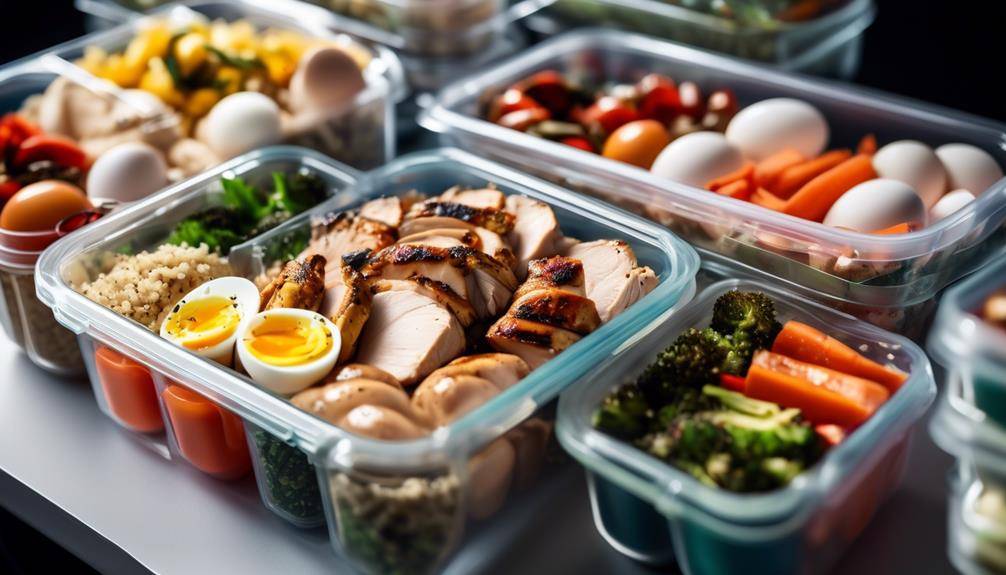
Sustainable Meal Prep For Busy Professionals is your key to eating healthy while reducing waste. Start by choosing seasonal and local ingredients to support farmers and cut your carbon footprint. Plan your meals around your busy schedule, batch cooking on weekends to save time. Use plant-based proteins like beans and lentils for a nutritious boost. Embrace leftovers creatively to minimize waste and add variety. Invest in reusable, eco-friendly containers to stay organized and eliminate single-use plastics. With these strategies, you’ll find it easier to stay on track with your meals. Discover even more tips to elevate your meal prep game effortlessly!
Understand Sustainable Meal Prep
Sustainable meal prep revolves around making conscious choices that benefit both your health and the environment. To effectively embrace sustainable meal prep, you’ll want to adopt specific meal prep strategies that align with sustainable diets. Start by planning your meals around seasonal and local produce. This not only reduces your carbon footprint but also supports local farmers and economies.
Next, focus on incorporating plant-based proteins into your diet. Beans, lentils, and quinoa are excellent choices that are often less resource-intensive than animal proteins. By prioritizing these ingredients, you can create nutritious meals that are both filling and environmentally friendly.
When it comes to packaging, opt for reusable containers and avoid single-use plastics. This simple switch can notably reduce waste while keeping your meals organized and fresh. Additionally, consider bulk buying staples like grains, nuts, and spices. This not only cuts down on packaging waste but often saves you money in the long run.
Don’t forget to incorporate leftovers into your meal prep strategies. Transform yesterday’s dinner into today’s lunch or use the remnants for a creative new dish. This not only minimizes food waste but also maximizes your efforts in the kitchen.
Ultimately, understanding sustainable meal prep means making intentional choices that align with your lifestyle and values. By following these meal prep strategies, you can contribute to a healthier planet while enjoying delicious, nutritious meals. It’s all about striking a balance that works for you.
Assess Your Weekly Schedule
To make the most of your sustainable meal prep efforts, it’s crucial to assess your weekly schedule. Start by identifying your commitments—work hours, meetings, social events, and any family responsibilities. This will help you pinpoint the time you can dedicate to meal prep without feeling overwhelmed.
Once you’ve mapped out your obligations, consider how you can optimize your time management. Are there days when you have more free time? If so, those are perfect for longer meal prep sessions. Conversely, if your schedule is packed during the week, think about preparing larger batches on the weekends. This way, you can save time during busy weekdays without sacrificing your health.
Don’t forget to factor in schedule flexibility. Life can be unpredictable, and it’s important to leave room for adjustments. If you know you might need to shift plans, consider meal prepping versatile ingredients that can be easily adapted. For instance, cooking grains and proteins in bulk allows you to mix and match with whatever fresh produce you can grab last minute.
Choose Seasonal Ingredients
Choosing seasonal ingredients not only boosts the freshness of your meals but also supports local farmers and reduces your carbon footprint. When you eat what’s in season, you’re likely to enjoy better flavor and nutrition. Plus, sourcing locally often means your food is more affordable and environmentally friendly.
Benefits of Seasonal Eating
Eating seasonally offers a delightful way to enhance your meals while supporting local farmers and the environment. By choosing seasonal ingredients, you tap into the nutritional benefits that come with fresh produce. Fruits and vegetables harvested at their peak ripeness are more flavorful and packed with essential nutrients, leading to better health benefits for you and your family.
Moreover, seasonal recipes allow you to explore food diversity, creating a vibrant array of dishes that reflect local traditions. Each season brings unique ingredients, inspiring creativity in your cooking and enabling you to enjoy new flavors. This flavor enhancement not only makes your meals more enjoyable but also encourages you to experiment with various cooking methods and pairings.
Eating seasonally also positively impacts the environment. When you choose local produce, you reduce the carbon footprint associated with long-distance transportation, supporting community support and local economies. This conscious choice fosters a connection to the land and the people who grow your food. Ultimately, embracing seasonal eating enriches your meals, promotes sustainable practices, and nurtures a deeper appreciation for the bounty of nature. So go ahead, savor the seasons!
Local Sourcing Advantages
Sourcing ingredients locally comes with numerous advantages that extend beyond just supporting your community. When you engage in community supported agriculture, you directly contribute to the local economy, benefiting farmers who work hard to provide fresh produce. Seasonal market visits allow you to connect with these farmers, enhancing your understanding of the food you eat while fostering regional food networks.
By practicing local sourcing, you embrace sustainable food practices that minimize your carbon footprint and guarantee the freshness of your meals. You’ll notice the local sourcing impact not only enhances the flavor but also boosts the nutritional benefits of local foods, which are often harvested at their peak.
Moreover, ethical sourcing options are abundant when you choose local ingredients. You can trust that your food aligns with farm to table principles, confirming it’s grown without harmful chemicals. Participating in community engagement initiatives, like farm tours or workshops, deepens your appreciation for the food system.
Incorporating locally sourced ingredients into your meal prep not only nourishes you but also strengthens your ties to the community, making your dining experience more fulfilling and responsible.
Plan Balanced Meals
Planning balanced meals is essential for maintaining a healthy lifestyle and guaranteeing you get the nutrients your body needs. When you focus on nutritional balance, you’re not just filling your plate; you’re creating meals that fuel your day. Aim for a colorful mix of fruits, vegetables, whole grains, lean proteins, and healthy fats. This variety not only satisfies your taste buds but also enhances your overall well-being.
To achieve meal diversity, contemplate the different food groups and how they can complement each other. For instance, pair a protein source like grilled chicken with a quinoa salad loaded with colorful veggies. Incorporate healthy fats, like avocado or nuts, for added flavor and nutrition. By rotating your ingredients weekly, you’ll keep meals exciting and guarantee you’re getting a broad spectrum of nutrients.
Don’t forget to take into account portion sizes! Use measuring cups or a food scale to help you understand what a balanced plate looks like. This practice helps prevent overeating and allows you to enjoy a variety of foods without feeling deprived.
Lastly, keep it simple. Choose recipes that require minimal prep time so you can stick to your plan, even on your busiest days. Remember, planning balanced meals doesn’t have to be complicated. With a little creativity and organization, you can create satisfying dishes that support your health and make your meal prep sustainable.
Batch Cooking Essentials
Batch cooking is a game changer for anyone looking to simplify their meal prep routine. By preparing multiple servings of meals in one go, you can save time and reduce stress throughout the week. To get started, you’ll want to master some key batch cooking techniques. Think about making large portions of grains like quinoa or brown rice, which can serve as the base for several meals. Roasting a variety of vegetables in one session not only enhances flavors but also adds nutritious options to your plates.
Having the right pantry essentials on hand is essential. Stock up on versatile staples like canned beans, lentils, and tomatoes, which can be easily incorporated into various dishes. Spices and herbs elevate your meals, so don’t skimp on those, either. With a well-stocked pantry, you can create a range of flavors and keep your meals exciting.
When it comes to proteins, consider cooking larger batches of chicken, tofu, or legumes. These can be portioned out for different meals, saving you from the daily cooking grind. Don’t forget about sauces and dressings; preparing these in advance can add a quick flavor boost to your dishes.
Incorporating batch cooking into your routine not only streamlines your meal prep but also helps you maintain a healthy diet, even on your busiest days. Embrace these techniques, and you’ll find the process becomes second nature before you know it!
Smart Storage Solutions
To make the most of your meal prep, choosing eco-friendly containers is key. You’ll also want to focus on labeling and organizing your meals for easy access, while incorporating space-saving techniques to maximize your storage. Let’s explore how these smart storage solutions can simplify your cooking routine and reduce waste.
Eco-Friendly Containers
Choosing eco-friendly containers for meal prep not only helps reduce waste but also enhances your kitchen organization. By opting for containers made from biodegradable materials, you can minimize your environmental impact while keeping your meals fresh. These materials break down naturally, ensuring that your food storage choices won’t contribute to long-lasting landfill waste.
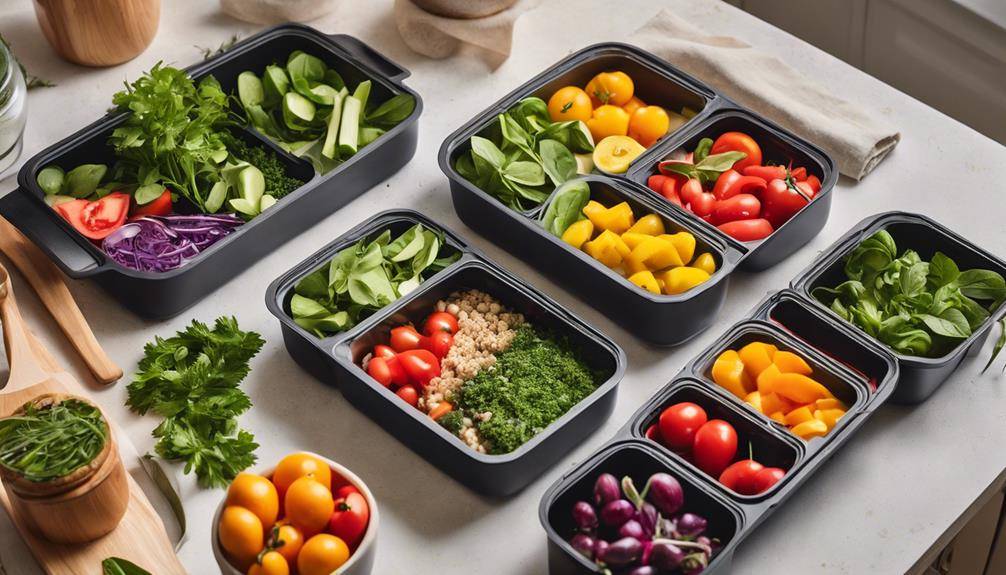
Reusable options are another fantastic choice. They come in various shapes and sizes, perfect for accommodating everything from salads to soups. By choosing durable containers, you’re not only saving money in the long run but also preventing single-use plastics from cluttering the planet. Look for glass or stainless steel containers, which are both sturdy and versatile.
When you invest in eco-friendly containers, you’re making a commitment to sustainability that reflects in your meal prep routine. Plus, they often come with airtight seals, ensuring your meals stay fresh longer. So, whether you’re batch cooking for the week or packing lunch for work, you can feel good knowing your storage solutions are kind to the earth. Prioritizing these containers will help you maintain an organized kitchen while being mindful of your ecological footprint.
Labeling and Organization
Streamline your meal prep by implementing effective labeling and organization strategies that keep your kitchen efficient and clutter-free. Start by clearly labeling all your containers with the contents and date. This simple labeling strategy not only helps you remember what’s inside but also encourages you to use older ingredients first, reducing waste.
Next, create a designated space for your meal prep supplies. Use bins or drawer organizers to keep your tools, utensils, and ingredients sorted. These organization tips make it easy to find what you need quickly, saving you precious time during busy weeks. Consider color-coding labels for different meal types or dietary preferences, which adds a visual element to your storage system.
When it comes to your fridge and pantry, group similar items together. Store proteins on one shelf, grains on another, and snacks in a separate area. This approach not only maximizes space but also speeds up your cooking process. By following these labeling and organization strategies, you’ll create a more enjoyable meal prep experience that aligns with your sustainable lifestyle.
Space-Saving Techniques
While maximizing your kitchen space might seem challenging, employing smart storage solutions can transform even the smallest areas into efficient meal prep hubs. Start by utilizing vertical storage; installing shelves can help you keep your ingredients organized and easily accessible. Invest in compact appliances that fit seamlessly into your kitchen layout, freeing up counter space for your meal prep stations.
For ingredient prep, consider using space-efficient containers that stack neatly and keep your pantry tidy. Drawer dividers can help you maintain shelf organization, ensuring your tools and utensils are within reach but not cluttering your workspace.
Incorporate multi-use tools that serve several functions, reducing the need for extra gadgets. Embrace kitchen zoning by designating specific areas for different tasks, from chopping to cooking. This minimalistic setup not only enhances efficiency but also makes cleanup a breeze.
Eco-Friendly Packaging Options
A variety of eco-friendly packaging options can greatly reduce your environmental impact during meal prep. By choosing biodegradable materials, you can help minimize waste that ends up in landfills. Biodegradable containers decompose naturally, breaking down into non-toxic components, which is a much better alternative to traditional plastic that can linger for centuries. Look for options made from materials like plant-based plastics, paper, or compostable fibers.
In addition to using biodegradable containers, consider incorporating reusable bags into your meal prep routine. These bags are perfect for storing ingredients, leftovers, or even snacks. Not only do they save you money in the long run, but they also considerably cut down on single-use plastic waste. Opt for bags made from durable materials like silicone or organic cotton, as they’re designed to withstand repeated use and washing.
When you combine biodegradable materials and reusable bags, you’ll create a sustainable system that aligns with your busy lifestyle. You can pack lunches, store prepped ingredients, and keep food fresh without the guilt of contributing to environmental harm. Plus, many eco-friendly packaging options come in stylish designs, making your meal prep not just sustainable but also visually appealing.
Time-Saving Kitchen Tools
Five essential time-saving kitchen tools can transform your meal prep experience, making it faster and more efficient. First off, a high-quality food processor is a game changer. This multitasking tool can chop, slice, and puree, allowing you to whip up sauces or chop vegetables in mere seconds. Next, consider investing in a slow cooker or Instant Pot. These countertop appliances utilize smart technology to help you prepare meals with minimal hands-on time, perfect for busy professionals.
Another must-have is a set of measuring cups and spoons that’s easy to organize. With a good organization system, you won’t waste time searching for the right measurements. A kitchen scale can also improve time efficiency by ensuring precision, especially when following recipes or meal prepping in bulk.
Don’t forget about silicone food storage bags. They’re fantastic for food preservation and can be reused, reducing waste. Plus, they save time when it comes to cleaning up after meal prep. Finally, look into digital timers and smart kitchen gadgets. These culinary tools help you manage cooking times effectively, ensuring that your meals are cooked to perfection without constant monitoring.
Incorporating these tools into your kitchen not only streamlines your meal prep but also enhances your cooking hacks, making healthy eating a breeze. With the right tools at your disposal, you’ll find that sustainable meal prep becomes an enjoyable and efficient part of your busy lifestyle.
Incorporate Leftovers Creatively
Maximizing your meal prep means not just cooking efficiently but also making the most of what you have. Leftovers often sit in your fridge, waiting for the right moment to shine. Instead of letting them languish, think about how you can turn them into new, inventive recipes. By embracing leftover transformations, you can create delicious meals that save you time and reduce waste.
Start by examining what you’ve got. Leftover roasted vegetables can easily become a vibrant frittata or a hearty soup. Cooked grains like quinoa or rice can be the base for a revitalizing salad when tossed with fresh herbs, lemon, and whatever protein you have on hand. This not only adds variety to your meals but also keeps your taste buds engaged.
Don’t forget about sauces and dressings! If you’ve got remnants of a sauce from a previous dish, use it to elevate your next meal. A little creativity goes a long way. Try turning leftover chicken into a flavorful stir-fry or mixing it into a wrap with some fresh veggies.
You can also get imaginative with breakfast. Leftover pancakes or waffles can be repurposed into a delightful bread pudding. The key is to think outside the box and let your culinary creativity flow. You’ll find that leftovers can be the foundation for exciting meals, making your busy week much more enjoyable and sustainable. So, roll up your sleeves and get ready to transform those leftovers into something fabulous!
Minimize Food Waste
To minimize food waste, start by making smart ingredient selections that align with your meal prep goals. Think about how you can creatively utilize leftovers to extend their life and reduce waste. By being intentional with your choices and planning, you’ll not only save money but also contribute to a more sustainable kitchen.
Smart Ingredient Selection
When you choose ingredients wisely, you not only create delicious meals but also greatly reduce food waste. Start by focusing on ingredient sustainability. Opt for seasonal produce that’s more likely to be fresher and last longer. This not only enhances your meals but also supports local farmers and reduces transportation emissions.
Next, consider ethical sourcing. Buy from local farmers’ markets or look for brands that prioritize sustainable practices. This way, you’re not just getting quality ingredients; you’re also making a positive impact on the community and the environment.
Plan your meals around what you have on hand, and think about how ingredients can complement each other. For instance, if you buy a bunch of kale, plan meals that use it in different ways throughout the week. By doing this, you’ll decrease the chances of it going bad before you get to it.
Lastly, keep an eye out for bulk bins where you can purchase only what you need. This minimizes excess packaging and helps you avoid buying more than you can use. By making these smart choices, you’ll enjoy tasty meals while contributing to a more sustainable food system.
Creative Leftover Utilization
Leftovers can be a treasure trove of culinary possibilities, transforming what could become waste into exciting new meals. Instead of tossing those extra veggies or grains, think creatively about how to repurpose them. For instance, you can whip up a delicious leftover frittata. Just beat some eggs, mix in your leftover vegetables, cheese, and even meats, then bake it until it’s fluffy and golden. This not only saves food but gives you a hearty breakfast or lunch option.
Another excellent way to utilize leftovers is by creating a rich soup base. Gather any remaining meats, vegetables, and stocks in your fridge, toss them into a pot, and let them simmer. Add herbs and spices to enhance the flavor, and you’ve got a warming soup that’s perfect for any day.
Maintain Motivation and Variety
Maintaining motivation and variety in your meal prep can be a game changer for your culinary routine. When you feel inspired, cooking becomes less of a chore and more of an enjoyable experience. To keep your meal prep exciting, dedicate some time each week to seek out new meal inspiration. Browse through cookbooks, food blogs, or social media platforms to discover fresh ideas. Don’t hesitate to try a new recipe or ingredient that you’ve never used before—this flavor exploration can elevate your dishes and keep your taste buds excited.
Another way to maintain motivation is to plan themed meal prep days. For instance, designate one day for “Taco Night” and another for “Mediterranean Delights.” This not only adds a fun twist to your week but also helps you explore different cuisines. You might even find a few favorites that you’ll want to incorporate regularly.
To further enhance variety, consider batch cooking components rather than entire meals. Cook a big batch of grains, proteins, and roasted veggies, then mix and match them throughout the week. This allows for endless combinations and keeps your meals interesting.
Frequently Asked Questions: Sustainable Meal Prep For Busy Professionals
How Can I Make Meal Prep More Enjoyable and Less of a Chore?
To make meal prep more enjoyable, try using meal prep hacks like batch cooking and organizing ingredients. Create a fun cooking playlist to energize your time in the kitchen, turning it into a lively experience.
Are There Specific Diets That Align With Sustainable Meal Prep?
Yes, specific diets like plant-based options align perfectly with sustainable meal prep. You can incorporate zero waste strategies by using whole ingredients, reducing food waste, and focusing on seasonal produce that minimizes your environmental impact.
What Are Some Quick Snacks for Busy Professionals?
When you’re busy, quick snacks like nut butter packets, Greek yogurt cups, or trail mix are great. They’re nutrient-dense options that fit easily in your bag, ensuring you’ve got portable snacks whenever you need them.
How Can I Involve My Family in Meal Prep?
Involve your family by assigning meal prep responsibilities. Create a fun cooking night where everyone shares tasks, like chopping veggies or seasoning. It’ll strengthen bonds and teach kids valuable cooking skills while making meals together.
What Are the Best Local Resources for Seasonal Ingredients?
You’ll find the best local resources for seasonal ingredients at farmers’ markets and local farms. Connecting with local farmers not only supports your community but also guarantees fresh, seasonal produce for your meals.

Conclusion
Sustainable meal prep doesn’t have to be overwhelming, even with a busy schedule. By understanding your routine, choosing seasonal ingredients, and embracing batch cooking, you can create balanced meals that save time and reduce waste. Don’t forget to get creative with leftovers and keep things interesting to stay motivated. With these simple strategies, you’ll enjoy delicious, eco-friendly meals that fit seamlessly into your lifestyle. Start today, and watch how easy sustainable eating can be!
If you enjoyed exploring this topic and want to dive even deeper, be sure to check out some of our other articles here on Infinite Flavors. From rich culinary histories to creative twists on classic recipes, there’s always something new to discover. Whether you’re curious about the origins of a dish, looking for fresh inspiration in the kitchen, or simply love learning about food culture, our collection of posts is the perfect next step on your flavor journey.
Super Easy Sustainable Meal Prep Grocery List
Exciting Eco-Friendly Meal Prep For Students
Great High Protein Sustainable Meal Prep