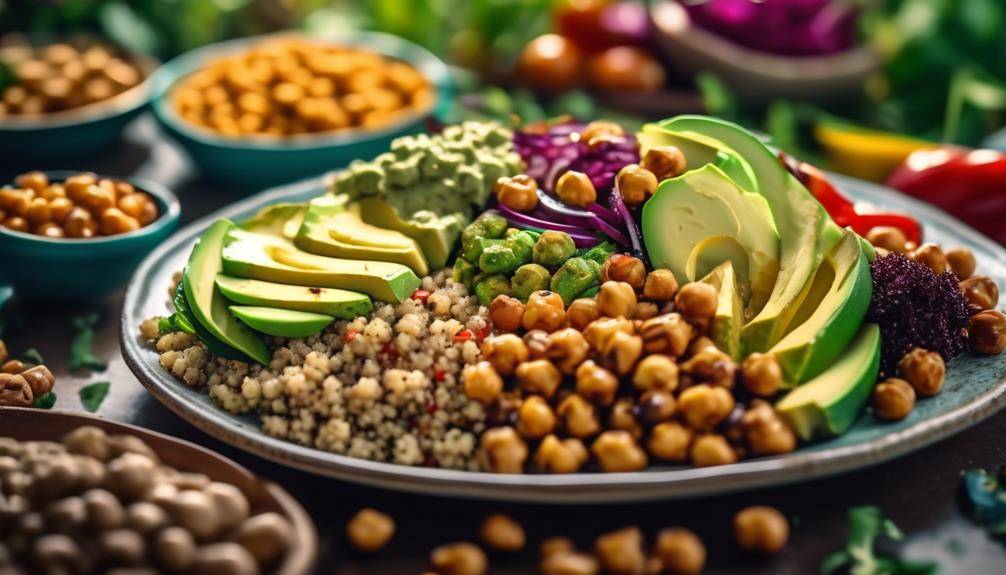
Great High Protein Sustainable Meal Prep
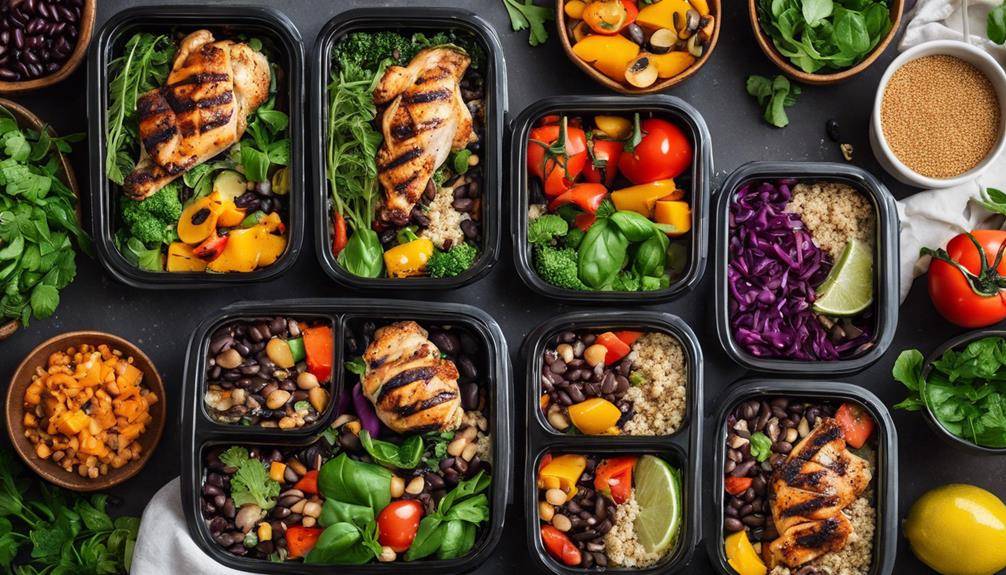
Great High Protein Sustainable Meal Prep is a fantastic way to fuel your body while being kind to the planet. Focus on incorporating quality proteins like legumes, quinoa, or ethically sourced meats into your meals. Plan your meals around seasonal produce to enhance flavor and support local farmers. By prepping, you save time and reduce the urge to grab unhealthy snacks. Use airtight containers for storage and label them for easy access. This method not only maintains freshness but also minimizes waste. You’ll find plenty of helpful tips and ideas that can transform your cooking routine into something exciting.
Understanding Protein Needs
Understanding your protein needs is vital for optimizing your health and fitness goals. Knowing how much protein you should consume daily helps you tailor your meals effectively. The recommended dietary allowance for protein varies based on factors like age, activity level, and muscle mass, but a general guideline is around 0.8 grams of protein per kilogram of body weight. If you’re highly active or looking to build muscle, you might need more—up to 1.6 to 2.2 grams per kilogram can be advantageous.
To maximize protein digestion, it’s important to evaluate protein timing. Consuming protein at strategic times can enhance muscle recovery and growth. Aim to distribute your protein intake throughout the day, ideally consuming a source of protein with each meal and snack. This approach not only supports muscle repair but also keeps you feeling satiated, preventing unnecessary snacking.
Additionally, assess the quality of the protein sources you choose. Complete proteins, like eggs, dairy, and lean meats, contain all essential amino acids your body needs. If you’re vegetarian or vegan, combine different sources, such as beans and rice, to guarantee you’re getting a balanced amino acid profile.
Benefits of Meal Prepping
Meal prepping not only saves you time during your busy week, but it also gives you control over your nutrition. By planning and preparing your meals in advance, you can guarantee you’re hitting your protein goals and making healthier choices. Let’s explore how efficient meal prep can transform your daily routine and enhance your overall health.
Time Management Efficiency
Many people find that meal prepping greatly boosts their time management efficiency. By dedicating a few hours each week to plan and prepare your meals, you can streamline your daily routine. This allows you to focus on other priorities without the stress of last-minute cooking or takeout.
When you meal prep, you’re fundamentally time blocking your cooking tasks. You’re setting aside specific periods to chop, cook, and store your meals, which eliminates the chaos of figuring out what to eat each day. This structured approach helps you prioritize tasks, ensuring that you allocate your time wisely—whether it’s work commitments, family activities, or personal projects.
Moreover, with meals ready to go, you minimize decision fatigue. You won’t waste precious minutes deciding what to eat or rummaging through the fridge at the end of a long day. Instead, you can grab your portioned meal, heat it up, and get back to what matters most in your life.
Incorporating meal prepping into your routine ultimately frees up time, reduces stress, and enhances your overall productivity, making it a smart strategy for anyone looking to manage their time more effectively.
Nutritional Control Benefits
Gaining control over your nutrition is one of the standout benefits of meal prepping. When you take the time to prepare your meals in advance, you can guarantee that each dish is packed with the right balance of nutrients, particularly protein, which is vital for muscle repair and overall health. This proactive approach allows you to maximize protein absorption by strategically planning your meals around ideal meal timing.
By deciding when and what you eat, you can effectively regulate your energy levels throughout the day. You’ll notice that preparing high-protein meals in advance reduces the temptation to grab unhealthy snacks or fast food, which can derail your nutrition goals. Plus, having meals readily available means you’re less likely to skip important meals, which can lead to poor protein intake.
Meal prepping empowers you to make informed choices, giving you the freedom to experiment with different recipes and ingredients that suit your dietary needs. You’ll find that this level of control not only enhances your health but also boosts your confidence in making better food choices. Embrace the benefits of meal prepping, and watch your nutritional goals come to fruition.
Sustainable Protein Sources
Sustainable protein sources are becoming essential for both our health and the planet’s well-being. As you explore your meal prep options, consider integrating alternative protein sources that prioritize food sustainability. By focusing on local sourcing, you not only support nearby farms but also reduce your carbon footprint. Embrace regenerative agriculture techniques, which enhance soil health and promote plant diversity, ensuring that the protein you consume is nutrient-dense and environmentally friendly.
Participating in community gardens can be a fantastic way to access fresh, sustainable proteins while fostering connections with others. These gardens often utilize crop rotation, enriching the soil and improving the efficiency of your food sources. You’ll find that a diverse range of plants can provide essential nutrients and proteins, making meal prep both exciting and healthy.
When shopping for protein, opt for products that come in eco-friendly packaging. This conscious choice helps minimize waste and promotes a circular economy. Additionally, consider the protein efficiency of the sources you choose; some options yield more protein per resource consumed, making them better for the environment and your health.
Plant-Based Protein Options
Plant-based protein options offer a delicious and nutritious way to fuel your body while being kinder to the environment. Incorporating these foods into your meals can provide you with ample protein without relying on animal sources. Tofu varieties, for instance, can be grilled, stir-fried, or blended into smoothies, making them versatile staples in your meal prep.
Legume benefits are hard to overlook—beans, lentils, and peas pack a protein punch and are perfect for soups, salads, and stews. Quinoa recipes can serve as a fantastic base for grain bowls, providing all nine essential amino acids. Don’t forget about tempeh dishes; this fermented soybean product is rich in protein and has a unique nutty flavor that enhances any meal.
Seitan options are another great way to boost your protein intake. Often referred to as wheat meat, seitan can be sautéed, grilled, or added to stir-fries. Edamame snacks make for a perfect protein-rich snack or appetizer. Chickpea uses are endless, from hummus to salads, and they’re an excellent source of both protein and fiber.
Incorporating nuts into your diet not only gives you plant protein but also brings numerous nut benefits, such as healthy fats and essential nutrients. Finally, don’t underestimate hemp seeds; a sprinkle can elevate salads or smoothies, adding an extra protein boost. By embracing these plant-based protein options, you’ll nourish your body and support sustainable eating practices.
Ethically Sourced Animal Proteins
When you’re choosing animal proteins, opting for ethically sourced options like grass-fed beef and sustainable seafood can make a big difference. These choices not only support better animal welfare but also contribute to healthier ecosystems. By prioritizing these proteins, you’re making a positive impact on both your health and the planet.
Grass-Fed Beef Benefits
Choosing grass-fed beef not only enhances your meals with rich flavor but also comes with significant health and ethical benefits. When you opt for grass-fed beef, you’re choosing a source of protein that’s higher in omega-3 fatty acids and antioxidants, thanks to its natural diet. This quality of grass-fed nutrition doesn’t just support your body; it also promotes heart health and reduces inflammation.
Moreover, the environmental impact of grass-fed beef is typically less harmful than that of conventionally raised cattle. Grass-fed cattle often graze on pasture, which can enhance soil health and reduce the need for synthetic fertilizers and pesticides. By choosing grass-fed options, you’re supporting farming practices that are more sustainable and ecologically friendly.
Ethically, grass-fed beef aligns better with humane treatment practices. Cattle are raised in more natural settings, allowing them to roam and engage in instinctive behaviors. This approach results in healthier animals and ultimately translates to better-quality meat for you. So, when you incorporate grass-fed beef into your meal prep, you’re making a choice that’s good for your health, the environment, and the animals themselves.
Sustainable Seafood Choices
Sustainable seafood choices play an essential role in your quest for ethically sourced animal proteins. By choosing seafood from sustainable fishing practices, you support ocean conservation and protect marine biodiversity. Look for seafood certifications like the Marine Stewardship Council (MSC) or the Aquaculture Stewardship Council (ASC). These labels guarantee that the seafood you’re buying meets high standards for fish sustainability.
When you source seafood, consider supporting local fisheries that practice ethical fishing methods. This not only reduces your carbon footprint but also promotes community well-being. Opt for seasonal seafood to enjoy fish at its freshest while minimizing environmental impact.
Eco-friendly aquaculture is another great option, providing responsibly farmed fish that can help meet global protein needs without depleting ocean resources. By making informed choices in seafood sourcing, you can contribute to a healthier planet and a more sustainable food system.
Seasonal Produce Selection
Freshness plays an essential role in meal prep, especially when it comes to selecting seasonal produce. Choosing fruits and vegetables that are in season not only enhances the flavor of your dishes but also supports local farmers and sustainable practices. When you buy seasonal produce, you’re more likely to find items that are fresher, tastier, and more nutritious. Plus, you’re reducing your carbon footprint by minimizing transportation needs.
To make the most of your meal prep, start by researching what’s currently in season in your area. Visit local farmers’ markets or check out community-supported agriculture (CSA) programs. These sources often provide a variety of fresh, seasonal ingredients that can inspire your cooking. Think about incorporating these ingredients into your meals. Seasonal recipes can help you explore new flavors and combinations, making your meal prep exciting and diverse.
When you plan your meals around seasonal produce, you’re not just eating healthier; you’re also saving money. Seasonal items are typically more affordable since they’re abundant and don’t require extensive transportation. Look for recipes that highlight these ingredients, whether it’s a summer salad bursting with ripe tomatoes and cucumbers or a hearty winter stew filled with root vegetables.
Meal Prep Essentials
To set yourself up for success in meal prep, there are a few essentials you shouldn’t overlook. First, invest in quality meal prep tools. A good set of sharp knives will make chopping and slicing much easier, saving you time in the kitchen. Additionally, you’ll want to have cutting boards, measuring cups, and mixing bowls on hand. These tools help guarantee your ingredients are prepped accurately and efficiently.
Next, consider your meal prep storage options. You’ll need airtight containers to keep your meals fresh throughout the week. Look for options that are microwave and dishwasher safe for added convenience. Glass containers are often a great choice, as they’re durable and won’t absorb odors like plastic can. Make sure to choose a variety of sizes to accommodate different portion sizes, from snacks to full meals.
Don’t forget about labels! Using labels can help you keep track of what’s in each container and when it needs to be consumed. You can opt for reusable labels for an eco-friendly approach.
Batch Cooking Techniques
While you may be tempted to cook individual meals each day, batch cooking can save you time and assure you have nutritious options ready to go. This technique allows you to prepare larger quantities of food at once, which you can then divide into portion sizes that fit your dietary needs. Start by planning your cooking timelines to make sure everything comes together smoothly.
When selecting your recipes, consider ingredient pairing to maximize nutritional benefits. For instance, pairing grains with proteins can create balanced meals. Aim for batch sizes that you can easily store, whether in the fridge or freezer. Utilizing effective freezing methods will help maintain the quality of your food. Store meals in airtight containers to prevent freezer burn and maintain freshness.
As you cook, think about recipe variations to keep your meals interesting. You could prepare a base dish, like quinoa or chicken, and then add different vegetables or sauces to create unique meals throughout the week. This approach also allows for flavor infusions, enhancing the overall taste without too much effort.
Don’t forget about kitchen organization. Keeping your workspace tidy will help you move efficiently from one step to the next. Label your containers with dates and contents, so you always know what’s on hand. By mastering batch cooking techniques, you’ll streamline your meal prep process and enjoy the benefits of healthy eating with minimal daily effort.
Flavoring Your Meals
After mastering batch cooking, it’s time to elevate your meals with flavor. You can transform your high-protein dishes into culinary delights using various techniques. Start by experimenting with herb blends and spice combinations that suit your palate. Mix dried herbs like oregano and thyme with spices such as cumin or paprika to create a base for your meals.
Don’t underestimate the power of citrus zesting. A simple sprinkle of lemon or lime zest can brighten up a dish and add a fresh note that complements protein. To deepen the taste, explore umami enhancements like soy sauce, miso, or nutritional yeast, which can bring richness to your meals.
Utilizing marinade methods is another effective way to infuse flavor. Marinate your proteins overnight for maximum impact—think garlic, olive oil, and your favorite spices. When cooking, apply flavor layering by incorporating ingredients in stages. Start with aromatics like onions and garlic, then add your proteins and finish with sauces or broths for a complex taste profile.
Don’t forget about sauce pairings; a well-chosen sauce can elevate your entire meal. Consider balancing the tastes by mixing sweet, salty, and savory elements for a satisfying experience. Finally, think about texture contrasts—pairing crispy vegetables with tender proteins can create an enjoyable mouthfeel. With these techniques, you’ll not only enhance your meals but also keep your meal prep exciting every week.
Storing and Reheating Tips
When it comes to storing your high-protein meals, choosing the right containers is key to keeping them fresh. You’ll also want to master reheating techniques to guarantee your meals taste just as good the second time around. Let’s explore how to store and reheat your meals effectively for maximum flavor and nutrition.
Optimal Storage Containers
Choosing the right storage containers is vital for keeping your high-protein meals fresh and ready to reheat. Start by considering container materials like glass and stainless steel, which are durable and often BPA-free options. These materials not only resist staining but also help maintain temperature control, guaranteeing your meals stay fresh for longer.
When it comes to portion sizes, opt for containers that suit your meal variety. Having different sizes allows you to store everything from snacks to full meals without wasting space. Look for stackable designs that make organizing your fridge or freezer easy, maximizing your storage efficiency.
Airtight seals are essential for preventing moisture and air from spoiling your food, so choose containers with secure lids. If you’re environmentally conscious, consider eco-friendly choices made from sustainable materials. These options not only benefit the planet but often come with added durability.
Lastly, always label your containers with dates and contents, making it easier to track freshness. With the right storage containers, you’ll guarantee that your high-protein meal prep is both practical and sustainable.
Reheating Techniques Explained
Once you’ve stored your high-protein meals in the right containers, the next step is reheating them properly to confirm they taste just as fresh as when you prepared them. Use microwave techniques for quick portion reheating, but be mindful of reheating times; aim for 1-2 minutes, stirring halfway through to guarantee even cooking. If you’re after better texture preservation, consider oven reheating. Preheat your oven to 350°F and warm your meal for about 15-20 minutes, which helps retain flavor and moisture.
Stovetop methods can also be effective, especially for dishes like stir-fries or soups. Heat on medium-low, stirring frequently, until you reach the desired food temperature. Always check for reheating safety by confirming your meals reach an internal temperature of 165°F to eliminate any harmful bacteria.
For ideal meal freshness, cover your food while reheating to trap steam, which aids in flavor retention. No matter the method you choose, keeping an eye on the reheating process is key to enjoying your high-protein meals just as you intended. With these techniques, you can savor delicious and nutritious meals every time!
Balancing Macronutrients
Balancing macronutrients is vital for creating a nutritious high-protein meal prep that supports your fitness goals. To achieve this, you’ll want to take into account macronutrient ratios tailored to your dietary preferences. Typically, a balanced meal contains a mix of protein, carbohydrates, and healthy fats. This not only enhances nutrient density but also guarantees you’re getting the right components to fuel your body effectively.
Variety is key when it comes to meal composition. Incorporating diverse food pairings will keep your meals interesting and satisfying. Think about combining lean proteins like chicken or tofu with whole grains such as quinoa or brown rice, and don’t forget to add plenty of colorful vegetables. This combination provides essential vitamins and minerals while maintaining a balanced meal profile.
Protein timing is another significant factor. Confirm you’re distributing your protein intake throughout the day, especially around your workouts. This strategy helps optimize muscle recovery and growth. Aim for a consistent intake during meals and snacks, rather than loading up on protein in just one sitting.
Lastly, remember that balanced meals aren’t just about hitting numbers; they’re about how food makes you feel. Listen to your body and adjust your meal prep accordingly. By focusing on macronutrient balance and incorporating meal variety, you’ll not only support your fitness goals but also cultivate a healthier relationship with food.
Reducing Food Waste
Reducing food waste is vital for both your budget and the environment. By adopting smart shopping habits and meal planning, you can minimize excess ingredients and guarantee you only buy what you need. Start by making a grocery list based on your meal prep, keeping in mind the shelf life of items you purchase. This helps prevent food spoilage and allows for better food storage.
Implementing portion control can also considerably cut down on leftovers that often go uneaten. When you cook efficiently, you can prepare just the right amount, allowing you to enjoy fresh meals without having to toss anything out. For the leftovers you do have, consider using creative leftovers strategies to transform them into new dishes. A little imagination can turn last night’s roasted vegetables into a delicious frittata or soup.
If you find yourself with food that you can’t consume in time, explore food preservation techniques. Freezing, pickling, or canning can extend the life of many foods, keeping them fresh longer and reducing waste. Additionally, consider composting strategies for scraps and inedible parts. This not only helps manage waste but also enriches your garden soil.
Frequently Asked Questions: Great High Protein Sustainable Meal Prep
How Can I Make Meal Prepping More Enjoyable and Less Monotonous?
To make meal prepping more enjoyable, explore meal prep creativity by experimenting with new recipes and ingredients. Incorporate flavor variety by using different spices, marinades, and cooking methods. You’ll find excitement in every bite!
What Kitchen Tools Are Essential for Efficient Meal Prep?
To streamline meal prep, invest in sharp knives for efficient cutting techniques and airtight containers for smart storage solutions. These tools’ll save you time and keep your ingredients fresh, making the process enjoyable and effective.
Can I Meal Prep for a Whole Week in Advance?
Yes, you can meal prep for a whole week in advance. By focusing on weekly planning and incorporating ingredient variety, you’ll keep your meals exciting and guarantee you have nutritious options ready to go.
How Do I Adjust Portion Sizes for Different Dietary Needs?
To adjust portion sizes for different dietary needs, consider caloric adjustments based on individual goals. Take into account dietary restrictions, and modify ingredients accordingly. It’s crucial to balance nutrition while ensuring everyone’s preferences are respected.
What Are Some Quick Snacks High in Protein for Busy Days?
On busy days, grab protein-packed smoothies for a quick boost. You can also whip up nut butter energy balls in advance; they’re easy to snack on and keep your energy levels steady throughout the day.

Conclusion
By focusing on high-protein, sustainable meal prep, you’re not just nourishing your body but also making a positive impact on the planet. Incorporating a variety of plant-based and ethically sourced animal proteins guarantees you meet your nutritional needs while being mindful of sustainability. With a bit of creativity in flavoring and smart storage practices, you can enjoy delicious meals throughout the week. So, embrace these strategies, reduce food waste, and savor every bite while feeling good about your choices!
If you enjoyed exploring this topic and want to dive even deeper, be sure to check out some of our other articles here on Infinite Flavors. From rich culinary histories to creative twists on classic recipes, there’s always something new to discover. Whether you’re curious about the origins of a dish, looking for fresh inspiration in the kitchen, or simply love learning about food culture, our collection of posts is the perfect next step on your flavor journey.
The Great Paleo Diet Sustainable Meal Prep
Super Easy Sustainable Meal Prep Grocery List
Exciting Eco-Friendly Meal Prep For Students