The Best Pressure Cooking For Seafood
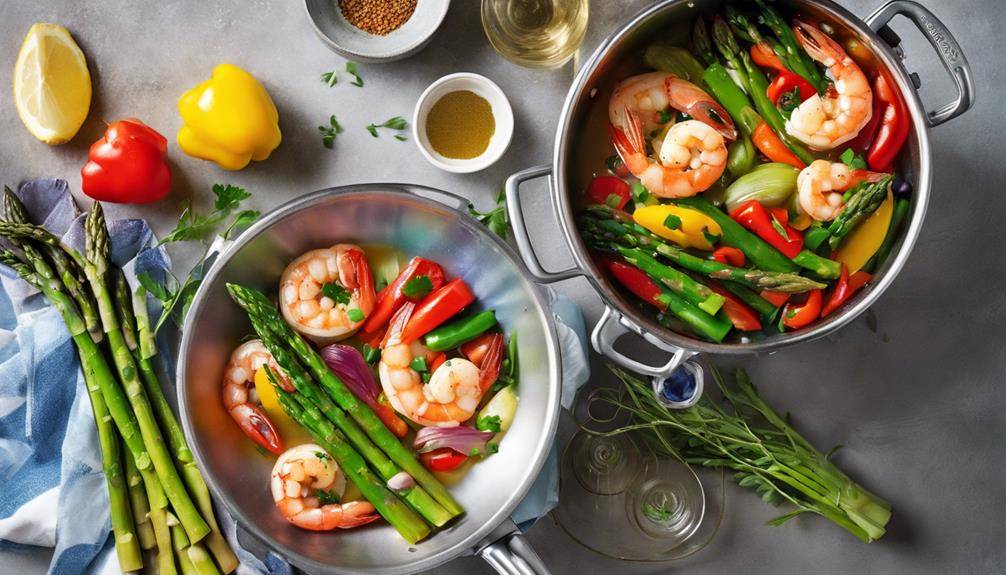
The Best Pressure Cooking For Seafood; Pressure cooking seafood is a game changer for quick, delicious meals. In just minutes, you can achieve perfectly tender shrimp, fish, and shellfish while locking in flavors and moisture. You’ll want a high-quality pressure cooker and some basics like a steamer basket and measuring tools. Popular choices include shrimp, salmon, and mussels, which cook quickly and retain their natural goodness. Be mindful of cooking times to prevent rubbery textures. Using marinades can elevate your dishes even more. If you’re looking to spice up your seafood game, there’s plenty more to discover about techniques and flavor enhancements.
Benefits of Pressure Cooking Seafood
Pressure cooking seafood offers a quick and efficient way to prepare delicious meals while preserving the delicate flavors and textures of your favorite fish and shellfish. One of the most significant benefits of this method is the nutritional advantages it provides. When you pressure cook, the seafood retains more vitamins and minerals compared to traditional cooking methods. This means you get to enjoy a healthier meal without sacrificing taste.
Cooking efficiency is another major benefit of pressure cooking seafood. With the ability to cook dishes in a fraction of the time, you can whip up a gourmet seafood feast even on busy evenings. For instance, shrimp that typically take 5-10 minutes to cook can be ready in just a couple of minutes under pressure. This not only saves time but also energy, making it an eco-friendly choice.
Furthermore, pressure cooking enhances the flavors by allowing the ingredients to meld together more effectively. You’ll find that your spices and seasonings penetrate the seafood deeply, creating a more robust taste. Whether you’re preparing succulent salmon, tender scallops, or flavorful mussels, you’ll appreciate how the pressure cooker locks in moisture, preventing the seafood from drying out.
Essential Equipment Needed
When it comes to crafting perfect seafood dishes, having the right equipment is vital. To begin with, you’ll need a high-quality pressure cooker. Whether you opt for an electric model or a stovetop version, make sure it has a reliable sealing mechanism to retain steam effectively. This is fundamental for achieving tender, succulent seafood.
Next, invest in appropriate cooking vessels that fit inside your pressure cooker. A steamer basket or a trivet can elevate your seafood above the liquid, allowing steam to circulate evenly. This setup not only preserves the delicate flavors but also prevents overcooking.
For seafood preparation, a good set of knives is a must. A filleting knife will help you handle fish with precision, while a sturdy chef’s knife can tackle larger shellfish. Don’t forget a cutting board, preferably one that’s easy to clean and resistant to odors.
Additionally, having some measuring cups and spoons on hand can be a game changer. Accurate measurements of liquids and seasonings will guarantee your dishes turn out just right.
Finally, consider using a digital thermometer. This tool helps you check the doneness of your seafood, making sure it’s cooked to perfection without any guesswork.
With these vital pieces of equipment, you’ll be well-prepared to explore the world of pressure cooking seafood and create delicious, mouthwatering meals with ease.
Best Seafood for Pressure Cooking
When you’re pressure cooking seafood, some options stand out for their quick cooking times and rich flavors. Shellfish like shrimp and mussels make excellent choices, while tender fish varieties like salmon and cod are perfect for a speedy meal. Let’s explore the best picks that will elevate your pressure cooking experience.
Quick Cooking Options
Some of the best seafood for pressure cooking includes shrimp, fish fillets, and mussels. These options not only cook quickly, but they also make for healthy meals that are packed with nutrients. When you’re in need of quick meal ideas, pressure cooking can be a game changer.
For shrimp, just a few minutes under pressure is all it takes to achieve tender, juicy results. Fish fillets, whether salmon or tilapia, require similar care; they cook up in a snap and maintain their delicate flavors. Mussels are another fantastic choice that only need about five minutes in the pressure cooker.
Flavorful Shellfish Choices
For a delightful twist on your seafood repertoire, consider incorporating shellfish into your pressure cooking routine. Shellfish varieties like shrimp, mussels, clams, and scallops are perfect for this quick and efficient cooking method. Pressure cooking not only saves time but also locks in flavors and moisture, making your dishes incredibly succulent.
When you pressure cook shrimp, they cook in just a few minutes, becoming tender without losing their natural sweetness. Mussels and clams open up beautifully under pressure, releasing their briny goodness into the broth. You can enhance their flavors with garlic, herbs, and a splash of white wine for a gourmet experience. Scallops, on the other hand, can be cooked to creamy perfection, allowing you to create a restaurant-quality dish at home.
Experiment with various cooking methods by adding different spices or sauces to your shellfish. You’ll discover that each shellfish variety brings its unique taste and texture to the table. So, gather your ingredients, set your pressure cooker, and enjoy the delightful flavors that shellfish can add to your meals!
Tender Fish Varieties
After exploring the delightful world of shellfish, it’s time to contemplate tender fish varieties that shine in a pressure cooker. When you think about the best seafood for pressure cooking, consider options like salmon, trout, and tilapia. These fish not only offer fantastic flavors but also boast wonderful textures that hold up well under pressure.
Salmon, for instance, is rich in omega-3 fatty acids, making it a popular choice for both health and taste. Its fatty texture becomes melt-in-your-mouth tender when cooked in a pressure cooker. Trout, with its delicate flesh, absorbs flavors beautifully, while tilapia’s mild taste provides versatility in recipes.
Choosing fish from sustainable fishing sources is crucial. This not only guarantees you’re supporting environmentally responsible practices but also promises fresher, higher-quality seafood. When you prioritize sustainability, you’re making a healthier choice for both yourself and the planet.
Incorporating these tender fish varieties into your pressure cooking repertoire will enhance your meals and make cooking seafood quick and easy. Enjoy the process, and savor every delicious bite of your perfectly cooked fish!
Pressure Cooking Techniques
When you’re pressure cooking seafood, mastering the techniques is key to achieving great results. You’ll want to focus on essential tips, like ensuring proper sealing and using the right amount of liquid. Timing is vital, too, as it can make the difference between perfectly cooked seafood and a rubbery texture.
Essential Pressure Cooking Tips
Mastering essential pressure cooking tips can elevate your seafood dishes to new heights. First, always verify you’re using the right cooking methods for the type of seafood you’re preparing. Delicate fish like sole or flounder typically require less time and pressure than heartier varieties such as salmon or tuna.
Next, pay attention to seafood safety. Always check that your seafood is fresh, and store it properly before cooking. When using a pressure cooker, make certain to clean your seafood thoroughly to eliminate any contaminants.
Also, don’t overcrowd your pressure cooker. Give your seafood enough space to cook evenly and absorb all those delicious flavors. Adding aromatics like garlic, lemon, or herbs can enhance the taste, but be sure to adjust the liquid levels accordingly.
Timing for Perfect Seafood
Timing is essential for achieving perfectly cooked seafood in a pressure cooker. When you pressure cook, you’re working with specific cooking times that can dramatically affect the texture and flavor of your fish or shellfish. A general rule is to cook fish for about 3 to 5 minutes, while shrimp and scallops need just 1 to 3 minutes. Overcooking can lead to rubbery results, so it’s vital to respect these timeframes.
Seafood freshness also plays a significant role in the outcome. Fresh ingredients cook faster and produce better flavors, so always choose the freshest seafood available. If you’re using frozen seafood, make certain it’s properly thawed; otherwise, it might require additional cooking time, which can compromise its quality.
To streamline your process, consider preparing your sauces or sides while the seafood cooks. This way, you can serve your meal immediately after the cooking cycle ends, preserving the seafood’s natural moisture and taste. Remember, a quick release of pressure is best for delicate items like fish, as it helps maintain their tenderness. By mastering timing and focusing on seafood freshness, you’ll create delicious, perfectly cooked dishes every time.
Flavor Enhancements and Marinades
Flavor enhancements and marinades often elevate seafood dishes, transforming them into culinary delights. When you use a pressure cooker, these enhancements can infuse your seafood with rich flavors in a fraction of the time. Experimenting with marinade variations can open up a world of taste, allowing you to match the seafood with complementary ingredients.
Consider starting with a classic citrus marinade. Combining lemon or lime juice with olive oil, garlic, and herbs creates a bright, zesty flavor profile that pairs beautifully with fish and shrimp. For a more robust option, try a soy sauce-based marinade. Mixing soy sauce, ginger, sesame oil, and a dash of honey delivers a savory, umami-rich flavor that works wonders with salmon or scallops.
Don’t shy away from bold spices either. A marinade with chili paste, lime juice, and cilantro can give your seafood a spicy kick, perfect for those who enjoy a bit of heat. Alternatively, a yogurt-based marinade can tenderize and add creaminess, especially for grilling or roasting after pressure cooking.
As you experiment, remember to let your seafood soak in the marinade for at least 30 minutes to an hour, allowing those flavors to penetrate deeply. With the right combination of marinade variations and careful attention to flavor profiles, you’ll be amazed at how your pressure-cooked seafood can become a standout dish that impresses every time.
Delicious Pressure Cooker Recipes
What could be more rewarding than savoring a delicious seafood meal prepared with minimal effort? Pressure cooking makes it possible to create gourmet dishes in no time. Whether you’re in the mood for shrimp, fish, or mussels, you can whip up a meal that’s both flavorful and satisfying.
Start with a classic shrimp scampi. Toss fresh shrimp into your pressure cooker with garlic, butter, lemon juice, and a splash of white wine. Set the cooking temperature to medium and let it work its magic for just a few minutes. Serve it over pasta or rice for a complete meal.
If you’re craving something heartier, try a seafood paella. Combine mussels, clams, and diced fish with saffron-infused rice, bell peppers, and peas. Pressure cook everything together, adjusting the cooking temperatures to guarantee the seafood is perfectly cooked but not overdone.
Don’t forget the importance of seafood pairings. You can enhance your dishes with fresh herbs like parsley and cilantro, or a sprinkle of chili flakes for some heat. For a revitalizing side, consider a light salad with citrus dressing to balance the richness of your seafood.
With these delicious pressure cooker recipes, you’ll impress your family and friends without spending hours in the kitchen. Whether you’re a seasoned chef or a novice, these dishes are sure to elevate your seafood cooking game. Enjoy the ease and flavor that pressure cooking brings to your table!
Troubleshooting Common Issues
While pressure cooking seafood can yield delicious results, it’s not uncommon to encounter a few challenges along the way. If you find yourself facing overcooked seafood, it’s likely you’ve used too long a cooking time. Adjust your pressure settings and stick to recommended times to avoid this common issue. On the flip side, undercooked shellfish can be frustrating. Always verify you’re following the cooking times closely, especially for delicate items like shrimp or clams.
Steam release issues can also arise. If you notice steam escaping before your cooker reaches the desired pressure, check that the sealing ring is properly in place. This could save you from texture problems in your dish. Consider flavor retention tips, like adding herbs or citrus zest right before sealing the pot, to enhance your seafood’s taste without compromising cooking times.
When experimenting with recipe variations, be mindful of ingredient substitutions. For instance, if you’re using frozen seafood instead of fresh, adjust your cooking times accordingly. Finally, always prioritize safety precautions. Never rush the steam release process; allow it to naturally release when possible to prevent splattering.
Cleaning and Maintaining Your Cooker
Regular maintenance and cleaning of your pressure cooker are vital for guaranteeing it operates safely and efficiently. Start by cleaning the pot after each use. Use warm, soapy water and a non-abrasive sponge to scrub away any residue. Avoid using steel wool or harsh chemicals, as these can damage the surface. For stubborn stains, let the pot soak for a bit before scrubbing.
Next, pay attention to the lid and gasket. The gasket is essential for creating a proper seal, so check it regularly for any cracks or wear. You can wash the gasket with warm, soapy water, but be careful not to stretch or distort it. Always dry it thoroughly before reassembling your cooker.
Don’t forget about the steam release valve. Make sure it’s clear of food particles and debris. You can use a small brush or a toothpick to clean it, guaranteeing it functions correctly during cooking. For deep cleaning, consider using vinegar or a mixture of baking soda and water to remove any lingering odors or stains.
Lastly, store your pressure cooker in a dry place with the lid upside down. This prevents moisture buildup and keeps it fresh. By following these cleaning techniques and maintaining your cooker properly, you’ll extend its lifespan and enjoy safe, efficient cooking for years to come. Remember, a well-maintained pressure cooker not only enhances your cooking experience but also guarantees the best results for your seafood dishes.
Frequently Asked Questions: The Best Pressure Cooking For Seafood
Can I Use Frozen Seafood in a Pressure Cooker?
Yes, you can use frozen seafood in a pressure cooker. It’s convenient and retains flavor. For best results, try adding a bit more liquid and adjust cooking times based on the type of seafood you’re using.
How Long Does It Take to Pressure Cook Different Seafood Types?
When you’re pressure cooking different seafood varieties, cooking times vary. Shrimp typically takes about 2-3 minutes, while fish fillets need around 5 minutes. Clams and mussels usually require 4-6 minutes. Always check for doneness!
Is It Safe to Pressure Cook Shellfish?
Absolutely, it’s safe to pressure cook shellfish as long as you follow proper guidelines. Make certain you’re maintaining shellfish safety by cooking them to the right temperature, which helps eliminate harmful bacteria effectively. Enjoy your meal!
Can I Pressure Cook Seafood With Its Shell On?
You can pressure cook seafood with its shell on. This technique enhances flavor and keeps moisture locked in, providing shell on benefits. Experimenting with different cooking techniques will elevate your dishes and impress your guests.
Do I Need to Add Liquid for Pressure Cooking Seafood?
Yes, you need to add liquid for pressure cooking seafood. It helps create steam, which enhances flavor. Exploring various cooking techniques can elevate your dish, making it more delicious and enjoyable for everyone at the table.

Conclusion
To sum up, pressure cooking seafood is a game-changer for quick, flavorful meals. With the right equipment and techniques, you can easily whip up delicious dishes while preserving nutrients and enhancing flavors. Don’t forget to experiment with marinades and spices to elevate your meals even further. By mastering this method, you’ll enjoy perfectly cooked seafood every time. So grab your pressure cooker, plunge into those recipes, and savor the tasty results! Happy cooking!
If you enjoyed exploring this topic and want to dive even deeper, be sure to check out some of our other articles here on Infinite Flavors. From rich culinary histories to creative twists on classic recipes, there’s always something new to discover. Whether you’re curious about the origins of a dish, looking for fresh inspiration in the kitchen, or simply love learning about food culture, our collection of posts is the perfect next step on your flavor journey.
Selecting The Right Pressure Cooker
Making Desserts In A Pressure Cooker
Get Excited About Pressure Cooking For Keto Diet