The History of Super Easy Shrimp Scampi
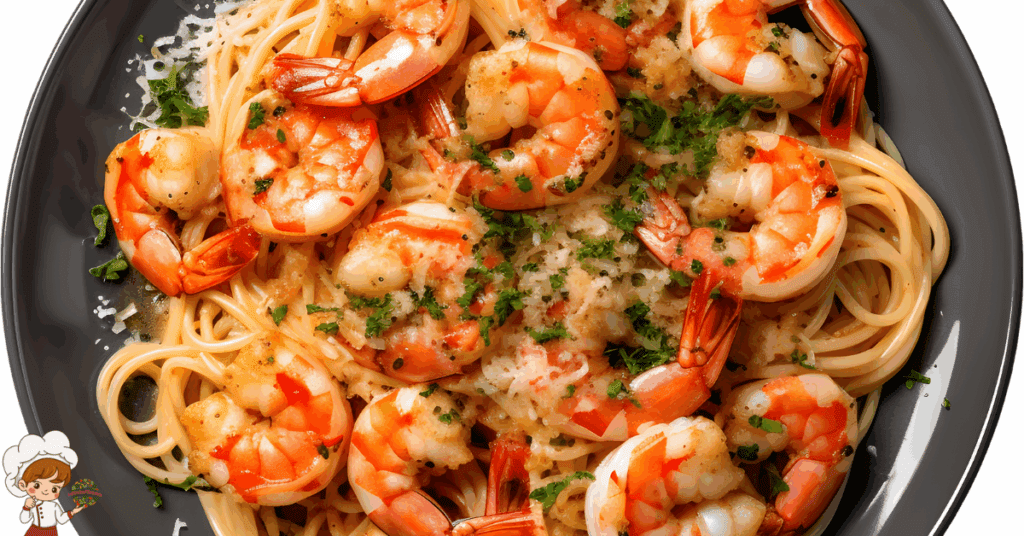
The History of Super Easy Shrimp Scampi; Few dishes capture the elegance of coastal dining and the comfort of home cooking quite like Shrimp Scampi. This simple yet luxurious dish — featuring tender shrimp bathed in butter, garlic, and a hint of lemon — has become a favorite on restaurant menus and dinner tables around the world. Whether served over pasta, with crusty bread, or as a standalone entrée, Super Easy Shrimp Scampi represents the perfect balance of flavor, freshness, and simplicity.
But beyond its irresistible taste lies a fascinating story of evolution — one that spans continents, languages, and culinary traditions. The journey of shrimp scampi begins not in America, but in Italy, where the term “scampi” referred to an entirely different creature. Over time, Italian immigrants reimagined this dish, adapting it to their new environment and available ingredients. The result was a creation uniquely their own — a dish that today stands as a hallmark of Italian-American cuisine.
Let’s dive deep into the rich history and cultural journey of Shrimp Scampi, uncovering how this beloved dish transformed from an Old World delicacy into a modern kitchen staple.
The Italian Roots of Shrimp Scampi
To understand Shrimp Scampi’s origin, we must first look to Italy’s coastal regions. The word scampi in Italian doesn’t originally refer to shrimp at all. Instead, it describes a type of small lobster or langoustine (Nephrops norvegicus), native to the Mediterranean and Adriatic Seas. These crustaceans, known for their delicate, sweet flavor, were often sautéed in butter, olive oil, garlic, and white wine — a preparation that became the foundation for what we now call scampi.
In Italy, this dish was simply known as scampi in bianco (scampi in white sauce) or scampi alla veneziana (Venetian-style scampi). Each coastal town had its variation, often flavored with local herbs, citrus, or a touch of chili. The focus, however, was always on freshness — capturing the essence of the sea with minimal ingredients.
It wasn’t until Italian immigrants arrived in America in the late 19th and early 20th centuries that scampi began to transform.
How Italian Immigrants Shaped the American Scampi
When Italian immigrants settled in the United States, they brought with them a wealth of culinary traditions. However, certain ingredients from their homeland — like Mediterranean langoustines — weren’t readily available in America. What they did find in abundance, though, were shrimp.
Shrimp, similar in texture and taste to langoustines, became the natural substitute. Home cooks and restaurant chefs began preparing shrimp in the same garlicky, buttery, white wine sauce used for traditional scampi. Over time, this hybrid dish came to be known as “shrimp scampi.”
The name itself is a linguistic curiosity — essentially translating to “shrimp shrimp.” But the term stuck, symbolizing both its Italian roots and its American evolution. This adaptation marked the birth of a new classic — a fusion of Old World techniques and New World ingredients.
By the mid-20th century, shrimp scampi had become a staple of Italian-American cuisine, appearing on restaurant menus across the United States.
Shrimp Scampi in Mid-Century American Dining
The 1950s and 60s saw a surge in the popularity of Italian-American dishes in the U.S. As Americans embraced the flavors of Italy — spaghetti, lasagna, chicken parmesan — shrimp scampi found its place among them.
Restaurants, especially in cities like New York and Boston, began featuring shrimp scampi as a luxurious yet approachable dish. It was elegant enough for fine dining but simple enough for home cooking. The combination of shrimp, butter, garlic, and lemon offered an irresistible aroma and a flavor profile that appealed to American palates.
During this time, cookbooks and women’s magazines began publishing simplified versions of shrimp scampi, often labeling them as “quick and easy dinners.” These adaptations used pantry staples like butter, garlic powder, and dried parsley — paving the way for the Super Easy Shrimp Scampi recipes we see today.
The Culinary Evolution of Shrimp Scampi
Over the decades, shrimp scampi continued to evolve, reflecting changes in lifestyle, dietary preferences, and culinary innovation.
In the 1970s and 80s, the dish began to incorporate pasta — particularly linguine — transforming it from a simple seafood entrée into a hearty meal. The addition of pasta also made it more versatile and filling, appealing to families seeking one-pan dinners.
In the 1990s, as healthy eating trends gained traction, variations emerged that reduced butter content or replaced it with olive oil. Meanwhile, restaurants elevated the dish with fresh herbs, white wine reductions, and even cream-based sauces.
Despite these variations, the core essence of shrimp scampi remained unchanged: tender shrimp, aromatic garlic, and a buttery, citrusy finish. Its adaptability is what has allowed it to endure and remain beloved across generations.
Why Shrimp Scampi Became a Modern Favorite
The appeal of Super Easy Shrimp Scampi lies in its simplicity. In an age of fast-paced living, home cooks value meals that deliver big flavor with minimal effort — and shrimp scampi checks every box.
It’s fast to prepare, visually appealing, and delivers restaurant-quality taste without complicated techniques. The ingredients are few but flavorful: shrimp, garlic, butter, lemon, and sometimes a splash of wine. Each component plays a crucial role in creating the dish’s signature balance of richness and brightness.
Additionally, shrimp scampi fits beautifully into a variety of diets — from low-carb and keto to pescatarian. It can be served over pasta, rice, or even zucchini noodles, making it adaptable to nearly any preference.
The Influence of Regional Variations
As shrimp scampi spread across America, regional variations emerged, each adding a unique twist to the classic preparation.
In New Orleans, chefs incorporated a hint of Cajun spice, giving the dish a Southern kick. Along the West Coast, fresh herbs and local wines were used to create lighter, California-inspired versions. Meanwhile, in New England, scampi often featured large Atlantic shrimp and was paired with buttered rolls or served as part of seafood platters.
Each variation reflects its regional culture while maintaining the soul of the original Italian inspiration. This adaptability is one of the reasons shrimp scampi has achieved timeless appeal.
The Science of Shrimp Scampi’s Flavor
Behind the simplicity of shrimp scampi lies a bit of culinary chemistry. The dish’s magic comes from the interaction between butter, garlic, and seafood.
Butter acts as a flavor carrier, absorbing and enhancing the natural sweetness of the shrimp. When heated, it creates a luscious base that allows the garlic’s aroma to bloom without burning. The addition of lemon juice or white wine introduces acidity, which balances the richness of the butter and adds a refreshing brightness.
This combination — fat, acid, and aromatics — is the foundation of culinary harmony. It’s why shrimp scampi delivers such a satisfying, well-rounded flavor profile with so few ingredients.
Shrimp Scampi and the American Seafood Revival
The rise of shrimp scampi also coincided with a broader seafood renaissance in America. As refrigeration, freezing, and global trade improved, shrimp became more accessible and affordable.
By the 1980s, shrimp had overtaken tuna as the most consumed seafood in the United States — and dishes like shrimp scampi played a major role in that shift. Restaurants showcased shrimp scampi as a sophisticated yet approachable dish, often using it as a gateway for diners new to seafood.
Today, shrimp scampi remains a beloved menu item in Italian restaurants, seafood bistros, and home kitchens alike. Its staying power is a testament to its perfect balance of comfort, simplicity, and elegance.
Shrimp Scampi in Popular Culture
Beyond the dinner table, shrimp scampi has achieved cultural recognition as a symbol of indulgence and simplicity. It frequently appears in movies, cooking shows, and restaurant scenes, representing the quintessential “fancy yet easy” meal.
In the 1990s and early 2000s, when celebrity chefs began emphasizing quick gourmet cooking, shrimp scampi became a showcase dish — proof that you didn’t need complex techniques to create something restaurant-worthy.
Its name alone evokes luxury — “scampi” sounds elegant, even exotic — yet the dish itself is approachable and familiar. This duality has helped cement shrimp scampi’s place in both culinary and pop culture.
Why the Dish Continues to Evolve
In the modern kitchen, Super Easy Shrimp Scampi has evolved to suit contemporary tastes. Home cooks now experiment with dairy-free butters, gluten-free pasta, and plant-based alternatives — without losing the essence of the dish.
Restaurants, too, have embraced new interpretations, incorporating local seafood, artisan pastas, and international flavors. Some versions use chili oil for heat, while others add capers or sun-dried tomatoes for depth.
This ongoing evolution reflects shrimp scampi’s greatest strength: its adaptability. It can be elevated for fine dining or simplified for quick weeknight meals — always maintaining that classic garlicky, buttery charm.
The Timeless Appeal of Super Easy Shrimp Scampi
At its heart, Super Easy Shrimp Scampi represents everything people love about cooking: flavor, simplicity, and a touch of indulgence. It’s a dish that bridges generations, uniting traditional Italian roots with modern American sensibilities.
Whether served in a seaside restaurant or made at home for family dinner, shrimp scampi always feels special — a small luxury that’s achievable any day of the week.
Its timeless appeal lies in its balance: buttery but fresh, simple but sophisticated, indulgent yet wholesome. It’s a dish that proves great cooking doesn’t require complexity — only care and quality ingredients.
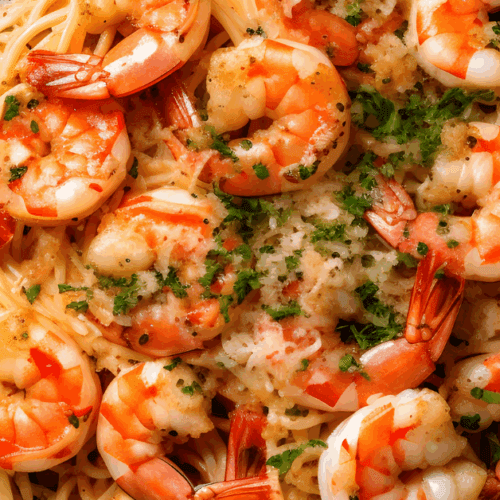
Easy Shrimp Scampi
Ingredients
- Shrimp
- garlic
- butter
- lemon juice
- parsley
- pasta.
Instructions
- Sauté garlic in butter, add shrimp, toss with pasta and lemon juice.
Frequently Asked Questions: The History of Super Easy Shrimp Scampi
1. What does “scampi” mean in Italian?
In Italy, scampi refers to langoustines, a type of small lobster. The term was later adapted in America to describe shrimp prepared in the same style.
2. How did shrimp scampi originate?
Italian immigrants in the U.S. replaced langoustines with shrimp due to availability, creating the Americanized version known as shrimp scampi.
3. Why is shrimp scampi considered an Italian-American dish?
While inspired by Italian cooking techniques, shrimp scampi was created and popularized in the United States, making it uniquely Italian-American.
4. When did shrimp scampi become popular in America?
Shrimp scampi rose to prominence in the mid-20th century, especially in Italian-American restaurants during the 1950s and 60s.
5. Why is shrimp scampi so easy to make?
It uses minimal ingredients — butter, garlic, lemon, and shrimp — and requires little cooking time, making it perfect for quick, flavorful meals.
6. Is shrimp scampi traditionally served with pasta?
Originally, no. In Italy, scampi were served alone or with bread. The pasta pairing became popular in the United States later on.
7. What makes shrimp scampi a healthy option?
Shrimp is high in protein and low in calories. When made with olive oil or moderate butter, shrimp scampi provides balanced nutrition.
8. How has shrimp scampi evolved over time?
Modern versions include variations with spicy sauces, gluten-free options, and dairy-free preparations, keeping the dish relevant and accessible.

The Enduring Legacy of Shrimp Scampi
From the sunlit shores of Italy to the bustling kitchens of America, Super Easy Shrimp Scampi tells a story of transformation, adaptation, and enduring appeal. What began as a simple coastal dish made with langoustines has evolved into a global favorite — a dish that embodies both comfort and sophistication.
Its journey mirrors that of countless immigrants who brought their traditions to new lands, blending heritage with innovation to create something fresh and timeless.
Today, shrimp scampi continues to delight home cooks and restaurant diners alike. Its secret lies in simplicity — a few humble ingredients combined with care and precision. Whether you’re preparing it for a weeknight dinner or a special occasion, shrimp scampi remains proof that great food transcends time, culture, and complexity.
The next time you enjoy this golden, garlicky masterpiece, you’re tasting history — a dish that has traveled oceans and generations to reach your plate, bringing with it the rich flavors and stories of the world’s culinary journey.
If you enjoyed exploring this topic and want to dive even deeper, be sure to check out some of our other articles here on Infinite Flavors. From rich culinary histories to creative twists on classic recipes, there’s always something new to discover. Whether you’re curious about the origins of a dish, looking for fresh inspiration in the kitchen, or simply love learning about food culture, our collection of posts is the perfect next step on your flavor journey.
The History Of Amazing BBQ Chicken Ranch Pizza
The History And Origin Of Easy Macaroni And Cheese
The Best Easy To Make Stuffed Bell Peppers