12 Amazing Tips For Perfect Gluten-Free Pancakes
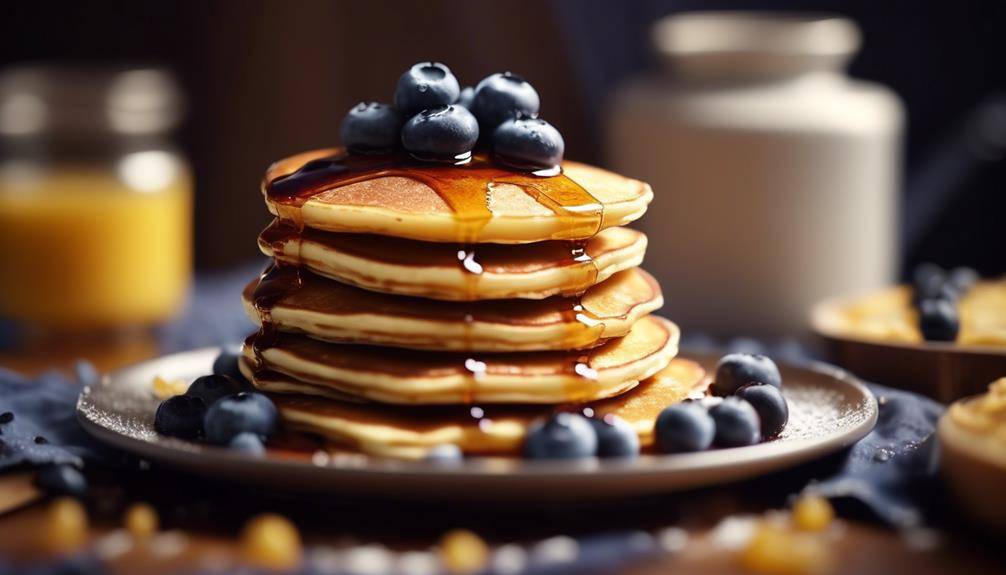
Tips For Perfect Gluten-Free Pancakes; By some stroke of luck, you find yourself craving a stack of fluffy, golden pancakes, but with a gluten-free twist. Fear not, dear reader, for we have just the solution for you. In this article, we will uncover twelve handy tips that will guarantee the perfect gluten-free pancakes every time. From choosing the right flour to nailing the cooking temperature, we have you covered. So, if you’re ready to embark on a culinary journey that will leave your taste buds begging for more, join us as we uncover the secrets to gluten-free pancake perfection.
Choose the Right Gluten-Free Flour
When choosing the right gluten-free flour for your pancakes, consider the texture and flavor you desire. There are several blend options and alternative flours available that can help you achieve the perfect pancake.
One popular choice is a blend of different gluten-free flours. These blends often contain a mixture of rice flour, tapioca flour, and potato starch. The combination of these flours helps to create a light and fluffy texture, similar to traditional pancakes. These blends also tend to have a mild flavor, allowing the other ingredients in your pancakes to shine.
If you’re looking for a nuttier flavor, consider using alternative flours such as almond flour or coconut flour. These flours not only add a unique taste to your pancakes but also provide a boost of protein and healthy fats. Keep in mind that these flours have a different texture compared to traditional flours, so you may need to adjust the liquid ratio in your pancake batter.
Another option to consider is using a single gluten-free flour, such as buckwheat flour or oat flour. These flours have a stronger flavor profile and can add a hearty and nutty taste to your pancakes. However, they may result in a denser texture, so it’s important to experiment with the ratios until you find the perfect balance.
Use a Blend of Flours for Optimal Texture
To achieve the best texture in your gluten-free pancakes, using a blend of flours is key. Different flours have different properties, so combining them can help mimic the texture of traditional pancakes. Experiment with gluten-free pancake flours like rice flour, almond flour, and tapioca flour to find the perfect blend for your taste and texture preferences.
Flour Blends for Texture
For optimal texture in your gluten-free pancakes, create a blend of flours. Using a combination of gluten-free flour options will help you achieve a fluffy texture that is similar to traditional pancakes. Here are four flour blends that you can try:
- Rice Flour Blend: This blend combines rice flour, tapioca starch, and xanthan gum. It is a versatile option that works well in most pancake recipes.
- Almond Flour Blend: If you prefer a nutty flavor, try using almond flour as the base. Mix it with tapioca starch and coconut flour for a light and fluffy texture.
- Buckwheat Flour Blend: Buckwheat flour adds a slightly earthy taste to your pancakes. Combine it with potato starch and brown rice flour for a hearty and satisfying texture.
- Chickpea Flour Blend: For a protein-packed option, use chickpea flour as the main ingredient. Mix it with sorghum flour and arrowroot starch for a fluffy and nutritious pancake.
Experiment with these flour blends to find the perfect texture for your gluten-free pancakes.
Gluten-Free Pancake Flours
To achieve optimal texture in your gluten-free pancakes, incorporating a blend of flours is highly recommended. When it comes to gluten-free pancake recipes, using a single type of gluten-free flour may result in a dense and gritty texture. However, by combining different flours, you can create a lighter and more tender pancake. A blend of flours provides a balance of flavors and textures, ensuring that your gluten-free pancakes turn out just as delicious as their traditional counterparts.
Not only does using a blend of flours improve the texture, but it also offers additional health benefits. Gluten-free pancakes made with alternative flours like almond flour, coconut flour, or buckwheat flour can be higher in fiber, protein, and nutrients compared to pancakes made with regular wheat flour. So, don’t hesitate to experiment with different gluten-free flours to create the perfect stack of pancakes.
Texture Tips for Pancakes
Achieving optimal texture in your gluten-free pancakes is crucial, and one way to accomplish this is by using a blend of flours. Here are four reasons why using a blend of flours can help you achieve fluffy pancakes with ease:
- Improved texture: A blend of flours adds complexity to the batter, resulting in a lighter and more tender pancake.
- Enhanced flavor: Combining different flours, such as rice flour, almond flour, and tapioca flour, can bring out a richer and more enjoyable taste.
- Better structure: Different flours contribute unique properties to the batter, creating a more stable structure that prevents pancakes from falling apart.
- Easier flipping: The right blend of flours can help you achieve the perfect pancake flip by providing a balance between tenderness and sturdiness.
Incorporate Xanthan Gum for Binding
Consider adding xanthan gum to your gluten-free pancake batter for improved binding. Xanthan gum is a popular ingredient used in gluten-free baking to help mimic the texture and structure that gluten provides. It acts as a thickening and stabilizing agent, creating a better consistency in your pancakes. If you don’t have xanthan gum on hand, there are a few substitutes you can try.
Guar gum is a common alternative that works similarly to xanthan gum. It helps to bind the ingredients together and create a fluffy texture. Another option is psyllium husk powder, which also adds binding properties to your pancake batter. However, keep in mind that these substitutes may not yield the exact same results as xanthan gum, so experimentation may be necessary.
When troubleshooting common pancake issues, incorporating xanthan gum can help address some of these problems. If your gluten-free pancakes tend to fall apart or have a crumbly texture, adding xanthan gum can help improve the binding of the ingredients, resulting in a more cohesive pancake. Additionally, xanthan gum can help prevent your pancakes from becoming too dense or gummy. It helps to create a lighter and fluffier texture, making your pancakes more enjoyable to eat.
To incorporate xanthan gum into your gluten-free pancake batter, simply whisk it together with your dry ingredients before adding the wet ingredients. This ensures that the xanthan gum is evenly distributed throughout the batter. Start with a small amount, such as 1/2 teaspoon, and adjust according to your desired results. Remember to follow the recipe guidelines for the best outcome.
Incorporating xanthan gum into your gluten-free pancake batter can greatly improve the texture and binding of your pancakes. Experiment with different amounts to find the perfect balance for your taste preferences. Enjoy your delicious gluten-free pancakes with confidence, knowing that they will turn out perfectly every time.
Don’t Forget About the Leavening Agents
When making gluten-free pancakes, don’t forget about the leavening agents. Baking powder and soda are essential for creating fluffy pancakes. Make sure to use yeast-free alternatives and measure them properly to achieve the best results.
Baking Powder and Soda
To ensure fluffy and light gluten-free pancakes, don’t forget about the importance of baking powder and soda as leavening agents. These two ingredients play a crucial role in creating the perfect texture for your pancakes. Here are some tips to help you make the most of them:
- Adjusting Leavening: Depending on the recipe and your personal preference, you may need to adjust the amount of baking powder and soda. Too much can make the pancakes taste bitter, while too little can result in flat, dense pancakes.
- Alternative Spices: If you want to add some flavor to your pancakes, consider experimenting with alternative spices like cinnamon, nutmeg, or cardamom. These spices not only add a delightful aroma but also enhance the overall taste of your gluten-free pancakes.
- Freshness Matters: Baking powder and soda lose their potency over time, so make sure to check the expiration dates before using them. Using fresh leavening agents will ensure that your pancakes rise properly.
- Mix with Care: When adding baking powder and soda to your pancake batter, be gentle with the mixing. Overmixing can deflate the air bubbles created by the leavening agents, resulting in tough and dense pancakes.
Yeast-Free Alternatives
Now let’s turn our attention to yeast-free alternatives for leavening your gluten-free pancakes while still keeping the importance of leavening agents in mind. If you’re avoiding yeast in your gluten-free diet, there are other rising agents you can use to achieve fluffy and delicious pancakes. Baking powder and baking soda are common leavening agents, but there are alternative options as well.
One option is using whipped egg whites. By beating egg whites until they form stiff peaks, you can incorporate air into the batter and achieve a light and airy texture. Another alternative is using carbonated water or club soda. The bubbles in the carbonated water will create lift and help the pancakes rise. These yeast-free alternatives will ensure that you can still enjoy fluffy pancakes while adhering to your gluten-free lifestyle.
Proper Measurement Techniques
For optimal results in your gluten-free pancakes, it is essential to pay attention to proper measurement techniques, especially when it comes to the leavening agents. Here are four tips to ensure accurate measurements and fluffy pancakes:
- Use the right measuring tools: Invest in a good set of measuring cups and spoons to ensure precise measurements. Using a digital kitchen scale can also help achieve accuracy, especially when working with flour alternatives.
- Spoon and level your flour: When measuring gluten-free flour alternatives like almond or rice flour, avoid scooping directly from the bag. Instead, spoon the flour into the measuring cup and level it off with a straight edge. This method prevents compacting the flour and ensures consistent results.
- Don’t forget the leavening agents: Gluten-free pancake recipes often rely on baking powder and baking soda for leavening. Make sure to measure these ingredients accurately, as they play a crucial role in achieving a light and fluffy texture.
- Double-check your measurements: Before adding any ingredients to the mixing bowl, double-check your measurements to avoid any errors. Accurate measurements are vital for successful gluten-free pancakes.
Adjust the Liquid-To-Flour Ratio
Achieve the perfect consistency for your gluten-free pancakes by adjusting the ratio of liquid to flour. When it comes to gluten-free baking, finding the right balance of liquid and flour is crucial to ensure a light and fluffy texture. Since gluten-free flours have different absorption rates compared to traditional wheat flour, you may need to tweak the liquid-to-flour ratio to achieve the desired consistency.
One key factor to consider is the liquid consistency. Gluten-free batters tend to be thicker than their gluten-containing counterparts. To achieve a smooth and pourable batter, you may need to add more liquid. Start by adding small amounts of liquid, such as milk or water, and gradually increase until the batter reaches the desired consistency. Remember, it’s easier to thin out a thick batter than to thicken a runny one, so go slow and add liquid gradually.
Another consideration is the type of flour you’re using. Alternative flours, such as almond flour, coconut flour, or rice flour, have different properties and absorb liquids differently. For example, coconut flour is highly absorbent and requires more liquid compared to other flours. It’s important to follow the specific instructions for each type of flour. If you’re using a gluten-free flour blend, check the package instructions for the recommended liquid-to-flour ratio.
Experimenting with different liquid-to-flour ratios can help you find the perfect balance for your gluten-free pancakes. Keep in mind that the consistency of your batter will affect the final texture of your pancakes. If your batter is too thick, your pancakes may turn out dense and heavy. On the other hand, if your batter is too thin, your pancakes may spread too much and become thin and rubbery. By adjusting the ratio of liquid to flour, you can achieve light, fluffy, and delicious gluten-free pancakes every time.
Let the Batter Rest for Better Results
To improve the results of your gluten-free pancakes, consider letting the batter rest. Allowing the batter to sit for a while before cooking can make a significant difference in both the batter consistency and cooking time. Here are four reasons why letting the batter rest can lead to better results:
- Improved Batter Consistency: Resting the batter allows the gluten-free flours to fully hydrate and absorb the liquid ingredients. This results in a smoother and more cohesive batter, which will make it easier to pour and spread on the griddle.
- Enhanced Flavors: Giving the batter time to rest allows the flavors to meld together, resulting in a more flavorful pancake. The ingredients will have a chance to combine and create a harmonious taste that is sure to delight your taste buds.
- Better Texture: Resting the batter gives the gluten-free flours time to absorb the liquid, resulting in a better texture. The pancakes will be lighter and fluffier, with a tender and moist interior.
- Reduced Cooking Time: Letting the batter rest can actually reduce the cooking time. The resting period allows the flours to fully hydrate, which means the pancakes will cook more evenly and faster. You’ll be able to enjoy your delicious gluten-free pancakes in less time!
Experiment With Different Milk Alternatives
Consider trying out various milk alternatives to add a unique twist to your gluten-free pancake recipe. Experimenting with different milk alternatives can not only enhance the flavor profile of your pancakes but also accommodate any dietary restrictions or preferences you may have. When it comes to gluten-free pancakes, finding the perfect balance between liquid and flour is crucial. Adjusting the liquid to flour ratio is important to achieve the right consistency and texture.
One milk alternative you can try is almond milk. It adds a subtle nutty flavor to your pancakes and is naturally gluten-free. Almond milk is also low in calories and can be a good option for those watching their weight. Another option is coconut milk, which has a rich and creamy texture that can make your gluten-free pancakes more indulgent. Coconut milk is also dairy-free, making it suitable for those with lactose intolerance or dairy allergies.
For a lighter and tangier twist, you can experiment with using soy milk in your gluten-free pancake recipe. Soy milk has a slightly beany flavor that complements the sweetness of the pancakes. It is also a good source of protein and can provide a nutritional boost to your breakfast. If you prefer a more traditional taste, you can opt for dairy-free milk alternatives such as rice milk or oat milk. Both of these options are mild in flavor and can easily substitute regular milk in your gluten-free pancake recipe.
Remember to adjust the liquid to flour ratio accordingly when using different milk alternatives. Some alternatives may be thicker or thinner than regular milk, so you may need to add more or less liquid to achieve the desired consistency. By experimenting with different milk alternatives, you can create a delicious and unique gluten-free pancake recipe that suits your taste and dietary needs.
Add Flavor With Spices and Extracts
Enhance the taste of your gluten-free pancakes by adding a variety of spices and extracts. Not only will this give your pancakes a burst of flavor, but it will also make them more enjoyable to eat. Here are four ways you can add flavor to your gluten-free pancakes:
- Using different sweeteners: Instead of sticking to just sugar, try using alternative sweeteners like honey, maple syrup, or agave nectar. These natural sweeteners can add a subtle sweetness to your pancakes without overpowering the other flavors. Experiment with different amounts to find the perfect balance for your taste buds.
- Trying different cooking methods: While traditional pancakes are cooked on a stovetop, you can experiment with different cooking methods to add a unique twist to your gluten-free pancakes. For example, you can try baking your pancakes in the oven for a fluffy texture or grilling them for a slightly charred flavor. Don’t be afraid to think outside the box and get creative with your cooking techniques.
- Adding spices: Spices like cinnamon, nutmeg, or ginger can add warmth and depth to your gluten-free pancakes. Sprinkle a pinch of your favorite spices into the batter before cooking, and watch as they infuse the pancakes with their aromatic flavors. You can also experiment with different spice combinations to create your own signature pancake flavor.
- Using extracts: Extracts like vanilla, almond, or lemon can elevate the taste of your gluten-free pancakes. Just a few drops of your chosen extract can make a big difference in the overall flavor profile. Whether you prefer a classic vanilla taste or a tangy lemon twist, adding extracts is an easy way to customize your pancakes to your liking.
Get Creative With Mix-Ins and Toppings
Now it’s time to unleash your creativity with a variety of mix-ins and toppings for your gluten-free pancakes. Whether it’s fresh fruits like berries or bananas, or indulgent additions like chocolate chips or nuts, the possibilities are endless. Don’t be afraid to experiment and find your favorite combinations to take your pancakes to the next level of deliciousness.
Flavorful Mix-Ins
Get creative with mix-ins and toppings to add a burst of flavor to your gluten-free pancakes. Here are four flavorful add-ins and creative toppings to take your pancakes to the next level:
- Fresh Fruits: Add a pop of color and sweetness with fresh fruits like blueberries, sliced bananas, or diced strawberries. These juicy bites will add a refreshing twist to your pancakes.
- Nutty Delights: Incorporate chopped nuts such as almonds, walnuts, or pecans into your pancake batter. The crunchiness of the nuts will provide a delightful texture and a hint of earthy flavor.
- Spices Galore: Sprinkle your pancakes with warm spices like cinnamon, nutmeg, or cardamom. These aromatic spices will infuse your pancakes with an irresistible and cozy taste.
- Decadent Sauces: Drizzle your pancakes with indulgent sauces such as chocolate, caramel, or maple syrup. These rich and sweet toppings will elevate your gluten-free pancakes into a luxurious treat.
With these flavorful mix-ins and creative toppings, your gluten-free pancakes will be anything but ordinary. Enjoy the deliciousness!
Delicious Toppings
Add a burst of flavor and creativity to your gluten-free pancakes with delicious toppings and mix-ins. When it comes to toppings, there are plenty of options to choose from. For a classic and indulgent touch, drizzle your pancakes with maple syrup or honey. But why stop there? Get adventurous and try out different delicious syrup options like blueberry, strawberry, or even caramel.
These syrups will add a fruity or sweet twist to your pancakes, making them even more irresistible. If you’re in the mood for something savory, consider topping your pancakes with ingredients like bacon, cheese, or avocado. These savory pancake ideas will elevate your breakfast game and satisfy your taste buds. So go ahead and experiment with various toppings and mix-ins to create the perfect gluten-free pancake masterpiece.
Use the Right Cooking Temperature
To ensure your gluten-free pancakes turn out fluffy and perfectly cooked, it is important to use the appropriate cooking temperature. Cooking at the right temperature ensures that your pancakes cook evenly and develop a beautiful golden brown color. Here are four tips to help you use the right cooking temperature:
- Preheat your pan or griddle: Before you start cooking, make sure to preheat your pan or griddle over medium heat. This allows the heat to distribute evenly and ensures that your pancakes cook uniformly.
- Use a non-stick surface: Cooking pancakes on a non-stick surface, such as a non-stick pan or griddle, helps prevent them from sticking and ensures that they cook evenly. It also makes flipping them easier, resulting in perfectly cooked pancakes.
- Test the temperature: To determine if your pan or griddle is at the right temperature, you can do a quick test. Drop a small amount of batter onto the surface, and if it sizzles and starts to cook immediately, then it is ready for the rest of the batter.
- Adjust the heat as needed: If your pancakes are cooking too quickly or browning too much, you may need to lower the heat slightly. On the other hand, if they are taking too long to cook or appear pale, you may need to increase the heat a little.
Using the right cooking temperature is essential for achieving delicious gluten-free pancakes. By following these cooking techniques and troubleshooting tips, you can ensure that your pancakes turn out perfectly cooked every time. Enjoy your fluffy and tasty gluten-free pancakes!
Flip the Pancake at the Right Time
Ensure your gluten-free pancakes turn out perfectly cooked by flipping them at the right time. Mastering the art of pancake flipping is crucial to achieving the perfect golden brown color. Flipping the pancake too early can result in a pale and undercooked center, while flipping it too late can lead to an overly browned and dry pancake. To avoid these pitfalls, follow these handy tips for flipping your gluten-free pancakes like a pro.
Firstly, wait for the pancake to form small bubbles on the surface before attempting to flip it. These bubbles indicate that the pancake is starting to cook through and is ready to be turned over. Use a spatula to gently lift the edges of the pancake and check if it has developed a golden brown color on the bottom. Once the bottom is nicely browned, it’s time to flip.
When flipping the pancake, use a quick and confident motion. Slide the spatula underneath the pancake, lifting it slightly off the pan, and swiftly flip it over. Be careful not to flip it too forcefully, as this can cause the batter to splatter and create a mess. Practice makes perfect, so don’t be discouraged if your first few flips are not as smooth as you’d like them to be.
After flipping, allow the pancake to cook for a similar amount of time on the other side. Keep an eye on the color and adjust the heat if necessary to ensure even cooking. Once both sides are golden brown, your gluten-free pancake is ready to be served.
Serve and Enjoy Your Perfect Gluten-Free Pancakes!
Now it’s time to savor the delicious results of your gluten-free pancake mastery! After flipping your pancakes at the right time, it’s time to serve them up and enjoy every bite. Here are some tips on how to serve and enjoy your perfect gluten-free pancakes:
- Toppings galore: Experiment with different toppings to add flavor and texture to your pancakes. Whether it’s fresh fruits like berries or bananas, a dollop of whipped cream, or a drizzle of maple syrup, the choice is yours. Get creative and make your pancakes a culinary masterpiece.
- Pair with a side: While pancakes are delicious on their own, they can also be enjoyed with a side dish. Consider serving them with crispy bacon or sausage for a savory touch, or indulge in a side of scrambled eggs for a complete breakfast feast. The combination of flavors will leave you satisfied and ready to start your day.
- Explore different pancake recipes: Don’t limit yourself to just one pancake recipe. There are so many variations to try, from fluffy buttermilk pancakes to hearty oatmeal pancakes. Experiment with different gluten-free flour blends and ingredients like almond flour or buckwheat flour to discover new flavors and textures.
- Try different cooking methods: Besides the traditional stovetop method, there are other ways to cook your pancakes. Invest in a pancake griddle or use a waffle maker to create crispy edges and a fluffy interior. You can even make mini pancakes using a muffin tin for a fun twist.
Now that you have mastered the art of making gluten-free pancakes and have these serving and enjoyment tips in your arsenal, it’s time to gather around the table and dig in. Enjoy every bite of your perfect gluten-free pancakes!
Frequently Asked Questions: Tips For Perfect Gluten-Free Pancakes
Can I Use All-Purpose Flour for Gluten-Free Pancakes?
You can’t use all-purpose flour for gluten-free pancakes. Look for alternative flours like almond or rice flour. Check out a gluten-free pancake recipe for more tips on making them delicious and fluffy.
How Much Xanthan Gum Should I Use in My Gluten-Free Pancake Batter?
To achieve a fluffy texture in your gluten-free pancake batter, try using xanthan gum as an alternative binder. Start with 1/2 teaspoon and adjust according to your preference.
Can I Substitute Regular Milk With a Milk Alternative in Gluten-Free Pancakes?
Yes, you can substitute regular milk with a milk alternative in gluten-free pancakes. There are many alternatives to dairy milk, such as almond milk, soy milk, or coconut milk, that can be used instead.
What Are Some Recommended Spices and Extracts to Add Flavor to Gluten-Free Pancakes?
To add flavor to your gluten-free pancakes, try spices like cinnamon, nutmeg, or cardamom. You can also experiment with extracts like vanilla or almond. Get creative with toppings like fresh berries or sliced bananas for added fruity goodness.
Can I Freeze Gluten-Free Pancakes for Later Use?
Yes, you can freeze gluten-free pancakes for later use. To reheat frozen pancakes, simply pop them in the toaster or microwave until warm. Enjoy a quick and convenient breakfast anytime!

Conclusion
There you have it — 12 essential tips for making perfect gluten-free pancakes every time. By selecting the best gluten-free flour, using a balanced flour blend, adding xanthan gum for structure, and fine-tuning the liquid-to-flour ratio, you can achieve light, fluffy pancakes with excellent texture and binding.
Pay close attention to your leavening agents for the ideal rise, and don’t hesitate to elevate your stack with flavorful mix-ins and creative toppings. Cooking at the proper temperature and flipping at just the right moment will ensure golden, tender results.
With these expert gluten-free pancake tips in your kitchen toolkit, you’ll be able to serve up delicious, reliable gluten-free pancakes that everyone can enjoy — whether for a quick weekday breakfast or a relaxed weekend brunch.