11 Easy Tips For The Perfect Gluten-Free Pizza Dough
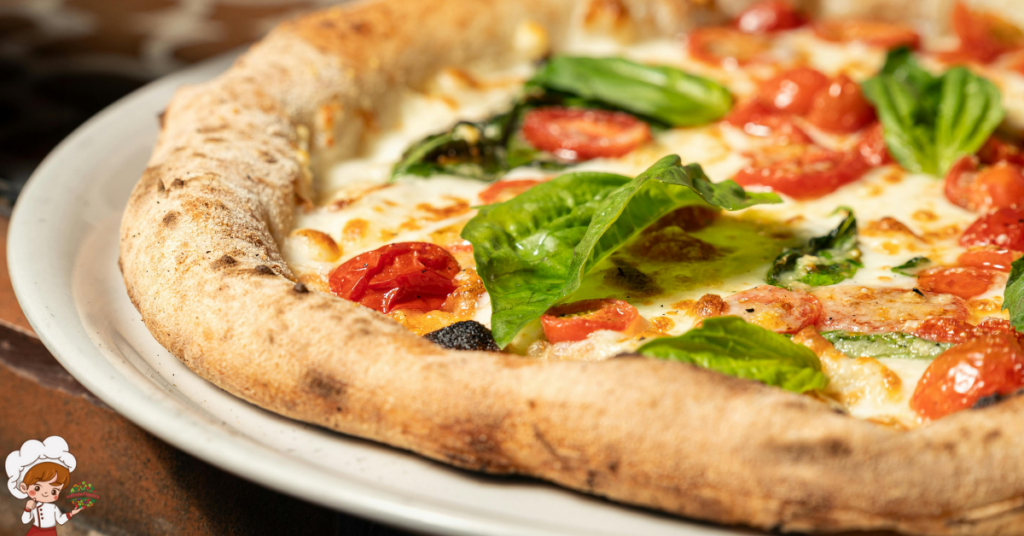
Tips For The Perfect Gluten-Free Pizza Dough; Imagine biting into a warm, gooey slice of pizza, the cheese stretching as you pull it away, and the flavors dancing on your taste buds. Now imagine experiencing all of that, but without the gluten. Sounds impossible, right? Well, fear not, because we have compiled a list of 11 essential tips that will help you create the perfect gluten-free pizza dough. Whether you have celiac disease, a gluten intolerance, or simply want to try something new, these tips will ensure that you can still enjoy one of life’s greatest pleasures – pizza.
Choose the Right Gluten-Free Flour Blend
If you want to make the perfect gluten-free pizza dough, it is essential to choose the right gluten-free flour blend. Gluten-free flours have come a long way in recent years, and there are now many options available that can produce a dough with a texture and flavor similar to traditional wheat-based dough. Experimenting with different flour blends is key to finding the one that suits your taste preferences and dietary needs.
When choosing a gluten-free flour blend for your pizza dough, it’s important to consider alternative gluten-free flours. While many blends on the market use a combination of rice flour and starches like tapioca or potato, there are also blends that incorporate alternative flours such as almond flour, coconut flour, or quinoa flour. These alternative flours can add a unique taste and texture to your dough, giving it a more complex flavor profile.
To find the right flour blend for your gluten-free pizza dough, start by trying a few different options. Look for blends that are specifically labeled for pizza or bread making, as they often have a higher protein content which helps with the structure of the dough. Pay attention to the texture and taste of each blend, as well as how easy it is to work with. Some flours may require additional ingredients or adjustments to the recipe to achieve the desired results.
Use Xanthan Gum for Better Texture
To achieve a better texture in your gluten-free pizza dough, consider incorporating xanthan gum into your recipe. Xanthan gum is a popular alternative binder that can help give your dough the elasticity and structure it needs. When gluten is absent from the dough, it can be challenging to achieve the same texture and stretchiness that traditional pizza dough has. Xanthan gum acts as a binding agent, creating a gel-like consistency that mimics the properties of gluten.
When using xanthan gum in your gluten-free pizza dough, it’s essential to follow a few troubleshooting tips to ensure the best results. Firstly, it’s crucial to measure the xanthan gum accurately. Too much can result in a gummy or slimy texture, while too little may not provide enough binding power. Generally, for every cup of gluten-free flour, you’ll want to use about 1 teaspoon of xanthan gum.
It’s also important to mix the xanthan gum thoroughly into the dry ingredients before adding any liquids. This will help distribute it evenly and prevent clumps from forming. Additionally, allowing the dough to rest for a short period after mixing will give the xanthan gum time to hydrate and work its magic.
Incorporating xanthan gum into your gluten-free pizza dough recipe can greatly improve the texture and overall eating experience. It helps create a dough that is stretchy, pliable, and holds together well. So if you’re looking for a way to elevate your gluten-free pizza game, give xanthan gum a try and enjoy a delicious, satisfying pizza crust.
Experiment With Different Types of Yeast
Are you curious about the different types of yeast you can use to experiment with your gluten-free pizza dough? Choosing the right yeast can greatly impact the flavor and texture of your pizza crust. Here are some different yeast options and substitutes to consider:
- Active Dry Yeast: This is the most common type of yeast used in baking. It needs to be activated in warm water before adding it to the dough.
- Instant Yeast: Also known as rapid-rise or quick-rise yeast, this type of yeast doesn’t require activation and can be added directly to the dry ingredients. It works quickly, reducing rising time.
- Fresh Yeast: Also called cake yeast, this type of yeast comes in a solid block. It has a shorter shelf life than dry yeast but can provide a slightly different flavor to your dough.
- Yeast Substitutes: If you can’t find or prefer not to use traditional yeast, there are alternatives you can try. One option is using baking powder and apple cider vinegar to create a similar rise. Another substitute is using sourdough starter, which adds a tangy flavor to the dough.
When experimenting with different types of yeast, it’s important to consider factors such as rising time and flavor. Active dry yeast and instant yeast are the most commonly used options for gluten-free pizza dough. However, don’t be afraid to try fresh yeast or yeast substitutes for a unique twist. Remember to adjust the quantities accordingly and follow the instructions carefully. With a bit of experimentation, you’ll find the perfect yeast that will elevate your gluten-free pizza dough to the next level.
Don’t Overmix the Dough
When it comes to making gluten-free pizza dough, the mixing time matters. Overmixing the dough can lead to a dense and tough texture, so it’s important to be gentle with your hands when combining the ingredients. By avoiding overmixing, you can achieve the perfect gluten-free texture that is light, airy, and delicious.
Mixing Time Matters
Mixing the gluten-free pizza dough for just the right amount of time is crucial for achieving a perfect texture and flavor. Overmixing the dough can lead to a dense and tough crust, while undermixing can result in a crumbly and dry texture. Here are some tips to help you find the perfect consistency:
- Start by combining the dry ingredients and mixing them thoroughly.
- Gradually add the wet ingredients, mixing just until the dough comes together.
- Avoid overworking the dough once it has formed, as this can activate the gluten and make it tough.
- Use a gentle folding motion to incorporate any remaining dry ingredients, ensuring they are evenly distributed.
Gentle Hands Only
To achieve the perfect texture and flavor for your gluten-free pizza dough, it is essential to handle the dough with gentle hands, avoiding overmixing. Overmixing can lead to a tough and dense crust, which is the opposite of what you want for your pizza. When you mix the ingredients for your dough, be sure to stop as soon as they are just combined. It’s okay if there are a few small lumps or streaks of flour left. This will ensure that your crust turns out soft and chewy, with a nice pillowy texture. Remember, gluten-free dough is more delicate than regular dough, so treat it with care.
Once your gluten-free pizza dough is ready, you can start adding your favorite toppings. The great thing about gluten-free pizza is that you can still enjoy a wide variety of delicious flavors. From classic margherita with fresh mozzarella and basil, to BBQ chicken with red onions and cilantro, the possibilities are endless. Don’t be afraid to get creative with your gluten-free pizza toppings. Just make sure to choose ingredients that are naturally gluten-free or specifically labeled as such. With gentle hands and the right toppings, you’ll be enjoying a mouthwatering gluten-free pizza with a soft and chewy crust in no time.
Perfect Gluten-Free Texture
For a perfectly textured gluten-free pizza dough, handle the dough with gentle hands, ensuring not to overmix and end up with a tough crust. Overmixing gluten-free dough can result in a dense and chewy texture, which is not what you want in a pizza crust. To achieve the perfect gluten-free texture, keep these tips in mind:
- Use a combination of gluten-free flours such as almond flour, rice flour, and tapioca flour to mimic the texture of traditional pizza dough.
- Mix the dough just until all the ingredients are incorporated. Overmixing can activate the gluten-like proteins in some gluten-free flours, resulting in a gummy texture.
- Allow the dough to rest for at least 30 minutes before rolling it out. This gives the flours time to absorb the liquid and develop a better texture.
- Roll out the dough gently and evenly to avoid any air pockets or uneven thickness.
Let the Dough Rest and Rise
Now it’s time to talk about the importance of letting your gluten-free pizza dough rest and rise. Timing is crucial when it comes to resting the dough, as it allows the gluten-free flours to fully hydrate and the flavors to develop. Giving the dough enough time to rise is equally important, as it helps create a light and airy texture. Be sure to let the dough rest and rise at room temperature, as this allows the yeast to ferment properly and produce the desired results.
Timing for Resting
When allowing your gluten-free pizza dough to rest and rise, you’ll want to ensure that you provide it with ample time for optimal texture and flavor development. The timing for resting your dough plays a crucial role in the final outcome of your pizza. Here are some key points to keep in mind:
- Optimal resting time: Aim to let your dough rest for at least 1 to 2 hours. This allows the gluten-free flours to fully hydrate and the yeast to activate, resulting in a lighter and more flavorful crust.
- Benefits of longer resting: If you have the time, consider letting your dough rest overnight in the refrigerator. This extended resting period allows the flavors to develop further and gives the dough a chance to ferment, resulting in a more complex and delicious pizza.
- Room temperature matters: If you’re short on time, you can let your dough rest at room temperature for 30 to 45 minutes. However, keep in mind that the flavors may not fully develop, and the texture might be slightly denser compared to longer resting times.
- Experiment and adjust: Every gluten-free flour blend and recipe can have different resting time requirements. Don’t be afraid to experiment with different resting times to find what works best for your specific dough and taste preferences.
Importance of Rising
To ensure a light and flavorful crust, it is crucial to let your gluten-free pizza dough rest and rise for optimal texture and taste development. The importance of rising cannot be overstated. During the rising process, gluten-free dough ferments and expands, creating air pockets that result in a light and airy crust. This step also allows the dough to develop its flavors fully.
Kneading the dough before letting it rise is equally important. Gluten-free flours lack the structure that gluten provides, so kneading helps to activate the proteins and create elasticity. This ensures that the dough will hold its shape and rise properly.
If you are looking for yeast alternatives, there are several options available. Baking powder, for example, can be used to provide some leavening action. Other alternatives include apple cider vinegar, lemon juice, or even carbonated water. These ingredients can help to create bubbles and contribute to the rising process.
Room Temperature Requirements
For optimal texture and taste development, it is crucial to let your gluten-free pizza dough rest and rise at room temperature. This allows the yeast to activate and the dough to hydrate properly, resulting in a lighter and more flavorful crust. To ensure the best results, follow these room temperature requirements:
- Keep your dough covered with a damp cloth or plastic wrap to prevent it from drying out.
- Find a warm spot in your kitchen, such as near a window or on top of the refrigerator, where the temperature is around 75-80°F (24-27°C).
- Let the dough rest for at least 1-2 hours or until it has doubled in size.
- If you have time, you can refrigerate the dough overnight to enhance the flavor and texture.
Prebake the Crust for a Crispier Texture
If you want a pizza crust with a satisfying crunch, consider prebaking it before adding your toppings. Prebaking the crust is a technique that can result in a crispier texture, making your gluten-free pizza even more enjoyable to eat. Here are some texture tips to help you achieve the perfect prebaked crust.
Firstly, it’s important to use a pizza stone or a baking sheet that has been preheated in the oven. This will ensure that the crust cooks evenly and becomes crispy all around. Preheating the stone or baking sheet at a high temperature for about 30 minutes will create the ideal surface for your crust.
Before placing the crust on the preheated surface, make sure to dock it with a fork. Docking involves poking small holes in the dough to prevent air bubbles from forming during baking. This step is crucial as it allows the steam to escape, resulting in a crisper texture.
Once the crust is docked, you can brush it with olive oil or melted butter. This will not only add flavor but also help to create a golden and crispy exterior. Be generous with the oil or butter, as this will contribute to the overall texture of the crust.
When prebaking the crust, it’s important to keep an eye on it to avoid overcooking. Depending on the thickness of your crust, it should take around 8-10 minutes to achieve a crispy texture. Remember, every oven is different, so it’s best to check on the crust periodically to ensure it doesn’t burn.
Optimize Oven Temperature and Baking Time
Achieving the perfect texture for your gluten-free pizza crust requires optimizing the oven temperature and baking time. These two factors play a crucial role in creating a crust that is crispy on the outside, yet tender and chewy on the inside. To help you achieve the best results, here are some tips to keep in mind:
- Preheat your oven: Before you start baking your gluten-free pizza, make sure to preheat your oven to the recommended temperature. This will ensure that your crust cooks evenly and achieves a golden brown color.
- Use a pizza stone or baking steel: Placing your pizza on a preheated pizza stone or baking steel can help optimize the oven temperature. These tools absorb and distribute heat evenly, resulting in a crispy crust with a nice char.
- Monitor the baking time: Keep a close eye on your pizza while it’s in the oven. Gluten-free crusts tend to bake faster than traditional ones, so it’s important to monitor the baking time to prevent overcooking. Aim for a golden brown crust, which indicates that the pizza is cooked to perfection.
- Rotate the pizza halfway through: To ensure even baking, consider rotating your pizza halfway through the baking process. This will help prevent any hot spots in your oven and allow for a more consistent texture throughout the crust.
Roll Out the Dough Properly
To ensure that your gluten-free pizza crust rolls out properly, follow these tips for achieving a smooth and even dough texture. Proper rolling techniques are essential to create a thin and evenly rolled crust that bakes to perfection. Start by dusting your work surface with gluten-free flour to prevent the dough from sticking. Place the dough onto the floured surface and use a rolling pin to gently roll it out. Begin at the center of the dough and roll towards the edges, applying even pressure as you go. Avoid pressing too hard, as this can cause the dough to become uneven and thick in certain areas.
If you are having trouble with dough thickness, there are a few troubleshooting techniques you can try. If the dough is too thin in the center but thick at the edges, gently lift the edges and fold them towards the center, creating a smaller, thicker circle. Then, continue rolling from the center to the edges to achieve a more even thickness. On the other hand, if the dough is too thick in the center, use your fingers to gently press down and thin out the dough in that area. Be careful not to tear the dough while doing this.
Remember to rotate the dough as you roll to ensure an even thickness throughout. If the dough starts to stick to the rolling pin, lightly dust it with more gluten-free flour. It is also helpful to periodically lift the dough from the surface and rotate it to prevent sticking.
Add Flavor With Herbs and Spices
Enhance the flavor of your gluten-free pizza dough by incorporating a variety of herbs and spices. Adding herbs and spices to your dough not only adds depth and complexity to the flavor, but it also elevates the overall taste of your pizza. Here are some flavorful seasoning combinations and unique herb and spice pairings to consider:
- Italian Herb Blend: A classic combination of dried basil, oregano, thyme, and rosemary. This blend adds a traditional Italian flavor to your pizza dough, giving it a delicious and aromatic taste.
- Garlic and Onion: Incorporating minced garlic and finely chopped onions into your dough adds a savory and slightly sweet flavor profile. These ingredients bring a depth of flavor that complements a variety of pizza toppings.
- Spicy Kick: For those who enjoy a little heat, adding crushed red pepper flakes or cayenne pepper to your gluten-free pizza dough can give it a spicy kick. This adds an exciting element to your pizza and pairs well with toppings like pepperoni or jalapenos.
- Mediterranean Twist: Infuse your dough with the flavors of the Mediterranean by adding a combination of dried oregano, thyme, and lemon zest. This herb and spice pairing brings a refreshing and tangy taste to your gluten-free pizza.
Experimenting with different herbs and spices allows you to create a truly unique and flavorful gluten-free pizza dough. Don’t be afraid to get creative and try out different combinations to find your favorite. By adding these aromatic ingredients, you can take your gluten-free pizza to the next level and enjoy a delicious and satisfying meal.
Use High-Quality Ingredients for Toppings
To truly elevate the taste of your gluten-free pizza, it is crucial to use high-quality ingredients for your toppings. While the crust is undoubtedly the foundation of a great pizza, the toppings are what make it truly memorable. By choosing high-quality toppings, you can enhance the flavors and create a pizza that is both delicious and satisfying.
When it comes to high-quality toppings, the options are endless. Start by selecting fresh produce that is in season. Whether it’s juicy tomatoes, crisp bell peppers, or fragrant basil leaves, using fresh ingredients will add a burst of flavor to your pizza. Opt for organic vegetables whenever possible, as they are free from pesticides and other harmful chemicals.
Next, consider the quality of your meats and cheeses. Look for locally sourced, pasture-raised meats that are free from antibiotics and hormones. These meats not only taste better but are also better for your health and the environment. When it comes to cheese, choose artisanal varieties that have been aged to perfection. The flavor and texture of these cheeses will take your pizza to a whole new level.
Don’t forget about the sauce! Use high-quality canned tomatoes or make your own sauce from scratch using fresh ingredients. This will ensure that your pizza has a rich and vibrant tomato flavor that can’t be replicated with cheap, store-bought sauces.
Lastly, don’t be afraid to get creative with your toppings. Experiment with different combinations of flavors and textures to create a unique and delicious pizza. Whether it’s adding a sprinkle of high-quality sea salt, a drizzle of aged balsamic vinegar, or a handful of fresh herbs, these small touches can make a big difference in the overall taste of your pizza.
Get Creative With Gluten-Free Pizza Variations
Get ready to unleash your creativity with a wide array of gluten-free pizza variations that will satisfy your taste buds like never before. With gluten-free crust alternatives becoming more readily available, you can now indulge in delicious pizzas without worrying about any gluten-related issues. Whether you prefer a traditional Margherita or want to experiment with unique flavor combinations, the possibilities are endless. Here are some ideas to inspire your gluten-free pizza creations:
- Cauliflower Crust: Swap out traditional pizza dough for a cauliflower crust. It’s a great gluten-free alternative that adds a light and crispy texture to your pizza. Simply blend cauliflower florets, squeeze out the excess moisture, mix with cheese, eggs, and your desired seasonings, and bake until golden brown.
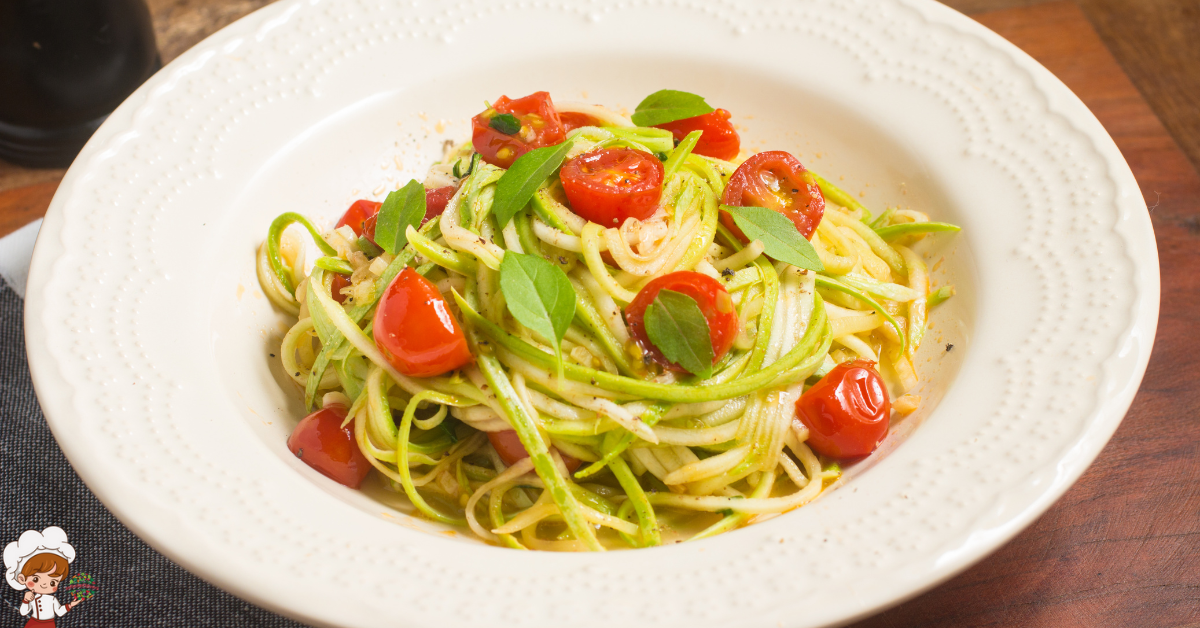
- Zucchini Pizza Boats: Slice zucchinis in half lengthwise and scoop out the seeds to create a boat-like shape. Fill the zucchini boats with your favorite pizza sauce, cheese, and toppings, then bake until the zucchini is tender and the cheese is melted and bubbly.
- Mexican-Inspired Pizza: Give your pizza a spicy twist by using a gluten-free tortilla as the crust. Top it with salsa, black beans, shredded cheese, diced tomatoes, avocado slices, and a sprinkle of cilantro for a Mexican-inspired flavor explosion.
- Mediterranean Pizza: Use a gluten-free pita bread as the base for a Mediterranean-inspired pizza. Spread hummus or tzatziki sauce on the pita, then top it with fresh vegetables like cherry tomatoes, cucumber slices, olives, and crumbled feta cheese. Finish it off with a drizzle of olive oil and a sprinkle of dried oregano.
With these gluten-free crust alternatives and the freedom to incorporate unique toppings, you can create a pizza that suits your taste preferences and dietary needs. So, let your imagination run wild and enjoy the endless possibilities of gluten-free pizza variations.
Frequently Asked Questions: Tips For The Perfect Gluten-Free Pizza Dough
Can I Use Any Type of Gluten-Free Flour Blend for the Pizza Dough?
You can use any type of gluten-free flour blend for your pizza dough. However, it’s important to follow some tips to achieve the right consistency. Experiment with different blends and ratios to find what works best for you.
How Much Xanthan Gum Should I Use for a Better Texture in My Gluten-Free Pizza Dough?
To achieve a better texture in your gluten-free pizza dough, use xanthan gum. It’s a common ingredient in gluten-free baking that helps bind the dough together. Experiment with different alternative flours for added benefits.
Can I Use Instant Yeast Instead of Active Dry Yeast for My Gluten-Free Pizza Dough?
Yes, you can substitute instant yeast for active dry yeast in your gluten-free pizza dough. However, keep in mind that instant yeast doesn’t require proofing and may result in a slightly different texture. Experiment with different gluten-free flours for the best results.
How Long Should I Let the Dough Rest and Rise Before Baking the Pizza?
To achieve the best gluten-free pizza dough, let it rest and rise for at least an hour before baking. This allows the dough to develop flavor and texture. Remember to knead it well and activate the yeast for a perfect rise.
Can I Skip Prebaking the Crust for a Crispier Texture and Just Bake the Pizza With the Toppings Directly?
No, you shouldn’t skip prebaking the crust if you want a crispier texture. Prebaking allows the gluten-free flour blend to set and form a sturdy base. This step ensures that your pizza crust will be perfectly cooked and delicious.

Conclusion
In conclusion, by following these essential tips for perfect gluten-free pizza dough, you can create a delicious and satisfying pizza that everyone can enjoy. From choosing the right flour blend to adding flavorful herbs and spices, there are plenty of ways to enhance the taste and texture of your gluten-free pizza. So, get creative, experiment with different ingredients, and enjoy the mouthwatering results of your homemade gluten-free pizza creations.