11 Essential Tips For Perfectly Sliced Sushi Rolls
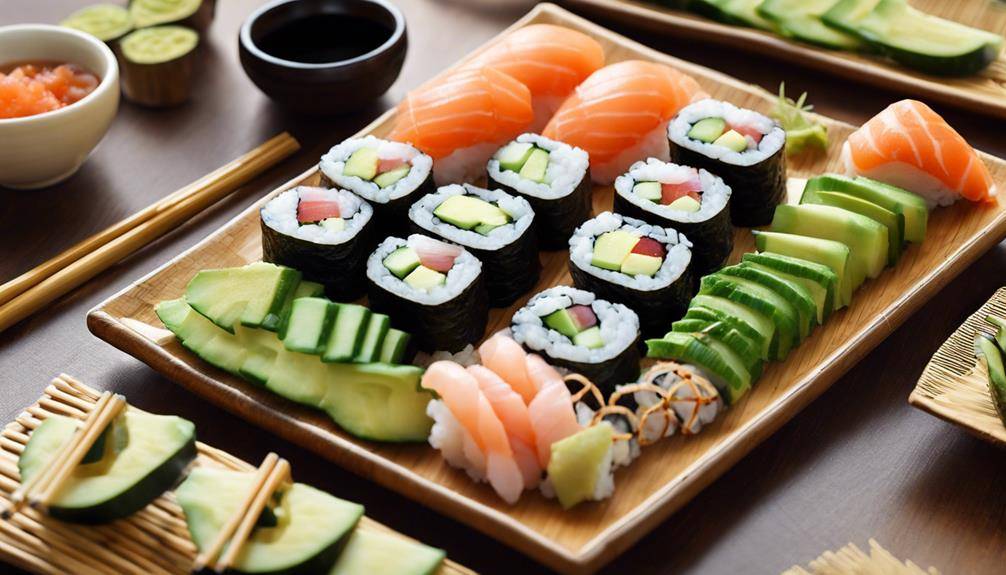
Tips For Perfectly Sliced Sushi Rolls: To slice sushi rolls perfectly, start with a sharp knife to guarantee clean cuts and prevent squishing. Wet your knife before slicing to avoid sticking. Use a consistent angle of about 30 degrees and aim for gentle, sawing motions; this maintains texture without applying too much pressure. Let your rolls rest for 5 to 10 minutes before slicing, and keep a clean cutting board to prevent contamination. Experiment with thickness to find what works best for your ingredients. Serve your rolls immediately for ultimate freshness. Keep this in mind, and you'll soon find even more helpful tips for your sushi-making journey!
Use a Sharp Knife
Click Here and Turn Every Masterpiece into a Showstopper!
When slicing your sushi rolls, a sharp knife is your best friend. It's essential for achieving those clean, precise cuts that make your sushi visually appealing and easy to eat. You wouldn't want to ruin all your hard work by using a dull blade that squishes the rice and fillings, right? So, investing in a quality knife and practicing proper knife care can greatly enhance your sushi-making experience.
To keep your knife in top condition, always clean and dry it after each use. Avoid tossing it into the dishwasher, as the heat and water can damage the blade. Instead, hand wash it and store it safely, ideally in a knife block or with a blade guard. Regularly honing the edge also helps maintain sharpness, ensuring you'll have the perfect tool for slicing.
When you're ready to slice, practice your slicing techniques. Hold the knife at a slight angle and use a gentle, smooth motion. Avoid pressing down too hard, as this can cause the roll to lose its shape. Instead of forcing the knife through, let the sharpness do the work. You'll find that using a sharp knife allows you to cut through the roll with minimal resistance, making for an enjoyable sushi-making process.
With these tips, you'll be well on your way to mastering the art of slicing sushi rolls. A sharp knife combined with good knife care and effective slicing techniques will elevate your sushi game!
Wet Your Knife
A simple yet effective tip for slicing sushi rolls is to wet your knife before making cuts. This step is essential in sushi preparation because it helps prevent the rice and fillings from sticking to the blade. When you wet your knife, you create a barrier that allows for smoother, cleaner slices, resulting in beautifully presented sushi rolls.
To wet your knife, simply run it under cold water or dip it into a bowl of water before each cut. You don't need to soak it; just a quick wetting will do the trick. This technique is particularly important when dealing with sticky sushi rice, which can clump and tear if you're not careful. By taking this extra step, you'll maintain the integrity of your rolls, ensuring that they look as good as they taste.
In addition to enhancing your cutting experience, wetting your knife also contributes to knife maintenance. Keeping your blade moist reduces the likelihood of build-up from rice or other ingredients, making it easier to clean. A clean knife not only performs better but also lasts longer, so you'll save time and money in the long run.
Incorporating this simple habit into your sushi preparation routine will make slicing your rolls a breeze. You'll find that the effort you put into wetting your knife pays off in the form of perfectly sliced sushi, ready to impress your guests or satisfy your cravings.
Choose the Right Technique
Choosing the right technique is essential for perfecting your sliced sushi rolls. You need to pay attention to knife selection, as the right blade can make a significant difference in your results. Additionally, mastering the angle and pressure you apply while cutting will help you achieve clean, beautiful slices every time.
Knife Selection Importance
Selecting the right knife is essential for slicing sushi rolls effectively. A good sushi knife can make all the difference, ensuring clean cuts without squishing your delicate ingredients. When it comes to knife types, you'll often hear about the yanagiba, which is ideal for sashimi, and the usuba, designed for precision vegetable cuts. Each of these options brings something special to your sushi-making process.
Blade materials also play a significant role in your knife's performance. High-carbon stainless steel blades are popular because they combine sharpness with durability, making them perfect for slicing through rice and fish. You might also consider ceramic knives, which are incredibly sharp and resist dulling, but be cautious as they can chip easily.
Angle and Pressure Techniques
Mastering the right angle and pressure when slicing sushi rolls can elevate your presentation and taste. Start by positioning your knife at a slight angle—about 30 degrees—against the roll. This angle allows for cleaner cuts and enhances the visual appeal of your sushi. As you cut, focus on maintaining a steady slicing rhythm; this not only guarantees uniform pieces but also helps prevent the ingredients from squishing together.
Pay attention to angle adjustments as you move through the roll. If you encounter a particularly tough section, slightly raise the angle of your knife to avoid compromising the integrity of the ingredients. Applying consistent, even pressure is vital; too much force can flatten your roll, while too little may tear it apart.
Practice makes perfect. Try to slice through the roll in one smooth motion rather than sawing back and forth. This technique preserves the freshness of the ingredients and keeps your rolls visually appealing. Remember, the right angle and pressure can transform your sushi from ordinary to extraordinary, so take your time to master these essential skills.
Slice at an Angle
The art of slicing sushi rolls at an angle transforms not only the presentation but also enhances the overall dining experience. When you cut your sushi rolls diagonally, you create visually appealing pieces that showcase the ingredients inside. This technique allows diners to appreciate the vibrant colors and textures of the filling, making each bite more enticing.
To master this slicing technique, start by ensuring your knife is sharp. A sharp knife glides through the roll effortlessly, preventing any squishing or tearing. Position the roll on a clean cutting board, and hold it steady with one hand. With the other hand, angle the knife at about a 45-degree tilt. This angle not only enhances the presentation but also allows for a smoother cut through the roll.
When slicing, use a gentle sawing motion rather than pressing down hard. This approach will help maintain the integrity of the roll and keep the filling intact. Aim for slices that are about an inch thick; this size is perfect for showcasing the ingredients while still being easy to handle.
Incorporating these presentation tips into your slicing process elevates your sushi serving. Remember, the goal is to make each piece look as delicious as it tastes. By mastering the angle technique, you not only impress your guests but also create an unforgettable sushi experience that they'll want to savor again and again. So grab your knife, angle it just right, and enjoy the art of sushi slicing!
Avoid Pressing Down
Often, when slicing sushi rolls, you might be tempted to press down hard to get through the ingredients. However, this approach can ruin both the texture and the overall roll presentation. Instead of achieving perfectly sliced pieces, you could end up with a squished, messy result that's far from appetizing.
To master your slicing technique, aim for a gentle but firm touch. Use a sharp, non-serrated knife, which will help you glide through the roll without excessive pressure. A clean cut preserves the integrity of the ingredients, ensuring each slice showcases the vibrant colors and textures of the sushi.
When you press down, you risk compressing the rice and fillings, leading to a mushy consistency. This not only affects the taste but also detracts from the visual appeal of your sushi. Remember, sushi is as much about presentation as it is about flavor. If you want to impress your guests or elevate your own dining experience, focus on maintaining that pristine look.
Instead of pressing, try using a sawing motion with your knife, allowing it to do the work for you. By keeping your hands steady and applying minimal pressure, you'll achieve clean, even slices that highlight the craftsmanship of your sushi-making skills. Doing so will enhance your roll presentation, making your sushi not just a meal, but an art form to enjoy.
Cut in One Motion
Achieving perfect sushi slices involves cutting in one smooth motion. When you slice your sushi roll, you want to maintain a consistent slicing speed to guarantee even pieces. Rushing through the cut may lead to jagged edges or uneven sizes, which can compromise the overall presentation of your sushi. A steady, controlled motion not only enhances the aesthetics but also preserves the roll stability.
To achieve this, start by positioning your knife at the center of the roll. With a firm grip, apply gentle pressure as you begin to slice, guiding the blade through the roll without pressing down. The goal is to let the sharpness of the knife do the work. This approach minimizes squishing the ingredients inside, maintaining the integrity of your roll.
As you slice, keep your movements fluid. Think of it as a dance—smooth and deliberate. You might find it helpful to practice your technique on a less intricate roll before moving on to more complex creations. This practice allows you to develop a rhythm that aligns your slicing speed with the roll's structure.
Pay attention to the angle at which you're cutting. A slight tilt can help in creating perfectly shaped pieces. By cutting in one motion, you'll not only achieve better-looking sushi but also elevate the dining experience for anyone enjoying your creations. Remember, the key to perfect sushi is all in the technique!
Click Here and Turn Every Masterpiece into a Showstopper!
Let the Roll Rest
Allowing your sushi roll to rest is vital for achieving the best texture and flavor. After you've carefully crafted your sushi roll, give it a moment to breathe. This roll resting period allows the ingredients to settle and meld together, enhancing the overall flavor. When the roll rests, the rice cools slightly, becoming firmer and easier to slice. You'll be surprised at how much this simple step can elevate your sushi experience.
Aim for a resting time of about 5 to 10 minutes. This doesn't just improve the texture; it also helps the flavors to deepen. When you slice into a roll that hasn't rested, the ingredients may squish out or misalign, leading to a messy presentation and uneven bites. By letting the roll rest, you guarantee that the flavors are balanced and the integrity of each component remains intact.
While your roll is resting, you can take this time to prepare your cutting tools or set the table. A little patience goes a long way in sushi preparation, and this important step can greatly enhance your final product. If you rush the process and skip the resting period, you might end up with a subpar sushi experience that doesn't do justice to your hard work. So, the next time you make sushi, don't forget to let your roll rest—your taste buds will thank you for the flavor enhancement!
Use a Clean Cutting Board
When making sushi, using a clean cutting board is essential for food safety and flavor. Before you start, verify to sanitize your board and choose a material that won't dull your knives. Keeping your cutting surface clean not only helps maintain sharp knives but also guarantees your sushi rolls are fresh and tasty.
Sanitize Before Use
A clean cutting board is essential for making delicious sliced sushi rolls, as it helps prevent cross-contamination. To guarantee food safety, you should always sanitize your cutting board before use. Start by washing it with hot, soapy water, then rinse thoroughly. After that, you can apply one of several effective sanitizing techniques. A simple solution of 1 tablespoon of unscented liquid chlorine bleach mixed with 1 gallon of water works wonders. Just soak the board for a few minutes, then rinse it well and let it air dry.
If you're using a plastic cutting board, you can also put it in the dishwasher for a thorough clean. Wooden boards require a bit more care; after washing, use a mixture of vinegar and water to sanitize. Remember, you're not just preparing sushi; you're guaranteeing the safety of everyone enjoying your meal.
Choose Appropriate Material
After sanitizing your cutting board, the next step is to choose the right material for preparing your sushi rolls. A clean, non-porous cutting board is ideal. Materials like bamboo or plastic work well, as they're easy to clean and won't absorb any odors or flavors from your ingredients.
When you're working with a sushi mat, it's important to have a dedicated space on your board for ingredient preparation. This keeps everything organized and guarantees you can roll your sushi without any hassle. If you're using a bamboo mat, consider having a separate plastic cutting board for slicing the rolls to maintain cleanliness and avoid cross-contamination.
You want to avoid wood cutting boards as they can harbor bacteria and are harder to sanitize thoroughly. Plastic boards are more sanitary and can handle the sticky rice without any issues. Remember, a proper surface not only helps you slice cleanly but also maintains the integrity of your sushi. By choosing the right cutting board material, you'll set yourself up for success, making certain your sushi rolls are perfectly sliced and visually appealing.
Maintain Sharp Knives
Sharp knives are essential for slicing sushi rolls with precision, and keeping them in top condition is a must. Regular knife maintenance guarantees that your blades stay sharp and effective. Start by investing in a good honing steel or a whetstone. Use honing techniques before each use to realign the blade's edge. This simple step can make a huge difference.
Every few months, or whenever you notice your knife losing its edge, it's time for deeper sharpening techniques. If you're not comfortable sharpening your knives yourself, consider taking them to a professional. A sharp knife will glide through your sushi rolls, preserving their shape and integrity.
Also, pay attention to your cutting board. Use a clean, stable surface to minimize the risk of dulling your knife. Avoid glass or ceramic boards, as they can quickly wear down the blade. Instead, opt for wooden or plastic boards that are gentle on your knives.
Practice Consistency
Consistency is key when slicing sushi rolls, guaranteeing each piece looks appealing and maintains the same flavor profile. To achieve this, focus on your slicing frequency and ingredient preparation. First, establish a steady rhythm when you slice. This not only helps you create uniform pieces but also enhances your confidence in the process. Aim for a consistent number of slices per roll, which will lead to a more professional presentation.
Before you start slicing, make certain that your ingredients are prepared consistently as well. Using similar sizes and shapes for your fillings will make it easier to achieve uniform slices. If your ingredients vary too much, the slices may differ in size, affecting the overall appearance and balance of flavors in each bite.
Additionally, practice your technique regularly. The more you slice, the better you'll get at maintaining that consistent pressure and angle during the cut. Always remember to clean your knife between slices to prevent sticking and maintain a smooth cut.
Another tip is to visualize your cuts before you make them. This mental preparation can enhance your slicing accuracy, allowing for a more uniform end result.
Experiment With Thickness
Finding the right thickness for your sushi rolls can elevate your culinary creations from ordinary to extraordinary. Each slice you make plays a significant role in both sushi aesthetics and flavor balance. To discover what works best for you, it is important to engage in thickness experiments. Start by trying various thicknesses, from thin slices that showcase vibrant ingredients to thicker cuts that provide a hearty bite.
Pay attention to your slicing preferences as you experiment. Some people enjoy the delicate nature of thin slices, while others appreciate the substantial feel of thicker pieces. This is where presentation techniques come into play; how your sushi looks can enhance the dining experience. For instance, a neat arrangement of thin slices can be visually stunning, whereas a more robust slice might invite a casual, family-style meal.
Remember that roll integrity is essential. If your slices are too thick, the rolls may fall apart, while overly thin cuts can compromise the flavor balance. You want to make sure that each bite delivers a harmonious mix of rice, filling, and seaweed.
As you refine your slicing skills, keep experimenting with different thicknesses. This will not only help you discover your ideal cut but also allow you to impress your guests with the variety and beauty of your sushi rolls. So, grab your knife and start slicing; the perfect thickness awaits!
Serve Immediately
Serving your sushi rolls immediately is essential for preserving their freshness and flavor. Once you've carefully sliced your rolls, it's time to plate them up and serve. The longer sushi sits, the more it loses its vibrant flavors and appealing texture. Ideally, you want your guests to enjoy the delicate balance of ingredients at their peak.
When you present your sushi, think about how the colors and shapes complement each other. A beautiful sushi presentation not only enhances the dining experience but also makes your flavors pop. Use garnishes like pickled ginger or wasabi to add visual appeal while providing additional flavor pairing options.
If you've prepared different types of sushi rolls, consider serving them together on a platter. This allows diners to explore various textures and tastes in a single meal. Make sure to serve soy sauce on the side for dipping, but keep in mind that some rolls may be seasoned enough to go without it.
As soon as your sushi is sliced, it should be served. This keeps the rice from drying out and maintains the integrity of the fillings. If you need to wait for guests to arrive, keep the sushi covered with a damp cloth to help retain moisture. However, try to minimize this time as much as possible. Remember, the best sushi experience comes from enjoying those first few bites of freshness together.
Click Here and Turn Every Masterpiece into a Showstopper!
Frequently Asked Questions: Tips For Perfectly Sliced Sushi Rolls
What Type of Knife Is Best for Slicing Sushi Rolls?
When slicing sushi rolls, you should use a high-quality sushi knife, like a yanagiba or usuba. Mastering sushi slicing techniques, like a smooth, single motion, guarantees clean cuts and preserves your roll's presentation.
How Can I Prevent My Sushi Rolls From Falling Apart?
To prevent your sushi rolls from falling apart, make certain your sushi rice is sticky enough and focus on your rolling technique. Tightly roll without squishing, and let the rolls rest before slicing for better cohesion.
What Is the Ideal Thickness for Sushi Roll Slices?
To achieve the best sushi roll slices, aim for about half an inch thick. Mastering slicing techniques enhances your rolls' presentation, ensuring they look appealing while maintaining structural integrity. Practice makes perfect, so keep experimenting!
Can I Use a Non-Stick Cutting Board for Sushi?
You can use a non-stick cutting board for sushi, but be mindful of your slicing techniques. A smooth cutting surface helps maintain clean cuts, enhancing the appearance and texture of your sushi rolls.
How Do I Store Leftover Sushi Rolls?
To store leftover sushi rolls, wrap them tightly in plastic wrap or use the best sushi containers. Employ sushi preservation techniques like refrigeration to keep them fresh and prevent the rice from drying out.

Conclusion
By following these tips, you'll master the art of slicing sushi rolls like a pro. Remember to use a sharp knife and keep it wet to guarantee clean cuts. Experiment with thickness and practice consistency for the perfect presentation. Avoid pressing down too hard, and always work on a clean cutting board. Serve your beautifully sliced sushi immediately to impress your guests. With a little practice, you'll create sushi that looks as good as it tastes!