Ways To Improve Cooking Skills With Gratinating
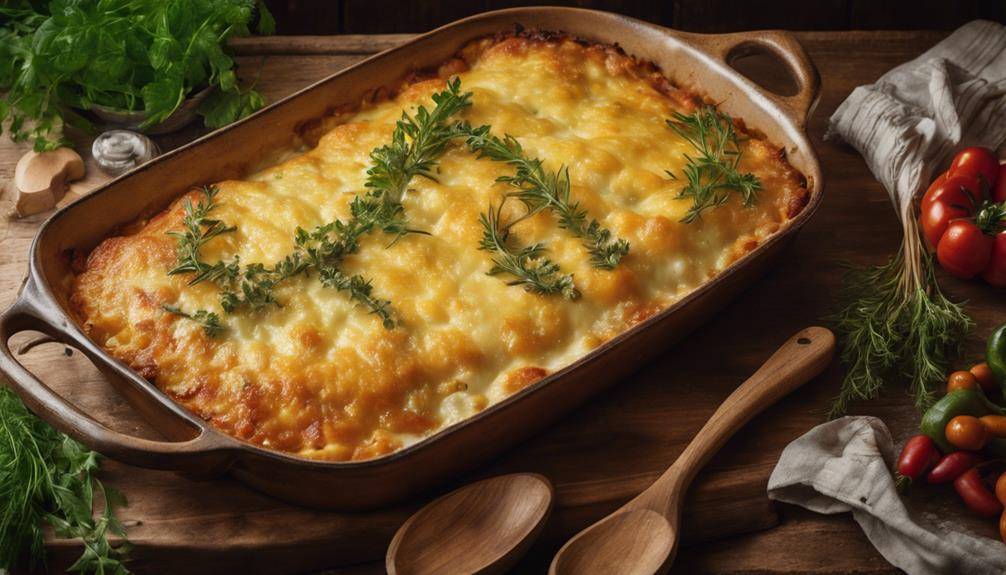
To Improve Cooking Skills With Gratinating; Gratinating is a fantastic way to improve your cooking skills by adding a crispy, golden layer to your dishes. Start by mastering the layering technique, ensuring even thickness for uniform cooking. Choose cheeses like Gruyère or sharp cheddar that melt beautifully and enhance flavors. Don’t forget to season each layer with salt, pepper, and fresh herbs. Watch it closely while broiling to achieve that perfect bubbly, golden top without overcooking. Allow the gratin to rest before serving for better flavors and presentation. If you’re keen to discover more creative ideas and tips, there’s plenty more to explore.
Understanding Gratinating Techniques
When it comes to mastering cooking techniques, many find gratinating to be both rewarding and delicious. This method involves creating a crispy, golden-brown top layer, typically using cheese or breadcrumbs. Understanding the basics of gratinating can elevate your dishes, turning a simple meal into something special.
To start, you’ll want to familiarize yourself with broiling techniques. Broiling is essential for achieving that perfect crust. It involves cooking food under direct heat, which allows the top layer to brown quickly while keeping the rest of the dish warm. Make sure your oven rack is positioned close to the heat source, and keep a close eye on the dish to prevent burning.
Next, focus on cheese selection. The right cheese can make or break your gratin. Choose cheeses that melt well, like Gruyère, mozzarella, or fontina. These varieties provide that creamy texture you desire. For extra flavor, consider mixing cheeses—maybe a sharp cheddar with a rich brie. You can also add grated Parmesan on top for a salty finish.
Don’t forget to season your dish before applying the topping. A sprinkle of salt, pepper, or even herbs can enhance the overall taste. Once you’ve assembled your gratin and selected your cheese, pop it under the broiler. Your patience will pay off as you watch the top turn bubbly and golden. With a little practice, you’ll become an expert in gratinating, impressing friends and family alike.
Essential Ingredients for Gratinating
To create the perfect gratin, you’ll need to gather a few key ingredients that will enhance both flavor and texture. First and foremost, cheese varieties play a significant role in achieving that creamy, golden finish. You might want to contemplate using Gruyère for its nutty flavor, or a sharp cheddar for a bolder taste. Mixing different cheeses can elevate your dish, so don’t hesitate to experiment with combinations that suit your palate.
Next, you’ll want to ponder the base of your gratin. Potatoes are a classic choice, but you can also use vegetables like cauliflower or zucchini. Slice them evenly to guarantee they cook uniformly. A good amount of cream or milk is essential too. This will help to bind everything together and create that luscious texture everyone loves.
Herb blends are another important component in gratin cooking. Fresh herbs like thyme and rosemary can add aromatic notes that complement the richness of the cheese. If you’re short on fresh herbs, dried blends work just as well. Just be mindful of the quantity, as dried herbs can be more concentrated.
Tips for Perfectly Gratinated Dishes
Achieving the perfect gratin starts with mastering the layering technique. Begin by evenly layering your ingredients in a baking dish, ensuring each layer is consistent in thickness. This promotes even cooking and allows flavors to meld beautifully. Don’t shy away from experimenting with different gratinating variations; for instance, try mixing root vegetables with cheese or layering pasta with seasonal vegetables. Each combination can yield unique, delicious results.
Next, consider your flavor enhancements. Fresh herbs, spices, and aromatics can elevate your dish considerably. Sprinkle some thyme or rosemary between layers for an aromatic infusion, or add minced garlic for a punch of flavor. You can also enhance the cream or sauce by incorporating cheese varieties like Gruyère or Parmesan, which will create a rich, savory topping.
Don’t forget about the topping! A mixture of breadcrumbs and grated cheese adds a delightful crunch. For an extra touch, drizzle some melted butter over the top before baking. This will not only enhance the golden-brown color but also contribute to a crispy texture.
Lastly, keep an eye on the oven temperature and cooking time. You want a perfectly bubbly and browned top without overcooking the ingredients underneath. When your gratin is done, let it rest for a few minutes before serving; this allows the flavors to settle and enhances the overall experience. Follow these tips, and you’ll be on your way to creating perfectly gratinated dishes that impress every time!
Common Mistakes to Avoid
One of the biggest mistakes people make when preparing gratin dishes is not properly seasoning each layer. It’s crucial to sprinkle salt, pepper, or herbs on every layer of ingredients. If you skip this step, your dish might taste bland, and all that effort will go to waste.
Another common error is overcooking cheese. You might think that a longer cooking time will yield a more melty result, but it can lead to rubbery, unappetizing cheese. Instead, keep an eye on your gratin and pull it out of the oven once the cheese is bubbly and slightly golden.
Uneven browning is also a frequent problem. If you don’t spread the topping evenly, some parts will brown too quickly while others remain pale. To avoid this, make sure to distribute your breadcrumbs or cheese evenly across the surface. You can even rotate the dish halfway through cooking to guarantee even exposure to the heat.
Lastly, don’t forget to let your gratin rest for a few minutes before serving. Cutting into it immediately can cause all those delicious layers to collapse, making it look unappealing. Allowing it to set helps maintain its structure and enhances the overall presentation. By steering clear of these common pitfalls, you’ll elevate your gratin dishes and impress anyone lucky enough to share in your culinary creations.
Creative Gratinating Recipe Ideas
Gratin dishes offer endless possibilities for creativity in the kitchen, allowing you to experiment with flavors and textures. You can start by selecting a base ingredient, such as potatoes, pasta, or even grains like quinoa. For a classic potato gratin, layer thinly sliced potatoes with different cheese varieties like Gruyère, cheddar, or a tangy goat cheese. Each cheese will lend a unique flavor profile to your dish, so don’t hesitate to mix and match.
Next, think about vegetable combinations. You could incorporate seasonal vegetables like zucchini, asparagus, or spinach to add a pop of color and nutrition. For a Mediterranean twist, consider layering roasted eggplant, tomatoes, and bell peppers, topped with feta cheese. The combination of the savory vegetables and rich cheese creates a delightful contrast that’ll impress anyone at your dinner table.
If you want to get adventurous, try a seafood gratin. Mix shrimp or scallops with a creamy sauce, then top with a blend of Parmesan and breadcrumbs for an irresistible crust. Alternatively, you could create a delightful sweet potato and kale gratin, adding a dash of nutmeg for warmth.
Don’t forget to play around with spices and herbs to elevate your gratin. Fresh thyme, rosemary, or even a sprinkle of chili flakes can transform your dish. With these creative gratinating recipe ideas, you’ll be well on your way to becoming a gratin expert, delighting family and friends with every delicious bite!
Frequently Asked Questions: To Improve Cooking Skills With Gratinating
Can I Use Non-Dairy Alternatives for Gratinating?
Absolutely, you can use non-dairy options for gratinating! Plant-based cheeses melt nicely and can create a delicious, crispy topping. Just make sure to choose varieties that work well for baking to get the best results.
How Do I Store Leftover Gratinated Dishes?
To store leftover gratinated dishes, let them cool, then transfer to an airtight container. For reheating, use an oven to maintain texture, or microwave with a cover to prevent drying out, ensuring it stays delicious.
What Types of Dishes Are Best Suited for Gratinating?
When you’re choosing dishes for gratinating, consider best gratin vegetables like potatoes, cauliflower, or zucchini. Using ideal gratin techniques, you’ll achieve a crispy, golden crust that enhances the flavors and textures of your dish.
Is Gratinating Suitable for All Types of Cheese?
Gratinating isn’t suitable for all cheeses. When you choose cheese, consider flavor pairing; some melt beautifully, like Gruyère, while others, like feta, don’t. Focus on cheeses that enhance the dish’s overall taste and texture.
How Can I Make My Gratin Crispy Without Burning?
To make your gratin crispy without burning, focus on using effective gratin techniques. Broil it briefly at the end and choose crispy toppings like breadcrumbs or cheese, ensuring you monitor it closely for perfect results.

Conclusion
Now that you’ve explored the art of gratinating, you’re ready to elevate your cooking skills. By mastering the techniques and experimenting with various ingredients, you can create deliciously crisp and flavorful dishes that impress. Remember to avoid common pitfalls, and don’t hesitate to get creative with your recipes. So, grab your ingredients, preheat that oven, and start gratinating your way to culinary success. Happy cooking, and enjoy every bite of your delicious creations!
If you enjoyed exploring this topic and want to dive even deeper, be sure to check out some of our other articles here on Infinite Flavors. From rich culinary histories to creative twists on classic recipes, there’s always something new to discover. Whether you’re curious about the origins of a dish, looking for fresh inspiration in the kitchen, or simply love learning about food culture, our collection of posts is the perfect next step on your flavor journey.
How To: All About Gratinating Foods In Microwave
The Great Difference Between Gratinating And Au Gratin