Top 7 Essential Ingredients For Vegan Cooking
Top 7 Essential Ingredients For Vegan Cooking: Vegan cooking thrives on a few essential ingredients that can boost your meals and guarantee balanced nutrition. Start with legumes and pulses for protein, then incorporate whole grains for fiber and energy. Don't forget nuts and seeds, which add healthy fats and flavor. Plant-based oils enhance taste and nutrition, while fresh herbs and greens bring vibrant freshness. Spices and seasonings are vital for depth, and dairy alternatives help create creamy textures. Mastering these ingredients can transform your kitchen, setting the stage for delicious vegan creations ahead. Keep going to discover how each ingredient can elevate your cooking game!
Legumes and Pulses
Click Here and Turn Every Masterpiece into a Showstopper!
Legumes and pulses are often staples in vegan cooking, and you'll find them in countless delicious dishes. These versatile ingredients come in a variety of types, each offering unique flavors and textures. Beans, lentils, chickpeas, and peas are just a few examples of the legume varieties you can incorporate into your meals. They're not only tasty but also pack a nutritional punch, providing essential proteins, fibers, and vitamins.
When it comes to pulse preparation, you've got options that can fit your schedule. If you're short on time, canned beans are a quick and convenient choice. Just rinse them to reduce sodium and toss them into salads, soups, or stews. For a bit more flavor and texture, try cooking dry legumes. Soaking them overnight can cut down cooking time and help with digestion. After soaking, boil them until tender, and you'll have a base for countless dishes.
Don't forget that pulses can also be used creatively. You can blend chickpeas into a creamy hummus or mash black beans for a hearty burger. Lentils are fantastic in curries or as a filling for tacos. Experimenting with different legume varieties can elevate your meals and keep your taste buds excited. So, immerse yourself in the world of legumes and pulses, and enjoy the endless possibilities they bring to your vegan kitchen!
Whole Grains
Whole grains are packed with essential nutrients that can boost your health. You've got a variety of grains to choose from, each offering unique flavors and textures. Let's explore some cooking techniques to make the most of these versatile ingredients in your vegan meals.
Nutritional Benefits of Grains
Grains are a powerhouse of nutrition that can transform your vegan meals. They're packed with essential nutrients, including fiber, protein, and B vitamins. When you explore different grain varieties, you'll discover options like quinoa, farro, and barley, each bringing unique flavors and textures to your dishes. Ancient grains, such as amaranth and spelt, are not only nutritious but also rich in antioxidants, making them fantastic additions to your diet.
If you need gluten-free options, grains like brown rice, millet, and buckwheat are excellent substitutes that provide the same health benefits without the gluten. Incorporating these grains into your meals can help maintain steady energy levels while keeping you full for longer.
Proper grain storage is vital to retain their freshness and nutritional value. Store your grains in a cool, dry place, preferably in airtight containers, to prevent spoilage and pests. By understanding the nutritional benefits of grains and incorporating them into your vegan cooking, you'll enhance your meals and support your overall health. Embrace grains, and watch how they elevate your culinary experience!
Versatile Grain Choices
When it comes to versatile grain choices, whole grains stand out as essential staples in any vegan kitchen. They not only provide a hearty base for meals but also pack a nutritional punch. Start with quinoa varieties; they're incredibly adaptable. You can use white, red, or black quinoa to add different textures and flavors to your dishes. Whether you're making a salad, a side dish, or even a breakfast bowl, quinoa fits right in.
Another fantastic grain to incorporate is millet. It's gluten-free and has a mildly sweet flavor, making it perfect for a range of millet recipes. You can serve it as a porridge or mix it into veggie burgers for added substance.
Don't overlook brown rice and farro either; they're great for stir-fries and grain bowls. Each whole grain brings its unique taste and benefits to your meals, ensuring variety and satisfaction. By keeping these versatile grains on hand, you'll elevate your vegan cooking game while enjoying delicious, nutritious meals. So, stock your pantry with these options and get creative in the kitchen!
Cooking Techniques Explained
Cooking whole grains might seem intimidating at first, but once you grasp the basics, it becomes a breeze. Start by rinsing your grains under cold water to remove any dust or impurities. Then, measure the appropriate ratio of water or broth to grain—typically, it's 2 cups of liquid for every cup of whole grains. Bring the mixture to a boil, then reduce the heat, cover, and let it simmer until the grains are tender and the liquid is absorbed.
For vegan meal prep, try cooking larger batches of grains like quinoa, brown rice, or farro. You can store leftovers in the fridge for easy plant-based substitutions in salads, stir-fries, or grain bowls throughout the week. If you're feeling adventurous, experiment with different cooking techniques. For instance, toasting grains in a dry skillet before boiling can enhance their flavor.
Don't forget that pressure cookers and rice cookers can make the process even easier, saving you time and effort. With these techniques in your back pocket, you'll find that cooking whole grains is not only simple but also a rewarding addition to your vegan meals.
Nuts and Seeds
Nuts and seeds are essential ingredients in vegan cooking, adding both flavor and nutrition to your dishes. They're packed with healthy fats, protein, and vitamins that can elevate your meals. Incorporating a variety of nuts and seeds into your diet can not only enhance the taste but also provide a satisfying crunch and rich texture.
When it comes to nut butter varieties, you've got plenty of options. Almond, cashew, and peanut butters are excellent choices for spreads, dressings, or baking. They can add creaminess to smoothies or serve as a base for sauces. Experimenting with different nut butters can open up a world of flavors in your cooking.
Seeds, on the other hand, are incredibly versatile. Chia seeds, flaxseeds, and sunflower seeds can be sprinkled on salads or oatmeal for added nutrition. They also work well as seed toppings on smoothies and baked goods, providing a delightful crunch and a boost of essential nutrients. Plus, seeds are often rich in fiber, which is great for digestion.
You can also use nuts and seeds to create your own dairy-free cheeses or snacks. Roasting them with spices can turn ordinary ingredients into delicious treats. So don't hesitate to get creative with these powerhouse ingredients. With nuts and seeds in your pantry, you'll be well-equipped to whip up nutritious and flavorful vegan meals that everyone will love.
Plant-Based Oils
When you're cooking vegan meals, choosing the right plant-based oils can make all the difference. You'll find a variety of oils that not only enhance flavor but also offer nutritional benefits. Let's explore some popular options, along with tips to use them effectively in your dishes.
Types of Plant Oils
Versatility is a hallmark of plant-based oils, making them essential in vegan cooking. When exploring cooking oil types, you'll find a variety of options that can enhance your dishes in unique ways. For instance, olive oil is a staple known for its rich, fruity flavor profile, perfect for dressings and sautés. On the other hand, coconut oil offers a subtle sweetness and works wonders in baking or tropical-inspired dishes.
If you're looking for a neutral flavor, canola oil is a fantastic choice, allowing other ingredients to shine without overpowering them. Meanwhile, sesame oil, with its distinct nutty taste, is excellent for Asian cuisine, lending depth to stir-fries and marinades.
Don't forget about avocado oil, which boasts a high smoke point and a mild flavor, making it great for frying or drizzling over salads. Finally, grapeseed oil is another versatile option, suitable for high-heat cooking and infusing flavors into your dishes. By understanding these cooking oil types and their oil flavor profiles, you can elevate your vegan meals and create delicious, balanced dishes.
Nutritional Benefits Overview
Plant-based oils are not just cooking essentials; they also pack a nutritional punch that can benefit your health. These oils, like olive, avocado, and flaxseed, boast impressive nutritional profiles. They're rich in healthy fats, particularly unsaturated fats, which can support heart health and reduce cholesterol levels.
Incorporating these oils into your diet provides essential fatty acids, including omega-3s and omega-6s, vital for brain function and overall well-being. For instance, flaxseed oil is a fantastic source of alpha-linolenic acid (ALA), an omega-3 fatty acid that can help reduce inflammation.
Moreover, the antioxidants found in plant-based oils, such as vitamin E in sunflower oil, contribute to skin health and may lower the risk of chronic diseases. When you choose these oils over animal fats or processed options, you're not only enhancing the flavor of your dishes but also reaping various health benefits.
Cooking Tips and Tricks
Mastering the use of plant-based oils can elevate your vegan cooking to new heights. Start by incorporating oils like olive, avocado, or coconut into your meal prep for enhanced flavor and nutrition. When cooking, use the right equipment; a good quality pan can make a difference in how oils perform. Remember, flavor balancing is key—experiment with different oils to complement your dishes, especially when using seasonal ingredients.
Don't hesitate to make ingredient substitutions; for instance, swap out butter with coconut oil in baking to maintain a rich texture. For food storage, keep your oils in a cool, dark place to preserve their quality.
Plating techniques can also be improved with oils. A drizzle of flavored oil can elevate your dish's presentation and taste. Finally, recipe experimentation is essential; try using oils in marinades, dressings, or even as a finishing touch to add complexity. With these tips, you'll harness the full potential of plant-based oils, transforming your vegan meals into culinary masterpieces.
Click Here and Turn Every Masterpiece into a Showstopper!
Fresh Herbs and Greens
Fresh herbs and greens are crucial players in vegan cooking, adding vibrant flavors and nutrients to your dishes. They can elevate a simple meal into a culinary delight. From basil and cilantro to spinach and kale, these fresh ingredients pack a punch of taste and health benefits. Incorporating them into your meals not only enhances flavor but also boosts your nutrient intake.
If you're new to herb gardening, consider starting with a few easy-to-grow varieties like parsley or mint. Having fresh herbs on hand can inspire you to create delicious salads, sauces, and dressings. You'll be amazed at how much a handful of fresh basil can brighten a pasta dish or how cilantro can transform a taco night.
Greens are another crucial component in vegan cooking. Leafy vegetables like arugula, Swiss chard, and collard greens can be used in salads, stir-fries, or soups. They're rich in vitamins and minerals, making them a powerhouse for your health. You can also blend them into green smoothies for a nutritious breakfast or snack. Toss in some fruits, and you've got a delicious way to start your day.
Experiment with different combinations of herbs and greens in your cooking. Don't be afraid to mix and match to find your favorite flavors. Fresh herbs and greens not only make your meals more exciting but also contribute to a healthier, plant-based lifestyle. So, grab some fresh ingredients and get cooking!
Spices and Seasonings
When it comes to enhancing the flavors of your vegan dishes, spices and seasonings are your best friends. They can transform a simple meal into a culinary masterpiece. By learning how to effectively use various spices, you can create exciting flavors that keep your taste buds dancing.
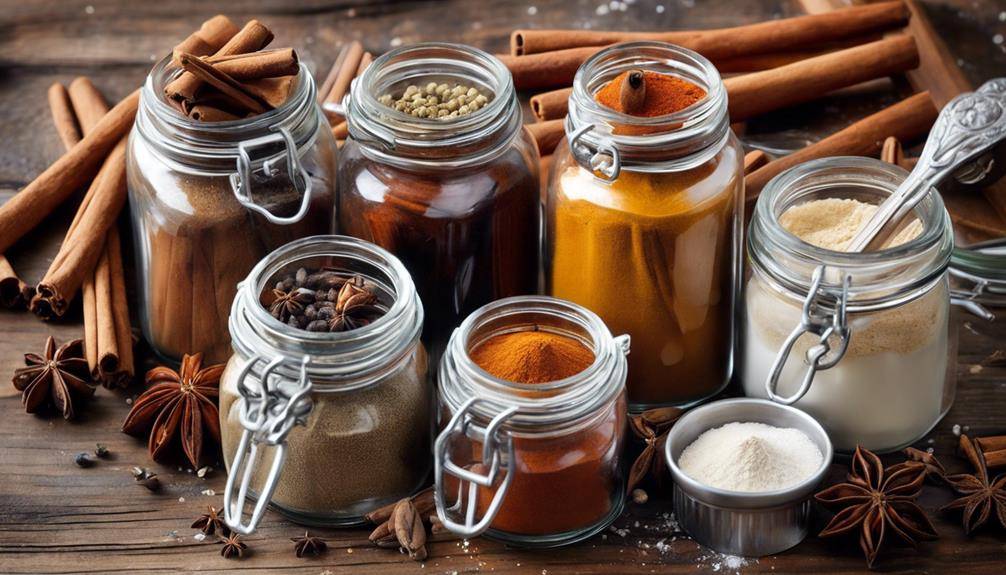
Start by stocking your pantry with essential spices like cumin, paprika, turmeric, and garlic powder. These staples not only add depth but also offer health benefits. Don't forget about spice blends, which can save you time and effort. Whether you're reaching for curry powder or Italian seasoning, these combinations simplify flavoring your dishes.
Understanding seasoning ratios is vital in vegan cooking. Too much of one spice can overpower your dish, while too little can leave it bland. A good rule of thumb is to start with small amounts—about a quarter teaspoon—and adjust to taste. For liquids, remember that a pinch of salt can go a long way, enhancing other flavors without dominating them.
Experiment with different combinations to discover what works best for you. For instance, mix smoked paprika with chili powder for a smoky kick, or combine cinnamon and nutmeg for a warm, sweet touch. With practice, you'll master the art of seasoning, making your vegan meals not only nutritious but also bursting with flavor. So, get creative in the kitchen, and let your spices and seasonings shine!
Dairy Alternatives
In the domain of vegan cooking, choosing the right dairy alternatives can make all the difference in achieving creamy textures and rich flavors. You'll find that the market is brimming with options, making it easier than ever to switch to plant-based ingredients without sacrificing taste.
Start with plant-based milk, which comes in various forms like almond, soy, oat, and coconut. Each offers unique flavors and can be used for everything from baking to smoothies. When it comes to cheese substitutes, look for nut-based cheeses or store-bought varieties made from coconut oil and starches. They can melt and stretch just like dairy cheese, making them perfect for pizzas or pasta dishes.
For yogurt alternatives, coconut yogurt is a popular choice, offering a creamy texture and slight sweetness. If you're after something tangy, opt for almond or soy-based yogurts enriched with probiotics. Cream replacements are also essential; try cashew cream or store-bought coconut cream for soups and desserts.
Butter substitutes can be found in various forms, including vegan margarine or simply using oils such as olive or coconut. For a probiotic kick, explore kefir options made from plant-based sources, which work well in smoothies or salad dressings. Finally, don't forget about ice cream alternatives—coconut, almond, or cashew-based ice creams can satisfy your sweet tooth without dairy.
Click Here and Turn Every Masterpiece into a Showstopper!
Frequently Asked Questions: Top 7 Essential Ingredients For Vegan Cooking
How Can I Enhance Protein Intake in Vegan Cooking?
To enhance your protein intake, explore various vegan protein sources like lentils, quinoa, and chickpeas. Create protein-rich recipes, such as hearty stews or salads, to guarantee you're meeting your nutritional needs while enjoying delicious meals.
Are There Vegan Substitutes for Common Non-Vegan Ingredients?
You can easily find vegan substitutes for common non-vegan ingredients. For vegan baking, use applesauce or mashed bananas instead of eggs, and try almond milk or coconut yogurt as delicious dairy alternatives.
What Are the Best Cooking Methods for Legumes?
When cooking legumes, you'll want to use soaking techniques for ideal texture. Soak them overnight, then simmer on low heat for various cooking times, depending on the type, ensuring they're tender and flavorful.
How Do I Store Fresh Herbs for Longer Shelf Life?
To store fresh herbs longer, use herb preservation techniques like drying or freezing. Place them in ideal storage containers, like airtight bags or jars, to keep moisture out and maintain flavor and freshness for weeks.
Can I Grow My Own Herbs at Home Easily?
You can easily grow your own herbs at home using indoor planters. Herb gardening is a rewarding hobby that provides fresh flavors. Just choose suitable herbs, guarantee proper light, and maintain consistent watering for success.

Conclusion
Incorporating these seven essential ingredients into your vegan cooking will elevate your meals and keep your taste buds excited. By using legumes, whole grains, nuts, and seeds, along with flavorful oils, fresh herbs, spices, and dairy alternatives, you can create delicious, satisfying dishes. So, stock your pantry with these staples and get creative in the kitchen. You'll discover that vegan cooking isn't just healthy; it's vibrant and full of flavor. Enjoy the journey!