Amazing Traditional Mediterranean Mezze Platters
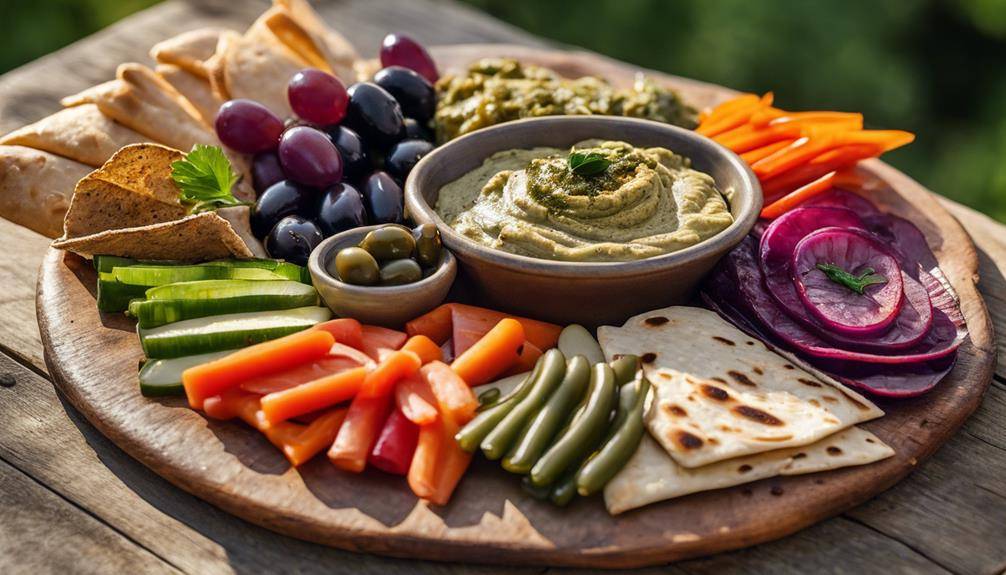
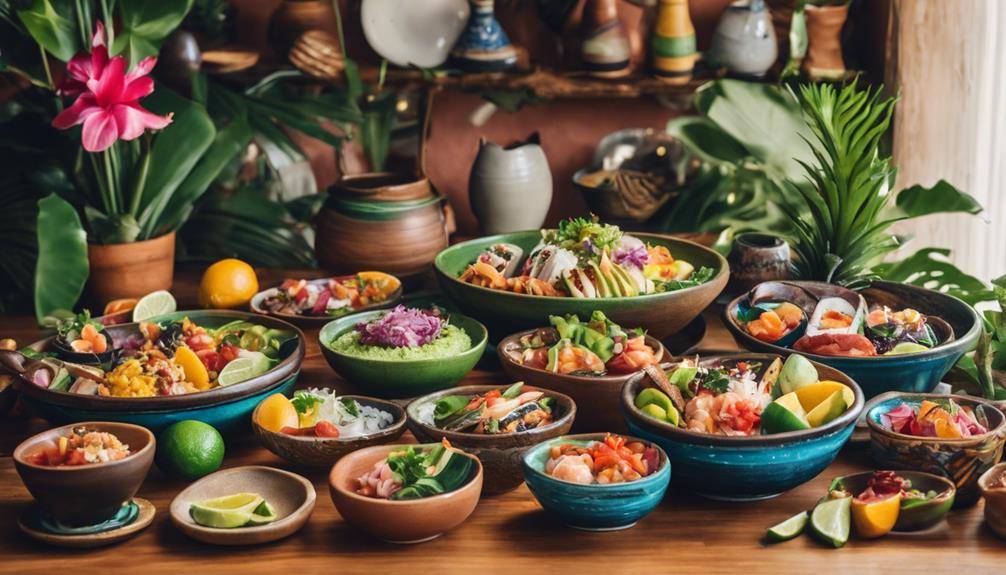
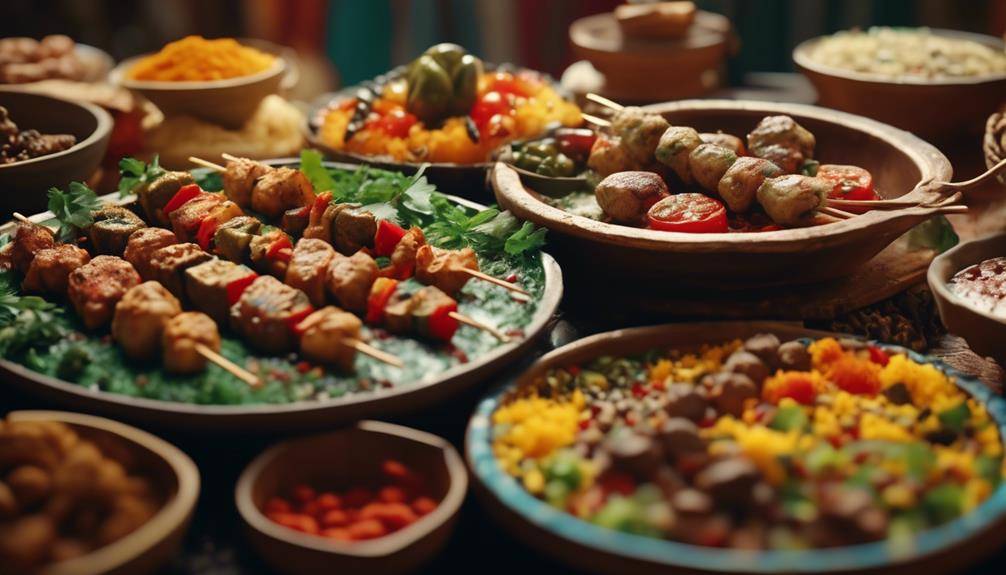
Traditional Mediterranean Mezze Platters are colorful, communal spreads designed for sharing and conversation. You’ll find fresh vegetables, assorted cheeses, cured meats, and tangy dips like hummus and baba ghanoush, all highlighting local ingredients. Each region offers its unique spin, from Greek tzatziki to Turkish muhammara. The art of plating transforms your platter into a feast for the eyes, making it perfect for gatherings. Whether you opt for store-bought convenience or make your mezze from scratch, these small plates encourage a joyful dining experience. Keep exploring to uncover tips for hosting your very own mezze night!
History of Mezze Platters
The history of mezze platters is rich and varied, reflecting the diverse cultures of the Mediterranean region. You’ll find that these platters have deep cultural significance, serving as a centerpiece for social gatherings and communal dining experiences. Over centuries, the historical evolution of mezze has intertwined with regional influences, from the flavors of the Middle East to the culinary traditions of Southern Europe.
Originally, mezze was created to encourage sharing and conversation, often featuring an array of small dishes that highlight local ingredients and unique flavor profiles. As you explore different cultures, you’ll notice how these platters adapt to festive occasions. In Lebanon, for example, mezze is an integral part of family celebrations, while in Turkey, it’s a staple at gatherings, showcasing the importance of hospitality.
Modern adaptations of mezze have emerged, incorporating global flavors while maintaining the essence of traditional serving customs. Today, you might encounter mezze platters in restaurants and homes alike, where they continue to promote a sense of togetherness. You can enjoy everything from traditional hummus and baba ganoush to innovative takes on old favorites, reflecting how these platters have evolved yet remain rooted in their origins.
In essence, mezze platters not only provide a delicious array of dishes but also serve as a reflection of the rich tapestry of Mediterranean culture, bringing people together through food and shared experiences.
Key Ingredients in Mezze
When you think about mezze, you’ll want to focus on its essential components that make it so delightful. Flavorful dips and spreads, along with fresh vegetables and herbs, play an important role in creating that perfect platter. Let’s explore these key ingredients that elevate your mezze experience.
Essential Mezze Components
Creating a vibrant mezze platter starts with selecting essential components that capture the essence of Mediterranean cuisine. You’ll want to include a variety of items that reflect the mezze cultural significance, offering a taste of the region’s rich culinary heritage. Start with fresh vegetables like cucumbers, bell peppers, and cherry tomatoes. These not only add color but also provide a invigorating crunch.
Next, choose an assortment of cheeses, such as feta or halloumi, which are staples in many Mediterranean countries. You can also incorporate cured meats, like prosciutto or salami, to add a savory touch. Nuts, such as almonds or walnuts, contribute texture and flavor, enhancing the overall experience.
Don’t forget the olives, a key element in mezze serving traditions. They bring a briny richness that complements the other components. You might also consider including stuffed grape leaves, which are popular in various Mediterranean cuisines.
Flavorful Dips and Spreads
A vibrant mezze platter wouldn’t be complete without an array of flavorful dips and spreads that bring everything together. Each dip offers a unique taste experience, making your meal truly special. Start with creamy tzatziki, a revitalizing yogurt-based dip perfect for cooling down spicy bites. Add smoky baba ghanoush, where roasted eggplant blends seamlessly with tahini, offering a rich, velvety texture.
Don’t forget the tangy muhammara, a delightful mixture of roasted red peppers, walnuts, and spices that provides a satisfying kick. For those who crave heat, spicy harissa can elevate your platter, adding depth and warmth. Nutty tahini is another staple, perfect for drizzling or dipping, while zesty labneh serves as a thick, yogurt-like spread that complements various flavors.
Bring a fresh twist to your mezze with herby chimichurri, a vibrant mix of parsley, garlic, and olive oil. For sweetness, consider a touch of sweet pomegranate to brighten up the palate, or go with a vibrant salsa for a burst of color. Finally, rich romesco adds a nutty, smoky essence that perfectly ties everything together. Enjoy the delightful balance of flavors!
Fresh Vegetables and Herbs
Fresh vegetables and herbs are the heart of any mezze platter, adding color, crunch, and vibrant flavors. When you choose seasonal vegetables, you’re not only enhancing taste but also supporting local agriculture. Think of crisp cucumbers, juicy tomatoes, and bell peppers bursting with flavor. Each bite brings freshness that’s essential for a balanced mezze experience.
Explore various herb varieties like parsley, mint, and dill. These herbs elevate your dishes, creating aromatic layers that complement dips and spreads. The importance of freshness can’t be overstated—use only the best ingredients for maximum impact.
Preparation techniques matter too. Slice vegetables into bite-sized pieces for easy snacking, or consider marinating them in olive oil and lemon for added zest. Garnish ideas like a sprinkle of sumac or a drizzle of tahini can take your platter to the next level.
Popular Mezze Dishes
When it comes to popular mezze dishes, you’ll find a delightful array of flavors and textures that are sure to tantalize your taste buds. These small plates often reflect the mezze origins of the Mediterranean, showcasing local ingredients and traditional cooking methods. One iconic dish is hummus, a creamy blend of chickpeas, tahini, garlic, and lemon juice. Served with warm pita, it’s a must-try that perfectly embodies the spirit of sharing.
Another favorite is baba ganoush, a smoky eggplant dip that adds depth to your mezze platter. You can’t overlook tabbouleh, a fresh salad made with parsley, mint, tomatoes, and bulgur, providing a revitalizing contrast to heavier dishes. Dolmas, grape leaves stuffed with rice and herbs, are also a crowd-pleaser, and they highlight the region’s love for fragrant spices.
Don’t forget the olives! A selection of olives brings both briny flavors and a variety of textures to the table. When enjoying these mezze delights, it’s important to remember the mezze etiquette. Sharing is key—take small portions from each dish and pass them around, allowing everyone to sample a bit of everything. It’s not just about the food; it’s about the experience of gathering with friends and family.
Regional Variations of Mezze
Mezze varies widely across the Mediterranean, reflecting the unique cultures and ingredients of each region. When you immerse yourself in Greek variations, you’ll find delightful spreads featuring tzatziki, stuffed grape leaves, and olives. These dishes often highlight fresh herbs and citrus, giving them a bright, zesty flavor.
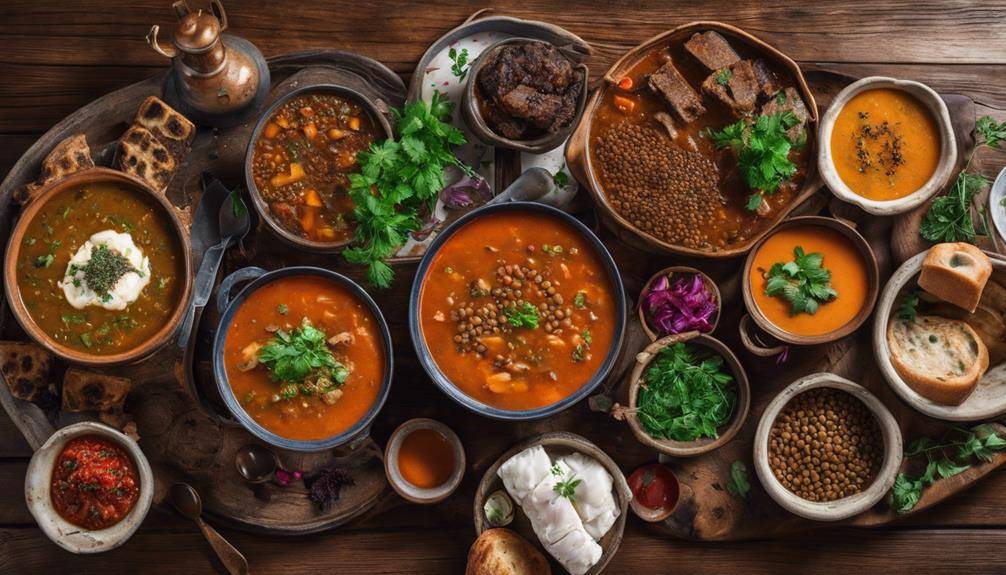
In Lebanon, you’ll savor dishes like hummus and baba ghanoush, both staples of Lebanese cuisine. These creamy dips, paired with warm pita, are a must-try. The Turkish influence is evident in their mezze, often showcasing items like muhammara and lentil balls, which are rich in flavor and texture.
When exploring Syrian ingredients, you might come across fattoush salad or kibbeh, which reflect the region’s agricultural bounty. Egyptian mezze features dishes like ta’ameya, a delicious falafel made with fava beans, and dukkah, a nut and spice mix that adds a crunchy texture.
In Spain, mezze transforms into tapas, with small plates of chorizo, olives, and patatas bravas that invite sharing and conversation. Moroccan flavors bring exciting spices to the table, often showcasing dishes like zaalouk, a smoky eggplant salad, and spiced meats.
The Art of Plating
Plating isn’t just about arranging food; it’s an art form that elevates the dining experience. When you prepare a Mediterranean mezze platter, the way you present each dish can transform a simple meal into a feast for the senses. Employing effective plating techniques and presentation styles allows you to highlight the vibrant colors and textures of the ingredients.
Start by choosing a base, like a large wooden board or a decorative platter. This sets the stage for your mezze. Use a variety of colors, shapes, and heights to create visual interest. Place your dips—hummus, tzatziki, and baba ghanoush—in small bowls, and arrange them evenly around the platter. This creates focal points while leaving space for other items.
Next, think about layers and balance. Use plating techniques like stacking or overlapping to give depth to your presentation. For instance, stack pita bread in a fan or layer stuffed grape leaves for height. Don’t forget to sprinkle fresh herbs, like parsley or mint, for a pop of color and added freshness.
Remember to contemplate the negative space on the platter. Leaving some empty space lets each item shine and prevents a cluttered look. Finally, finish with a drizzle of olive oil or a sprinkle of spices to add a touch of flair. Your mezze platter should not only taste delicious but also invite your guests to dig in, making the art of plating a crucial part of the experience.
Pairing Drinks With Mezze
To enhance your Mediterranean mezze experience, choosing the right drink pairing can elevate the flavors and create a harmonious dining experience. Your wine selection is essential—consider a crisp white like Sauvignon Blanc or a light, fruity red such as Grenache. These wines not only complement the diverse flavors of mezze but also promote flavor balancing, allowing you to enjoy each dish fully.
If you’re in the mood for something a bit more adventurous, cocktail pairing can add a revitalizing twist. A gin and tonic infused with herbs can harmonize beautifully with dishes like tzatziki or hummus, while a citrusy mojito can brighten up the palate alongside grilled vegetables.
For those who prefer non-alcoholic options, don’t overlook the charm of seasonal beverages. A invigorating mint lemonade or pomegranate soda can offer a sweet and tangy contrast, making them perfect companions for your platter.
Cultural drinks also play an essential role in enhancing your mezze experience. Consider serving traditional options like ouzo or arak, which can create an authentic touch. Sparkling choices, such as mineral water or a light sparkling wine, can cleanse your palate and add a celebratory feel to your meal.
Whether you stick to traditional options or explore seasonal beverages, the right drink pairing will surely enrich your Mediterranean mezze experience, making it memorable and delightful.
Vegetarian and Vegan Options
While exploring Mediterranean mezze, you’ll find a vibrant array of vegetarian and vegan options that not only satisfy but also celebrate the region’s rich culinary traditions. These dishes are perfect for anyone looking to enjoy the bold flavors and fresh ingredients that characterize Mediterranean cuisine.
Start with classic vegetarian varieties like hummus, baba ganoush, and tabbouleh. These staples are packed with flavor and nutrients, making them perfect for dipping or spreading on pita bread. You can also enjoy stuffed grape leaves, known as dolmas, which are traditionally filled with rice and herbs.
For those following a vegan diet, there are plenty of delicious vegan substitutions available. Instead of dairy-based tzatziki, try a vegan version made with cashews or coconut yogurt. You’ll hardly miss the creaminess! Roasted vegetables, like eggplant and bell peppers, can also be drizzled with a tangy tahini sauce, providing an excellent complement to your platter.
Don’t forget about the variety of olives and pickled vegetables that add a briny kick to your mezze spread. They’re naturally vegan and sure to please.
Gluten-Free Mezze Choices
For those seeking gluten-free mezze choices, the Mediterranean offers a delightful range of options that cater to your dietary needs without sacrificing flavor. You can start your spread with a variety of delicious dips that are naturally gluten-free. Hummus, made from chickpeas, is a classic choice, but don’t overlook tahini-based dips or nut-based dips like muhammara, which uses walnuts and red peppers for a rich taste.
Accompany these dips with fresh vegetables such as cucumber, bell peppers, and radishes for a satisfying crunch. For a heartier option, consider including gluten-free grains such as quinoa or rice. You can serve them as a tabbouleh-style salad, mixing with parsley, tomatoes, and a drizzle of olive oil and lemon juice for a revitalizing touch.
Stuffed grape leaves, or dolmas, can also be a great addition; just verify they’re made without any gluten-containing ingredients. Roasted eggplant or zucchini can be served as a warm dish, seasoned with garlic and herbs, providing a comforting element to your mezze platter.
Tips for Hosting a Mezze Night
When hosting a mezze night, you’ll want to select a variety of dishes to please every palate. Arrange your platters beautifully to create an inviting atmosphere, and don’t forget to pair your spread with the perfect drinks. These simple tips will elevate your gathering and make it memorable for your guests.
Select Diverse Dishes
There’s something truly delightful about a mezze night, where a variety of dishes come together to create a vibrant dining experience. To truly embrace the cultural significance of mezze, you should select diverse dishes that represent different Mediterranean regions. Think about including classics like hummus, baba ganoush, and tzatziki, alongside regional specialties like muhammara or tarator.
Incorporating seasonal ingredients not only enhances flavor but also adds a invigorating touch to your platter. For instance, in summer, ripe tomatoes can shine in a invigorating tabbouleh, while in fall, roasted root vegetables can add warmth to your spread. Don’t forget to include a mix of textures and flavors—creamy dips, crunchy vegetables, and savory meats.
Your guests will appreciate the variety, and it’ll encourage them to explore new tastes. You might even consider including a few vegetarian or vegan options to cater to different dietary preferences. As you prepare, keep in mind that the heart of mezze lies in sharing, so aim for dishes that invite conversation and connection among your friends and family.
Arrange Beautifully
Creating a stunning mezze platter is an art that transforms your dining table into a feast for the eyes and the palate. To achieve a colorful presentation, start by choosing a variety of dishes with different colors and textures. Think bright red roasted peppers, deep green olives, golden hummus, and creamy white tzatziki. This diversity not only enhances visual appeal but also invites your guests to explore the flavors.
Next, focus on an artistic arrangement. Place larger bowls of dips in the center, then surround them with smaller servings of vegetables, cheeses, and breads. Use varying heights by stacking pita chips or placing some items on small boards or slate tiles. This adds dimension and keeps the eye moving.
Don’t forget the garnishes! Fresh herbs like parsley or mint can brighten the overall look, while sliced lemons add a zesty pop of color. Finally, consider using decorative plates or platters that complement the food. With these tips, you’ll create a mezze platter that’s not only delicious but also a stunning centerpiece for your gathering. Your guests will love the inviting atmosphere, and the vibrant display will make the evening truly memorable.
Pair With Drinks
To elevate your mezze night, pairing the right drinks can enhance the flavors and create a harmonious dining experience. Start with some excellent wine pairings; a crisp white wine like Sauvignon Blanc complements the freshness of your dips, while a light red, such as Pinot Noir, pairs beautifully with grilled meats. For cocktail suggestions, try a revitalizing gin and tonic with homemade infusions of herbs like mint or rosemary, adding a unique twist.
Don’t forget about regional drinks! A chilled glass of ouzo or arak can add a traditional touch, or serve a seasonal drink like a pomegranate spritzer for a fruity contrast. For non-alcoholic options, consider serving sparkling water with fresh lemon and mint or a fruity iced tea.
When it comes to beverage serving, use drink garnishes like citrus slices or fresh herbs to make your drinks visually appealing. Remember, the right drink can create flavor contrasts that enhance your mezze experience, making each bite more enjoyable. So, don’t overlook the importance of thoughtful drink pairings for your gathering!
Making Mezze From Scratch
Making mezze from scratch not only elevates your dining experience but also allows you to customize flavors to suit your palate. When you immerse yourself in the world of authentic recipes, you’ll discover the joy of crafting dishes that reflect your personal taste. Start by researching traditional Mediterranean ingredients and techniques; this will help you create a mezze platter that feels both genuine and satisfying.
Ingredient sourcing is essential for achieving those vibrant flavors. Seek out local markets or specialty stores that offer fresh produce, high-quality olive oil, and spices. Consider visiting Mediterranean grocery stores to find unique items like za’atar, sumac, or tahini. These ingredients can transform your homemade dishes into something extraordinary.
Once you’ve gathered your ingredients, try your hand at preparing some classic dishes. Hummus is a must; blend chickpeas, tahini, lemon juice, and garlic until smooth. For a revitalizing dip, whip up tzatziki by mixing yogurt, cucumber, garlic, and dill. You can also roast eggplants to make baba ganoush, adding a smoky flavor that pairs beautifully with pita bread.
Don’t forget to include a variety of textures and flavors on your platter. Add olives, marinated vegetables, and nuts to create a feast for the senses. By making mezze from scratch, you’re not just serving food; you’re sharing a piece of culture and tradition, all while enjoying the satisfaction of your culinary creations.
Store-Bought Vs. Homemade Mezze
When it comes to mezze, you might wonder whether to go store-bought or make it yourself. While homemade options often shine with fresh flavors, store-bought varieties can save you precious time. Let’s explore how these two choices stack up in taste and convenience.
Flavor Comparison
In the bustling world of Mediterranean cuisine, the flavor profiles of store-bought and homemade mezze can vary considerably. When you opt for store-bought options, you might find that they often prioritize convenience over authenticity. While they can be tasty, they may lack the depth and richness that homemade versions bring to the table. Homemade mezze, on the other hand, allows you to explore the cultural significance of each dish, using fresh ingredients and traditional recipes that truly capture the essence of Mediterranean flavors.
When you create your own mezze, you have the freedom to adjust seasonings, textures, and ingredients to suit your palate. You’ll likely discover a vibrant array of flavors that store-bought alternatives can’t replicate. For instance, a homemade hummus made with freshly blended chickpeas and tahini will have a creaminess and taste that’s hard to beat. You’ll also enjoy the satisfaction of crafting a spread that reflects your personal touch and culinary preferences. Ultimately, while store-bought mezze can be a quick fix, nothing compares to the authentic and rich flavor profiles of homemade mezze that resonate with tradition and culture.
Preparation Time
Preparing mezze can take anywhere from a few minutes to several hours, depending on whether you choose store-bought or homemade options. If you’re short on time, store-bought mezze is a fantastic choice. You can grab a variety of dips, olives, and cheeses at your local market, allowing you to assemble a beautiful platter in no time. This approach is great for impromptu gatherings, and it saves you from extensive prep techniques.
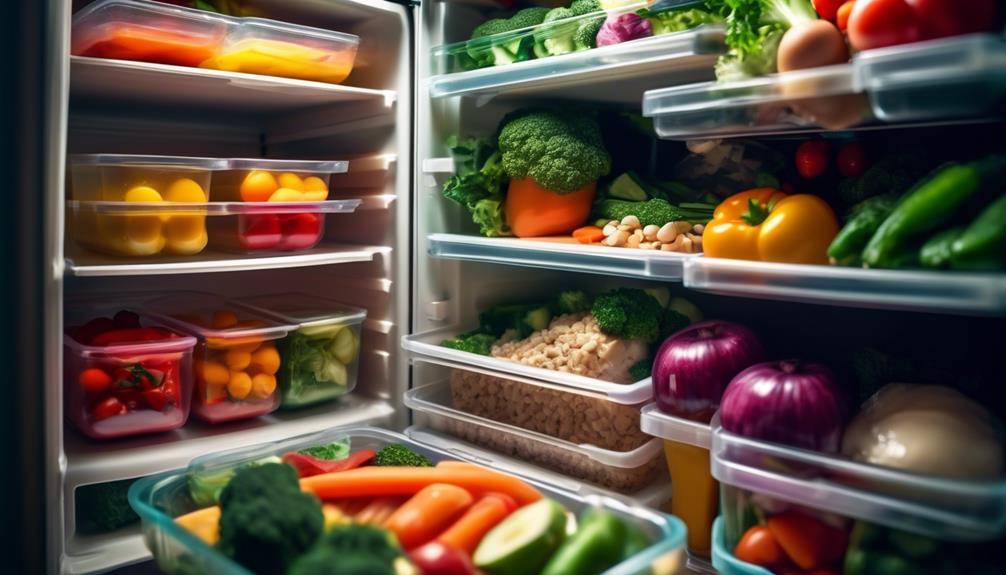
On the other hand, if you’re keen on crafting your own mezze, be prepared to invest some time. Dishes like baba ghanoush, hummus, or stuffed grape leaves require careful preparation, often involving roasting, blending, or rolling. To make the process more efficient, try batch cooking on weekends. You can whip up several dips at once and store them in the fridge for the week.
Using time-saving tips, such as pre-chopping your vegetables or using canned beans, can further streamline your efforts. Whether you go store-bought or homemade, you can create a delightful mezze platter that impresses your guests without overwhelming yourself in the kitchen.
Health Benefits of Mezze
Although mezze platters are often enjoyed for their vibrant flavors and variety, they also offer a wealth of health benefits that make them a smart choice for any meal. By embracing the Mediterranean diet, you’re not just indulging in delicious dishes; you’re also prioritizing nutrient density. Each item on a mezze platter, from hummus to olives, contributes to balanced meals packed with essential nutrients.
Social dining is a significant aspect of mezze, encouraging shared experiences and mindful eating. This style of dining naturally promotes portion control, allowing you to sample a diverse range of flavors without overindulging. The different flavor profiles across the platter provide an exciting culinary experience while keeping your meals varied and interesting.
Many mezze ingredients are rich in healthful fats, like those found in olive oil and nuts, which support heart health. Plus, the antioxidant benefits of fresh vegetables and herbs help combat oxidative stress in your body. You’ll also find plenty of fiber content in items such as beans and whole grains, which promotes digestive health and keeps you feeling satisfied longer.
Incorporating mezze into your meals aligns with healthy eating patterns and fosters a connection to culinary traditions that emphasize wholesome ingredients. So, next time you enjoy a mezze platter, relish not just the delightful tastes, but also the numerous health benefits that come with it.
Frequently Asked Questions: Traditional Mediterranean Mezze Platters
What Utensils Are Best for Serving Mezze Platters?
When serving mezze platters, you’ll want to use shallow serving dishes for easy access. Pair them with versatile serving utensils like tongs or spoons, ensuring everyone can enjoy the variety without hassle.
How Many People Can a Mezze Platter Serve?
A mezze platter can serve anywhere from four to ten people, depending on portion sizes and serving suggestions. Adjust the variety and quantity of items to fit your gathering’s size and appetites. Enjoy!
Can Mezze Be Prepared in Advance?
Yes, you can prepare mezze in advance. For ideal mezze presentation, store them properly and assemble just before serving. This way, you’ll enjoy the fresh flavors and save time for your guests.
What Is the Ideal Temperature for Serving Mezze?
The ideal serving temperature for mezze is around room temperature. This allows the diverse mezze flavor profiles to shine, ensuring you enjoy every bite. Don’t serve them too cold; warmth enhances their deliciousness!
How Do I Store Leftover Mezze?
To store leftover mezze, use airtight containers for freshness. Refrigerate within two hours, and consume within three days. For longer preservation, consider freezing items separately. These mezze storage tips guarantee your leftovers stay delicious!

Conclusion
To sum up, mezze platters are a delightful way to explore the rich flavors of the Mediterranean. Whether you’re hosting a gathering or simply enjoying a quiet night in, these small bites offer something for everyone. By using fresh ingredients and a mix of homemade and store-bought options, you can create a vibrant spread that impresses your guests. So, gather your favorite dishes, plate them beautifully, and savor the experience of sharing mezze with friends and family.