Great Trends In Sustainable Farming For Plant-Based Diets
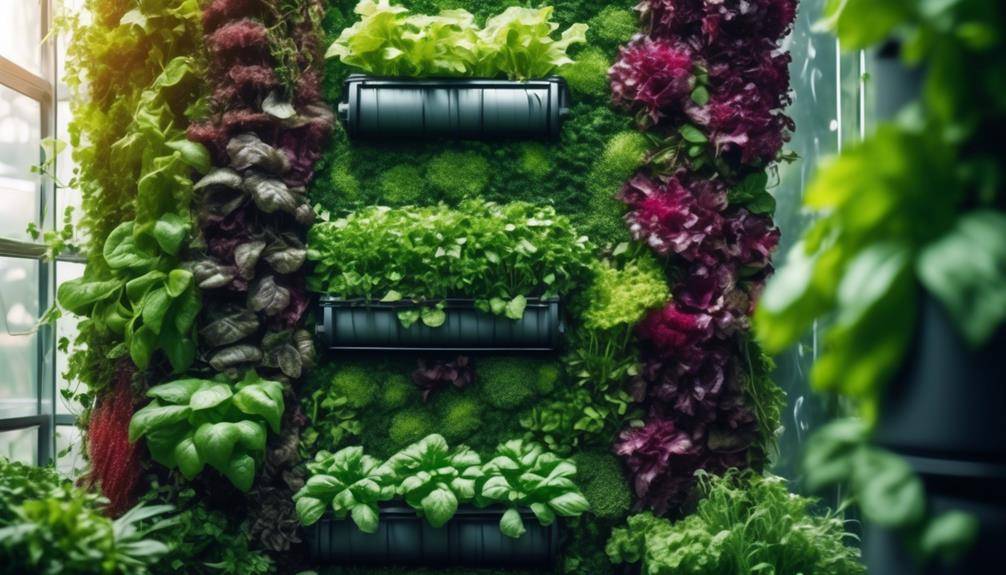
Trends In Sustainable Farming For Plant-Based; Imagine stepping into a vibrant garden of possibilities, where the earth sings with life and the air is fragrant with the promise of a sustainable future. As you wander through rows of lush greenery, you can’t help but wonder what trends are shaping the world of sustainable farming for plant-based diets.
Well, dear reader, hold onto your hat because a wave of innovative practices is sweeping across the agricultural landscape, offering a tantalizing glimpse into a future where harmony between nature and nourishment is not only possible but also necessary. So, tighten your grip and prepare to embark on a journey through the exciting trends that are reshaping the way we grow our food.
Regenerative Agriculture
Regenerative agriculture is a powerful approach that can help restore and improve the health of our ecosystems while also providing sustainable food for plant-based diets. By implementing regenerative farming practices, we can contribute to the regeneration of our soils and promote long-term sustainability.
One key aspect of regenerative farming is soil regeneration. Traditional agricultural practices often deplete the soil’s nutrients and degrade its structure, leading to erosion and decreased productivity. However, regenerative farming techniques focus on building and maintaining healthy soil. This involves practices such as cover cropping, crop rotation, and minimal tillage.
Cover cropping is a method where farmers plant specific crops to cover the soil during periods when the main crop is not actively growing. These cover crops help to protect the soil from erosion, improve its structure, and enhance its nutrient content. Crop rotation, on the other hand, involves alternating the types of crops grown in a particular field over time. This helps to break pest and disease cycles, increase soil fertility, and reduce the need for synthetic fertilizers and pesticides.
Another important practice in regenerative agriculture is minimal tillage. Traditional tillage methods involve turning over the soil, which can disrupt its structure and lead to erosion. In contrast, minimal tillage minimizes soil disturbance, allowing beneficial organisms to thrive, improving water infiltration, and preserving soil organic matter.
Vertical Farming
To continue exploring sustainable farming practices for plant-based diets, let’s now shift our focus to the innovative method of vertical farming. Vertical farming is an indoor farming technique that maximizes space utilization by growing crops vertically, in stacked layers. This method has gained popularity in recent years due to its potential for sustainable agriculture.
Vertical farming offers several benefits for sustainable agriculture. Firstly, it allows for year-round cultivation, independent of weather conditions. By creating a controlled environment indoors, farmers can optimize temperature, lighting, and nutrient levels to ensure optimal plant growth. This reduces the reliance on natural resources and minimizes the risk of crop failure.
Additionally, vertical farming requires significantly less land compared to traditional farming methods. By stacking crops vertically, more plants can be grown in a smaller area, making it an ideal solution for urban environments where land is limited. This not only conserves land but also reduces the need for long-distance transportation, thereby lowering carbon emissions.
Moreover, vertical farming minimizes water usage through advanced irrigation systems that recycle and reuse water. With water scarcity becoming a global concern, this technique offers an efficient solution by reducing water wastage and promoting sustainable water management.
Hydroponics and Aquaponics
When it comes to sustainable farming for plant-based diets, hydroponics and aquaponics offer efficient water usage and nutrient-rich growing systems. With hydroponics, plants are grown in a soil-less medium, allowing for precise control over water and nutrient delivery. Aquaponics takes it a step further by combining hydroponics with aquaculture, creating a symbiotic system where fish waste provides nutrients for the plants. These methods not only conserve water but also maximize the nutritional value of the crops.
Efficient Water Usage
For efficient water usage in sustainable farming for plant-based diets, consider utilizing hydroponics and aquaponics systems. These innovative techniques can significantly reduce water consumption while still producing high-quality crops. Here are some benefits of using hydroponics and aquaponics for water conservation and sustainable irrigation:
- Precise water control: These systems allow you to precisely control the amount of water plants receive, minimizing waste.
- Recirculation: Both hydroponics and aquaponics systems recirculate water, reducing the need for constant irrigation.
- Water-saving technologies: Advanced systems incorporate technologies like drip irrigation and misting, further conserving water.
- Reuse of nutrient-rich water: In aquaponics, the nutrient-rich water from fish waste is used to fertilize plants, eliminating the need for synthetic fertilizers and reducing water usage.
- Minimal evaporation: By growing plants in a controlled environment, hydroponics and aquaponics systems minimize water loss due to evaporation.
Nutrient-Rich Growing Systems
If you’re looking for nutrient-rich growing systems that can enhance water conservation and sustainable irrigation in your plant-based farming practices, consider the advantages of hydroponics and aquaponics. These innovative systems offer a range of benefits for both soil health and organic farming. Hydroponics is a soilless growing method that uses nutrient-rich water solutions to nourish plants. It allows for precise control of nutrient levels, resulting in healthier and more productive crops.
Aquaponics, on the other hand, combines hydroponics with aquaculture, creating a symbiotic relationship between fish and plants. The fish waste provides nutrients for the plants, while the plants filter and purify the water for the fish. This closed-loop system minimizes water waste and maximizes nutrient uptake, making it an ideal choice for sustainable farming.
Permaculture Systems
Permaculture systems offer a sustainable and efficient approach to farming for plant-based diets. By following permaculture principles and utilizing permaculture design techniques, you can create a self-sustaining ecosystem that not only provides you with an abundance of nutritious food but also promotes biodiversity and conservation. Here are five key benefits of implementing permaculture systems:
- Regenerative agriculture: Permaculture focuses on regenerating the soil and improving its health. By using techniques such as composting, mulching, and cover cropping, you can enhance soil fertility, reduce erosion, and increase water retention, leading to healthier plants and higher yields.
- Natural pest control: Permaculture systems aim to work with nature rather than against it. By creating diverse habitats and encouraging beneficial insects, birds, and animals, you can minimize pest problems without the need for harmful pesticides or chemicals.
- Water conservation: Permaculture design techniques, such as swales and rainwater harvesting, help maximize water efficiency on your farm. By capturing and storing rainwater, you can reduce the need for irrigation and make the most of this precious resource.
- Energy efficiency: Permaculture systems prioritize sustainable energy use. By integrating renewable energy sources like solar panels and wind turbines, you can reduce your reliance on fossil fuels and decrease your carbon footprint.
- Community engagement: Permaculture is not just about farming; it’s a holistic approach that encourages community involvement and cooperation. By sharing knowledge, resources, and surplus produce, you can strengthen local communities and foster a sense of interconnectedness.
Implementing permaculture systems requires careful planning and observation, but the rewards are well worth the effort. By adopting these sustainable farming practices, you can contribute to a healthier planet and enjoy the benefits of a plant-based diet that is truly in harmony with nature.
Agroforestry and Food Forests
Now let’s talk about the benefits of agroforestry and designing food forests. Agroforestry combines agriculture and forestry, allowing you to grow crops alongside trees and other plants. This approach provides multiple benefits such as improved soil health, increased biodiversity, and enhanced ecosystem services. When designing a food forest, you can strategically choose a variety of edible plants that work together to create a self-sustaining and productive ecosystem.
Benefits of Agroforestry
Agroforestry and food forests offer numerous benefits for sustainable farming and plant-based diets. By incorporating agroforestry innovations and techniques, you can enhance the productivity and resilience of your farm while promoting biodiversity and environmental conservation. Here are some specific benefits of agroforestry:
- Increased soil fertility: The combination of trees, crops, and livestock in agroforestry systems improves soil health by increasing organic matter content, nutrient cycling, and water retention.
- Diversification of income: Agroforestry allows farmers to generate multiple sources of income from timber, fruits, nuts, and other non-timber forest products.
- Climate change mitigation: Trees in agroforestry systems sequester carbon dioxide, reducing greenhouse gas emissions and mitigating climate change.
- Improved water management: Tree canopies reduce water evaporation, prevent soil erosion, and improve water quality by filtering pollutants.
- Enhanced biodiversity: Agroforestry systems provide habitat for a wide range of plant and animal species, promoting biodiversity conservation.
Incorporating agroforestry practices can not only benefit your farm but also contribute to a more sustainable and healthy food system.
Designing Food Forests
To create a successful food forest, it is essential to carefully design the layout and arrangement of trees, plants, and other elements. The design of a food forest should prioritize community engagement and biodiversity enhancement. Community engagement involves involving local residents in the planning and maintenance of the food forest, ensuring that it meets their needs and preferences. This can be done through workshops, volunteer opportunities, and educational programs.
Biodiversity enhancement is another crucial aspect of food forest design. By incorporating a wide variety of plants, including native species, the food forest can support a diverse range of wildlife and beneficial insects. Additionally, the design should consider factors such as sunlight exposure, soil quality, and water availability to create an optimal environment for plant growth. Overall, thoughtful design is key to creating a thriving and sustainable food forest.
Urban Farming and Community Gardens
Urban farming and community gardens offer a sustainable solution for growing fresh produce in densely populated areas. These initiatives contribute to food security, promote environmental sustainability, and foster community engagement. Here are some key benefits and challenges associated with urban farming and community gardens:
- Increased access to fresh produce: Urban farming and community gardens provide local residents with easy access to fresh fruits and vegetables, reducing the need for long-distance transportation and minimizing the carbon footprint associated with food distribution.
- Improved food security: By growing their own food, individuals and communities can have greater control over their food supply, reducing their reliance on external sources. This can be especially important in areas where access to affordable, nutritious food is limited.
- Enhanced community engagement: Urban farming and community gardens create spaces where people can come together, share knowledge, and collaborate on projects. These initiatives foster a sense of community, promote social interaction, and improve overall well-being.
- Environmental benefits: Urban farming and community gardens help mitigate the negative impacts of traditional agriculture, such as deforestation and excessive water usage. These initiatives often employ sustainable practices, such as composting and rainwater harvesting, which reduce waste and conserve resources.
- Educational opportunities: Urban farming and community gardens serve as valuable educational tools, teaching individuals, especially children, about the importance of sustainable agriculture, nutrition, and environmental stewardship. These initiatives can inspire a new generation of conscious consumers and environmental advocates.
Despite these benefits, urban farming and community gardens also face challenges. Limited space, soil contamination, and access to resources such as water and funding can hinder the success of these initiatives. However, with proper planning, community involvement, and support from local governments, these challenges can be overcome, making urban farming and community gardens a viable and sustainable solution for growing fresh produce in densely populated areas.
Frequently Asked Questions: Trends In Sustainable Farming For Plant-Based
What Are the Main Challenges Faced by Farmers in Implementing Regenerative Agriculture Practices?
The main challenges you face in implementing regenerative agriculture practices are limited access to resources, lack of knowledge and training, and resistance to change. Overcoming these obstacles is crucial for sustainable farming.
How Does Vertical Farming Contribute to Reducing Water Usage in Agriculture?
Vertical farming techniques, such as hydroponics or aeroponics, contribute to reducing water usage in agriculture by utilizing sustainable irrigation methods. These methods allow for precise water delivery, minimizing waste and maximizing efficiency.
What Are the Key Differences Between Hydroponics and Aquaponics in Terms of Sustainable Farming?
Hydroponics and aquaponics are both sustainable farming techniques, but they have key differences. Hydroponics uses a nutrient-rich water solution, while aquaponics combines hydroponics with aquaculture, using fish waste as fertilizer.
How Can Permaculture Systems Help Improve Soil Fertility and Biodiversity?
Permaculture techniques, such as organic farming methods, can greatly improve soil fertility and biodiversity. By implementing practices like crop rotation and composting, you can enhance the nutrient content of the soil and promote a diverse ecosystem.
What Are the Economic Benefits of Agroforestry and Food Forests for Both Farmers and Local Communities?
Agroforestry benefits farmers and local communities economically by providing multiple income streams from various crops and timber. Food forests offer advantages such as reduced input costs, increased biodiversity, and improved food security.

Conclusion
In conclusion, sustainable farming practices are rapidly evolving to meet the growing global demand for plant-based diets and environmentally responsible food production. Innovative methods such as regenerative agriculture, vertical farming, hydroponics, aquaponics, permaculture systems, agroforestry, and urban farming are emerging as practical, scalable solutions for producing nutrient-rich foods while reducing environmental impact.
By adopting these eco-friendly agriculture techniques, farmers and consumers alike can support soil health, conserve natural resources, and promote long-term food sustainability. As interest in plant-based nutrition and sustainable food systems continues to rise, these modern farming approaches will play a critical role in protecting the planet while helping people enjoy healthier, more sustainable diets.