7 Best Vegan Meat Substitutes For Cooking Delights
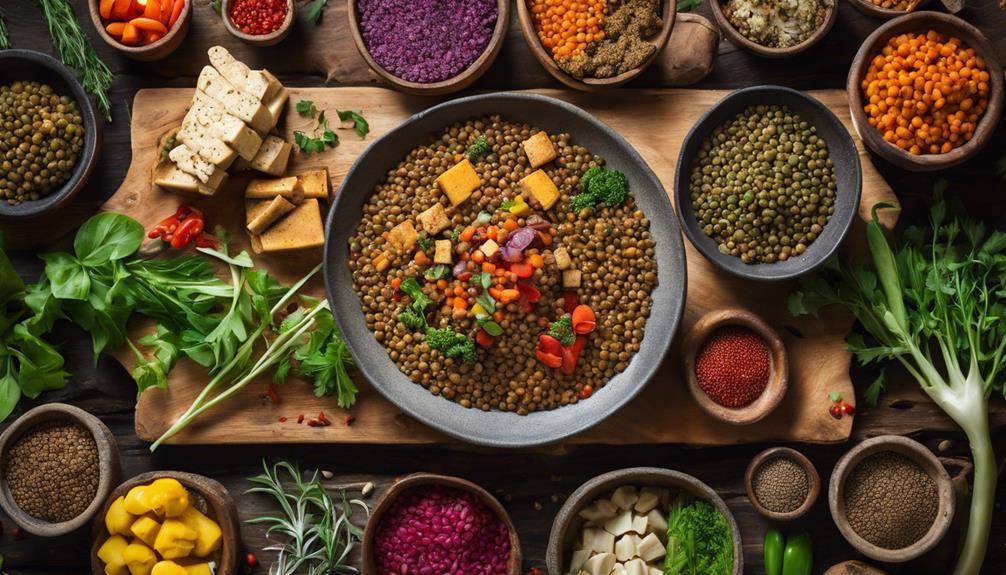
7 Best Vegan Meat Substitutes For Cooking Delights: If you're looking for the best vegan meat substitutes to spice up your meals, you can't go wrong with tofu, tempeh, and seitan. Tofu is super versatile, while tempeh offers a nutty flavor and firm texture. Don't forget jackfruit, which mimics pulled pork perfectly. Lentils and chickpeas pack a protein punch and can be used in stews or salads. Finally, mushrooms add depth and richness to any dish. These substitutes not only satisfy cravings but also bring creativity to your kitchen. Keep exploring, and you'll discover even more exciting options to enhance your plant-based cooking!
Tofu
Click Here and Turn Every Masterpiece into a Showstopper!
Tofu, often hailed as a staple in vegan cuisine, offers a versatile and protein-rich alternative to meat. When you explore the world of tofu, you'll discover various tofu varieties, each with unique textures and flavors that can elevate any dish. From silken tofu that's perfect for smoothies and desserts to firm and extra-firm tofu ideal for stir-fries and grilling, knowing which type to use is key to your tofu preparation success.
To get started, drain and press your tofu to remove excess moisture. This step enhances its ability to absorb flavors and improves texture. Depending on the dish, you can cut it into cubes, slices, or crumbles. Marinating is a great way to infuse flavors; soy sauce, garlic, and ginger work wonders. For a crispy exterior, toss your tofu in cornstarch before frying or baking.
Incorporating tofu into your meals can be both easy and delicious. You can stir-fry it with vegetables, add it to soups, or even blend it into creamy sauces. Each tofu preparation method can create a unique experience, from crispy and savory to silky and smooth. Experiment with different cooking techniques like grilling, sautéing, or scrambling to see what you enjoy most. With its adaptability and nutritional benefits, tofu is not just a meat substitute; it's a culinary canvas waiting for your creativity.
Tempeh
Tempeh is a fermented soybean product that stands out as a nutritious and hearty meat substitute in vegan diets. It's packed with protein, fiber, and essential nutrients, making it a fantastic choice for anyone looking to boost their plant-based meals. The process of tempeh fermentation not only enhances its nutritional profile but also gives it a unique, nutty flavor and a firm texture that can easily absorb various seasonings and marinades.
When you cook with tempeh, you'll find it incredibly versatile. You can slice it, crumble it, or cube it, depending on your tempeh recipes. For a quick and satisfying meal, try marinating it in soy sauce, garlic, and ginger before stir-frying it with your favorite vegetables. If you're in the mood for something heartier, you can grill or bake it, allowing the outer layer to crisp up while keeping the inside tender.
Tempeh is also an excellent addition to salads, tacos, and sandwiches, providing a filling and flavorful option that doesn't compromise on taste. Plus, because it's fermented, it's easier to digest than some other soy products, making it a great choice for those with sensitive stomachs.
Seitan
Seitan, often referred to as wheat meat or wheat gluten, is a popular choice for those craving a meat-like texture in their plant-based meals. Made from gluten, the protein found in wheat, seitan boasts a chewy, dense consistency that mimics the mouthfeel of meat quite effectively. You'll find this versatile ingredient can easily absorb flavors, making it a fantastic base for a variety of dishes.
When you're looking to whip up some delicious Seitan recipes, you can start by marinating it in your favorite sauces or spices. Whether you're aiming for a savory stir-fry, hearty stew, or barbecue dish, the seitan texture allows it to soak up all those wonderful flavors. Simply slice or cube your seitan, toss it in a marinade, and let it rest for a while to enhance the taste.
Cooking methods for seitan are nearly endless. You can grill, sauté, steam, or even bake it! Each method can bring out different aspects of the seitan texture, allowing you to experiment with various culinary techniques. For a classic approach, try pan-frying it with vegetables or adding it to your favorite pasta sauce.
If you're new to using seitan, start with pre-packaged varieties, which can be found in many grocery stores. As you become more comfortable, consider making your own from scratch. With the right approach, seitan can easily become a star player in your plant-based kitchen!
Jackfruit
Jackfruit's unique texture and mild flavor make it an excellent meat substitute for those looking to diversify their plant-based meals. This tropical fruit, with its fibrous flesh, mimics the texture of pulled pork, making it a favorite in many vegan recipes. You can find various jackfruit varieties, from young green jackfruit, ideal for savory dishes, to ripe jackfruit, which is sweet and perfect for desserts.
When cooking with jackfruit, you can experiment with countless jackfruit recipes. For a classic dish, try making BBQ pulled jackfruit sandwiches. Simply sauté the green jackfruit with onions, garlic, and your favorite BBQ sauce until it's tender and easily shredded. Serve it on a bun with coleslaw for a hearty meal that'll impress everyone at the table.
If you're in the mood for something different, consider a jackfruit curry. Combine young jackfruit with coconut milk, spices, and vegetables for a creamy and satisfying dish that's packed with flavor. You can also try jackfruit tacos – just season and sauté the jackfruit, then serve it in corn tortillas topped with avocado and fresh salsa.
No matter how you decide to use it, jackfruit is a versatile ingredient that can elevate your plant-based cooking. It's not just a meat substitute; it's a delicious addition that can enhance your meals while keeping them healthy and satisfying. So go ahead, explore the world of jackfruit and discover new favorites in your kitchen!
Click Here and Turn Every Masterpiece into a Showstopper!
Lentils
Lentils are packed with nutritional benefits, making them an excellent choice for your vegan meals. You'll also find that they're easy to cook and versatile in flavor pairings, allowing you to get creative in the kitchen. Let's explore how to make the most of this hearty ingredient!
Nutritional Benefits of Lentils
Packed with nutrients, lentils offer a powerhouse of health benefits that can enhance any vegan diet. These tiny legumes are a fantastic source of protein, making them an excellent substitute for meat. With a variety of lentil types—like green, red, and black—you can easily incorporate them into countless lentil recipes. Each variety brings unique flavors and textures to your meals.
Lentils are also rich in essential vitamins and minerals, including iron, folate, and magnesium. This nutrient profile supports energy production and overall well-being. Plus, they're high in dietary fiber, which aids digestion and keeps you feeling full longer.
Incorporating lentils into your meals not only boosts your nutritional intake but also provides heart-healthy benefits by helping to lower cholesterol levels. Their low glycemic index makes lentils a smart choice for maintaining stable blood sugar levels, too.
Cooking Tips and Techniques
When it comes to cooking lentils, knowing the right techniques can make all the difference in achieving the perfect texture and flavor. First, choose the right cooking method based on the type of lentils you're using. Green and brown lentils hold their shape well, making them great for salads or as a side. Red and yellow lentils cook down quickly, ideal for soups and stews.
Before cooking, rinse your lentils under cold water to remove any debris. For extra flavor, consider soaking them for a few hours, although this isn't necessary for smaller varieties. When it's time to cook, use three cups of water for every cup of lentils. Bring the mixture to a boil, then reduce to a simmer. Add vegan seasoning, such as garlic powder, cumin, or bay leaves, to enhance the taste.
Keep an eye on the cooking time; generally, it ranges from 15 to 30 minutes, depending on the type. Taste as you go to verify they're cooked to your liking. By mastering these cooking methods, you'll create delicious lentil dishes that can stand alone or complement your favorite meals.
Flavor Pairing Suggestions
Pairing lentils with the right flavors can elevate your dishes to a whole new level. Start by experimenting with various herb combinations. Fresh herbs like cilantro, parsley, and thyme can brighten up any lentil dish, adding a burst of freshness. If you prefer a more robust flavor, try rosemary or sage for a heartier touch.
When it comes to spice blends, don't hold back! Lentils are incredibly versatile and can handle bold flavors. A simple mix of cumin, coriander, and smoked paprika can transform your lentils into a fragrant delight. If you're in the mood for something with a kick, consider adding cayenne or chili powder.
For a Mediterranean twist, combine lentils with oregano, basil, and garlic. These flavors work beautifully in soups or salads. To create an Indian-inspired dish, mix in turmeric, garam masala, and ginger for a warm, complex profile.
Lastly, don't forget about acidity! A splash of lemon juice or a drizzle of balsamic vinegar can enhance the overall flavor. By pairing lentils with these herb combinations and spice blends, you'll create dishes that are not just satisfying but also bursting with flavor.
Chickpeas
Chickpeas are a versatile ingredient that can elevate your plant-based meals in countless ways. Packed with protein, fiber, and essential nutrients, they're not just nutritious; they also offer a delightful texture that can mimic meat in various dishes. If you're looking to boost your meals, chickpea benefits will impress you. They help with digestion, stabilize blood sugar, and even support heart health.
Incorporating chickpeas into your cooking is easy and fun. You can whip up a classic chickpea salad or a heartwarming chickpea stew. Want to impress your friends? Try making chickpea burgers. Just mash cooked chickpeas, mix them with breadcrumbs, spices, and your favorite veggies, then pan-fry or bake them to crispy perfection. The result is a satisfying meal that's both filling and flavorful.
Don't forget about chickpea recipes for snacks! Roasting chickpeas with olive oil and your choice of spices creates a crunchy, savory treat that's great for munching. You can even blend them into a creamy hummus, perfect for dipping veggies or spreading on sandwiches.
Mushrooms
Mushrooms are a powerhouse in the vegan diet, offering impressive nutritional benefits that can enhance your meals. Their versatility in cooking allows you to use them in various dishes, from stir-fries to hearty stews. Plus, with different flavor profiles and varieties, you'll find mushrooms can easily replace meat in your favorite recipes.
Nutritional Benefits of Mushrooms
When it comes to plant-based diets, mushrooms stand out as a powerhouse of nutrition. These versatile fungi come in various mushroom varieties, each packed with unique health benefits. Rich in essential vitamins and minerals, mushrooms provide a great source of B vitamins, including riboflavin and niacin, which support energy production and metabolism. You'll also find important minerals like selenium, copper, and potassium, all essential for maintaining overall health.
One of the remarkable aspects of mushrooms is their low calorie and fat content, making them an excellent choice for those looking to maintain a healthy weight. Their high fiber content helps promote digestive health, keeping you feeling full and satisfied.
Additionally, some mushroom varieties, like shiitake and maitake, contain compounds that may support immune function and even have antioxidant properties.
Incorporating mushrooms into your meals doesn't just enhance flavor but also boosts nutrition. Whether you're sautéing them, adding them to soups, or using them in mushroom cooking, these fungi can elevate your dishes while providing essential nutrients. So next time you're planning a meal, consider the nutritional benefits that mushrooms bring to the table.
Versatile Cooking Applications
Often overlooked, mushrooms can transform a wide range of dishes, making them a staple in versatile cooking applications. Their unique texture and ability to absorb flavors allow you to incorporate them into various meals, from hearty stews to elegant risottos. When you're looking for plant-based proteins, mushrooms stand out as a satisfying option that can mimic the heartiness of meat.
You can sauté, grill, or roast mushrooms to enhance their natural umami, creating a rich base for sauces or toppings. Try adding them to tacos, stir-fries, or even pizza for a delightful twist. Their adaptability means you can use them in cuisines from around the world, easily fitting into your favorite recipes.
Moreover, when you choose mushrooms, you're often supporting sustainable sourcing practices. They require less water and land than many traditional livestock options, making them an eco-friendly choice. So, whether you're whipping up a quick weeknight dinner or planning an elaborate feast, mushrooms offer endless possibilities. Embrace their versatility and discover how they can elevate your cooking, all while being mindful of your dietary choices and environmental impact.
Flavor Profiles and Varieties
Throughout culinary history, mushrooms have been celebrated for their diverse flavor profiles and unique varieties. When you're seeking to elevate your vegan dishes, mushrooms offer an abundance of options that can enhance both taste and texture.
From the earthy richness of shiitake to the delicate notes of enoki, each variety brings its own character. You'll find that portobello mushrooms, with their meaty texture, make a fantastic stand-in for burgers or steak. Meanwhile, oyster mushrooms can add a subtle sweetness and a delightful chewiness to stir-fries or tacos.
When you choose mushrooms, you're tapping into an incredible range of vegan flavoring. Their ability to absorb and complement spices and sauces makes them perfect for creating layered, complex dishes. Plus, the texture variations—ranging from the firm bite of a king oyster to the soft tenderness of a cremini—allow you to play with mouthfeel in your meals.
Click Here and Turn Every Masterpiece into a Showstopper!
Frequently Asked Questions: 7 Best Vegan Meat Substitutes For Cooking Delights
Are Vegan Meat Substitutes High in Protein?
Yes, vegan meat substitutes often provide excellent protein sources. They offer various nutritional benefits, including fiber and essential vitamins. By including them in your meals, you'll enjoy a balanced diet while meeting your protein needs.
How Do I Store Leftover Vegan Meat Substitutes?
To store leftover vegan meat substitutes, use airtight storage containers. If you want to freeze them, consider portioning them in smaller containers for easy access. Remember to label and date each container before freezing!
Can Kids Enjoy Vegan Meat Substitutes?
Absolutely, kids can enjoy vegan meat substitutes! They're packed with nutritional benefits and can be incorporated into kid-friendly recipes like tacos or burgers, making meals fun and healthy while introducing them to diverse flavors.
Are Vegan Meat Substitutes Gluten-Free?
Not all vegan meat substitutes are gluten-free. You'll need to check labels for gluten content. Many options offer great nutritional content and can be prepared using various cooking methods, ensuring delicious meals for everyone.
How Do I Enhance the Flavor of Vegan Meat Substitutes?
To enhance the flavor of vegan meat substitutes, experiment with various spice combinations and marinating techniques. You'll find that a good marinade can elevate the taste, making your dishes more delicious and satisfying.

Conclusion
Incorporating these vegan meat substitutes into your meals can elevate your cooking and satisfy your cravings. Whether you're using tofu's versatility, tempeh's hearty texture, or the unique flavor of jackfruit, there's a world of delicious possibilities waiting for you. Lentils and chickpeas offer protein-packed options, while mushrooms add depth to any dish. So, get creative in the kitchen and enjoy the delightful flavors and health benefits that these plant-based ingredients bring to your table!