
14 Amazing Ways For Crafting Flavorful Vegetarian Dishes
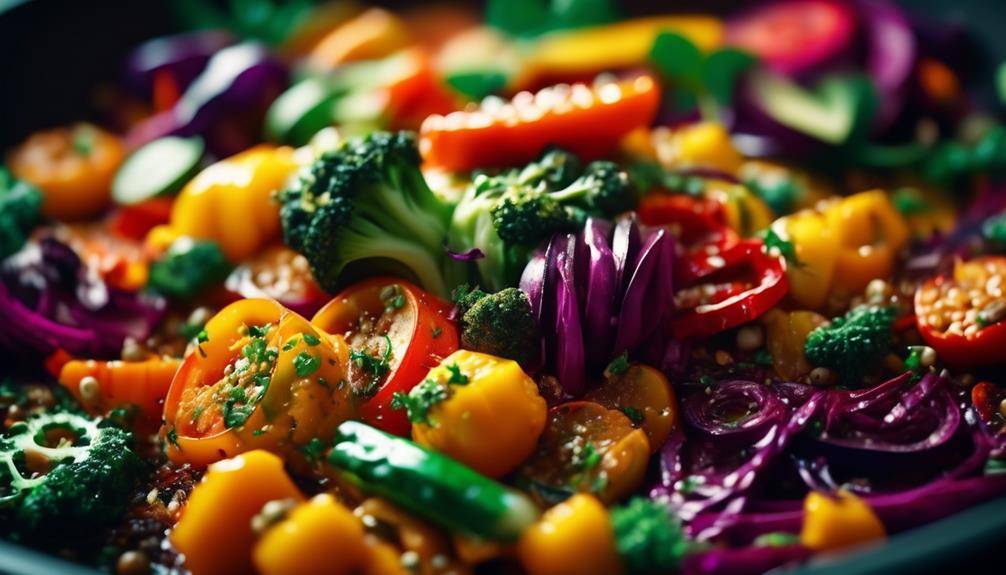
Ways For Crafting Flavorful Vegetarian Dishes; You might think that vegetarian dishes lack the flavor and depth that meat-based dishes offer. However, with these 14 tips, you’ll discover how to create mouthwatering vegetarian dishes that are bursting with flavor. From using fresh and seasonal ingredients to experimenting with different herbs and spices, these tips will take your vegetarian cooking to a whole new level. So, if you’re ready to elevate your culinary skills and impress even the most skeptical carnivores, keep on reading.
Use Fresh and Seasonal Ingredients
To create truly flavorful vegetarian dishes, it is essential that you embrace the use of fresh and seasonal ingredients. By adopting a farm-to-table approach and focusing on sustainability in vegetarian cooking, you can elevate your dishes to new heights.
Using fresh ingredients is the cornerstone of any successful vegetarian dish. When you buy produce straight from the farm, you ensure that it is at the peak of its flavor and nutritional value. This farm-to-table approach not only guarantees the freshest ingredients, but also supports local farmers and promotes sustainable agriculture. By choosing ingredients that are in season, you can take advantage of their natural flavors and textures, resulting in dishes that are bursting with taste.
Seasonality is key in vegetarian cooking. Each season brings a bounty of unique ingredients that can inspire your culinary creations. In the spring, embrace the vibrant greens of asparagus and peas. In the summer, revel in the sweetness of juicy tomatoes and colorful bell peppers. As autumn approaches, savor the earthy flavors of root vegetables like pumpkin and butternut squash. And in the winter, warm your soul with comforting dishes featuring hearty ingredients like kale and mushrooms.
Experiment With Different Herbs and Spices
Now that you have embraced the use of fresh and seasonal ingredients in your vegetarian dishes, it’s time to elevate your culinary creations by experimenting with different herbs and spices. Experimenting with different herbs and spices can elevate the flavor of vegetarian dishes in exciting ways, but it’s also important to consider other aspects such as texture and balancing flavors. By exploring a wide variety of herbs and spices, you can create unique and flavorful vegetarian dishes that will impress even the most discerning palates.
Herbs and spices are not only used to add flavor, but they can also enhance the texture and overall eating experience of a dish. For example, adding fresh basil to a tomato-based pasta dish can provide a burst of freshness and a pleasant aroma. Similarly, incorporating spices like cumin and coriander into a chickpea curry can add depth and complexity to the dish.
When experimenting with herbs and spices, it is important to consider the balance of flavors. Some herbs, like rosemary and thyme, have strong and distinctive flavors that can overpower other ingredients. It’s important to use these herbs sparingly and pair them with complementary flavors. On the other hand, milder herbs like parsley and chives can be used more generously to add a subtle freshness to your dishes.
In addition to herbs and spices, using homemade vegetable stock can add a rich and savory base to your vegetarian meals. Vegetable stock is easy to make and can be customized with your favorite flavors. Incorporating fermented ingredients like miso or kimchi can also add depth and complexity to your vegetarian dishes.
Incorporate Umami-Rich Ingredients
Ready to take your vegetarian dishes to the next level? Incorporating umami-rich ingredients is the secret to unlocking bold and savory flavors that will have your taste buds dancing. Two standout ingredients to explore are mushrooms and soy, both known for their ability to add depth and complexity to any dish. Get ready to experience the magic of mushrooms and the sensation of soy as you elevate your vegetarian cooking to new heights.
Mushroom Magic
Unlock the secret to mouthwatering vegetarian dishes by harnessing the power of mushrooms and incorporating umami-rich ingredients. When it comes to mushrooms, the possibilities are endless. From the earthy and meaty flavor of Portobello mushrooms to the delicate and nutty taste of shiitake mushrooms, there is a wide array of mushroom varieties to choose from. Each variety brings its own unique flavor profile to your dishes. To truly make the most of these mushrooms, it’s important to master different cooking techniques. Whether you’re sautéing, grilling, or roasting, each method enhances the umami taste of mushrooms. By experimenting with different mushroom varieties and cooking techniques, you can elevate your vegetarian dishes to the next level of deliciousness.
Soy Sensation
To infuse your vegetarian dishes with a burst of umami-rich flavor, embrace the soy sensation by incorporating a variety of savory ingredients. Soy substitutes, such as tofu and tempeh, are excellent alternatives to meat, providing a satisfying texture and absorbing flavors easily. These versatile ingredients can be marinated in soy-based marinades, enhancing their taste and adding depth to your dishes. For a quick and easy stir-fry, toss tofu cubes in a mixture of soy sauce, garlic, and ginger, then sauté with your favorite vegetables. The soy-based marinade will infuse the tofu with a savory punch, creating a delicious and satisfying meal.
Additionally, you can experiment with different soy-based sauces, such as miso or tamari, to add even more complexity to your vegetarian creations. So go ahead, indulge in the soy sensation and elevate your vegetarian dishes to new heights of flavor.
Get Creative With Plant-Based Proteins
Expand your culinary repertoire by exploring the endless possibilities of plant-based proteins. As a vegetarian or someone looking to reduce their meat consumption, you may be wondering how to incorporate more protein into your diet without relying solely on soy-based products. Fear not, for there are plenty of plant-based protein alternatives and creative protein substitutes that can add depth and flavor to your dishes. Let’s dive into the world of innovative plant-based proteins that will tantalize your taste buds and leave you feeling satisfied.
- Quinoa: This ancient grain is not only a great source of protein but also adds a delightful nutty flavor to your meals. Use it as a base for salads, stir-fries, or even as a stuffing for peppers and mushrooms.
- Chickpeas: These versatile legumes can be transformed into a variety of delicious dishes. Roast them for a crunchy snack, blend them into a creamy hummus, or use them as a main ingredient in vegan meatballs or falafel.
- Lentils: Packed with protein and fiber, lentils come in different varieties such as green, red, and black. They can be used to make hearty soups, flavorful curries, or even veggie burgers.
- Seitan: Made from wheat gluten, seitan is a popular meat substitute that has a chewy texture and absorbs flavors well. It can be marinated, grilled, or sautéed to create mouthwatering dishes like vegan barbecue ribs or stir-fried seitan with vegetables.
Try Different Cooking Techniques
When it comes to crafting flavorful vegetarian dishes, exploring different cooking techniques can take your plant-based proteins to new heights of deliciousness. Experimenting with different cooking techniques allows you to unlock a world of flavors and textures that can elevate your vegetarian dishes to a whole new level. One way to do this is by exploring international cuisines, which offer a wealth of cooking techniques that can infuse your dishes with unique and exciting flavors.
For example, you can try stir-frying your vegetables and tofu in a hot wok to create a deliciously charred and smoky taste. Or, you can opt for grilling your vegetables and plant-based proteins, which adds a delightful smokiness and enhances their natural sweetness. Another technique to consider is roasting, which can bring out the natural flavors and caramelization of your ingredients, resulting in a rich and savory taste.
Additionally, you can experiment with steaming your vegetables, which helps to retain their vibrant colors, nutrients, and crispness. Steaming also allows the flavors of your ingredients to shine through, creating a light and refreshing dish. Another technique worth exploring is marinating, which involves soaking your plant-based proteins in flavorful liquids or spices to infuse them with a burst of taste.
Don’t Skimp on the Fats
Boost the flavor and texture of your vegetarian dishes by incorporating healthy fats. Don’t be afraid to explore alternative fats and experiment with different ways to incorporate them into your meals. Here are some ideas to get you started:
- Avocado: This creamy, buttery fruit is not only delicious but also packed with healthy fats. Mash it up and spread it on toast, use it as a base for dressings and sauces, or simply slice it and add it to salads for a rich and satisfying taste.
- Coconut Milk: Rich and velvety, coconut milk adds a tropical twist to any dish. Use it in curries, soups, and stews for a luscious and creamy texture. It’s also a great base for smoothies and desserts, providing a unique flavor that can’t be replicated.
- Incorporating nuts and seeds: Nuts and seeds are not only a great source of healthy fats but also add a satisfying crunch to your dishes. Sprinkle toasted almonds or pumpkin seeds on top of salads or stir them into your morning oatmeal for an extra boost of flavor and texture.
- Olive Oil: A staple in Mediterranean cuisine, olive oil is not only delicious but also heart-healthy. Use it as a cooking oil, drizzle it over roasted vegetables, or mix it with vinegar and herbs for a flavorful salad dressing. Its rich taste will enhance the flavors of your dishes.
Add a Punch of Acidity
Looking to add an extra kick to your vegetarian dishes? Look no further than tangy citrus flavors, vinegar, and pickles. These acidic ingredients not only enhance the overall taste of your meals, but they also help to balance out the flavors and bring a bright, refreshing element to your plate. Whether you squeeze some fresh lemon juice over your roasted vegetables or incorporate pickled onions into your salad, adding a punch of acidity is sure to take your vegetarian dishes to the next level.
Tangy Citrus Flavors
To elevate the flavors of your vegetarian dishes, infuse them with the vibrant tang of citrus, adding a punch of acidity that will awaken your taste buds. Incorporating citrus fruit pairings and tangy marinades into your recipes will take your dishes to a whole new level. Imagine biting into a zesty lemon-infused tofu, the tanginess cutting through the richness of the dish, leaving a refreshing burst of flavor on your palate.
Or picture a colorful salad with juicy segments of oranges, their citrusy sweetness balancing out the crispness of the greens. And don’t forget the power of lime in a tangy marinade for grilled vegetables, where the acidity tenderizes and enhances their natural flavors. By harnessing the bright and tangy flavors of citrus fruits, you can create vegetarian dishes that are bursting with innovation and deliciousness.
Vinegar and Pickles
As you continue on your culinary journey, exploring the tangy citrus flavors that elevate vegetarian dishes, it’s time to dive into the world of vinegar and pickles, adding a punch of acidity that will truly awaken your taste buds. Vinegar is a versatile ingredient that not only enhances the taste of your dishes but also offers numerous health benefits. It can aid digestion, lower blood sugar levels, and even help with weight loss.
When it comes to pickles, the pickling techniques can vary, allowing you to experiment with different flavors and textures. Whether you prefer the tanginess of pickled cucumbers or the pungency of pickled onions, these additions can transform your vegetarian creations into culinary masterpieces. So, don’t be afraid to incorporate vinegar and pickles into your dishes and enjoy the delightful burst of acidity that they bring.
Balance Flavors With Sweetness
For a burst of sweetness that complements the savory flavors in your vegetarian dishes, consider incorporating natural sweeteners like maple syrup or honey. These natural sweeteners not only add a touch of sweetness, but they also bring depth and complexity to your dishes. Here are four ways you can balance flavors with sweetness in your vegetarian cooking:
- Roasted Vegetables with Maple Glaze: Drizzle maple syrup over roasted vegetables like carrots, sweet potatoes, and Brussels sprouts. The maple syrup caramelizes in the oven, creating a sticky and sweet glaze that perfectly balances the earthy flavors of the vegetables.
- Honey-Soy Tofu Stir-Fry: In a stir-fry, balance the saltiness of soy sauce with a touch of honey. The honey adds a subtle sweetness that complements the umami flavors of the tofu and vegetables. It creates a harmonious blend of flavors that will have your taste buds dancing.
- Fruit Salsa: Use fruits like mango, pineapple, or strawberries to create a vibrant and refreshing salsa. Chopped fruits mixed with lime juice, cilantro, and a hint of sweetness from agave nectar or honey add a burst of flavor to your vegetarian dishes. Serve it with grilled tofu or as a topping for tacos for a delightful twist.
- Sweet and Spicy Salad Dressing: Whip up a sweet and spicy dressing by combining honey, chili flakes, lime juice, and olive oil. Drizzle this dressing over a salad made with mixed greens, roasted vegetables, and some nuts or seeds for added crunch. The sweetness of the honey balances the heat from the chili flakes, creating a harmonious and flavorful dressing.
Layer Flavors for Depth
Enhance the complexity of your vegetarian dishes by layering flavors for depth. Building layers of flavors is a key technique to create dishes that are rich, satisfying, and bursting with taste. By using complementary ingredients and carefully combining different flavors, you can elevate your vegetarian dishes to a whole new level.
One way to layer flavors is by starting with a solid base. This could be a flavorful vegetable broth, a fragrant herb and spice blend, or even a homemade sauce. By building upon this foundation, you create a depth of taste that will make your dish stand out.
Next, consider incorporating contrasting flavors. For example, if you are making a roasted vegetable dish, add a touch of acidity with a squeeze of lemon or a splash of balsamic vinegar. This will balance out the sweetness of the vegetables and add a tangy note that will keep your taste buds intrigued.
Additionally, don’t be afraid to experiment with different textures. By adding crispiness or creaminess to your dish, you can create a delightful contrast that adds another layer of complexity. For example, sprinkle toasted nuts or seeds on top of a salad, or stir in a dollop of creamy yogurt into a spicy curry.
Finally, remember that the key to successful flavor layering is balance. Each ingredient should complement and enhance the others, rather than overpowering them. Taste as you go and adjust the seasonings accordingly to achieve the perfect harmony of flavors.
Incorporating these techniques into your vegetarian cooking will result in dishes that are not only flavorful, but also intriguing and satisfying. So go ahead and experiment with different combinations of ingredients, and let your creativity shine through as you build layers of flavors in your vegetarian dishes.
Don’t Forget About Texture
As you craft flavorful vegetarian dishes, don’t forget about texture – it’s an essential element that can elevate your culinary creations to new heights. Consider adding crunchy toppings and fillings to provide a satisfying bite and contrast to softer components. Experiment with creamy sauces and dips to add a smooth and velvety mouthfeel. Lastly, explore the world of textured vegetable proteins, which can mimic the chewiness of meat and add depth to your dishes. When you master the art of balancing flavors and textures, you’ll create vegetarian dishes that are truly unforgettable.
Crunchy Toppings and Fillings
To elevate your vegetarian dishes to new heights of flavor and texture, don’t overlook the importance of incorporating crunchy toppings and fillings. These delightful additions not only add a satisfying crunch, but they also bring a burst of flavor that complements your vegetarian creations perfectly. Here are four ideas to inspire your culinary creations:
- Toasted nuts and seeds: Sprinkle a handful of toasted almonds or pumpkin seeds on top of your salads or stir-fries for a satisfying crunch and a nutty flavor.
- Panko breadcrumbs: Use panko breadcrumbs to coat your vegetable patties or tofu, giving them a crispy exterior that contrasts with the soft texture inside.
- Crispy fried onions: Top your veggie burgers or rice bowls with a handful of crispy fried onions for a burst of savory flavor and a delightful crunch.
- Roasted chickpeas: Toss chickpeas with your favorite spices and roast them until they become golden and crispy. These little gems make a perfect protein-packed topping for salads or grain bowls.
With these crunchy toppings and fillings, your vegetarian dishes will not only be flavorful but also texturally satisfying, ensuring a memorable dining experience.
Creamy Sauces and Dips
Indulge your taste buds with luscious, creamy sauces and dips that add a delightful touch of texture to your vegetarian dishes. When it comes to creamy sauces and dips, there are plenty of options for those following a vegan lifestyle. You don’t have to miss out on the velvety, indulgent experience of creamy sauces and dips just because you don’t consume dairy. There are many delicious and innovative alternatives to traditional dairy products. For creamy vegan desserts, you can try using coconut milk or cashew cream as a base.
These ingredients lend a rich and creamy texture to your desserts without the need for dairy. When it comes to savory dishes, there are also vegan cheese alternatives available that can be used to create creamy sauces and dips. These alternatives are made from ingredients like nuts, nutritional yeast, and plant-based milks, and they can be just as satisfying as their dairy counterparts. So go ahead and experiment with different creamy sauces and dips to elevate the flavors and textures of your vegetarian dishes.
Textured Vegetable Proteins
Enhance the mouthfeel and add depth to your vegetarian dishes by incorporating textured vegetable proteins. These versatile plant-based proteins are a fantastic addition to any meatless meal. Here are some benefits of textured vegetable proteins and some tips on how to cook with them:
- Meaty Texture: Textured vegetable proteins have a chewy and meat-like texture that can mimic the mouthfeel of meat, making them a satisfying substitute in vegetarian dishes.
- Protein Powerhouse: These proteins are a great source of plant-based protein, making them perfect for those looking to increase their protein intake without consuming meat.
- Flavor Absorption: Textured vegetable proteins have the ability to absorb flavors, allowing them to take on the taste of the spices and seasonings you cook them with.
- Versatile Usage: Whether you use them in stir-fries, stews, or burgers, textured vegetable proteins can be easily incorporated into a variety of dishes.
To cook with textured vegetable proteins, simply rehydrate them in hot water or vegetable broth until they become soft and pliable. Then, season them with your desired flavors and incorporate them into your recipes. Enjoy the added texture and depth they bring to your vegetarian creations!
Use Homemade Vegetable Stock for Added Flavor
For an extra burst of flavor in your vegetarian dishes, consider incorporating your own homemade vegetable stock. Not only is homemade vegetable stock a great way to use up leftover vegetables, but it also serves as a flavor enhancer, adding depth and richness to your dishes. By making your own stock, you have control over the ingredients and can tailor it to your taste preferences.
To make homemade vegetable stock, start by collecting a variety of vegetables such as carrots, celery, onions, and mushrooms. These vegetables provide a solid base for your stock and add a savory, earthy flavor. You can also add herbs and spices like bay leaves, thyme, and black peppercorns to further enhance the taste.
The process of making vegetable stock is simple. Begin by sautéing the vegetables in a large pot until they are slightly browned and aromatic. Then, add water and bring the mixture to a boil. Reduce the heat and let it simmer for about an hour to extract all the flavors from the vegetables.
Once the stock is ready, strain it to remove all the solids, leaving behind a flavorful liquid. You can use the stock immediately or store it in the refrigerator for up to a week, or freeze it for future use.
Homemade vegetable stock can be used in a variety of vegetarian dishes such as soups, stews, risottos, and sauces. It adds a rich, umami flavor that elevates the overall taste of the dish. So next time you’re looking to enhance the flavor of your vegetarian meals, try incorporating your own homemade vegetable stock for a burst of homemade goodness.
Make Use of Fermented Ingredients
To infuse your vegetarian dishes with a unique and tangy twist, explore the world of fermented ingredients. Fermentation benefits not only your taste buds but also your gut health, making it a win-win situation. Incorporating fermented condiments into your cooking can elevate the flavors and take your vegetarian dishes to a whole new level. Here are four ideas to get you started:
- Kimchi: This traditional Korean dish is made by fermenting cabbage, radishes, and other vegetables with spices. The result is a spicy, tangy, and slightly sour condiment that adds a burst of flavor to any dish. Try adding kimchi to stir-fries, rice bowls, or even as a topping for tacos.
- Sauerkraut: Originating from Germany, sauerkraut is made by fermenting cabbage with salt. The fermentation process gives it a crisp texture and a tangy flavor that pairs well with sandwiches, salads, and even hot dogs. You can also use sauerkraut as a topping for veggie burgers or add it to your favorite Buddha bowl.
- Miso: This Japanese fermented soybean paste is rich in umami flavor and adds depth to any dish. Use miso to make a flavorful broth for soups, stir it into sauces and dressings, or even spread it on roasted vegetables for a savory glaze.
- Pickles: Pickling vegetables is another way to introduce fermented ingredients into your cooking. Whether you prefer dill pickles, bread and butter pickles, or spicy pickled jalapenos, these tangy treats can be used to enhance the flavor of salads, sandwiches, and wraps.
Don’t Be Afraid to Use Bold Flavors
Explore the vast array of bold flavors available to you and unleash your creativity in the kitchen. Don’t be afraid to experiment with bold flavor combinations and unexpected ingredient pairings. Vegetarian dishes can be bursting with exciting tastes that will satisfy even the most discerning palate.
When it comes to bold flavors, think outside the box. Consider combining smoky chipotle peppers with sweet mangoes, or tangy lime with creamy avocado. The possibilities are endless, and by trying new combinations, you can create unique and memorable dishes that will leave your guests wanting more.
Herbs and spices are your secret weapons in creating bold flavor profiles. Don’t hesitate to use aromatic spices such as cumin, coriander, and paprika to add depth and complexity to your dishes. Fresh herbs like basil, cilantro, and mint can bring a burst of freshness to any vegetarian creation.
Another way to add bold flavors to your vegetarian dishes is by incorporating fermented ingredients. Fermented foods like kimchi, sauerkraut, or miso paste can add a tangy and savory punch to your meals. They also provide a natural source of umami, which enhances the overall taste of your dishes.
Don’t limit yourself to traditional vegetarian ingredients. Explore global cuisines and draw inspiration from different cultures. For example, try using miso paste in a stir-fry or adding curry powder to your roasted vegetables. The key is to be open-minded and willing to experiment with new flavors.
Taste and Adjust Seasoning as You Go
As you embark on your vegetarian culinary journey, one crucial tip to keep in mind is to continuously taste and adjust the seasoning as you go. This is the key to creating dishes that are bursting with flavor and depth. By experimenting with different tastes and seasoning techniques, you can elevate your vegetarian dishes to new heights. Here are some tips to help you master the art of taste experimentation and seasoning:
- Start with a little: When adding seasoning to your dish, start with a small amount and gradually build up. This allows you to control the intensity of the flavors and avoid overpowering the dish.
- Balance the flavors: Pay attention to the balance of flavors in your dish. If it tastes too salty, add a squeeze of lemon juice or a touch of sweetness to counteract it. If it lacks depth, try adding a dash of umami-rich ingredients like soy sauce or miso paste.
- Layer the seasonings: Instead of adding all the seasonings at once, try layering them throughout the cooking process. This helps to build complexity and depth of flavor. For example, start with a base of onions and garlic, then add herbs and spices, and finish off with a touch of acidity or heat.
- Don’t be afraid to adjust: Your taste buds are the ultimate judge of your dish. If it doesn’t taste quite right, don’t be afraid to make adjustments. Add a little more salt, a pinch of spice, or a drizzle of oil until the flavors are perfectly balanced.
Frequently Asked Questions: Ways For Crafting Flavorful Vegetarian Dishes
How Do I Ensure That My Vegetarian Dishes Are Flavorful Without Using Meat?
You can ensure your vegetarian dishes are flavorful without using meat by exploring substitutes like tofu, tempeh, and mushrooms. These ingredients offer unique textures and flavors that can elevate your dishes to a whole new level.
What Are Some Creative Ways to Incorporate Umami Flavors Into Vegetarian Dishes?
To add umami flavors to vegetarian dishes, try using soy sauce, miso paste, or nutritional yeast. Get creative with flavor combinations by pairing mushrooms with truffle oil or adding sun-dried tomatoes to your recipes.
Can You Provide Some Examples of Plant-Based Proteins That Can Be Used in Vegetarian Dishes?
You can add a variety of plant-based proteins to your vegetarian dishes, such as tofu, tempeh, seitan, lentils, and chickpeas. These ingredients not only provide essential nutrients, but also bring delicious flavors to your meals.
What Are Some Cooking Techniques That Can Enhance the Flavors of Vegetarian Dishes?
To enhance the flavors of your vegetarian dishes, try grilling your vegetables for a smoky taste and marinating them in flavorful sauces to infuse them with deliciousness. These techniques can take your dishes to the next level of yum!
How Can I Add Depth and Complexity to the Flavors of My Vegetarian Dishes?
To add depth and complexity to your vegetarian dishes, experiment with spices and herbs to enhance flavors. Try grilling, roasting, or sautéing veggies for different textures. Get creative and let your taste buds lead the way!

Conclusion
Incorporating these tips into your vegetarian cooking will take your dishes to a whole new level of flavor and creativity. By using fresh and seasonal ingredients, experimenting with herbs and spices, and getting creative with plant-based proteins, you can create delicious and satisfying meals. Don’t be afraid to try different cooking techniques and use bold flavors to make your dishes truly stand out. Remember to taste and adjust seasoning as you go, and enjoy the journey of crafting flavorful vegetarian dishes.
If you enjoyed exploring this topic and want to dive even deeper, be sure to check out some of our other articles here on Infinite Flavors. From rich culinary histories to creative twists on classic recipes, there’s always something new to discover. Whether you’re curious about the origins of a dish, looking for fresh inspiration in the kitchen, or simply love learning about food culture, our collection of posts is the perfect next step on your flavor journey.
Amazing Beginner-Friendly Vegetarian Recipes Compilation
Simple Family Friendly Vegetarian Recipes Collection
8 Of The Best Techniques For Healthy Vegetarian Meal Preparation