7 Ways To Incorporate Spices In Everyday Meals
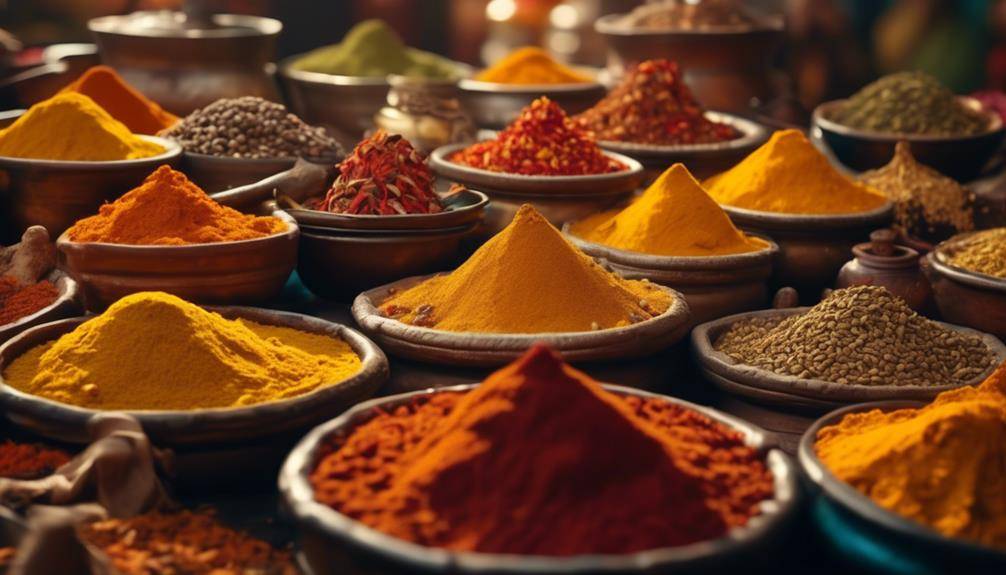
Ways To Incorporate Spices In Everyday Meals; You can easily transform your everyday meals into culinary masterpieces by incorporating spices in various ways. Start with homemade spice blends to enhance flavor, and spice up your breakfast with cinnamon or paprika. Don’t forget to create flavorful marinades for proteins and enhance sauces and dressings by balancing flavors. Add spices to soups for a warm, comforting touch, and experiment with creative baking by using nutmeg or ginger. Finally, explore global cuisines to find exciting flavor combinations. There’s so much more to discover that can elevate your cooking to a whole new level.
Start With Spice Blends
When you want to elevate your meals, spice blends are a fantastic place to start. They’re not just convenient; they add depth and flavor to your dishes without much effort. Instead of relying on pre-packaged blends that often contain preservatives, why not create your own homemade blends? This way, you can control the ingredients and customize the flavors to suit your taste.
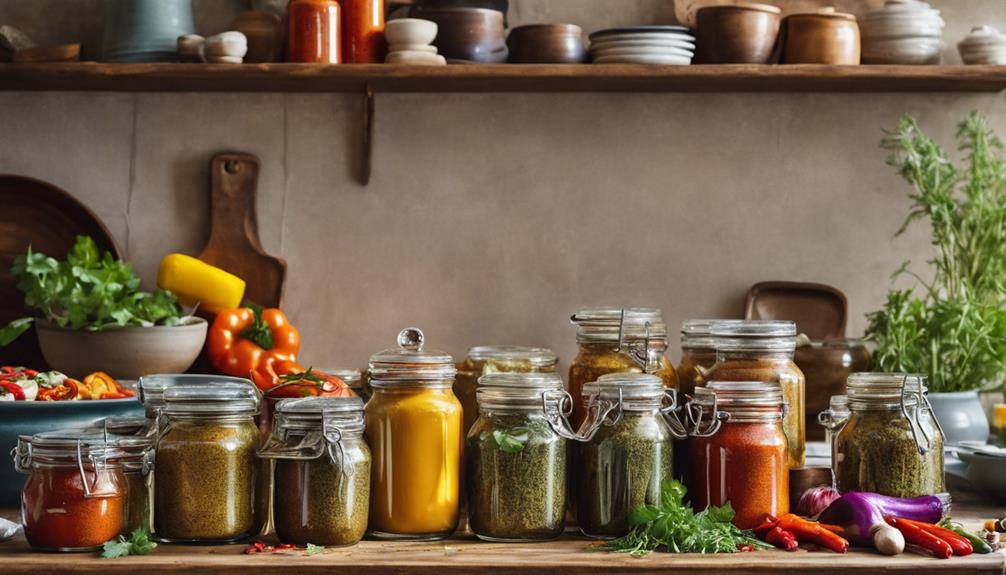
To make your spice blends, gather your favorite spices and experiment with different combinations. For instance, mix paprika, cumin, and garlic powder for a smoky kick, or combine basil, oregano, and thyme for an Italian flair. Once you’ve perfected your blends, proper spice storage becomes essential. Store your homemade blends in airtight containers, away from light and heat, to maintain their potency. Glass jars work great for visibility and longevity, while labels help you keep track of your creations.
Using homemade spice blends not only saves time during meal prep but also allows you to explore various cuisines. Sprinkle your blends over roasted vegetables, meats, or even grains for a flavor boost. You’ll be amazed at how a simple addition can transform a basic dish into something extraordinary. So, get creative with your spice combinations and enjoy the delicious results! The next time you’re in the kitchen, remember that a little spice can go a long way in making your meals memorable.
Spice Up Your Breakfast
Breakfast doesn’t have to be boring; a little spice can transform your morning routine. By incorporating various spice varieties, you can elevate your breakfast staples into something exciting and flavorful. Let’s explore some easy ways to add zing to your morning meals.
Start with your eggs. Whether you prefer them scrambled, poached, or fried, a pinch of smoked paprika or chili powder can add a delightful kick. If you’re making an omelet, consider adding fresh herbs like cilantro or basil, along with spices like cumin for an extra layer of flavor.
For those who enjoy oatmeal, instead of just sugar or honey, sprinkle in cinnamon or nutmeg. These spices not only enhance the taste but also provide health benefits. You can even add a dash of cardamom for a unique twist that’ll keep your taste buds guessing.
Smoothies are another breakfast staple that can benefit from spices. Try adding ginger or turmeric for a revitalizing, health-packed drink that wakes you up and keeps you energized throughout the day.
If you’re a fan of pancakes or waffles, don’t shy away from experimenting. A little vanilla extract combined with cinnamon can turn an ordinary stack into a gourmet treat.
Enhance Sauces and Dressings
Elevating your meals doesn’t stop at breakfast; sauces and dressings are perfect for adding depth and character to your dishes. You can easily transform a simple vinaigrette or marinara into something extraordinary by incorporating various spices. Start by reaching for your spice storage and select spices that complement your dish. For example, a pinch of smoked paprika can add a delightful smokiness to your barbecue sauce, while a dash of cumin can provide warmth to your taco dressing.
When crafting your sauces, keep in mind the art of flavor balancing. This means adjusting the spice levels to create a harmonious blend. If you’re using heat-inducing spices like chili powder, balance their intensity with a touch of sweetness from honey or maple syrup. Similarly, if you’re adding herbs like basil or oregano, combine them with a touch of acidity, such as lemon juice or vinegar, to brighten the overall flavor.
Don’t hesitate to experiment! A dash of coriander can elevate your creamy dressings, while turmeric adds a vibrant hue and earthy flavor to sauces. Just remember to start with a small amount; it’s easier to add more than to tone down an overpowering spice.
As you explore and refine your sauces and dressings, you’ll discover new dimensions of taste that can elevate your meals, making each bite a delightful experience. So, grab those spices and let your culinary creativity shine!
Flavorful Marinades for Proteins
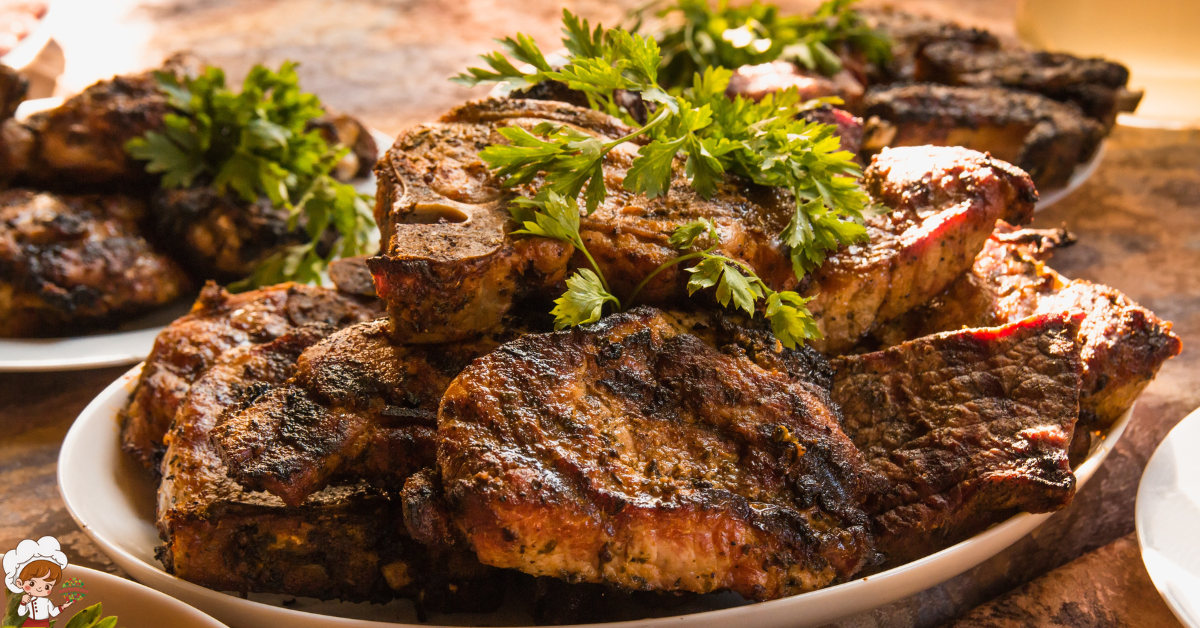
Your proteins deserve a delicious marinade that infuses them with flavor and enhances their natural taste. Whether you’re working with chicken, beef, or tofu, using the right herb combinations and spices can completely transform your meal. Start by selecting a protein type; each has its own ideal flavor profiles and marinating times. For instance, chicken benefits from a citrusy marinade, while beef pairs well with rich, savory notes.
When crafting your marinade, pay attention to the acid balance. Ingredients like vinegar, citrus juice, or yogurt not only tenderize proteins but also add depth. Combine those with your chosen herbs and spices, adjusting the ingredient ratios for desired spice intensity. A good rule of thumb is to aim for a 3:1 ratio of oil to acid to achieve the perfect consistency.
Utilize various marinating techniques, such as soaking or massaging the marinade into the protein. For tougher cuts, longer marinating times—at least 4 hours or overnight—are beneficial. Conversely, delicate proteins like fish only need about 30 minutes.
Consider how different cooking methods can highlight your marinade’s flavor. Grilling can create delightful texture contrasts, while baking may retain moisture. Regardless of the method, letting the marinade work its magic will elevate your proteins, ensuring every bite is packed with flavor. So next time you prepare a meal, don’t skip this essential step; your taste buds will thank you!
Incorporate Spices in Soups
After marinating proteins to perfection, it’s time to explore how spices can elevate your soups. Soups offer a fantastic canvas for seasoning, allowing you to experiment with various soup bases like chicken, vegetable, or even miso broth. The right spices can transform a simple broth into a comforting bowl of flavor.
Start by choosing your soup base. If you’re using a chicken broth, consider adding thyme, rosemary, or a pinch of cayenne for warmth. For vegetable soup, turmeric and cumin can add depth, while a dash of smoked paprika introduces a smoky richness. The key is to build layers of flavor with your spices.
When you’re ready to season, think about timing. Adding spices early in the cooking process allows their flavors to meld into the broth, creating a harmonious taste. For a burst of freshness, finish with herbs like parsley or cilantro right before serving. Experiment with seasoning techniques like toasting whole spices in a dry pan to release their essential oils, or grinding them fresh for maximum potency.
Don’t forget about balance. If you find your soup too salty, a sprinkle of sugar or a splash of vinegar can help counteract that. Always taste as you go, adjusting the spices to your liking. With these tips, you’ll turn ordinary soups into extraordinary meals, making every spoonful a delightful experience.
Creative Use in Baking
Many home bakers overlook the potential of spices, but they can truly transform your baked goods into something special. By understanding their flavor profiles and origins, you can elevate your recipes with just a pinch. For instance, cinnamon and nutmeg are seasonal spices that add warmth to your cakes and cookies, while cardamom can create a unique twist in muffins or breads.
When it comes to spice storage, keep your spices in airtight containers, away from heat and light, to maintain their potency. This guarantees you’re using the freshest flavors in your baking. Measurement tips are essential as well; start with small amounts, since spices can easily overwhelm a dish.
You can also experiment with baking techniques that incorporate spices for aroma enhancement. Infusing your butter or sugar with spices like vanilla or ginger can add depth to your desserts. Think about texture contrasts, too; a sprinkle of crushed cardamom in a soft cake can provide an unexpected crunch.
Don’t forget the health benefits of spices! Ginger can aid digestion, while turmeric is known for its anti-inflammatory properties. If you find yourself out of a spice, consider spice substitutions. For example, if you lack allspice, a mix of cinnamon and nutmeg can work wonders.
Incorporating spices into your baking isn’t just about flavor; it’s about creating an experience that delights the senses. So, go ahead—get creative with your spice cabinet!
Experiment With Global Cuisines
If you want to elevate your meals, experimenting with global cuisines is a fantastic way to start. Try exploring regional dishes from different cultures, and don’t hesitate to mix and match spice pairing techniques. You can also get creative by crafting fusion recipes that combine flavors and traditions from around the world.
Explore Regional Dishes
Exploring regional dishes opens up a world of flavors and aromas that can transform your meals into culinary adventures. By delving into various cultural flavor profiles, you’ll discover how different regions use spices to create unique dishes that reflect their heritage. Each region boasts its own spice traditions, offering a rich tapestry of tastes that can elevate your everyday cooking.
For instance, you might try making a spicy Thai curry that highlights the bold flavors of lemongrass, galangal, and kaffir lime leaves. Alternatively, a Moroccan tagine can introduce you to the warm notes of cinnamon, cumin, and saffron, showcasing how regional spice traditions create depth in flavor.
Don’t hesitate to experiment with Indian cuisine, where spices like turmeric, coriander, and cardamom come together to form a symphony of tastes. Or, explore the vibrant flavors of Latin America, where chili peppers, cilantro, and lime create delicious, zesty dishes.
Incorporating these diverse regional spices into your meals not only enhances their taste but also allows you to initiate a global culinary journey right in your kitchen. So, get ready to savor the world through your cooking!
Spice Pairing Techniques
When it comes to spice pairing techniques, creativity is your best ally in the kitchen. To elevate your dishes, start by understanding the spice intensity of various seasonings. Some spices, like cayenne, pack a punch, while others, such as cinnamon, offer a milder warmth. Experimenting with different flavor profiles can lead to surprising combinations that highlight your meals.
Consider the traditional uses of spices from various culinary traditions. For instance, pair cumin with coriander to create a beautiful seasoning balance, or combine garlic with rosemary for a classic Mediterranean flavor. Don’t forget the health benefits; turmeric and ginger not only add warmth but also offer anti-inflammatory properties.
Seasonal spices can also enhance your dishes, so keep an eye on what’s fresh. As you taste test different combinations, pay attention to spice symbolism in various cultures. This can deepen your appreciation for the flavors you’re incorporating. Remember to store your spices properly to maintain their potency, and don’t hesitate to adjust your pairings as you discover what works best for your palate. With practice, you’ll find just the right blend that brings your meals to life.
Fusion Recipe Ideas
Mixing culinary traditions can lead to some truly exciting fusion recipes that tantalize your taste buds. Start by exploring the spice history of different cultures. For instance, combine Indian spices like cumin and turmeric with traditional Italian pasta dishes. Imagine a creamy turmeric fettuccine topped with roasted vegetables and a hint of garam masala.
Another idea is to blend Mexican and Asian flavors. Try making a kimchi quesadilla, where you fill tortillas with cheese, kimchi, and a sprinkle of cilantro. This spicy twist brings a unique kick to a classic dish.
When experimenting, proper spice storage is essential. Keep your spices in airtight containers in a cool, dark place to preserve their flavors. This way, you’ll always have fresh spices on hand for your fusion experiments.
Don’t forget about dessert! Consider a chai-spiced chocolate mousse, where the warm flavors of cardamom and cinnamon elevate the richness of chocolate.
Frequently Asked Questions: Ways To Incorporate Spices In Everyday Meals
How Do I Store Spices for Maximum Freshness?
To maximize spice longevity, store them in airtight containers, away from light and moisture. Keep them in a cool, dark place like a pantry. Regularly check for freshness, and toss any that lose potency.
Can Spices Expire, and How Can I Tell?
Yes, spices can expire. You’ll notice changes in spice potency indicators like aroma and color. Generally, spices have a shelf life of 1-3 years, so check them regularly for freshness and potency before using.
What Are the Health Benefits of Using Spices?
Using spices offers numerous health benefits. They’re packed with antioxidants and have anti-inflammatory properties, which can boost your immune system. Incorporating these spices into your meals can enhance both flavor and your overall well-being.
Are There Spices That Can Replace Salt in Recipes?
Yes, several spices can replace salt in recipes, providing flavor enhancement without the sodium. Try garlic powder, onion powder, or smoked paprika as salt alternatives to elevate your dishes while keeping them healthier and delicious.
How Do I Know Which Spices Pair Well Together?
To know which spices pair well together, consider their flavor profiles. Use spice pairing guidelines, like matching warm spices with savory ones or contrasting sweet ones with spicy, to create balanced and delicious combinations in your dishes.

Conclusion
Incorporating spices into your everyday meals can transform your cooking and elevate flavors. By starting with spice blends, spicing up breakfast, enhancing sauces, and experimenting with global cuisines, you’ll discover new tastes and aromas that excite your palate. Don’t forget to try spices in marinades, soups, and even baking to add depth to your dishes. So, get creative and have fun with spices—your taste buds will thank you for the adventure!
If you enjoyed exploring this topic and want to dive even deeper, be sure to check out some of our other articles here on Infinite Flavors. From rich culinary histories to creative twists on classic recipes, there’s always something new to discover. Whether you’re curious about the origins of a dish, looking for fresh inspiration in the kitchen, or simply love learning about food culture, our collection of posts is the perfect next step on your flavor journey.
Top 15 Spices For Authentic Mexican Cuisine
What Are The Important Basics Of Cooking With Spices
14 Great Tips To Convert Meat Recipes Into Vegetarian Delights