What Are The Important Basics Of Cooking With Spices
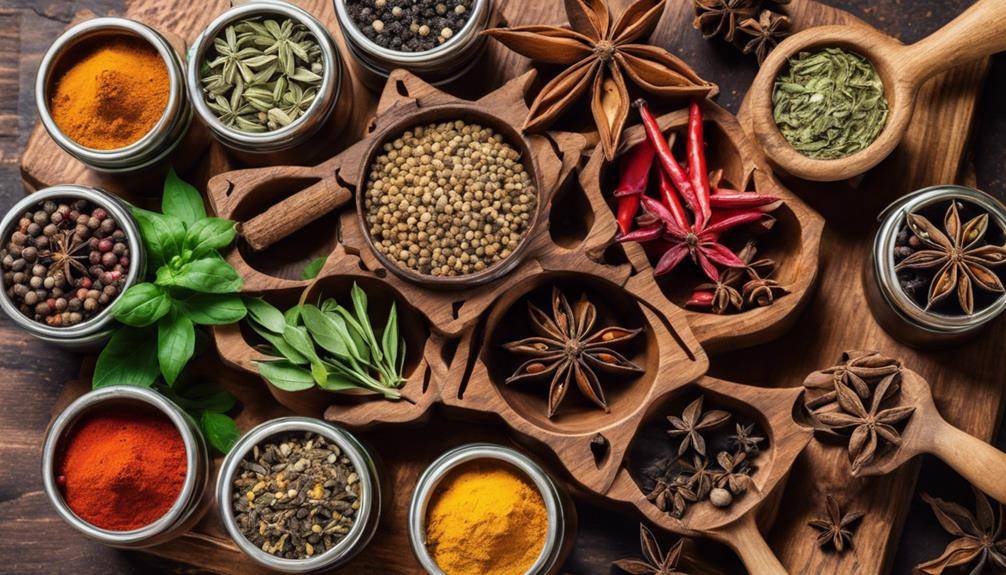
The Important Basics Of Cooking With Spices; Cooking with spices is all about flavor. Start by understanding the difference between herbs and spices. Herbs come from green parts of plants, while spices come from seeds or roots. Experiment with spice combinations, like cumin with coriander, to create unique dishes. Remember to add spices at the right times—early for depth and late for freshness. Store them properly in cool, dark places to keep them potent. Always start with small amounts to avoid overpowering your dish. Mastering these basics can enhance your cooking and make it more enjoyable. There’s plenty more to explore on this flavorful journey!
Understanding Spice Types
When you immerse yourself in the world of cooking, understanding spice types is essential for elevating your dishes. Knowing the differences between herbs, spices, and their origins helps you make informed choices that enhance flavor and aroma. Herbs typically come from the leafy green parts of plants, like basil and parsley, while spices come from seeds, roots, or bark, such as cumin and cinnamon.
Familiarizing yourself with these categories allows you to experiment confidently in the kitchen. You can create unique herb combinations that complement your main ingredients beautifully. For instance, mixing oregano, thyme, and rosemary can add depth to roasted meats, while a blend of cilantro and mint can brighten up a fresh salad.
Additionally, understanding spice origins is vital for mastering flavor profiles. Different regions produce spices with distinct characteristics. For example, Indian spices like turmeric and cardamom offer vibrant, warm flavors, while Mediterranean spices such as paprika and dill provide a milder, earthy taste.
Flavor Profiles of Common Spices
Flavor is the heart of cooking, and understanding the profiles of common spices can transform your meals. Each spice brings its own unique flavor, which can enhance or dominate a dish depending on how you use it. For instance, cumin has a warm, earthy profile that works beautifully in savory dishes, while coriander offers a bright, citrusy note that lightens up heavier flavors.
When you think about spice pairings, consider how different spices complement each other. For example, combining paprika’s smoky sweetness with the heat of cayenne can create a balanced flavor that elevates your dishes. Similarly, blending garlic powder with onion powder gives you a robust foundation for countless recipes.
Flavor balancing is essential in cooking, and understanding the profiles of spices plays a significant role in achieving that balance. If you’re using a spice that’s particularly strong, like cloves, pair it with milder spices like cinnamon to create a harmonious blend. This way, you guarantee that no single flavor overwhelms your dish.
Don’t forget about herbs, either! Fresh basil has a sweet, peppery profile that pairs well with the warmth of black pepper or the complexity of oregano. As you experiment with these common spices, keep in mind how their profiles interact. Your ability to balance flavors and create harmonious spice pairings will ultimately lead to more delicious and memorable meals.
Tips for Using Spices Effectively
Using spices effectively can elevate your cooking to new heights, transforming ordinary dishes into unforgettable meals. To get started, it’s essential to understand spice combinations. Some spices complement each other beautifully and can create depth in your dishes. For instance, mixing cumin and coriander brings out a warm, earthy flavor, while pairing basil with oregano offers a classic Italian touch. Don’t be afraid to experiment; just keep a few reliable combinations in mind as you explore.
Next, focus on spice measurements. It’s easy to overdo it, especially with potent spices like cayenne or cloves. A good rule of thumb is to start with a small amount—about a quarter teaspoon for a single serving—and adjust according to your taste. Remember, you can always add more, but it’s hard to fix a dish that’s too spicy or overly seasoned.
Also, consider the timing of when you add your spices. Some spices, like garlic powder or dried herbs, benefit from being added early in the cooking process to release their flavors. Others, like fresh herbs or citrus zest, shine when added just before serving.
Lastly, keep your spices fresh. Store them in a cool, dark place, and regularly check for expiration. Fresh spices pack more flavor, making your dishes taste better. With these tips in mind, you’ll be well on your way to mastering the art of using spices effectively in your cooking!
Best Cooking Techniques With Spices
Cooking with spices involves various techniques that can greatly enhance your dishes. One effective method is to create and use spice blends. By combining spices, you can develop flavors that are deeper and more complex than individual spices alone. For example, mixing cumin, coriander, and paprika can give your dishes a warm, smoky flavor profile. Experiment with different proportions to find what works best for you.
Another technique is to infuse cooking oils with spices. Heat your favorite cooking oil, like olive or coconut oil, and add spices such as garlic, rosemary, or chili flakes. Let the mixture steep for a few minutes to allow the flavors to meld, then use this infused oil in your cooking. This method not only adds flavor but also allows you to control the intensity of the spice in your dishes.
To further enhance the taste, consider toasting whole spices before using them. By lightly roasting spices in a dry pan, you’ll reveal their essential oils, resulting in a more pronounced flavor. Just remember to watch them closely, as they can burn quickly.
You can also add spices at different cooking stages. For instance, incorporating them early on can build a base flavor, while adding them toward the end can give a fresh burst. With these techniques, you’ll find that cooking with spices becomes an enjoyable and rewarding experience, allowing you to elevate any meal you prepare.
Storing and Preserving Spices
After mastering various cooking techniques with spices, understanding how to store and preserve them is key to maintaining their potency and flavor. Proper storage can greatly affect spice longevity, ensuring that you keep your spices vibrant and aromatic for as long as possible.
Start by choosing the right containers. Glass jars with tight-sealing lids are ideal, as they protect against moisture and air exposure. Avoid plastic containers, as they can absorb odors and may not provide the same airtight seal. Store your spices in a cool, dark place, away from direct sunlight and heat sources like stoves or ovens, which can degrade their quality.
Label your containers with the purchase date to keep track of freshness. Most ground spices last about 6 months to a year, while whole spices can last up to 4 years. Regularly check your spices for signs of fading color or loss of aroma, as these are indicators that they may have lost their flavor potency.
When it comes to best storage, think about your cooking habits. If you frequently use certain spices, keep them within easy reach, but still protected from light and heat. For long-term preservation, consider vacuum-sealing spices or using airtight containers specifically designed for spices.
Frequently Asked Questions: The Important Basics Of Cooking With Spices
Can I Combine Different Spices in One Dish?
Absolutely, you can combine different spices in one dish! Experiment with spice pairings to enhance flavor profiles. Just be mindful of balance; some spices are stronger than others, so adjust accordingly to create a harmonious dish.
How Do I Know if Spices Are Fresh?
You can tell if spices are fresh by checking their color, aroma, and texture. Proper spice storage extends their shelf life, so keep them in airtight containers away from light and humidity for best results.
Are There Any Spices That Should Never Be Combined?
You shouldn’t worry too much about spice compatibility, but some combinations can clash. Aim for a flavor balance; for instance, avoid mixing strong spices like cumin with delicate ones like dill, as it can overpower the dish.
What Are the Health Benefits of Using Spices?
Using spices boosts your meals’ health benefits. They offer antioxidant properties, enhance digestive health, and provide flavor enhancement. Plus, many spices have anti-inflammatory effects, supporting overall wellness while keeping your dishes deliciously vibrant.
How Do Spices Affect Cooking Times?
Spices can greatly affect cooking times, as their potency and extraction vary. When you add spices early, they release flavors gradually; adding them later can intensify dishes, enhancing taste without prolonging overall cooking times.

Conclusion
Cooking with spices opens up a world of flavor and creativity in your kitchen. By understanding the different types and their unique profiles, you can elevate any dish. Remember to use spices effectively—experimenting with techniques like toasting or blending can enhance their impact. And don’t forget about proper storage to keep them fresh. With these basics, you’re ready to explore and transform your meals into vibrant culinary experiences. Happy cooking!
If you enjoyed exploring this topic and want to dive even deeper, be sure to check out some of our other articles here on Infinite Flavors. From rich culinary histories to creative twists on classic recipes, there’s always something new to discover. Whether you’re curious about the origins of a dish, looking for fresh inspiration in the kitchen, or simply love learning about food culture, our collection of posts is the perfect next step on your flavor journey.
14 Great Tips To Convert Meat Recipes Into Vegetarian Delights
Six Great Tips For Cooking Seasonal Vegetarian Dishes
Why Is Vegetarian Meal Prep So Easy