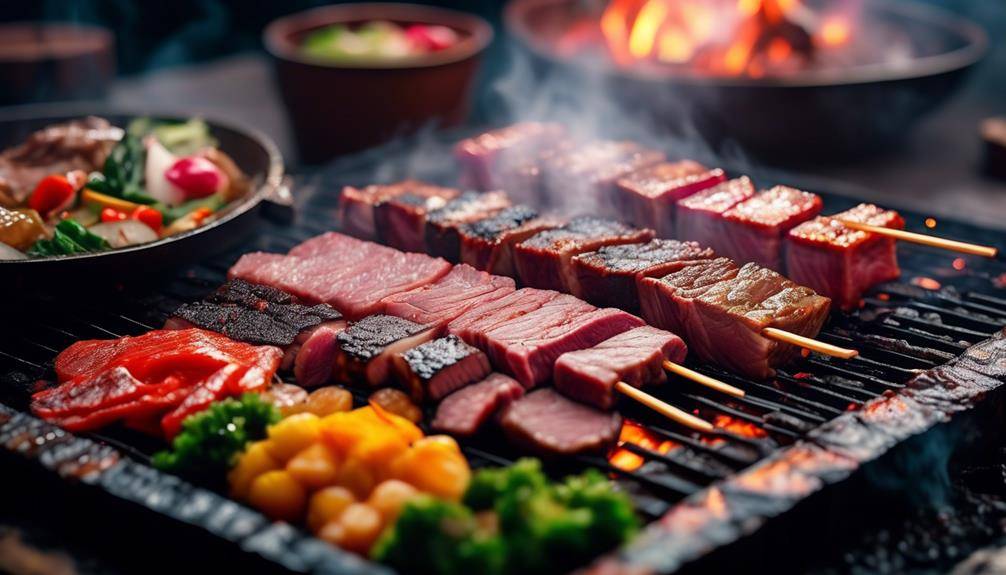
Peruvian Cuisine A Fusion Of Amazing Influences
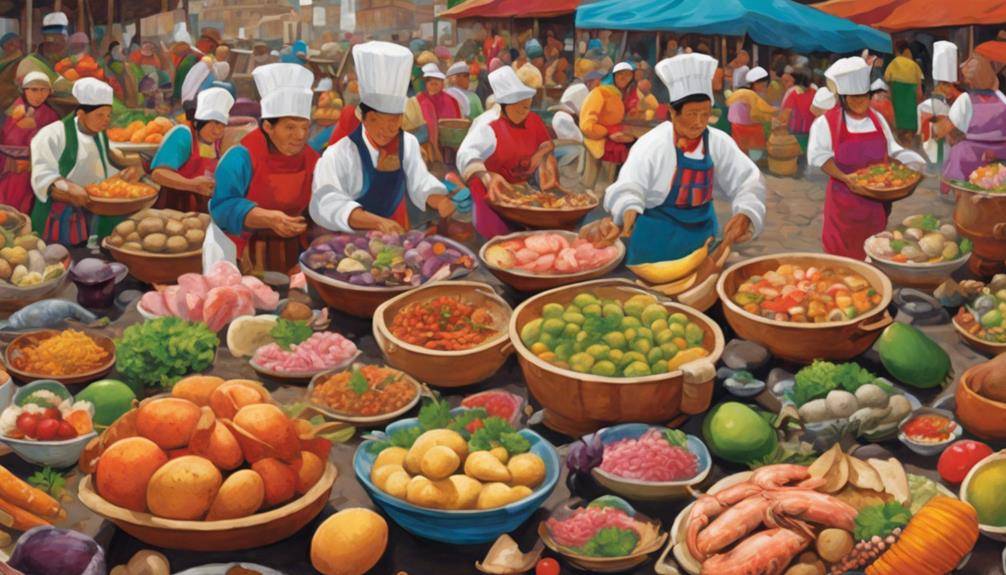
Peruvian Cuisine A Fusion Of Amazing; Peruvian cuisine is a vibrant fusion of influences due to its rich history and diverse cultures. You’ll notice indigenous ingredients like potatoes and corn, blended with Spanish flavors brought during colonization. African culinary traditions added depth through unique cooking techniques and spices. Later, Asian immigrants introduced new flavors, enhancing the culinary landscape even further. This adaptability and innovation have resulted in iconic dishes that reflect the country’s complex heritage. Every bite tells a story of resilience and cultural exchange, encouraging you to explore the fascinating journey of Peruvian food even more.
Historical Background of Peru
Peru’s rich history is a tapestry woven from diverse cultures and civilizations. As you explore this fascinating land, you’ll discover how ancient civilizations like the Incas, Moche, and Nazcas have shaped its culinary traditions. These societies thrived, thanks to their sophisticated agricultural practices and the ability to adapt to the country’s geographic diversity, which ranges from coastal deserts to highland mountains and Amazonian jungles.
You’ll find that the cultural resilience of Peruvians has allowed them to maintain their culinary heritage while integrating influences from Spanish colonization and other immigrant groups. This fusion has resulted in a vibrant food scene, marked by regional variations that reflect local ingredients and customs. For instance, in the Andes, you’ll encounter hearty dishes that utilize potatoes and grains, while on the coast, seafood takes center stage, showcasing the bounty of the Pacific Ocean.
Food symbolism plays an essential role in Peruvian culture, often representing community, celebration, and identity. As you savor traditional dishes, you’ll notice how each ingredient tells a story of the land and its people. From the use of chili peppers to the preparation of ceviche, every meal is a reflection of Peru’s complex history and cultural influences.
Indigenous Ingredients and Techniques
At the heart of Peruvian cuisine lies a treasure trove of indigenous ingredients and techniques that have been passed down through generations. You’ll discover that the foundation of this culinary tradition is rooted in Andean agriculture, which has provided a diverse array of crops that thrive in the region’s unique climate. Potatoes, quinoa, and corn are just a few staples that have shaped the flavors and textures of Peruvian dishes.
When you investigate traditional cooking methods, you’ll find that they reflect a deep respect for these ingredients. For instance, the practice of using a clay oven, known as a “huatia,” allows for slow roasting of meats and vegetables, infusing them with rich, earthy flavors. Techniques like steaming food in banana leaves or cooking with hot stones, known as “pachamanca,” highlight the ingenuity of indigenous people in harnessing natural resources.
As you explore Peruvian cuisine, you’ll notice how these indigenous practices influence modern chefs. They embrace ancient methods while incorporating local ingredients, creating dishes that tell a story of cultural heritage and innovation. The emphasis on using fresh, seasonal produce not only enhances the flavors but also supports sustainable agriculture.
In essence, the indigenous ingredients and techniques at the core of Peruvian cuisine are not just about sustenance; they’re a celebration of identity, history, and the land itself. Embracing these elements allows you to truly appreciate the richness of Peru’s culinary landscape.
Spanish Colonial Influence
As you explore the Spanish colonial influence on Peruvian cuisine, you’ll uncover a rich historical context that shaped the country’s food traditions. Spanish settlers introduced new ingredients and cooking techniques that blended with indigenous practices, creating a unique culinary landscape. This cultural exchange not only transformed local dishes but also highlighted the resilience and adaptability of Peruvian cuisine.
Historical Context Overview
How did Spanish colonial rule shape the culinary landscape of Peru? When the Spanish arrived in the 16th century, they brought with them not just their culture but also their culinary practices. This interaction led to a significant transformation in Peru’s food scene. You’ll notice that many traditional Andean dishes absorbed Spanish influences, creating a rich tapestry of flavors and techniques.
Spanish settlers introduced ingredients like rice, wheat, and various meats, which blended seamlessly with local produce. This fusion resulted in culinary diversity that reflected both indigenous and European elements. You can see how traditional foods, like the Andean potato, found new life alongside Spanish stews and sauces.
The Spanish also implemented agricultural practices that enhanced food production, allowing the fusion of Andean traditions with European methods. This melding of cultures didn’t just expand the menu; it also enriched the culinary heritage of Peru. As you explore Peruvian cuisine, you’ll recognize how this historical context laid the groundwork for the vibrant, diverse dishes that continue to evolve today, making it a unique gastronomic destination.
Ingredients and Techniques
The blending of Spanish and indigenous culinary practices introduced a variety of ingredients and techniques that reshaped Peruvian cooking. You’ll notice that staples like potatoes and corn, rooted in indigenous traditions, merged with Spanish elements such as rice, garlic, and onions. This combination opened up new avenues for ingredient sourcing, allowing chefs to experiment with both local and imported goods.
Spanish colonial influence brought about distinct cooking methods as well. Techniques like sautéing and frying became common, enhancing the flavors of indigenous ingredients. You might find that these methods contribute to the unique textures and tastes of dishes like ají de gallina or lomo saltado.
Moreover, the introduction of spices such as cumin and paprika added depth to traditional recipes, creating a more complex flavor profile. This fusion not only reflects the historical context but also showcases how adaptability and creativity in ingredient sourcing can lead to a vibrant culinary landscape. As you explore Peruvian cuisine, you’ll see how these Spanish influences have not only enriched the cooking methods but also shaped the identity of the dishes you enjoy today.
Cultural Exchange Impact
Cultural exchange during the Spanish colonial period greatly transformed Peruvian cuisine. When the Spanish arrived, they brought new ingredients and cooking techniques that merged with indigenous practices. You can see this cultural hybridity in dishes like ceviche, which fuses fresh fish with citrus and spices, reflecting both European and local influences.
The introduction of ingredients such as rice, chicken, and spices like saffron enriched the existing culinary landscape. This blending didn’t just create new flavors; it also served as a form of culinary diplomacy. By sharing and adapting food traditions, both Spanish colonizers and indigenous peoples developed a unique gastronomic identity that still resonates today.
You’ll notice how traditional Peruvian dishes often feature a balance of indigenous and Spanish elements, showcasing the impact of this exchange. The result is a vibrant cuisine that tells a story of adaptation and resilience. Understanding this history helps you appreciate how Peruvian food is more than just a meal; it’s a reflection of its diverse cultural heritage. Embracing these influences allows you to savor the complexity and richness of a culinary tradition born from centuries of interaction.
African Culinary Contributions
When you explore African culinary contributions to Peruvian cuisine, you’ll uncover a rich historical context marked by migration and cultural exchange. Key ingredients and flavors from Africa have woven their way into traditional dishes, enhancing the diversity of the food. You’ll also find signature dishes and techniques that reflect this vibrant influence, showcasing the unique fusion of tastes.
Historical Context and Migration
African culinary contributions have significantly shaped Peruvian cuisine, weaving rich flavors and techniques into the nation’s food tapestry. Understanding the historical context and migration patterns helps you appreciate how these influences emerged. During the colonial era, enslaved Africans were brought to Peru, bringing with them their culinary lineage and traditions.
As they settled in various regions, they adapted their cooking styles to incorporate local ingredients, creating a unique fusion that would later define Peruvian cuisine. You’ll notice that many traditional dishes, such as anticuchos, reflect this blend of African and indigenous influences.
The migration of African populations wasn’t just limited to the colonial period; later waves of African immigrants continued to enrich Peru’s culinary landscape. Their contributions included techniques like slow cooking and the use of spices, which added depth to many recipes.
Key Ingredients and Flavors
While exploring Peruvian cuisine, you’ll quickly notice the key ingredients and flavors that have been influenced by African culinary traditions. One standout contribution is the use of bold spices and seasonings that bring depth and warmth to dishes. You’ll find ingredients like cumin, which add an earthy richness, and chili peppers that bring heat, both influenced by African cooking.
Another notable element is the incorporation of citrus zest, enhancing the freshness and brightness of many Peruvian dishes. This zest not only elevates flavors but also reflects the vibrant nature of the cuisine. African cooks brought with them techniques that emphasized the importance of balancing flavors, making citrus a significant ingredient.
Andean grains, such as quinoa and amaranth, also play an essential role in this culinary fusion. These grains, native to the region, have been embraced and adapted in various African-influenced recipes. You’ll discover that the melding of these grains with traditional African ingredients creates a unique texture and nutritional value.
Together, these elements showcase how African influences have enriched Peruvian cuisine, making it a diverse and flavorful experience.
Signature Dishes and Techniques
Peruvian cuisine boasts a variety of signature dishes that highlight the rich African culinary contributions. One standout is tacu tacu, a delicious mix of rice and beans, often served with a fried egg or succulent meat. This dish showcases the African influence on the use of legumes and grains, reflecting how diverse cultures can blend their resources into something uniquely flavorful.
Another notable dish is causa, a layered potato dish that often features spicy fillings. Its preparation involves signature techniques like the careful handling of the potatoes to achieve the perfect texture. You’ll also find that stews like anticuchos—grilled skewers made from marinated beef heart—are infused with vibrant spices, showcasing the culinary creativity that stems from African traditions.
Incorporating techniques such as slow cooking and marinating, these dishes not only celebrate African heritage but also highlight the adaptability of Peruvian cooking. By exploring these signature dishes, you’ll appreciate how the fusion of influences has shaped a distinctive and rich culinary landscape that continues to evolve.
Asian Immigrant Flavors
How have Asian immigrant flavors transformed Peruvian cuisine? The influence of Asian immigrants, particularly from China and Japan, has created a unique blend of culinary techniques and flavor combinations in Peru. You’ll notice how Asian spices like soy sauce, ginger, and sesame oil have made their way into traditional dishes, elevating them to new heights.
Cultural integration plays a crucial role in this transformation, as immigrants brought their cooking methods and ingredients, merging them with local Peruvian staples. This fusion resulted in innovative dishes that highlight the best of both worlds. For instance, the popular chifa cuisine, a delightful mix of Chinese and Peruvian flavors, showcases how these immigrant stories have shaped regional influences on food.
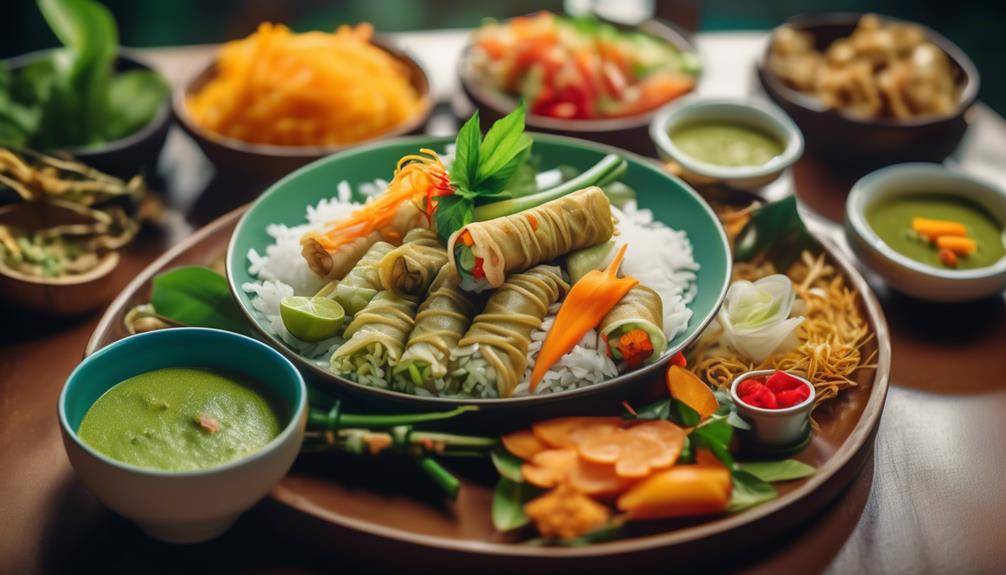
You can explore various fusion dishes, such as lomo saltado, where marinated strips of beef are stir-fried with onions and tomatoes, all served with rice and fries. This dish exemplifies how Asian culinary techniques, like stir-frying, have been embraced and adapted to create something distinctly Peruvian.
The creativity doesn’t stop there. Chefs across the country continue to experiment with Asian ingredients and cooking methods, resulting in vibrant plates that tell a story of cultural exchange. Whether it’s the use of miso in ceviche or the incorporation of Asian herbs in traditional stews, the impact of Asian immigrant flavors has undeniably enriched Peruvian cuisine, making it a dynamic and diverse culinary landscape.
Modern Fusion and Global Recognition
The fusion of Asian flavors with traditional Peruvian cuisine has paved the way for modern culinary innovations that are earning international acclaim. As you explore this vibrant culinary landscape, you’ll notice how chefs are blending techniques and ingredients from various cultures. This isn’t just a trend; it’s a movement that’s reshaping gastronomic trends around the globe.
You might find dishes like ceviche infused with wasabi or stir-fried quinoa, showcasing the seamless integration of Asian spices into classic Peruvian fare. These culinary innovations are attracting food enthusiasts and critics alike, propelling Peruvian cuisine onto the world stage. Restaurants like Central and Maido have gained Michelin stars, proving that the world is ready to embrace this fusion.
Chefs from Peru are now seen as global ambassadors of flavor, and they’re not just limited to their home country. International culinary competitions often feature Peruvian dishes, which highlights their growing influence. You can sense the excitement in the air as food lovers discover how ingredients like miso can elevate aji de gallina, or how soy sauce can enhance the umami in traditional stews.
As you dive deeper into modern Peruvian cuisine, you’ll realize it’s about more than just food; it’s a celebration of cultural exchange and creativity. The recognition it receives is well-deserved, and it invites you to experience a culinary journey that’s both innovative and rooted in rich traditions.
Frequently Asked Questions: Peruvian Cuisine A Fusion Of Amazing
What Are the Most Popular Peruvian Dishes Today?
Today, you’ll find ceviche variations showcasing fresh seafood and zesty flavors, alongside the beloved lomo saltado, a delicious stir-fry blending marinated beef, onions, and tomatoes, reflecting Peru’s rich culinary heritage. Enjoy these highlights!
How Does Climate Affect Peruvian Agricultural Diversity?
Climate greatly impacts Peru’s agricultural diversity. You’ll find various agricultural regions thriving in distinct climate zones, allowing crops like potatoes, quinoa, and coffee to flourish, reflecting the country’s rich biodiversity and culinary potential.
What Role Do Festivals Play in Peruvian Cuisine?
Festivals showcase Peru’s rich culinary heritage, highlighting regional variations and cultural significance. You’ll experience diverse flavors and traditional dishes, deepening your understanding of local customs while celebrating community and identity through food.
Are There Any Notable Peruvian Food Trends Currently?
You’ll notice notable trends in Peruvian cuisine focusing on sustainable ingredients and culinary innovation. Chefs are creatively blending traditional flavors with modern techniques, showcasing locally sourced produce and promoting environmental awareness in their delicious dishes.
How Can I Recreate Authentic Peruvian Flavors at Home?
To recreate authentic Peruvian flavors at home, you’ll need traditional ingredients like aji peppers and quinoa. Use cooking techniques such as marinating and grilling to enhance the vibrant tastes that define this diverse cuisine.
Conclusion
To sum up, Peruvian cuisine truly reflects its rich tapestry of influences. You can see how indigenous ingredients blend with Spanish techniques, while African and Asian flavors add unique dimensions. This fusion creates a vibrant culinary landscape that’s not just diverse but also delicious. As you explore Peruvian dishes, you’ll appreciate how history and culture come together on your plate, making each bite a celebration of Peru’s multicultural heritage. Don’t miss out on this extraordinary culinary journey!