What Are The Best Slow Cooking Methods For Curries
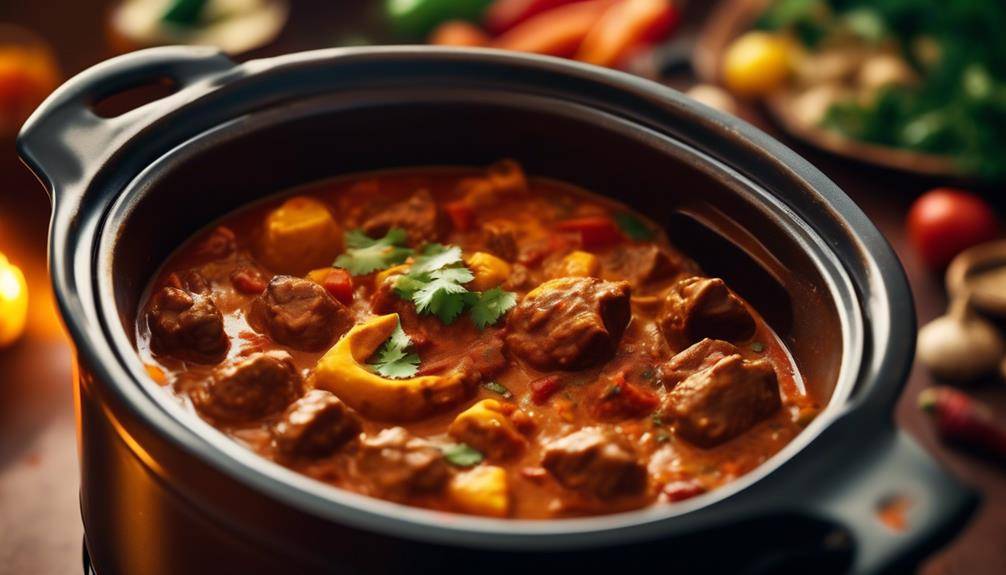
The Best Slow Cooking Methods For Curries; When it comes to curries, you want a slow cooking method that will infuse every bite with rich, flavorful goodness. But with so many options out there, how do you choose the best one? Well, fear not, because we’re about to reveal some tantalizing slow cooking methods that will take your curry game to a whole new level. From the simplicity of a slow cooker to the depth of flavor achieved with a Dutch oven, we’ve got you covered. So get ready to elevate your curry creations and unlock a world of taste that will leave you craving for more.
Click Here and Turn Every Masterpiece into a Showstopper!
Slow Cooker Method
If you want a hassle-free way to make delicious curries, the slow cooker method is the perfect solution for you. This method allows you to create flavorful and aromatic curries with minimal effort. One of the great advantages of using a slow cooker is that it eliminates the need for constant stirring. Unlike traditional stovetop cooking, where you have to constantly monitor and stir the curry to prevent it from sticking or burning, the slow cooker does all the work for you. This means you can set it and forget it, allowing you to go about your day while your curry simmers to perfection.
The slow cooker method also gives you the opportunity to experiment with a variety of curry variations. From classic Indian curries to Thai and Caribbean flavors, the slow cooker can handle them all. Whether you prefer a spicy and tangy curry or a milder and creamier one, the slow cooker allows for a wide range of flavors and textures. You can easily adjust the ingredients and seasonings to suit your taste preferences.
To make the most of the slow cooker method, it’s important to follow a few simple tips. Firstly, make sure to sear the meat and sauté the onions and spices before adding them to the slow cooker. This will enhance the flavors and give your curry a rich and robust taste. Secondly, don’t be afraid to experiment with different vegetables and protein sources. The slow cooking process will tenderize even the toughest cuts of meat and allow the flavors to meld together beautifully.
Dutch Oven Method
Now, let’s explore another method for slow cooking curries that will take your culinary skills to the next level – the Dutch Oven Method. Using a Dutch oven to cook curries offers several advantages and benefits that will enhance the flavors and textures of your dishes.
- Retains Heat: The Dutch oven is made of heavy cast iron, which ensures even heat distribution and retention. This allows the curry to simmer slowly, allowing the flavors to meld together and intensify.
- Versatility: Dutch ovens are incredibly versatile and can be used both on the stovetop and in the oven. This gives you the freedom to sauté your spices and vegetables on the stovetop before transferring the pot to the oven for slow cooking. The ability to sear ingredients adds depth and complexity to your curries.
- Enhanced Flavors: The Dutch oven’s tight-fitting lid traps moisture and condenses it, creating a self-basting effect. This results in tender, succulent meat and vegetables, and a rich, flavorful sauce.
- Durability: Dutch ovens are built to last. Their sturdy construction and enamel coating make them resistant to chipping, cracking, and rusting. With proper care, a Dutch oven can become a cherished heirloom that you can pass down through generations.
- One-Pot Convenience: With a Dutch oven, you can cook your curry from start to finish in one pot. This means less cleanup and more time to savor your delicious creation.
The Dutch oven method is a fantastic way to slow cook curries, offering advantages such as heat retention, versatility, enhanced flavors, durability, and one-pot convenience. So, why not give it a try and elevate your curry game to new heights?
Stovetop Simmering
When it comes to slow cooking curries on the stovetop, simmering is the key. Simmering allows the flavors to meld together and intensify, resulting in a rich and flavorful curry. To achieve the perfect simmer, make sure to keep the heat low and steady, and give yourself plenty of time for the curry to develop its full potential.
Benefits of Simmering
Stovetop simmering offers a multitude of benefits for slow-cooked curries, enhancing flavors and tenderizing meats to create a mouthwatering and aromatic dish. Here are some of the advantages of simmering your curry on the stovetop:
- Enhanced flavors: Simmering allows the spices and ingredients to mingle and develop a deep, complex flavor profile. The slow cooking process allows the flavors to meld together, resulting in a rich and satisfying curry.
- Tenderized meats: Simmering on low heat for an extended period of time helps to break down the tough fibers in meats, resulting in melt-in-your-mouth tenderness. The slow, gentle heat allows the meat to become tender without drying out.
- Intensified aromas: As the curry simmers, the fragrant spices release their aromas, filling your kitchen with a tantalizing smell. The long cooking time allows the aromas to develop and intensify, making your curry even more enticing.
- Thicker sauce: Simmering helps to reduce the liquid in the curry, resulting in a thicker and more flavorful sauce. The slow evaporation concentrates the flavors and creates a luscious, velvety texture.
Tips for Stovetop Cooking
For optimal results, follow these tips to ensure successful stovetop cooking when simmering your curry. Stovetop curry recipes are a popular choice for many home cooks because they allow for greater control over the cooking process. To enhance the flavors of your curry, start by sautéing the onions, garlic, and spices in oil or ghee. This step helps to release the aromas and flavors of the spices, resulting in a more flavorful curry.
Next, add your protein and vegetables to the pot and cook them until they are lightly browned. This adds depth and richness to the final dish. Finally, cover the pot with a tight-fitting lid and simmer the curry on low heat for a longer period of time. This slow cooking method allows the flavors to meld together and develop into a delicious and fragrant curry. Remember to stir occasionally to prevent sticking and burning. With these tips, you’ll be able to create a flavorful and aromatic curry every time.
Click Here and Turn Every Masterpiece into a Showstopper!
Crock-Pot Method
Ready to take your curry game to the next level? The Crock-Pot method is here to deliver flavorful spice combinations, tender meat and vegetables, and time-saving convenience. With the slow, steady heat of the Crock-Pot, your curries will develop rich depths of flavor, allowing the spices to meld together and infuse every bite. Plus, this method requires minimal effort, leaving you with more time to savor the delicious results.
Flavorful Spice Combinations
Enhance the flavors of your slow-cooked curries with a variety of aromatic spice combinations, perfect for the Crock-Pot method. By using the right blend of spices, you can create a curry that is bursting with flavor and aroma. Here are some flavor pairing tips and ideas to help you enhance the curry aromas:
- Classic Combination: Start with the classic blend of cumin, coriander, and turmeric for a well-rounded and earthy flavor.
- Spicy Twist: Add some heat to your curry by combining chili powder, paprika, and cayenne pepper. Adjust the amount according to your preference for spiciness.
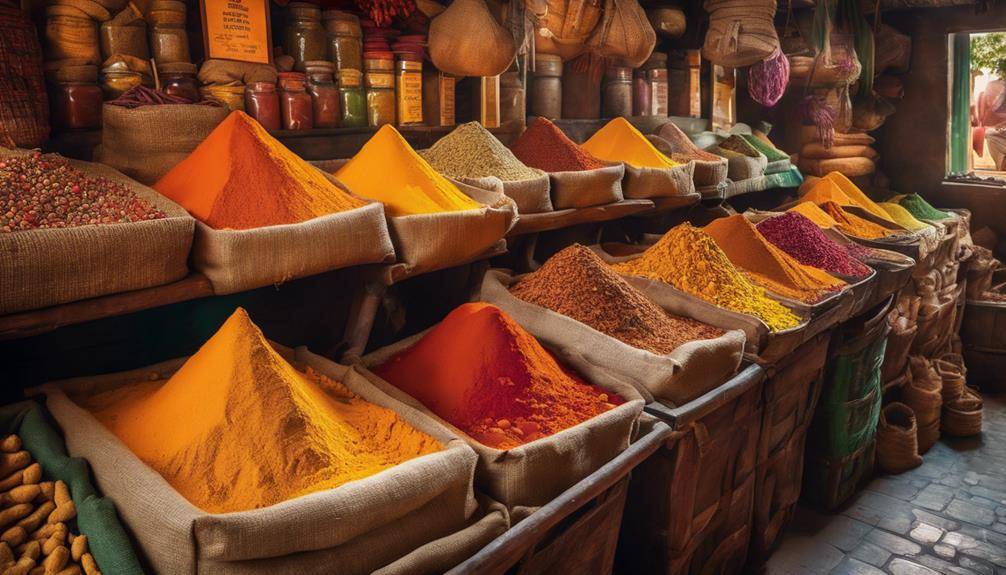
- Fragrant Delight: For a fragrant and aromatic curry, try a combination of cardamom, cinnamon, and cloves. These spices will add depth and complexity to your dish.
- Herb Infusion: Incorporate fresh herbs like cilantro, mint, or curry leaves to brighten up the flavors of your curry.
Experiment with different spice combinations to find your favorite blend and create a curry that is uniquely yours.
Tender Meat and Vegetables
Now let’s dive into the realm of tender meat and vegetables, as we explore the Crock-Pot method for slow-cooking curries. When it comes to achieving melt-in-your-mouth meat and perfectly cooked vegetables, tenderizing techniques and marinade options are key. To ensure tender meat, consider marinating it overnight in a mixture of yogurt, lemon juice, and spices like ginger and garlic. The acidity in the marinade helps break down the proteins, resulting in a tender texture.
Additionally, using cuts of meat that are naturally tender, such as beef chuck or lamb shoulder, can make a big difference. As for vegetables, choose those that can withstand long cooking times, like potatoes, carrots, and bell peppers. Cut them into larger chunks to prevent them from turning mushy during the slow-cooking process. With the right tenderizing techniques and well-chosen marinades, your Crock-Pot curries will be bursting with flavor and have perfectly tender meat and vegetables.
Time-Saving Convenience
To save time without sacrificing flavor, the Crock-Pot method is a convenient way to slow-cook your curries. With its easy-to-use features and long cooking times, this method allows you to prepare delicious meals while minimizing your time in the kitchen. Here are some time-saving techniques and meal prep ideas to help you make the most of the Crock-Pot method:
- Pre-cut your ingredients: Chop your vegetables and prepare your meat ahead of time, so that when it’s time to cook, you can simply throw everything into the Crock-Pot.
- Use frozen ingredients: Frozen vegetables and pre-cut frozen meat can be added directly to the Crock-Pot, saving you the time and effort of defrosting.
Instant Pot Technique
For an efficient and flavorful cooking experience, consider incorporating the Instant Pot technique into your curry-making process. Instant Pot recipes have gained popularity in recent years due to their convenience and ability to produce tender, flavorful dishes with minimal effort. The advantages of slow cooking with an Instant Pot are numerous.
Firstly, the Instant Pot allows for hands-off cooking. Once you’ve added the ingredients and set the timer, you can simply walk away and let the pot do its magic. This is especially beneficial for busy individuals who want to enjoy a homemade curry without spending hours in the kitchen.
Additionally, the Instant Pot locks in flavors and moisture, resulting in exceptionally tender and succulent curries. The pressure cooking method ensures that the ingredients are thoroughly cooked, allowing the flavors to meld together harmoniously. The result is a curry that is bursting with aromatic spices and rich, complex flavors.
Another advantage of using the Instant Pot is its versatility. It can be used to cook a wide variety of curries, from traditional Indian dishes to Thai and Jamaican-inspired creations. With the Instant Pot, you have the freedom to experiment with different flavors and ingredients, creating unique and delicious curries that suit your taste preferences.
Furthermore, the Instant Pot is a time-saving tool. It significantly reduces the cooking time compared to traditional stovetop methods. This means that you can enjoy a homemade curry in a fraction of the time it would normally take.
Click Here and Turn Every Masterpiece into a Showstopper!
Clay Pot Cooking
Clay pot cooking has been used for centuries and offers unique benefits for slow cooking curries. The porous nature of clay pots allows for even heat distribution, resulting in tender and flavorful dishes. To make the most of your clay pot, remember to soak it in water before use and cook on low heat to prevent cracking.
Benefits of Clay Pots
With its ability to enhance the flavors and textures of your curries, cooking in clay pots provides a unique and rewarding culinary experience. Here are some benefits of using clay pots for slow cooking:
- Retains moisture: Clay pots have porous walls that allow for slow evaporation, keeping your curries moist and succulent.
- Even heat distribution: Clay pots distribute heat evenly, ensuring that your curries cook evenly and preventing any hot spots.
- Traditional cooking methods: Using clay pots for slow cooking is a traditional method that has been passed down for generations, adding an authentic touch to your dishes.
- Health benefits: Clay pots are made from natural materials and do not leach any harmful chemicals into your food, making them a healthier option for cooking curries.
Cooking in clay pots not only brings out the best flavors in your curries but also adds an element of tradition and healthiness to your cooking experience. So why not give it a try and indulge in the goodness of slow-cooked curries?
Tips for Using Clay Pots
To ensure successful clay pot cooking, here are some helpful tips that will elevate your culinary experience. First, before using your clay pot for the first time, it is important to season it properly. To do this, soak the pot in water for a few hours, then rub the inside with a mixture of oil and salt. Rinse and dry thoroughly. This step helps to prevent food from sticking to the pot and enhances the flavors of your dishes.
Additionally, when using clay pots for slow cooking, it is crucial to always start with a cold pot and gradually increase the heat. This allows for even cooking and prevents the pot from cracking due to sudden temperature changes. Lastly, remember to handle your clay pot with care, as it can be fragile. By following these tips, you can enjoy the numerous advantages of using clay pots for slow cooking, including enhanced flavor, moisture retention, and tenderizing of meats.
Oven Braising
For a tender and flavorful curry, consider utilizing the oven braising method. Oven braising involves cooking the curry in a covered pot in the oven at a low and steady temperature for an extended period of time. This slow and gentle cooking method allows the flavors to meld together and the meat to become tender and succulent. Here are some benefits of oven braising:
- Even heat distribution: When you braise in the oven, the heat is evenly distributed around the pot, ensuring that every part of the curry is cooked to perfection. This results in a consistent and well-developed flavor throughout the dish.
- Hands-off cooking: Once you have prepared the ingredients and placed them in the oven, you can simply set a timer and let the oven do the work. This makes oven braising a convenient option for busy individuals who want to enjoy a delicious curry without spending too much time in the kitchen.
- Retained moisture: The enclosed environment of the oven helps to retain the moisture in the curry, preventing it from drying out. This ensures that the meat remains tender and juicy, making each bite a delightful experience.
- Intensified flavors: As the curry cooks slowly in the oven, the flavors have ample time to develop and intensify. The low heat allows the spices and aromatics to infuse into the curry, resulting in a rich and complex taste.
- Hands-on customization: Oven braising provides you with the flexibility to customize your curry to your liking. You can easily adjust the cooking time and temperature to achieve the desired level of tenderness and flavor.
Pressure Cooker Method
The pressure cooker method is a quick and efficient way to prepare your curry, resulting in tender meat and well-developed flavors. Using a pressure cooker allows you to achieve flavorful results in a fraction of the time compared to traditional cooking methods.
One of the main benefits of using a pressure cooker for curries is the time-saving option it provides. The high pressure and steam created inside the cooker help to break down the tough fibers in meat, resulting in tender and juicy pieces. This means that you can cook your curry in a fraction of the time it would take using other methods such as slow cooking or stovetop simmering.
Not only does the pressure cooker save you time, but it also enhances the flavors of your curry. The intense pressure and heat help to infuse the spices and aromatics into the meat and vegetables, creating a rich and deeply flavored curry. The sealed environment of the pressure cooker also helps to retain the natural juices and flavors of the ingredients, resulting in a more concentrated and delicious dish.
To use the pressure cooker method for your curry, simply add all the ingredients to the pot, including your choice of meat, vegetables, spices, and liquid. Close the lid tightly and set the pressure cooker to the desired cooking time. Once the cooking time is complete, release the pressure according to the instructions of your specific pressure cooker model.
The pressure cooker method is a fantastic option for those who want flavorful results in a short amount of time. It offers a convenient and efficient way to prepare curries, allowing you to enjoy tender meat and well-developed flavors without spending hours in the kitchen.
Low and Slow Stewing
Now that you have explored the time-saving benefits of the pressure cooker method, let’s dive into the enticing world of low and slow stewing for curries. This method, also known as low and slow braising, involves cooking curries at a low temperature for an extended period of time. The benefits of long cooking times are numerous and result in rich, flavorful curries that are tender and melt-in-your-mouth delicious.
To truly enjoy the art of low and slow stewing, here are a couple of tips to keep in mind:
- Choose the right cut of meat: Opt for tougher cuts like chuck roast or beef brisket. These cuts benefit from the long cooking time as the slow heat helps break down the connective tissues, resulting in tender and succulent meat.
- Patience is key: Low and slow stewing requires patience. Allow the curry to simmer gently over low heat for several hours to allow the flavors to meld together and intensify. The slow cooking process also allows the spices to fully infuse into the curry, creating a depth of flavor that is unmatched.
- Don’t rush the process: Avoid the temptation to turn up the heat or shorten the cooking time. The low temperature ensures that the curry cooks evenly and prevents the ingredients from becoming overcooked or dry.
- Enhance the flavors: Take advantage of the long cooking time by adding ingredients like onions, garlic, ginger, and spices early on. This allows them to slowly release their flavors and aromas into the curry, resulting in a complex and well-rounded dish.
Low and slow stewing is a labor of love that rewards you with a curry that is rich, tender, and bursting with flavor. So, grab your apron, turn down the heat, and let the magic unfold as your curry simmers away to perfection.
Click Here and Turn Every Masterpiece into a Showstopper!
Sous Vide Cooking
Are you looking to elevate your curry game? Well, get ready to discover the wonders of sous vide cooking. With precise temperature control, this cooking method ensures that your curry ingredients are cooked to perfection, resulting in tender meat and vibrant flavors. Not only that, but sous vide cooking also allows for the infusion of flavors, ensuring that every bite of your curry is packed with deliciousness. So, grab your sous vide machine and get ready to create the most mouthwatering curries you’ve ever tasted.
Precise Temperature Control
For precise temperature control when slow cooking curries, consider using the sous vide cooking method. Sous vide, which means “under vacuum” in French, involves sealing the ingredients in a vacuum-sealed bag and cooking them in a water bath at a precisely controlled temperature. This technique ensures that the curry is cooked evenly and to the desired doneness. Here are two reasons why sous vide is a great choice for precise temperature control when slow cooking curries:
- Consistent Results: With sous vide, you can set the temperature to the exact degree you want, allowing for precise control over the cooking process. This ensures that your curry will be perfectly cooked every time, with tender meat and flavorful spices.
- Retains Moisture: The vacuum-sealed bag keeps the moisture and flavors locked in, resulting in a juicy and flavorful curry. Unlike other slow cooking techniques, there is no risk of evaporation or drying out of the ingredients.
Infusing Flavors Perfectly
To achieve perfectly infused flavors in your slow-cooked curries, consider using the sous vide cooking method. Sous vide, which means “under vacuum” in French, is a precise cooking technique that involves sealing ingredients in a vacuum-sealed bag and cooking them in a water bath at a consistent low temperature for an extended period. This gentle and controlled process allows for maximum flavor retention and infusion.
To enhance the flavors even further, you can use various flavor infusion techniques and ingredients. For example, you can marinate your meats or vegetables with spices, herbs, and aromatics before vacuum-sealing them. You can also add flavor-enhancing ingredients like ginger, garlic, lemongrass, or coconut milk to the bag. The sous vide cooking method ensures that these flavors penetrate deep into the ingredients, resulting in a curry that is bursting with deliciousness.
Indirect Grilling
Indirect grilling, a technique that allows for slow cooking and infusing flavors, is a popular method for preparing curries. With indirect grilling, you can achieve tender and flavorful curries that will leave your taste buds craving for more. Here are a few reasons why indirect grilling is the perfect slow cooker method for curries:
- Even Heat Distribution: Indirect grilling involves placing the curry ingredients on one side of the grill, away from the heat source. This ensures that the heat is evenly distributed, preventing any hot spots or uneven cooking. As a result, your curry will cook slowly and evenly, allowing the flavors to develop and meld together harmoniously.
- Enhanced Flavor Infusion: The indirect heat created during grilling allows the curry to simmer and slowly release its aromatic flavors. The low and slow cooking process ensures that the spices, herbs, and other ingredients have ample time to infuse into the curry, resulting in a rich and complex flavor profile.
- Tender and Juicy Meat: Indirect grilling is particularly beneficial for curries that include meat. The slow cooking method helps break down the tough fibers in the meat, resulting in tender and juicy pieces that melt in your mouth. The indirect heat also helps retain moisture, preventing the meat from drying out and ensuring a succulent curry.
- Easy Temperature Control: Indirect grilling provides you with better control over the cooking temperature. By adjusting the heat source and the position of the curry ingredients, you can easily maintain the desired temperature for slow cooking. This hands-on approach allows you to achieve the perfect simmer and ideal doneness for your curry.
- Versatility: Indirect grilling is not limited to just curries. You can also use this cooking method to prepare a variety of other dishes, such as stews, soups, and braises. Its versatility makes it a valuable technique to have in your culinary repertoire.
Indirect grilling is a fantastic slow cooker method that produces incredible curries packed with flavor. Give it a try and experience the difference it can make in your curry cooking adventures.
Smoker Method
If you’re looking to explore another slow cooking method that will take your curry to the next level, consider trying the smoker method. Smoking your curry adds a unique and smoky flavor that is hard to replicate with other cooking techniques. The smoker method involves cooking your curry in a smoker, which is a cooking device that uses low heat and smoke to cook food slowly over a long period of time.
To use the smoker method for your curry, you will need to prepare your smoker and choose the right wood chip flavor. Different wood chip flavors will impart different flavors to your curry, so it’s important to choose one that complements the ingredients in your dish. Popular wood chip flavors for curries include mesquite, hickory, and applewood. Mesquite adds a bold and robust flavor, while hickory adds a rich and smoky taste. Applewood, on the other hand, imparts a sweet and fruity aroma to your curry.
Once you’ve chosen the right wood chip flavor, it’s time to start smoking your curry. Preheat your smoker to a low temperature and place your curry on the cooking grates. Close the lid and let the curry cook slowly for several hours, allowing the smoke to infuse into the dish. The low and slow cooking process will help tenderize the meat and allow the flavors to develop fully.
Using smoker techniques for your curry adds a whole new dimension of flavor to your dish. The smoky aroma and taste will elevate your curry to new heights, making it a standout dish that your friends and family will rave about. So, if you’re looking to take your curry to the next level, give the smoker method a try and experience the wonderful flavors it brings to your dish.
Bamboo Steaming
Have you ever tried bamboo steaming as a slow cooking method for your curries? If not, you’re missing out on a unique and flavorful way to prepare your favorite dishes. Bamboo steaming is a traditional Asian cooking technique that uses steam to gently cook food, resulting in tender and juicy meats and vegetables. It’s a perfect alternative to the crock pot method, offering a more delicate and nuanced flavor profile.
Here are some reasons why you should give bamboo steaming a try for your curries:
- Retains the natural flavors: Bamboo steaming allows the ingredients to cook in their own juices, preserving their natural flavors and nutrients. The gentle heat and steam help to lock in the moisture, resulting in a succulent and flavorful curry.
- Even cooking: The steam circulates evenly around the food, ensuring that it cooks uniformly. This eliminates the risk of overcooking or undercooking certain ingredients, giving you a perfectly balanced curry every time.
- Healthier option: Bamboo steaming requires little to no oil, making it a healthier alternative to other cooking methods. It helps to keep the calorie content low while still delivering a delicious curry packed with flavor.
- Easy cleanup: Bamboo steaming is a fuss-free cooking method, and the cleanup is a breeze. Simply remove the food from the bamboo steamer and discard any leftover liquid. The steamer itself can be easily cleaned with warm water and a mild detergent.
Solar Cooking
Now let’s explore another innovative slow cooking method that will take your curries to the next level: solar cooking. If you’re looking for an alternative cooking method that is eco-friendly and requires no electricity, then a solar oven is the perfect solution. Solar cooking utilizes the power of the sun to slowly cook your curries, resulting in tender and flavorful dishes.
A solar oven works by harnessing the sun’s energy and converting it into heat. The oven is designed with reflective panels that concentrate sunlight onto a cooking chamber, creating a greenhouse effect. This allows the temperature inside the oven to rise and cook the food. Solar ovens can reach temperatures of up to 300 degrees Fahrenheit, making them ideal for slow cooking curries.
One of the advantages of solar cooking is its simplicity. All you need is a sunny day and a solar oven, and you’re ready to start cooking. Solar ovens are portable and can be used in any outdoor space, making them perfect for picnics, camping trips, or even in your backyard. They are also a great option for those living off the grid or in areas with limited access to electricity.
Not only is solar cooking environmentally friendly, but it also helps retain the nutrients in your curries. The slow cooking process allows the flavors to meld together, resulting in rich and aromatic dishes. Solar cooking is a gentle and low-temperature method, ensuring that your curries are cooked evenly without burning or overcooking.
Click Here and Turn Every Masterpiece into a Showstopper!
Haybox Cooking
Haybox Cooking: Slow Cooking Made Effortless
Haybox cooking, also known as retained heat cooking, is a unique and efficient method that allows you to cook curries slowly and effortlessly. By utilizing the heat retained in a well-insulated container, this method offers numerous benefits and saves energy. Here are some tips to help you perfect the art of slow cooking in hayboxes:
Benefits of haybox cooking:
- Energy efficiency: Haybox cooking reduces the need for constant fuel or electricity, as it relies on the initial heat to continue cooking the food. This not only saves energy but also lowers your utility bills.
- Enhanced flavors: Slow cooking in a haybox allows the flavors of the ingredients to develop gradually, resulting in rich and aromatic curries. The extended cooking time tenderizes meat and intensifies the blending of spices, creating a sumptuous dish.
Tips for slow cooking in hayboxes:
- Preheat the haybox: Before transferring your curry to the haybox, preheat it by filling it with hot water for 10 minutes. This ensures that the container is warm, maintaining the heat and cooking process effectively.
- Use the right container: Opt for a well-insulated container, such as a thermal cooker or a cooler, to retain heat efficiently. Make sure the lid fits tightly to trap the heat inside.
- Layer ingredients wisely: Arrange the ingredients in the cooking pot thoughtfully. Place the meat or vegetables at the bottom, followed by spices, and then the liquid. This ensures even cooking and allows flavors to meld together beautifully.
Haybox cooking offers a convenient and sustainable way to slow cook your curries. With its numerous benefits and these helpful tips, you can enjoy tender and flavorful dishes without constant monitoring or excessive energy consumption. Give it a try and savor the delightful results!
Click Here and Turn Every Masterpiece into a Showstopper!
Frequently Asked Questions: The Best Slow Cooking Methods For Curries
Can I Use the Slow Cooker Method to Make Vegetarian Curries?
You can definitely use the slow cooker method to make delicious vegetarian curries! It’s a convenient way to infuse flavors and create tender, hearty dishes. Here are some tips to make your slow cooker curries flavorful and satisfying.
How Long Does It Take to Cook a Curry Using the Dutch Oven Method?
When using the Dutch oven method, you’ll enjoy the benefits of slower cooking and rich flavors. The cooking time for a curry in a Dutch oven depends on the recipe, but it generally takes a few hours for the flavors to fully develop.
Can I Use the Pressure Cooker Method to Make Curries With Seafood?
You can definitely use the pressure cooker method for meat curries. It’s a quick and efficient way to cook tender, flavorful dishes. However, for creamy curries, the slow cooker method works best as it allows the flavors to develop over time.
What Is the Advantage of Using the Sous Vide Cooking Method for Curries?
Using the sous vide cooking method for curries has its advantages. The slow, controlled technique allows the flavors to develop and infuse into the ingredients, resulting in a rich and flavorful dish.
Is It Possible to Use the Smoker Method to Infuse a Smoky Flavor Into Curries?
Yes, using the smoker method can infuse a smoky flavor into meat curries. It is one of the alternative slow cooking methods for curries, offering a unique taste that can enhance the dish.

Conclusion
In conclusion, there are various slow cooking methods that can be used to prepare delicious curries. Whether you choose to use a slow cooker, Dutch oven, stovetop simmering, Crock-Pot, Instant Pot, smoker, bamboo steaming, solar cooking, or haybox cooking, each method brings its own unique flavors and textures to the dish. Experiment with different techniques to find the one that suits your taste buds the best and enjoy the aromatic and mouthwatering experience of slow-cooked curries.