Great Reason Why To Opt For Gluten-Free Asian Cuisine
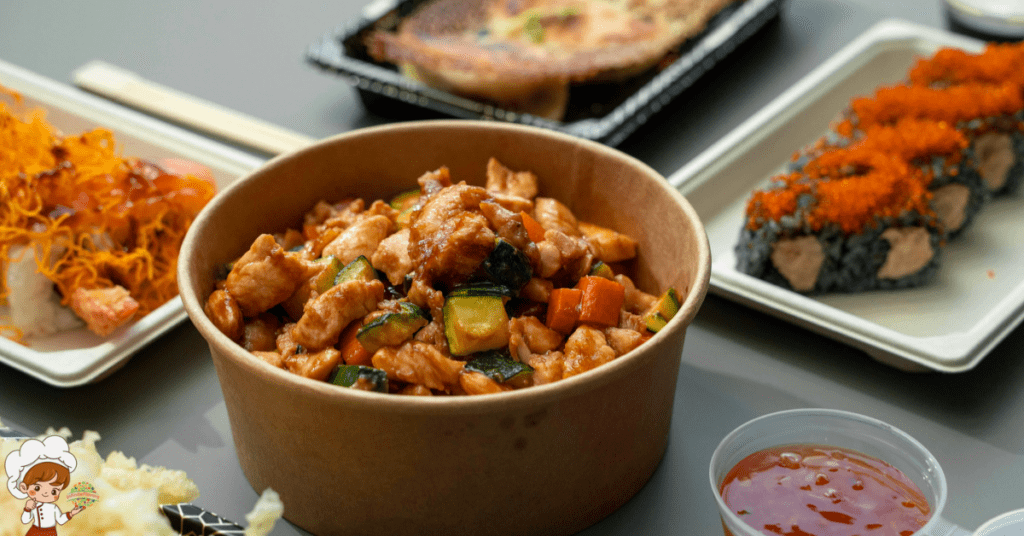
Why To Opt For Gluten-Free Asian Cuisine; Imagine yourself sitting in a bustling Asian restaurant, the aroma of sizzling stir-fries and fragrant spices wafting through the air. You take a look at the menu, searching for something that not only satisfies your taste buds but also caters to your dietary needs. That’s when you discover the world of gluten-free Asian cuisine. But why opt for it? Well, let’s just say that the combination of mouthwatering flavors, diverse ingredients, and a wide range of gluten-free options might just make you rethink your go-to Asian dishes.
The Benefits of Gluten-Free Asian Cuisine
Discover the countless advantages of indulging in gluten-free Asian cuisine, where vibrant flavors and wholesome ingredients come together to create a truly exceptional dining experience. When exploring gluten-free options in Japanese cuisine, you’ll find that many traditional dishes can easily be made gluten-free, making it a great choice for those with dietary restrictions. From sushi rolls to sashimi, miso soup to yakitori skewers, Japanese cuisine offers a wide variety of gluten-free options that are both delicious and nutritious.
One of the benefits of gluten-free Chinese dishes is the emphasis on fresh ingredients and minimal processing. Chinese cuisine traditionally includes a wide range of vegetables, lean proteins, and gluten-free grains such as rice and millet. By avoiding gluten, you can enjoy the natural flavors of these ingredients without any added fillers or thickeners. Additionally, many Chinese sauces, such as soy sauce and hoisin sauce, can easily be made gluten-free or substituted with gluten-free alternatives, ensuring that you can still enjoy the rich and savory flavors of Chinese cuisine without any dietary concerns.
Another advantage of indulging in gluten-free Asian cuisine is the potential health benefits. By eliminating gluten, you may experience improved digestion, increased energy levels, and reduced inflammation. Gluten has been known to cause digestive issues in some individuals, so opting for gluten-free options can help alleviate these symptoms. Asian cuisine also tends to be lower in fat and calories compared to many Western dishes, making it a great choice for those looking to maintain a healthy diet.
Exploring Gluten-Free Options in Asian Cuisine
Are you ready to discover the health benefits of gluten-free Asian cuisine? From traditional gluten-free dishes like sushi and stir-fried vegetables to innovative gluten-free substitutes like rice noodles and tamari sauce, exploring gluten-free options in Asian cuisine opens up a world of delicious possibilities. Whether you have a gluten intolerance or simply want to try something new, Asian cuisine offers a diverse range of flavors and ingredients that can cater to your dietary needs. So, let’s embark on this culinary adventure and uncover the wonders of gluten-free Asian cuisine.
Health Benefits of Gluten-Free Asian Cuisine
Exploring the plethora of gluten-free options in Asian cuisine reveals a world of delicious flavors and numerous health benefits. Not only are these dishes free from gluten, but they also offer a range of benefits for weight loss and digestive health.
- Weight Loss: Gluten-free Asian cuisine often incorporates fresh vegetables, lean proteins, and low-fat ingredients, making it an excellent choice for those looking to shed a few pounds. The use of rice noodles, quinoa, and other gluten-free grains provides a satisfying meal while keeping calorie counts in check.
- Digestive Health: Many individuals struggle with gluten intolerance or sensitivities, which can lead to digestive issues such as bloating, gas, and stomach discomfort. Opting for gluten-free Asian cuisine can alleviate these symptoms and promote a healthier gut.
- Nutrient-Rich Ingredients: Asian cuisine is known for its use of nutrient-rich ingredients like ginger, garlic, turmeric, and fermented foods. These ingredients not only enhance the flavor of the dishes but also provide numerous health benefits, including boosting the immune system and reducing inflammation.
- Balanced Flavors: Asian cuisine is renowned for its ability to balance flavors, combining sweet, salty, sour, and spicy elements. By incorporating gluten-free options into your Asian-inspired meals, you can enjoy a diverse range of flavors while maintaining a healthy, gluten-free diet.
With these health benefits in mind, it’s clear that gluten-free Asian cuisine can be a delicious and nutritious choice for those seeking to improve their overall well-being.
Traditional Gluten-Free Dishes
If you’re ready to embark on a culinary journey through the world of gluten-free Asian cuisine, get ready to savor the rich flavors and traditional dishes that will leave you craving more. In Asian cuisine, there are numerous traditional gluten-free recipes that have stood the test of time. One popular gluten-free Asian dish is Pad Thai, a flavorful stir-fried noodle dish made with rice noodles instead of wheat noodles.
Another favorite is Bibimbap, a Korean dish that combines rice, vegetables, and meat or tofu. Sushi, a staple of Japanese cuisine, is also gluten-free when made with tamari instead of soy sauce. And let’s not forget about the classic Vietnamese dish, Pho, which is a delicious gluten-free soup made with rice noodles and a flavorful broth. These traditional gluten-free recipes showcase the diversity and deliciousness of Asian cuisine without compromising on taste.
Gluten-Free Substitutes in Asian Cuisine
To explore the gluten-free options in Asian cuisine, you’ll discover a wide range of flavorful substitutes that perfectly capture the essence of traditional dishes. Here are four gluten-free substitutes and cooking techniques to enhance your Asian culinary experience:
- Rice Noodles: Swap wheat-based noodles with rice noodles to enjoy famous dishes like Pad Thai or Pho. These gluten-free alternatives are light, chewy, and absorb the flavors of the dish beautifully.
- Tamari Sauce: Replace soy sauce with tamari sauce, which is made without wheat. Its rich umami flavor adds depth to stir-fries, sushi, and marinades, without compromising on taste.
- Coconut Aminos: For a soy sauce alternative, try coconut aminos. It is gluten-free, soy-free, and has a slightly sweet taste. Use it to season fried rice, teriyaki dishes, or even as a dipping sauce for sushi.
- Tapioca Starch: Use tapioca starch as a thickening agent instead of wheat-based flours. It works wonders in creating gluten-free dumplings, buns, and sauces.
With these gluten-free options and cooking techniques, you can enjoy the authentic flavors of traditional Asian dishes without worrying about gluten.
Traditional Asian Ingredients That Are Gluten-Free
Traditional Asian cuisine is known for its vibrant flavors and unique ingredients, many of which are naturally gluten-free. If you’re following a gluten-free diet, you’ll be delighted to know that there are plenty of options for you to enjoy in Asian cooking. From stir-fries to curries, traditional Asian dishes can be made gluten-free without compromising on taste or authenticity.
One of the key reasons why Asian cuisine is naturally gluten-free lies in its traditional cooking methods. Many Asian dishes rely heavily on rice, which is naturally gluten-free and forms the staple food in many Asian countries. Rice noodles, rice paper, and rice flour are commonly used in dishes like Pad Thai, spring rolls, and dumplings, making them gluten-free alternatives to their wheat-based counterparts.
Another gluten-free staple in Asian cuisine is tofu. Made from soybeans, tofu is a versatile ingredient that can be used in a variety of dishes, such as stir-fries, soups, and curries. Not only is tofu gluten-free, but it is also a great source of protein and a mainstay in vegetarian and vegan cooking.
Furthermore, traditional Asian ingredients like fish sauce, soy sauce, and miso paste are typically gluten-free. These condiments are used to enhance the flavors of dishes and provide that distinct umami taste. However, it’s important to check the labels, as some brands may add wheat as a filler. Opting for gluten-free versions or tamari sauce, which is made without wheat, ensures that you can enjoy these flavors without worrying about gluten.
Gluten-Free Sauces and Condiments in Asian Cuisine
Are you a fan of Asian cuisine but worried about gluten in sauces and condiments? Don’t fret! There are plenty of gluten-free options available, including soy sauce alternatives made with tamari or coconut aminos. Additionally, rice vinegar can be a great substitute for gluten-containing vinegars, adding a tangy and flavorful kick to your dishes. So go ahead and enjoy your favorite Asian flavors without the worry of gluten!
Gluten-Free Soy Sauce
Looking for a gluten-free alternative to traditional soy sauce in your Asian dishes? Look no further than gluten-free soy sauce – a flavorful and versatile condiment that will enhance your culinary creations without compromising your dietary needs. Here are four reasons why gluten-free soy sauce is a must-have ingredient in your kitchen:
- Authentic Flavor: Gluten-free soy sauce, also known as gluten-free tamari sauce, offers the same rich and savory taste as traditional soy sauce. You won’t have to compromise on flavor when enjoying your favorite Asian dishes.
- Versatility: Gluten-free soy sauce can be used in a variety of dishes, from stir-fries to sushi rolls. It adds depth and complexity to marinades, dressings, and dipping sauces, making your meals even more delicious.
- Dietary Compatibility: If you have gluten intolerance or celiac disease, gluten-free soy sauce allows you to enjoy Asian cuisine without the worry of gluten contamination. It’s a safe and tasty option for those with dietary restrictions.
- Health Benefits: Gluten-free soy sauce is lower in sodium than regular soy sauce, making it a healthier choice for those watching their sodium intake. It also contains beneficial nutrients like protein, iron, and antioxidants.
With gluten-free soy sauce, you can savor the flavors of Asian cuisine while staying true to your dietary needs.
Rice Vinegar Options
When exploring gluten-free sauces and condiments in Asian cuisine, one option to consider is the variety of rice vinegar available. Rice vinegar is a popular ingredient in many Asian dishes, providing a tangy and slightly sweet flavor that enhances the overall taste. It is a versatile vinegar that can be used in marinades, dressings, and sauces. For those who are looking for rice vinegar substitutes, there are a few options available.
Apple cider vinegar and white wine vinegar can be used as alternatives, but they may alter the taste slightly. If you are looking for gluten-free Asian salad dressings, you can make your own by combining rice vinegar with gluten-free soy sauce, sesame oil, and honey or agave syrup. This creates a delicious and healthy dressing that will elevate your salad to the next level.
Navigating Gluten-Free Sushi and Sashimi
If you’re a gluten-free sushi lover, you’ll be delighted to know that navigating the world of gluten-free sushi and sashimi is easier than you might think. While traditional sushi rolls often contain ingredients like soy sauce and tempura, which are not gluten-free, there are plenty of alternatives that allow you to enjoy this Japanese delicacy without worrying about gluten. Here are four tips to help you navigate gluten-free sushi and sashimi:
- Choose gluten-free soy sauce alternatives: Soy sauce is a staple condiment in sushi, but it contains wheat, making it off-limits for those on a gluten-free diet. However, many sushi restaurants now offer gluten-free soy sauce alternatives, such as tamari or coconut aminos. These options provide the same umami flavor without the gluten.
- Opt for sashimi: Sashimi is a great gluten-free alternative to traditional sushi rolls. It consists of thinly sliced raw fish or seafood served without rice or any gluten-containing ingredients. You can enjoy the fresh flavors of fish like salmon, tuna, or yellowtail without worrying about hidden gluten.
- Look for gluten-free fillings: When choosing sushi rolls, opt for fillings that are naturally gluten-free, such as cucumber, avocado, or fresh fish. Avoid rolls that contain imitation crab or tempura, as they often contain wheat-based ingredients. Some sushi restaurants even offer gluten-free sushi rolls made with rice paper or thin cucumber slices instead of traditional seaweed.
- Communicate with the chef: If you have specific dietary restrictions, don’t be afraid to communicate with the sushi chef. They can guide you through the menu and help you make informed choices. They may also be able to customize rolls or offer suggestions for gluten-free Asian fusion dishes.
Gluten-Free Noodle Alternatives in Asian Dishes
To explore gluten-free noodle alternatives in Asian dishes, you’ll discover a world of delicious options that allow you to indulge in the flavors of this cuisine without the worry of gluten. Asian cuisine is known for its wide variety of noodles, from rice noodles to bean thread noodles, offering a range of textures and flavors to satisfy your cravings.
One popular gluten-free Asian noodle option is rice noodles. These translucent noodles are made from rice flour and are commonly used in dishes like Pad Thai and Vietnamese Pho. Rice noodles have a delightfully chewy texture and can easily absorb the flavors of the dish, making them a versatile choice for any Asian-inspired meal.
Another gluten-free noodle alternative is sweet potato noodles, also known as glass noodles or cellophane noodles. Made from sweet potato starch, these noodles are thin, translucent, and have a slightly chewy texture. They are often used in Korean dishes like Japchae, a stir-fried noodle dish with vegetables and meat.
If you’re looking for a noodle with a more unique taste, mung bean noodles might be the perfect choice for you. Made from ground mung beans, these noodles have a slightly nutty flavor and a springy texture. They are commonly used in Chinese and Vietnamese dishes and work well in stir-fries and soups.
In addition to gluten-free Asian noodle options, there are also gluten-free Asian pastry alternatives available. For example, instead of traditional wheat-based dumplings, you can find dumplings made with rice or tapioca flour. These gluten-free dumplings are just as tasty and satisfying as their wheat counterparts, allowing you to enjoy the flavors of Asian cuisine without worrying about gluten.
With these gluten-free Asian noodle options and pastry alternatives, you can still enjoy the rich flavors and diverse dishes of Asian cuisine while adhering to a gluten-free diet. So go ahead, explore the world of gluten-free Asian cuisine and discover a whole new world of delicious possibilities.
Delicious Gluten-Free Stir-Fry Recipes
Looking to add some variety to your gluten-free Asian cuisine? Stir-fry recipes are a delicious and versatile option that can be easily customized to suit your tastes and dietary needs. Not only are stir-fries packed with flavor, but they also offer numerous health benefits, including a good balance of vegetables, proteins, and healthy fats. With a wide range of gluten-free sauces and ingredients to choose from, you can create endless variations of stir-fries that are both satisfying and nourishing.
Health Benefits of Gluten-Free Asian Cuisine
Discover the numerous health benefits of gluten-free Asian cuisine while indulging in the delightful flavors of these delicious stir-fry recipes. Asian cuisine is known for its fresh ingredients, vibrant flavors, and nutritious qualities. When you choose gluten-free options, you not only avoid potential allergens but also reap the following health benefits:
- Improved Digestion: Gluten-free Asian cuisine is often easier to digest, as it avoids ingredients like wheat and barley that can cause digestive issues for some individuals.
- Increased Energy: By eliminating gluten from your diet, you may experience increased energy levels and reduced feelings of fatigue.
- Enhanced Nutrient Intake: Gluten-free Asian dishes often incorporate a variety of vegetables, lean proteins, and healthy fats, providing a well-rounded nutrient profile.
- Weight Management: Opting for gluten-free Asian cuisine can support weight management goals, as it often includes lighter and healthier ingredients.
With these health benefits in mind, explore the world of gluten-free Asian snacks and beverage options to further enhance your well-being.
Easy Gluten-Free Stir-Fry Variations
As you explore the world of gluten-free Asian cuisine and enjoy the numerous health benefits it offers, let’s now dive into the realm of easy gluten-free stir-fry variations that will tantalize your taste buds. Stir-frying is a quick and versatile cooking method that allows you to create delicious meals in no time. With the right ingredients, you can easily whip up gluten-free stir-fry dishes that are packed with flavor and texture.
For gluten-free Asian snacks, try a stir-fry with crispy tofu, colorful vegetables, and a savory gluten-free soy sauce. If you’re craving something more adventurous, experiment with gluten-free Asian fusion dishes like Korean-style stir-fried rice cakes or Thai basil chicken stir-fry. The possibilities are endless when it comes to gluten-free stir-fry, so get creative and enjoy the flavors of Asia without worrying about gluten.
Gluten-Free Asian Soups and Broths
Indulge in a tantalizing array of gluten-free Asian soups and broths that will transport your taste buds to the vibrant streets of Asia. From rich and flavorful gluten-free Asian ramen to comforting gluten-free Asian hot pot, these dishes are sure to satisfy your cravings and leave you wanting more. Here are four reasons why you should dive into the world of gluten-free Asian soups and broths:
- Bursting with Flavor: Gluten-free Asian soups and broths are known for their bold and complex flavors. Whether it’s a spicy and tangy tom yum soup from Thailand or a savory miso soup from Japan, each spoonful is a burst of deliciousness that will have you coming back for seconds.
- Nourishing and Healthy: Many gluten-free Asian soups and broths are made with fresh ingredients and packed with nutrients. From the healing properties of ginger and garlic to the immune-boosting benefits of mushrooms and herbs, these soups are a nutritious choice for any meal.
- Versatile and Customizable: Gluten-free Asian soups and broths can be easily customized to suit your preferences. Add your choice of protein, vegetables, or noodles to create a satisfying and personalized bowl of goodness. Whether you prefer a hearty bowl of ramen or a light and refreshing hot pot, the possibilities are endless.
- Comforting and Soul-Warming: There’s nothing quite like a steaming bowl of gluten-free Asian soup or broth to warm you up on a chilly day. The comforting aroma and tender ingredients will soothe your soul and make you feel like you’re being hugged from the inside out.
With their irresistible flavors, health benefits, and comforting qualities, gluten-free Asian soups and broths are a must-try for any food lover. So, grab your chopsticks and get ready to embark on a culinary journey through Asia’s most beloved soup and broth dishes.
Gluten-Free Dim Sum and Dumplings
Savor the delectable flavors of gluten-free dim sum and dumplings, as these bite-sized delights take you on a culinary adventure through the diverse cuisines of Asia. When it comes to gluten-free options, dim sum and dumplings might not be the first dishes that come to mind. However, with the rising popularity of gluten-free diets, many Asian restaurants are now offering gluten-free versions of these beloved classics.
Gluten-free dim sum is a delightful treat for those with dietary restrictions. Traditionally, dim sum consists of small, bite-sized portions of food that are steamed or fried. Common dim sum dishes include shrimp dumplings, pork buns, and sticky rice wrapped in lotus leaves. Gluten-free dim sum substitutes wheat flour with alternative flours such as rice flour or tapioca starch, resulting in a light and chewy texture that is just as satisfying as the original.
Similarly, gluten-free dumplings are a crowd-pleaser for those seeking gluten-free options. These dumplings can be filled with a variety of ingredients, such as vegetables, meat, or seafood. The dough used to make gluten-free dumplings is typically made from rice flour or a combination of rice flour and tapioca starch. The result is a tender and flavorful dumpling that is safe for those with gluten sensitivities or allergies.
Whether you’re a fan of delicate dim sum or hearty dumplings, the gluten-free versions of these Asian delicacies are sure to impress. So, the next time you’re craving a taste of Asia, don’t let your dietary restrictions hold you back. Treat yourself to the flavors of gluten-free dim sum and dumplings, and embark on a culinary journey that will leave your taste buds satisfied and your stomach full.
Gluten-Free Asian Street Food Delights
Experience the vibrant and gluten-free delights of Asian street food that will transport you to bustling markets and vibrant roadside stalls. Imagine the tantalizing aromas wafting through the air as you wander through crowded streets, eager to sample these popular gluten-free Asian snacks. Here are four must-try gluten-free Asian fusion dishes that are sure to satisfy your cravings:
- Banh Mi: Sink your teeth into a crusty gluten-free baguette filled with a harmonious blend of savory marinated meats, pickled vegetables, and fresh herbs. This iconic Vietnamese sandwich offers a burst of flavors and textures in every bite.
- Pad Thai: Indulge in the quintessential Thai street food, made gluten-free with rice noodles. This stir-fried dish combines shrimp, tofu, or chicken with eggs, bean sprouts, and crushed peanuts, all tossed in a tangy and slightly sweet sauce. The result is a harmonious balance of flavors that will leave you wanting more.
- Satay Skewers: Savor the succulent flavors of marinated skewered meats, such as chicken, beef, or pork, grilled to perfection. These tender and juicy morsels are often served with a creamy peanut sauce that adds a delightful nuttiness to every bite.
- Taiwanese Bubble Tea: Quench your thirst with a refreshing cup of gluten-free Taiwanese bubble tea. This popular street drink combines brewed tea with milk or fruit flavors, topped with chewy tapioca pearls. The combination of flavors and textures makes for a unique and satisfying beverage.
Whether you’re strolling through the lively night markets of Taiwan or exploring the bustling streets of Bangkok, these gluten-free Asian street food delights will transport your taste buds to new and exciting culinary heights. So go ahead, indulge in these mouthwatering treats and experience the best of Asian street food, all while staying gluten-free.
Satisfying Gluten-Free Asian Desserts
Get ready to satisfy your sweet tooth with a delectable array of gluten-free Asian desserts that will leave you craving for more. Asian cuisine is known for its unique flavors and delicate balance of ingredients, and their desserts are no exception. From traditional favorites to modern creations, gluten-free Asian pastries offer a delightful experience for those with dietary restrictions.
One of the most popular gluten-free Asian desserts is mochi, a chewy rice cake that comes in various flavors such as red bean, green tea, and mango. These bite-sized treats are soft, sweet, and simply irresistible. Another must-try dessert is the coconut sticky rice with fresh mango. This Thai delicacy combines perfectly cooked sticky rice with ripe mango slices, topped with a drizzle of coconut cream. The combination of textures and flavors is a true delight for the senses.
If you’re in the mood for something refreshing, try the Japanese dessert known as matcha shaved ice. Made with finely shaved ice, drizzled with matcha syrup, and topped with sweetened red beans and mochi balls, this dessert is both light and satisfying. It’s perfect for a hot summer day or whenever you’re in need of a sweet pick-me-up.
For those who prefer a more indulgent treat, there are gluten-free Asian pastries like egg tarts and sesame balls. Egg tarts are flaky pastries filled with a creamy custard that melts in your mouth, while sesame balls are deep-fried glutinous rice balls filled with sweet bean paste. These unique gluten-free Asian desserts offer a combination of textures and flavors that will leave you wanting more.
Whether you’re a fan of traditional Asian desserts or looking to explore new flavors, gluten-free Asian pastries and unique desserts are sure to satisfy your sweet cravings. So go ahead, indulge in these delightful treats and experience the delicious world of gluten-free Asian desserts.
Frequently Asked Questions: Why To Opt For Gluten-Free Asian Cuisine
Are There Any Specific Gluten-Free Options for Sushi and Sashimi?
Looking for gluten-free options for sushi and sashimi? You’re in luck! Many Asian restaurants offer gluten-free alternatives like rice paper rolls or cucumber wraps. You can still enjoy these delicious dishes without worrying about gluten.
Can You Recommend Any Gluten-Free Noodle Alternatives for Asian Dishes?
Looking for gluten-free noodle alternatives for your Asian dishes? Try gluten-free ramen options like rice noodles or buckwheat soba. For stir fry, swap out wheat-based soy sauce with tamari or coconut aminos for a tasty, gluten-free alternative.
What Are Some Gluten-Free Sauces and Condiments Commonly Used in Asian Cuisine?
Looking for gluten-free sauces and condiments commonly used in Asian cuisine? Try gluten-free soy sauce and gluten-free hoisin sauce. These flavorful options will add a tasty twist to your dishes without the worry of gluten.
Are There Any Gluten-Free Options for Dim Sum and Dumplings?
Looking for gluten-free dim sum options? Try rice flour wrappers for dumplings. Fill them with shrimp, chicken, or vegetables for a delicious and safe option. Enjoy the flavors of Asian cuisine without the worry of gluten.
Can You Suggest Any Satisfying Gluten-Free Asian Desserts?
Looking for satisfying gluten-free Asian desserts? Try mochi ice cream, made with glutinous rice flour and filled with various flavors like green tea or mango. Another option is coconut milk-based tapioca pudding. Enjoy these gluten-free Asian snacks!

Conclusion
So whether you have a gluten intolerance or simply want to try something new, opting for gluten-free Asian cuisine is a great choice. With a wide variety of options available, you can still enjoy all the flavors and textures that Asian cuisine has to offer. From delicious sauces and condiments to flavorful soups and street food delights, there is something for everyone. So why not explore the world of gluten-free Asian cuisine and satisfy your taste buds with these delightful dishes?