The Absolute Best Scandinavian Cuisine: A 13-Dish Cooking Guide
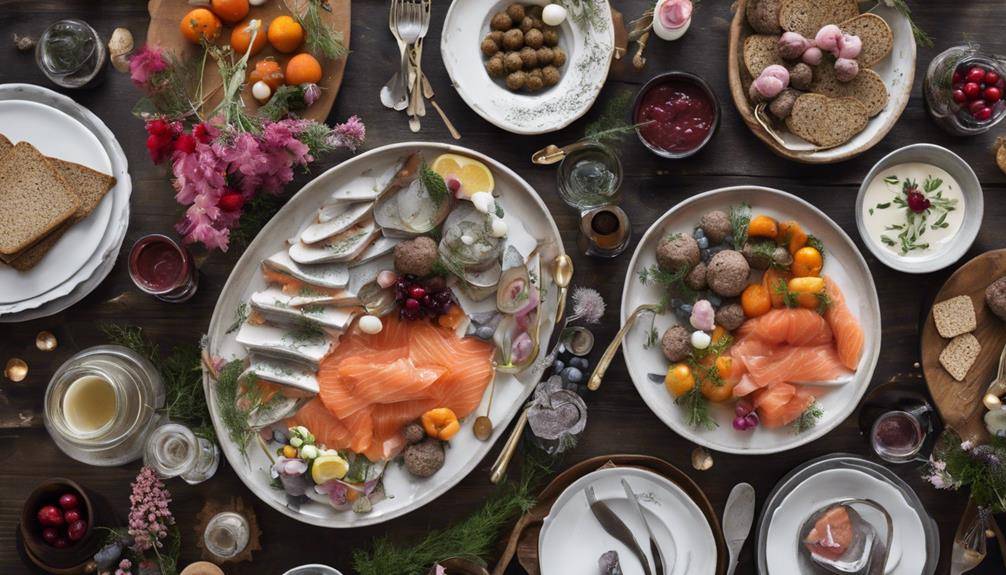
The Absolute Best Scandinavian Cuisine; Scandinavian cuisine invites you to explore diverse flavors through 13 delightful dishes. You’ll love classics like gravlax, the traditional cured salmon, and köttbullar, the iconic Swedish meatballs served with lingonberry sauce. Don’t miss smørrebrød, those artfully crafted open-faced sandwiches topped with pickled herring. Add a creamy twist with Jansson’s Temptation, or enjoy crispy Swedish potato pancakes. For a sweet finish, try cloudberry jam or flaky Danish pastries. Each dish reflects the rich history and local ingredients of the region. Stick around to discover how to master these recipes and enhance your culinary repertoire!
Overview of Scandinavian Cuisine
Scandinavian cuisine offers a unique blend of flavors and traditions that reflect the region’s rich history and natural resources. You’ll notice how the cuisine draws from various cultural influences, including Viking traditions, trade routes, and neighboring countries. Rooted in Scandinavian history, the food reflects the harsh climates and the need for preservation techniques such as pickling, smoking, and fermenting.
When you explore Scandinavian dishes, you’ll find staples like rye bread, herring, and game meats, all of which have been shaped by centuries of agricultural practices and local ingredients. The influence of the sea is significant; fish, especially herring and salmon, play an essential role in the diet, showcasing a deep connection to the natural landscape.
Moreover, the culinary traditions of the region are enriched by the diverse cultural influences that have mingled over time. You’ll see how immigrant communities and trading partners have introduced spices and cooking techniques that add complexity to traditional recipes. For instance, elements from German, Russian, and even Mediterranean cuisines have found their way into Scandinavian kitchens, creating a vibrant culinary tapestry.
As you venture through this cooking guide, keep in mind that each dish tells a story—one that encompasses not just flavors, but also the history and culture of the Scandinavian people. You’ll appreciate how these elements come together to create meals that are both simple and sophisticated, embodying the spirit of the region.
Key Ingredients in Nordic Cooking
When you explore Nordic cooking, you’ll find essential staples that form the foundation of many dishes. Each region boasts unique flavors that reflect its local ingredients and traditions. By focusing on seasonal produce, you can truly capture the essence of Scandinavian cuisine.
Essential Nordic Staples
At the heart of Nordic cooking lies a selection of essential ingredients that define its unique flavors and culinary traditions. You’ll often find grains like rye and barley, which are staples in many Nordic households. These hearty grains form the base for traditional breads, perfect for your Nordic breakfast.
Dairy products, particularly yogurt and cheese, are also vital. They add richness and depth to dishes and pair excellently with fresh fruits or preserves. When it comes to proteins, fish dominates the scene—herring and salmon being favorites that grace many tables.
Don’t forget about root vegetables like potatoes and carrots, which are foundational in warming dishes. Herbs such as dill and parsley enhance flavors, while spices like cardamom add a hint of sweetness to various treats.
Traditional beverages also play a role in Nordic cooking. Coffee is a beloved staple, and you might enjoy a cup alongside a sweet pastry. Meanwhile, berry-based drinks provide a revitalizing touch, showcasing the region’s natural bounty. With these essential ingredients, you’re well on your way to exploring the delightful world of Nordic cuisine!
Regional Flavor Profiles
Nordic cuisine showcases a variety of regional flavor profiles that reflect the unique landscapes and climates of the area. You’ll find that local ingredients play a vital role in creating distinct taste profiles across the Nordic countries. In coastal regions, for instance, you’ll notice an abundance of seafood, paired with Nordic spices like dill and juniper, enhancing the freshness of the dishes.
As you explore different culinary traditions, you’ll encounter a wealth of regional herbs such as chives and lovage, which add depth to seasonal dishes. The flavor combinations often include earthy roots like potatoes and beets, balanced by the brightness of seasonal greens.
Cultural influences also shape these profiles, blending traditional flavors with modern techniques. Whether it’s the sweet notes of cardamom in baked goods or the savory punch of caraway in meats, each dish tells a story of the land and its people. Embracing these regional flavor profiles will give you a deeper appreciation for Nordic cuisine and inspire you to recreate these delicious dishes in your own kitchen.
Seasonal Ingredient Focus
Freshness is the hallmark of Nordic cooking, with seasonal ingredients taking center stage in every dish. When you immerse yourself in Scandinavian cuisine, you’ll notice how essential seasonal vegetables are to creating vibrant flavors. In spring, you can enjoy fresh asparagus and radishes, while summer brings an abundance of berries and leafy greens. Autumn is perfect for hearty root vegetables like carrots, potatoes, and beets, and winter showcases the rich flavors of cabbage and winter squash.
Foraged ingredients also play a significant role in Nordic cooking. Imagine wandering through a forest and discovering wild mushrooms, berries, and herbs. These foraged treasures add unique, earthy flavors to your dishes. You can enhance a simple salad with wild garlic or elevate a stew with freshly foraged chanterelles.
Embracing these seasonal and foraged ingredients not only connects you to the land but also guarantees that your meals are full of flavor and nutrition. As you explore Nordic cuisine, remember that the best meals are those that celebrate the rhythm of nature, highlighting the freshest offerings each season has to give. So, get inspired and start cooking with the freshest ingredients available to you!
Dish 1: Gravlax
Gravlax is a beloved staple in Scandinavian cuisine, often enjoyed during gatherings or special occasions. This cured salmon dish showcases the region’s rich culinary heritage and highlights the importance of fresh, high-quality ingredients. When you prepare gravlax, you’re not just making a dish; you’re participating in a tradition that dates back to the Middle Ages, when fishermen would cure salmon in salt and sugar to preserve it.
The cultural significance of gravlax is profound. It’s not just a tasty appetizer; it symbolizes hospitality and togetherness. When you serve it at a gathering, you’re inviting your guests to share in a piece of Scandinavian history. Traditionally, gravlax is paired with a mustard sauce and served with crispbread or rye bread, creating a delightful combination of flavors and textures.
In recent years, gravlax has seen modern adaptations that reflect contemporary tastes and dietary preferences. You might find variations that use different herbs, spices, or even alternative fish. Some chefs experiment with flavors like beetroot, which adds a vibrant color and earthy taste. These adaptations keep the dish relevant and exciting for new generations while honoring its roots.
Whether you stick to the classic recipe or opt for a modern twist, gravlax remains a delicious and meaningful dish. The next time you prepare it, remember that you’re not just cooking; you’re celebrating a timeless tradition that connects you to the rich tapestry of Scandinavian culture.
Dish 2: Köttbullar
When you think of Swedish cuisine, köttbullar, or meatballs, instantly comes to mind. You’ll want to explore the traditional ingredients that make these meatballs so special, along with some tasty serving suggestions and sides. Let’s get started on creating this beloved dish!
Traditional Meatball Ingredients
Have you ever wondered what makes traditional Swedish köttbullar so irresistible? The secret lies in the balance of fresh, quality ingredients that pay homage to meatball history. Start with a mix of ground beef and pork, combining the rich flavors and textures. Some variations use veal or even game meat, highlighting the flexibility of köttbullar in Swedish cuisine.
Next, you’ll want to incorporate breadcrumbs soaked in milk. This creates a moist, tender meatball that melts in your mouth. Don’t forget to include finely chopped onions, which add sweetness and depth. Seasoning is essential; salt, pepper, and a hint of allspice or nutmeg can elevate the dish.
An egg acts as a binder, ensuring everything holds together during cooking. While traditional köttbullar stick to a simple yet effective ingredient list, meatball variations can introduce unique spices or herbs, showcasing regional flavors.
Understanding these traditional ingredients helps you grasp why köttbullar is a beloved dish in Sweden. With each bite, you savor a history that’s rich and diverse, connecting generations through a simple yet delightful meal.
Serving Suggestions and Sides
Köttbullar, with their savory allure, pair beautifully with a range of sides that enhance their flavor. Consider serving them alongside traditional breads, like knäckebröd or soft Swedish limpa, which add a delightful texture. For a new touch, a vibrant side salad featuring seasonal vegetables can create a invigorating contrast to the meatballs’ richness.
When it comes to presentation, arrange the köttbullar on a platter, garnished with fresh herbs, to elevate the dish’s appeal. You might also want to explore modern variations, such as adding a spicy twist or using alternative meats.
Don’t forget about pairing wines! A fruity red, like a light Pinot Noir, complements the flavors of köttbullar wonderfully. These sides not only elevate your meal but also highlight the cultural significance of this classic dish, making it a centerpiece of Scandinavian gatherings.
Flavor contrasts are key, so think about adding a tangy lingonberry sauce, which enhances the savory notes. By thoughtfully selecting sides, you can create a memorable dining experience that honors tradition while inviting contemporary flair.
Dish 3: Smørrebrød
What makes smørrebrød a quintessential part of Scandinavian cuisine? This delightful dish, often referred to as open-faced sandwiches, embodies the simplicity and freshness characteristic of the region’s culinary traditions. You’ll find that smørrebrød isn’t just about the bread; it’s a canvas for a variety of traditional toppings that reflect local ingredients and flavors.
To make your own smørrebrød, start with a slice of dense rye or pumpernickel bread, which serves as the sturdy base. From there, the fun begins. You can layer on an array of toppings, such as pickled herring, cured meats, or creamy spreads. One classic combination features buttered bread topped with thinly sliced roast beef, crispy onions, and a dollop of remoulade. Another popular option is the combination of smoked salmon, fresh dill, and a squeeze of lemon juice. The key is to balance flavors and textures, ensuring each bite is a delightful experience.
When you serve smørrebrød, presentation is important. Arrange the toppings artfully, perhaps garnishing with fresh herbs or colorful vegetables to make it visually appealing. This dish is often enjoyed during lunch or special occasions, and it encourages a communal dining experience as everyone can share and try different combinations. So, gather your ingredients, release your creativity, and enjoy the delicious world of smørrebrød, where every bite celebrates the essence of Scandinavian cuisine.
Dish 4: Rømmegrøt
Rømmegrøt is a creamy, indulgent dish that showcases the comforting side of Scandinavian cuisine. With roots tracing back to the Middle Ages, rømmegrøt has a rich history tied to Norwegian culture, traditionally made during festive occasions such as weddings and holidays. The dish forms a part of the country’s culinary heritage, representing a time when dairy farming was central to rural life.
To prepare rømmegrøt, you’ll need a few simple ingredients: sour cream, flour, butter, and milk. The process begins with cooking the sour cream and then adding flour to create a thick, smooth mixture. You’ll gradually incorporate milk until you achieve a velvety consistency. The result is a comforting porridge that you can enjoy warm, often topped with a sprinkle of cinnamon and sugar, and served with a side of cured meats or jam.
Rømmegrøt variations abound, with some people opting to use different types of cream or adjusting the thickness to their preference. In some regions, you might even encounter a sweeter version, incorporating ingredients like vanilla or cardamom for added flavor. No matter the variation, rømmegrøt remains a staple dish, embodying the essence of Scandinavian comfort food. So, whether you’re serving it at a special gathering or enjoying it on a quiet evening, rømmegrøt is sure to bring warmth and satisfaction to your table.
Dish 5: Herring Variations
When it comes to herring, you’ll find a world of traditional preparations that showcase its versatility. From flavorful pickling techniques to creative serving suggestions, there’s so much to explore. Let’s uncover the various ways you can enjoy this Scandinavian staple.
Traditional Herring Preparations
Herring variations are a cornerstone of Scandinavian cuisine, offering a delightful range of flavors and preparations that highlight this versatile fish. Understanding herring history reveals its significance in Nordic diets, where it served as an essential protein source for centuries. You’ll find various traditional herring preparations that showcase local ingredients and time-honored techniques.
One popular method is pickling, which not only preserves the fish but also enhances its flavor. You can experiment with different pickling methods, such as using vinegar, sugar, and spices to create your unique blend. For instance, a classic Scandinavian dish is “sill,” where herring is marinated with onions, mustard, and spices, resulting in a tangy yet sweet dish that pairs perfectly with crisp bread.
Another variation to try is “gravad lax,” where herring is cured with a mixture of salt, sugar, and dill. This preparation emphasizes natural flavors while providing a distinct texture. As you explore these traditional herring dishes, you’ll appreciate how they’ve been shaped by regional tastes and traditions throughout history, making each bite a delicious connection to the past.
Flavorful Pickling Techniques
Exploring flavorful pickling techniques opens up a world of possibilities for enhancing herring dishes. One of the most popular methods involves using a traditional brine made from a mix of water, salt, and sugar. This brine not only preserves the herring but also infuses it with a delicious flavor. You can experiment with spices like mustard seeds, peppercorns, and bay leaves to customize your brine.
In addition to the brine, incorporating fermented vegetables can elevate your herring preparation. Think about adding pickled onions or carrots, which not only bring a tangy crunch but also complement the herring’s richness. You might even consider creating a pickling liquid with vinegar and herbs, allowing the herring to absorb those bold flavors over time.
Creative Serving Suggestions
After mastering flavorful pickling techniques, you can elevate your herring dishes with creative serving suggestions that highlight its unique taste. Start with minimalist design; serve herring on simple white plates to let the vibrant colors shine. Use plating techniques like stacking or layering to create visual interest. For garnish ideas, consider fresh dill, sliced radishes, or edible flowers that complement the dish and add a pop of color.
For a rustic serving approach, present your herring variations on a wooden board, alongside whole-grain breads and seasonal vegetables. This family style dining experience encourages sharing and conversation. If you’re hosting a themed presentation, incorporate elements that reflect Scandinavian culture, such as blue and yellow napkins or traditional utensils.
Don’t forget seasonal decor! In summer, use wildflowers and herbs from your garden; in winter, pine branches or berries can enhance your table setting. By embracing these creative serving suggestions, you’ll not only celebrate the cultural significance of herring but also create memorable dining experiences that your guests will love.
Dish 6: Jansson’s Temptation
Jansson’s Temptation is a creamy, comforting casserole that showcases the delightful flavors of Scandinavian cuisine. This dish, originating from Sweden, is often associated with Jansson’s history as a beloved part of Swedish holiday feasts. It features a rich combination of potatoes, onions, cream, and anchovies, which creates a unique medley of flavors that you’ll find hard to resist.
As you prepare Jansson’s Temptation, you’ll notice the variations that exist across different families and regions. While the traditional recipe calls for anchovies, some people prefer to use sprats or even skip the fish altogether for a vegetarian option. Regardless of the variation you choose, the essence of the dish remains the same—a creamy, layered delight that warms the soul.
To make this dish, you’ll start by slicing potatoes thinly and layering them with sautéed onions and anchovies in a baking dish. Pour a mixture of cream and milk over the layers, then season with salt and pepper. Bake it until the potatoes are tender and the top is golden brown.
Serving Jansson’s Temptation as a side dish complements any festive meal, but it also stands on its own as a comforting dinner option. Whether you stick to the classic recipe or experiment with your own variations, this dish will surely become a favorite in your kitchen. Enjoy the creamy goodness and the rich history behind every bite!
Dish 7: Swedish Potato Pancakes
Swedish potato pancakes, known as “Raggmunk,” are a deliciously crispy treat that you’ll love to make and enjoy. This dish showcases the perfect blend of simple ingredients and classic cooking techniques. At its core, Raggmunk consists of grated potatoes mixed with a bit of flour, salt, and sometimes onions for additional flavor. The key to achieving that crispy texture lies in your cooking technique; using a hot skillet and a generous amount of butter will give you that golden-brown finish.
As you explore regional variations, you’ll discover that some areas in Sweden add different ingredients to their Raggmunk. For example, in some regions, you’ll find grated carrots or parsnips mixed into the potato batter, adding a subtle sweetness. Others may serve it with a dollop of sour cream or lingonberry jam, elevating the taste experience even further.
To prepare your Raggmunk, start by peeling and grating the potatoes. Squeeze out excess moisture to guarantee they fry up crisp. Then, combine the grated potatoes with your chosen ingredients and spoon the mixture into a hot skillet. Cook until both sides are beautifully browned, and you’ve created a dish that’s both comforting and satisfying.
Whether you’re enjoying this dish for breakfast, lunch, or dinner, Swedish potato pancakes are sure to become a favorite in your home. So, gather your ingredients, embrace the cooking techniques, and get ready to savor a taste of Sweden!
Dish 8: Cloudberry Jam
Few treats capture the essence of Scandinavian summers like cloudberry jam. This delightful spread, made from the sweet and tart cloudberries, is a staple in Nordic kitchens. The cloudberry, known for its golden hue and unique flavor, has a rich history that dates back centuries. Traditionally, these berries were foraged in the wild, often growing in remote bogs and marshlands, making them a cherished find during the short summer months.
When you think of cloudberry jam recipes, you’ll find that simplicity is key. Start by gathering fresh or frozen cloudberries, sugar, and lemon juice. Combine these ingredients in a saucepan, and let them simmer until the mixture thickens. The result is a luscious jam that captures the essence of those fleeting summer days. You can easily adjust the sweetness to your preference, allowing you to experiment with various flavors.
Cloudberry jam pairs wonderfully with traditional Scandinavian dishes. Spread it on crispbread or serve it alongside creamy cheeses for an elegant appetizer. You might even enjoy it as a topping for pancakes or waffles, adding a unique twist to your breakfast.
For those looking to explore cloudberry history further, you’ll discover that these berries have been used in various cultures for generations, often seen as a symbol of the Nordic landscape. So, by making your own cloudberry jam, you’re not just following a recipe; you’re connecting with a time-honored tradition that celebrates the beauty of Scandinavian summers.
Dish 9: Danish Pastries
When you think of Danish pastries, you’re likely imagining flaky, buttery layers filled with sweet fruit or rich cream. These delightful treats have a fascinating pastry history that traces back to the early 19th century in Denmark. Initially influenced by Austrian baking techniques, Danish bakers adopted and adapted these methods to create their own unique versions, resulting in the beloved pastries we enjoy today.
To make Danish pastries, you’ll want to start with a rich, yeast-leavened dough, which is then layered with butter to create that signature flakiness. The key here is to use the correct folding technique, known as laminating. This involves rolling out the dough, folding it over the butter, and repeating the process several times. This technique builds those flaky layers that make each bite irresistible.
Once you’ve mastered the dough, you can fill your pastries with a variety of delicious fillings, from fruity jams to creamy custards. Don’t forget to shape them into various forms—twists, spirals, or pinwheels—to showcase your creativity.
Baking is where the magic happens. Preheat your oven to the right temperature and guarantee you bake until golden brown. The aroma that fills your kitchen will be simply mouthwatering. Whether you’re enjoying them at breakfast or as a sweet snack, Danish pastries are sure to impress. So roll up your sleeves, and plunge into this delightful aspect of Scandinavian cuisine!
Frequently Asked Questions: The Absolute Best Scandinavian Cuisine
What Are Common Dietary Restrictions in Scandinavian Cuisine?
In Scandinavian cuisine, you’ll often encounter dietary restrictions focusing on Nordic sustainability and seasonal ingredients. Many avoid gluten, dairy, or meat, prioritizing local produce and fish to guarantee both health and environmental responsibility in their meals.
How Does Scandinavian Cuisine Vary Between Countries?
Scandinavian cuisine varies greatly between countries due to regional specialties and cultural influences. You’ll notice unique ingredients and cooking methods in Sweden, Norway, and Denmark, reflecting each nation’s history and geographic diversity. Enjoy exploring!
Where Can I Find Authentic Scandinavian Ingredients?
You can find authentic Scandinavian ingredients at local producers and specialized Scandinavian markets. Check out online shops too; they often offer a variety of regional products, ensuring you get the true flavors of Scandinavia.
Are There Any Traditional Cooking Techniques Unique to Scandinavia?
Yes, you’ll find unique Scandinavian cooking techniques like fermentation methods for preserving foods and smoking techniques to enhance flavors. These methods not only reflect tradition but also create delicious, distinctive dishes you’ll love exploring.
What Beverages Pair Well With Scandinavian Dishes?
When enjoying Scandinavian dishes, consider pairing them with Nordic spirits or traditional beverages like aquavit. Herbal teas can complement lighter meals, while beer pairings work wonderfully with heartier fare, enhancing the overall dining experience.

Conclusion
Scandinavian cuisine offers a delightful blend of flavors and traditions that you can easily explore. With dishes like gravlax and köttbullar, you’re sure to impress your friends and family. Don’t forget to try your hand at smørrebrød and cloudberry jam for a true taste of the Nordics. So grab your ingredients, get cooking, and enjoy the rewarding experience of creating these delicious dishes. You’ll not only savor the meals but also the rich culinary heritage behind them!
If you enjoyed exploring this topic and want to dive even deeper, be sure to check out some of our other articles here on Infinite Flavors. From rich culinary histories to creative twists on classic recipes, there’s always something new to discover. Whether you’re curious about the origins of a dish, looking for fresh inspiration in the kitchen, or simply love learning about food culture, our collection of posts is the perfect next step on your flavor journey.
Exciting Vegan-Friendly For Exceptional Slow Cooking Techniques
Five Great Essential Tips To Enhance Slow Cooking Skills
The 3 Best Slow Cooking Methods For Fish