Can You Poach Meat
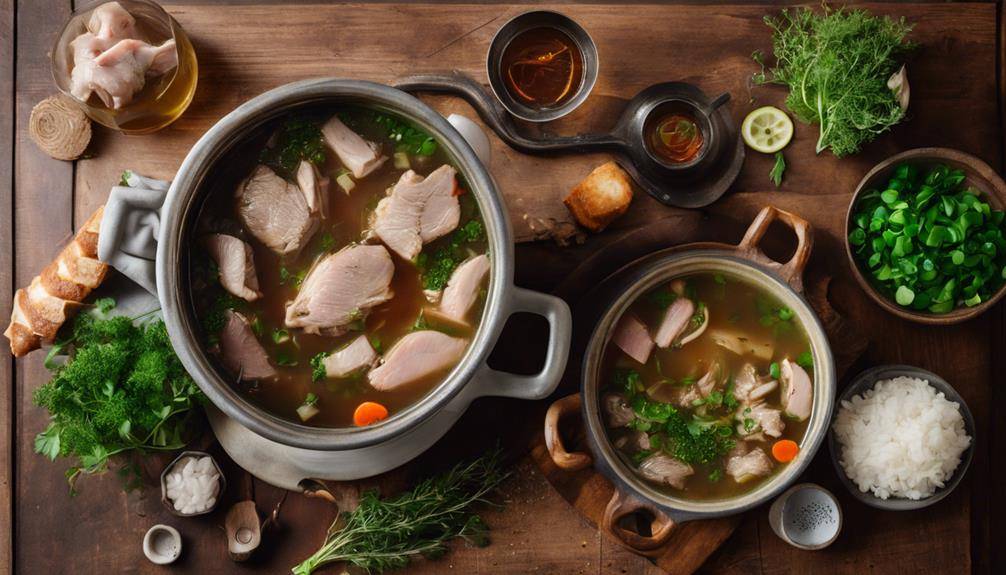
Can You Poach Meat: Yes, you can definitely poach meat, and it's a fantastic way to cook! Poaching involves gently simmering meat in water or broth at a temperature between 160°F to 180°F. This method retains moisture, making your meat tender and flavorful. It's best suited for chicken breasts, fish fillets, and shrimp since they cook quickly. Plus, you can infuse the poaching liquid with herbs and spices for extra flavor. Just keep an eye on the temperature and cooking time to avoid overcooking. If you're curious about the best techniques and recipes, there's more to explore!
Click Here and Turn Every Masterpiece into a Showstopper!
Understanding Poaching Techniques
When it comes to poaching meat, many home cooks might feel uncertain about the process. However, mastering poaching techniques can elevate your dishes and enhance meat textures. Poaching involves cooking meat in a gentle simmer, usually in water or broth, which helps retain moisture and flavor.
To get started, choose the right cut of meat. Chicken breasts and fish fillets are popular choices because they cook quickly and benefit from the moist heat. You'll want to prepare your poaching liquid, which can include aromatics like herbs, garlic, and onions. This adds depth to the flavor while keeping the meat tender.
Bring your poaching liquid to a gentle simmer—not a rolling boil. If it's too hot, your meat can become tough and rubbery, ruining the texture you're aiming for. Instead, aim for a temperature between 160°F to 180°F (70°C to 80°C), where small bubbles begin to rise to the surface. Once your liquid is at the right temperature, gently add your meat.
Keep an eye on the time; poaching usually takes about 15 to 20 minutes, depending on the cut and thickness. To check for doneness, use a meat thermometer to verify you reach safe internal temperatures. When the meat is cooked through, remove it from the liquid to prevent overcooking. By understanding and applying these poaching techniques, you'll create succulent meat dishes that showcase delightful textures.
Benefits of Poaching Meat
Poaching meat offers numerous advantages that can enhance your cooking experience and the quality of your dishes. This gentle cooking method involves simmering meat in liquid, which results in tender, juicy, and flavorful outcomes. One of the key benefits of poaching is its ability to retain moisture, making your meat less likely to dry out compared to other cooking techniques like grilling or roasting.
You'll also appreciate the health benefits of poaching. Since this method requires little to no added fats, it's a great way to prepare lean protein without unnecessary calories. You can infuse your poaching liquid with herbs, spices, and aromatics, which not only add flavor but also provide valuable nutrients. This means you can create delicious dishes while still keeping your meals balanced and healthy.
Another advantage of poaching is its versatility. Whether you're cooking chicken, fish, or even vegetables, this culinary technique allows you to adapt and experiment with various flavors and ingredients. Plus, the simplicity of the process makes it an excellent option for novice cooks or those pressed for time.
Best Meats for Poaching
If you're looking to explore the world of poaching, some meats work exceptionally well with this technique. Poaching is perfect for delicate proteins that can easily dry out or become tough when cooked using other methods. Chicken is a top choice; boneless, skinless chicken breasts poach beautifully, and you can expect cooking times of around 15-20 minutes, depending on the size.
Fish is another great option. Lean fish fillets, like cod or tilapia, require only about 10-15 minutes in the poaching liquid. The gentle heat keeps them flaky and moist. For a richer flavor, you might try salmon, which also benefits from poaching and takes about 15 minutes.
If you're feeling adventurous, consider poaching shrimp. They cook quickly, usually within 3-5 minutes, making them an excellent choice for a quick meal. Just keep an eye on them to avoid overcooking.
You can even explore poaching meats like pork tenderloin, which requires around 25-30 minutes. This method helps retain moisture and infuses the meat with the flavors of your poaching liquid.
Essential Poaching Liquids
Choosing the right poaching liquid can elevate your meat dishes and enhance flavor profiles. When you think about poaching, consider starting with water, but don't stop there. Broths and stocks can add depth, while wine introduces a touch of sophistication. Incorporating wine pairings into your poaching liquid is an excellent way to complement the meat you're preparing. For instance, white wine works wonderfully with delicate proteins like fish and chicken, while red wine can enhance heartier meats like beef or lamb.
Acidity balance is essential in poaching liquids. The right acidity can brighten flavors and help tenderize the meat. You can achieve this by adding a splash of vinegar or citrus juice to your poaching liquid. A mix of water, broth, and a bit of white wine with lemon juice can create a vibrant base for chicken. Similarly, red wine with a dash of balsamic vinegar can elevate the richness of beef.
Herbs and spices are your allies in this process. Adding fresh herbs like thyme, rosemary, or bay leaves to your poaching liquid infuses the meat with aromatic flavors. Don't forget about aromatics like garlic and onion, which can enhance the overall taste.
Step-by-Step Poaching Process
To get started with poaching meat, you'll need the right equipment and a suitable poaching liquid. Make sure you have a pot or deep skillet and select a flavorful liquid to enhance your dish. With these essentials in hand, you're ready to begin the poaching process.
Essential Poaching Equipment
When you're ready to poach meat, having the right equipment makes all the difference in achieving a perfectly tender result. First, you'll need a heavy-bottomed pot or skillet; this guarantees even heat distribution, vital for maintaining consistent poaching temperatures. A large enough pot allows the meat to be submerged without crowding, which can lead to uneven cooking.
Next, consider investing in a thermometer. This tool is essential for monitoring water temperature accurately, helping you maintain the ideal range for poaching. Most meats do well at temperatures between 160°F and 180°F.
Don't forget a slotted spoon or a spider; these poaching tools are handy for removing the meat from the liquid without tearing it apart. A lid is also important; it traps steam and helps retain heat, guaranteeing the poaching process is efficient.
Lastly, having a cutting board and sharp knife on hand will make your post-poaching prep easier. With these essential poaching tools, you're well-equipped to create beautifully poached meat that's tender and juicy.
Poaching Liquid Choices
Selecting the right poaching liquid can elevate your dish and enhance the meat's flavor. Start by considering your meat type and the flavor profile you want to achieve. For poultry, a light broth or white wine often works wonders. If you're poaching fish, opt for a broth variation infused with herbs or citrus to complement its delicate taste.
When choosing wine pairings, think about the overall dish. A Sauvignon Blanc can brighten chicken, while a dry Riesling pairs beautifully with seafood. Always remember to use a wine you'd enjoy drinking, as it directly impacts the final taste.
For richer meats like beef, a hearty red wine or a flavorful broth can add depth. You might even experiment with combining different liquids—like mixing broth with a splash of wine—to create a unique flavor profile.
Don't forget to add aromatics to your poaching liquid—herbs, spices, and aromatics like garlic or onion can impart extra layers of flavor. Taste as you go, adjusting to your preference. The right poaching liquid can transform your dish, making each bite a delightful experience.
Click Here and Turn Every Masterpiece into a Showstopper!
Tips for Perfectly Poached Meat
While poaching might seem like a simple cooking method, achieving perfectly poached meat requires attention to detail and a few essential techniques. First, focus on temperature control. You want to maintain a gentle simmer rather than a rolling boil, as high temperatures can toughen the meat. Use a thermometer to keep the water between 160°F and 180°F (71°C to 82°C). This range guarantees the meat cooks evenly without losing moisture.
Next, consider the size and thickness of your meat. For uniform cooking, cut your meat into similar-sized portions if you're poaching multiple pieces. This way, they'll cook at the same rate. Once you've added the meat to the poaching liquid, resist the urge to peek too often. Each time you lift the lid, you lose valuable heat, leading to uneven cooking.
Don't forget about resting time! After the meat is cooked, give it a few minutes to rest in the poaching liquid. This allows the juices to redistribute, resulting in a more tender and flavorful piece. If you're planning to serve the meat later, refrigerate it in the poaching liquid. This'll help maintain moisture and flavor until you're ready to enjoy your meal.
Common Poaching Mistakes
One of the most common poaching mistakes is cooking at too high a temperature. When you crank up the heat, you risk overcooking your meat, which can lead to a tough, dry result instead of the tender texture you're after. Poaching is meant to be a gentle cooking method, so maintaining proper temperature control is essential. Ideally, you want to keep the water at a simmer, around 160°F to 180°F, to guarantee even cooking without the harshness of boiling.
Another mistake is not allowing enough time for the meat to cook. Poaching requires patience, and rushing the process can lead to uneven results. It's better to check for doneness periodically rather than guessing. Use a meat thermometer to verify your meat is cooked through without going overboard, as overcooking risks can diminish the flavor and moisture.
Don't forget to take into account the size and type of meat you're poaching. Different proteins have varying cooking times, and thicker cuts will naturally need more time in the water. If you're unsure, look up specific poaching times for the meat you're using.
Flavoring Your Poached Meat
Poaching meat doesn't have to be bland; in fact, enhancing its flavor is a key part of the process. You can achieve this through various techniques that involve herb infusions, citrus zesting, and the careful use of aromatic vegetables. Start by choosing a flavorful poaching liquid, such as broth variations that complement the meat you're using. For chicken, a light chicken broth with herbs works wonders, while fish benefits from a seafood broth infused with lemon and dill.
Consider adding spice blends to your poaching liquid. A pinch of curry powder or paprika can elevate the flavor profile considerably. Don't forget about the impact of marinades; a quick soak in a mixture of olive oil, herbs, and citrus zest can transform your meat before it even hits the pot.
While poaching, think about seasoning balance. Salt is essential, but you can also incorporate other flavors. Using garlic, ginger, or shallots not only enhances the taste but also contributes to the aroma. As the meat cooks, it will absorb these flavors, creating a deliciously layered experience.
Recipe Ideas for Poached Meat
When it comes to poaching meat, choosing the right cuts can make all the difference. Think about tender options like chicken breasts, fish fillets, or pork loin for a delicious outcome. You'll also want to experiment with flavorful poaching liquids, like broth or wine, to enhance the taste even further.
Best Meats for Poaching
Many types of meat lend themselves beautifully to poaching, making it a versatile cooking method. Chicken breasts are a top choice, as they become tender and juicy when cooked at a poaching temperature of around 160°F (71°C). Aim for poaching times of about 15-20 minutes, depending on the size of the breasts.
Fish, like salmon or cod, also works wonderfully. Poach them at a slightly lower temperature, around 140°F (60°C), for 10-15 minutes to keep them flaky and moist.
If you're looking for something a bit different, consider poaching pork tenderloin. Set your poaching temperature to 160°F (71°C) and let it cook for about 30-40 minutes. The result is a flavorful, succulent cut that pairs well with various sauces.
Lastly, you can poach shrimp, which only need a quick dip in simmering water. Cook them at a poaching temperature of 160°F (71°C) for just 3-5 minutes for perfectly tender shrimp. With these meats, you can explore the delightful world of poaching and enjoy a range of delicious and healthy dishes.
Flavorful Poaching Liquids
To enhance the deliciousness of your poached meats, selecting the right poaching liquid is key. You can create a flavorful base that elevates your dish with just a few simple ingredients. Start with a broth or stock—chicken, vegetable, or fish work well. These provide a rich foundation for your poaching liquid.
Next, consider adding herb infusions. Fresh herbs like thyme, parsley, and dill can transform your poaching liquid into a fragrant bath. Simply tie the herbs together and let them steep in the simmering liquid for maximum flavor.
Citrus accents can also brighten your poached meats. Squeeze in some lemon or lime juice, or add slices of orange or grapefruit for a revitalizing twist. The acidity not only enhances flavor but also helps tenderize the meat.
For an Asian-inspired twist, try incorporating ginger, garlic, and soy sauce into your poaching liquid. Alternatively, a splash of white wine paired with herbs can create a sophisticated flavor profile.
Experiment with different combinations to find your perfect poaching liquid. With the right ingredients, you'll transform ordinary poached meats into extraordinary culinary delights!
Click Here and Turn Every Masterpiece into a Showstopper!
Frequently Asked Questions: Can You Poach Meat
Can Poached Meat Be Frozen for Later Use?
Yes, you can freeze poached meat for later use. Just make certain it cools completely before packaging. Use airtight containers or freezer bags to prevent freezer burn, and label them for easy identification during storage.
How Long Does Poached Meat Last in the Fridge?
Poached meat lasts about three to four days in the fridge when stored properly. To guarantee poaching safety, keep it in an airtight container. Always check for freshness before consuming after a few days.
Is Poaching Suitable for Vegetarian Protein Sources?
Vegetarian poaching works well for protein alternatives like tofu or tempeh. It infuses flavors while keeping the texture tender. You'll enjoy experimenting with various herbs and spices to enhance the dish's taste.
Can You Poach Meat in a Slow Cooker?
You can definitely use slow cooker techniques to poach meat. This method retains moisture and enhances flavor, offering poaching benefits like tenderness and reduced cooking time, making it a great option for busy cooks like you.
What Kitchen Tools Are Essential for Poaching Meat?
For poaching meat, you'll need essential equipment like a deep pot, a thermometer to monitor temperature, and a slotted spoon for easy removal. Mastering these poaching techniques guarantees perfectly tender and flavorful results every time.

Conclusion
To sum up, poaching is a fantastic method to achieve tender, flavorful meat without losing moisture. By choosing the right cuts and using flavorful liquids, you can elevate your dishes effortlessly. Remember to follow the steps closely and avoid common mistakes for the best results. With a bit of practice, you'll master the art of poaching and impress your family and friends with delicious meals. So, grab your pot and start experimenting with poaching today!