14 Easy Essential Meal Prep Tips For Fitness Enthusiasts
14 Easy Essential Meal Prep Tips For Fitness; You’ve been hitting the gym regularly, putting in the hard work to achieve your fitness goals. But have you ever considered the crucial role that meal prep plays in your progress? Coincidentally, we’ve compiled 14 essential meal prep tips specifically for fitness enthusiasts like you. From setting clear goals to staying consistent and flexible, these tips will help you optimize your nutrition and fuel your workouts effectively. So, are you ready to take your fitness journey to the next level? Let’s dive in and discover how meal prep can revolutionize your results.
We’ve Got Everything You Need to Make Your Masterpiece.
Set Clear Goals
To ensure success in your meal prep journey, it is vital to set clear and specific goals that align with your fitness aspirations. Clear objectives and goal setting provide a roadmap to follow, keeping you focused and motivated along the way.
When setting your goals, be specific about what you want to achieve. Instead of saying, “I want to eat healthier,” set a clear objective like, “I will meal prep nutritious meals five days a week.” This specificity helps you visualize your goal and creates a sense of direction.
Additionally, make sure your goals are realistic and attainable. Setting overly ambitious goals can lead to frustration and discouragement. Start with small, achievable milestones and gradually increase the difficulty as you progress. For example, if you currently eat out for lunch every day, start by prepping your lunches for three days a week and gradually increase to five days.
Furthermore, it’s crucial to align your goals with your fitness aspirations. Consider what you want to achieve through your meal prepping efforts. Do you want to lose weight, gain muscle, or improve overall health? Tailor your goals to support these aspirations. For instance, if your aim is to lose weight, set a goal of prepping portion-controlled meals that adhere to your calorie needs.
Plan Your Meals
To effectively plan your meals, you need to focus on two key points: time management and nutritional balance. By setting aside dedicated time each week to meal prep, you can save time during the busy weekdays and ensure that you have healthy options readily available. Additionally, it’s important to consider the nutritional balance of your meals by including a variety of lean proteins, whole grains, fruits, and vegetables to fuel your fitness goals and support your overall health.
Time Management
Effective time management is crucial for fitness enthusiasts when it comes to planning their meals. Efficient planning and productivity hacks can help you stay on track with your nutrition goals and save time in the long run. One strategy is to set aside a specific time each week to plan and prepare your meals. This allows you to create a meal schedule, make a shopping list, and batch cook your meals in advance. Another productivity hack is to use meal prep containers to portion out your meals for the week. This not only saves time during busy weekdays but also helps you stay on track with your portion sizes. By implementing these time management strategies, you can ensure that your meals are prepped and ready to go, making it easier to stick to your fitness goals.
Nutritional Balance
Once you have efficiently managed your time and planned your meals, the next step is to ensure a nutritional balance in your meal prep. Nutritional planning is crucial to support your fitness goals and maintain overall health. When planning your meals, aim for a balance of macronutrients – carbohydrates, proteins, and fats – as well as essential vitamins and minerals. Include a variety of colorful fruits and vegetables to ensure a diverse range of nutrients. Additionally, pay attention to meal timing. Consuming a balanced meal before and after your workouts can optimize performance and recovery. For example, a pre-workout meal should be rich in carbohydrates for energy, while a post-workout meal should prioritize protein to aid in muscle repair and growth. Remember, a well-balanced meal plan will not only fuel your workouts but also promote overall well-being.
Choose Nutrient-Dense Foods
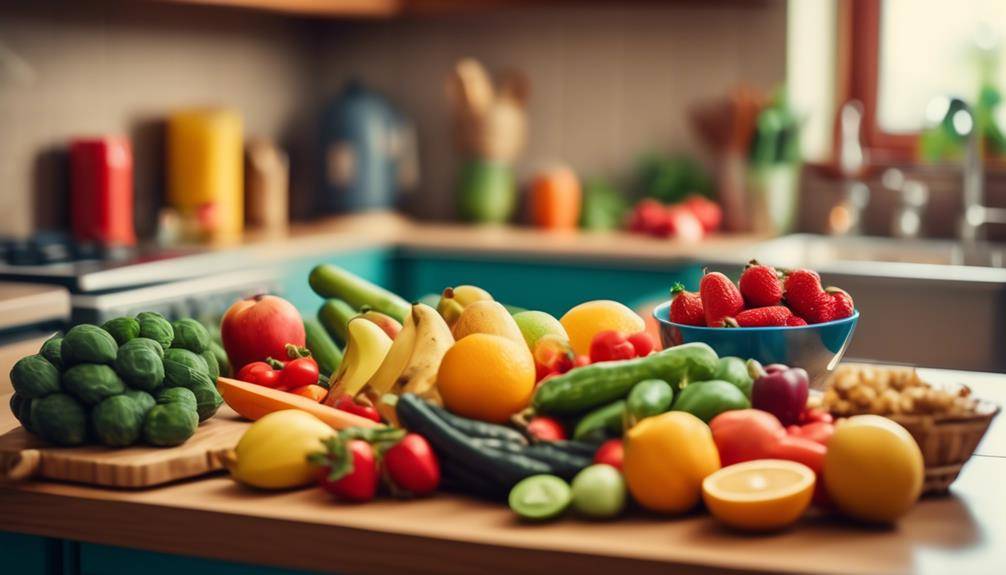
When it comes to meal prepping for fitness, choosing nutrient-dense foods is crucial. These foods are packed with essential vitamins, minerals, and antioxidants that support optimal health and performance. By selecting nutrient-dense options like lean proteins, whole grains, fruits, and vegetables, you can ensure that your meals are not only satisfying but also provide the necessary nutrients for your fitness goals.
Importance of Nutrients
To maximize the nutritional benefits of your meals, prioritize choosing foods that are rich in essential nutrients. Nutrient-dense foods are packed with vitamins, minerals, and other micronutrients that are vital for your overall health and fitness goals. These nutrients play a crucial role in various bodily functions, including metabolism, immune function, and muscle recovery. Incorporating a variety of nutrient-dense foods into your meal prep ensures that you are getting a wide range of essential nutrients. Additionally, nutrient timing is another important aspect to consider. Consuming the right nutrients at the right time can optimize your energy levels and support your fitness performance. For example, consuming carbohydrates before a workout provides the necessary fuel for your muscles, while protein intake after exercise aids in muscle repair and growth. By selecting nutrient-dense foods and timing your nutrient intake appropriately, you can enhance your overall health and fitness journey.
Optimal Food Choices
Make smart choices by selecting nutrient-dense foods to fuel your fitness journey. Optimal food choices are crucial when it comes to meal planning strategies for fitness enthusiasts. Here are five nutrient-dense foods to consider including in your meal prep:
- Leafy Greens: Packed with vitamins, minerals, and fiber, leafy greens like spinach and kale can boost your overall health and support muscle recovery.
- Lean Proteins: Chicken, turkey, fish, and tofu are excellent sources of lean protein, essential for muscle repair and growth.
- Whole Grains: Opt for whole grains like quinoa, brown rice, and whole wheat bread, which provide sustained energy and essential nutrients.
- Healthy Fats: Incorporate foods like avocados, nuts, and olive oil into your meal prep to support brain function and promote heart health.
- Colorful Fruits and Vegetables: These vibrant foods are rich in antioxidants, vitamins, and minerals, aiding in recovery, immune support, and overall well-being.
Balanced Macronutrient Intake
A balanced macronutrient intake is essential for fitness enthusiasts, and choosing nutrient-dense foods is key to achieving optimal results. To ensure you are meeting your macronutrient needs, it is important to track your intake. Macronutrients, including carbohydrates, proteins, and fats, provide the energy and nutrients your body needs to function properly and support your fitness goals. By tracking your macronutrient intake, you can adjust your meal planning accordingly and ensure you are getting the right balance of nutrients. When planning your meals, focus on incorporating nutrient-dense foods such as lean proteins, whole grains, fruits, and vegetables. These foods not only provide essential vitamins and minerals but also help keep you feeling satisfied and energized throughout the day. Remember, a balanced macronutrient intake is crucial for fueling your workouts and promoting muscle recovery and growth.
We’ve Got Everything You Need to Make Your Masterpiece.
Invest in Quality Containers
Investing in high-quality containers is essential for fitness enthusiasts looking to streamline their meal prep routine. Not only do these containers offer a range of benefits, but they also help in maintaining container organization. Here are five reasons why you should invest in quality containers:
- Improved durability: High-quality containers are made from sturdy materials that can withstand regular use and last for a long time. This means you won’t have to worry about them breaking or leaking, ensuring your meals stay fresh and intact.
- Enhanced insulation: Quality containers have better insulation properties, keeping your meals at the right temperature for longer periods. This is especially important if you’re meal prepping for the entire week and need to ensure your food stays fresh and safe to eat.
- Easy to clean: Investing in quality containers means you’ll have containers that are easy to clean. They are often dishwasher-safe, making it convenient for you to maintain cleanliness and hygiene in your meal prep routine.
- Portion control: Many high-quality containers come with built-in portion control compartments, allowing you to accurately measure and portion your meals. This is crucial for fitness enthusiasts who closely monitor their calorie intake and macronutrient ratios.
- Stackable design: Quality containers are often designed to be stackable, optimizing storage space in your refrigerator or pantry. This makes it easier to organize and store your prepped meals, saving you time and effort.
Investing in high-quality containers is a smart decision for fitness enthusiasts. Not only do they offer durability, insulation, and easy cleaning, but they also provide portion control and convenient storage options. Remember, a well-organized meal prep routine is key to staying on track with your fitness goals.
Batch Cook Protein
To maximize efficiency and ensure a steady supply of protein, consider batch cooking your protein sources. Batch cooking protein is a meal prep technique that involves cooking a large quantity of protein at once and storing it for later use. By doing so, you can save time and effort during the week, as you will have pre-cooked protein readily available for your meals.
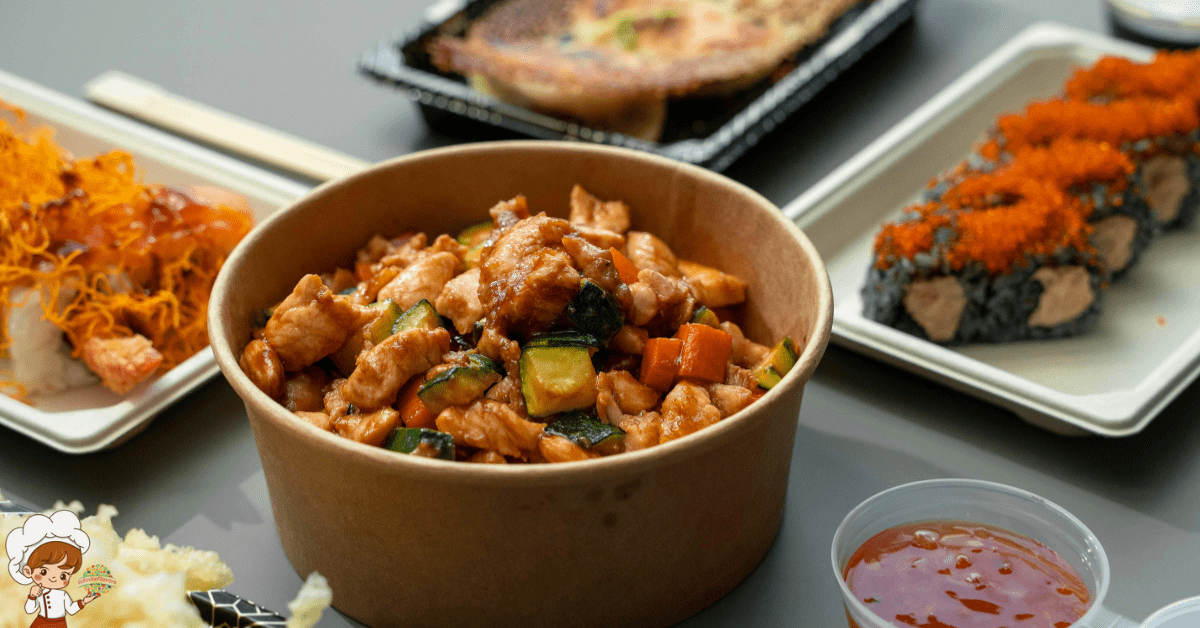
When batch cooking protein, it is important to choose protein sources that are versatile and can be used in a variety of dishes. Chicken breast, lean ground turkey, and tofu are great options as they can be seasoned and used in salads, stir-fries, or as a main protein source in your meals.
To successfully batch cook protein, start by planning your meals for the week. This will help you determine how much protein you will need and how to divide it into portions. Once you have your protein source, season it according to your taste preferences, and cook it in bulk. Grilling, baking, or sautéing are all great methods for batch cooking protein.
After cooking, let the protein cool down before portioning it into individual servings. Use airtight containers or freezer-safe bags to store the protein in the refrigerator or freezer. Label each container with the type of protein and date to keep track of freshness.
When it’s time to use the batch-cooked protein, simply thaw it in the refrigerator overnight or reheat it in the microwave or stovetop. Remember to consume the protein within a safe timeframe to avoid any foodborne illnesses.
Batch cooking protein is a time-saving strategy that allows you to have a convenient and reliable source of protein throughout the week. By planning your meals, cooking in bulk, and properly storing your protein, you can stay on track with your fitness goals and make meal prepping a breeze.
Prep Veggies in Advance
Prepping your veggies in advance can be a game-changer for your meal prep routine. Not only does it save you time in the kitchen, but it also ensures that you have nutrient-rich vegetables ready to go when you need them. By taking the time to wash, chop, and store your veggies ahead of time, you’ll have convenient options at your fingertips to incorporate into your meals throughout the week.
Time-Saving Meal Prep
If you want to save time during meal prep, consider prepping your vegetables in advance. By following this simple time-saving technique, you can streamline your cooking process and have nutritious meals ready in no time. Here are some meal prep hacks to help you get started:
- Chop your veggies and store them in airtight containers or ziplock bags. This way, they will stay fresh and ready to use throughout the week.
- Blanch your vegetables briefly before storing them. This will help retain their color and texture.
- Invest in a good quality vegetable peeler and spiralizer to make prepping even quicker and easier.
- Use frozen vegetables as a backup option. They are just as nutritious and can save you time on peeling and chopping.
- Plan your meals ahead of time and create a grocery list. This will help you stay organized and ensure that you have all the necessary ingredients on hand.
Nutrient-Rich Vegetable Options
Preparing your vegetables in advance is a smart and efficient way to ensure you have nutrient-rich options readily available for your meals. By prepping your veggies ahead of time, you can save time during your busy week and make it easier to stick to your fitness goals. One great way to incorporate prepped vegetables into your meals is by adding them to nutrient-packed smoothies. Simply chop and freeze your favorite veggies, like spinach, kale, or carrots, and blend them with fruits and protein powder for a delicious and nutritious smoothie. Another option is to create roasted vegetable medleys. Chop a variety of vegetables, such as broccoli, bell peppers, and zucchini, and toss them in olive oil and your favorite seasonings. Roast them in the oven until tender and enjoy them as a side dish or add them to salads and wraps for added flavor and nutrients. Prepping your veggies in advance ensures that you always have healthy options on hand and makes mealtime a breeze.
We’ve Got Everything You Need to Make Your Masterpiece.
Portion Control
To ensure proper portion control, focus on measuring your food accurately and using smaller plates to create the illusion of a larger portion. Portion control is essential for maintaining a healthy diet and achieving your fitness goals. Here are some meal prepping techniques that can help you master portion control:
- Use measuring cups and spoons: Measuring your food with precision ensures that you are consuming the right amount of calories, proteins, and other nutrients. This practice can help you avoid overeating and maintain a balanced diet.
- Plan your meals in advance: By planning your meals ahead of time, you can portion out the right amounts of each food group. This not only saves you time but also helps you avoid impulsive eating decisions.
- Invest in portion control tools: Portion control plates, containers, and dividers can visually guide you to portion your meals appropriately. These tools can be especially helpful for those who struggle with estimating portion sizes.
- Fill up on vegetables: Incorporating a generous amount of vegetables into your meals can help you feel full while consuming fewer calories. Vegetables are low in calories and high in nutrients, making them an ideal choice for portion control.
- Practice mindful eating: Slow down and savor each bite. Pay attention to your body’s hunger and fullness cues. By eating mindfully, you are more likely to eat the right amount and avoid overeating.
Incorporate Healthy Fats
Incorporating healthy fats into your meals can enhance flavor, promote satiety, and support overall health and fitness goals. While fats have been demonized in the past, research now shows that healthy fats play a crucial role in maintaining optimal health. When it comes to meal prep, there are several hacks you can use to incorporate healthy fats into your meals seamlessly.
One simple way to include healthy fats in your meal prep is by using oils such as olive oil, avocado oil, or coconut oil to cook your food. These oils are rich in monounsaturated and polyunsaturated fats, which have been linked to improved heart health and reduced inflammation. Additionally, you can add a tablespoon of nut butter or avocado to your smoothies or oats for an extra dose of healthy fats.
Another trick is to include fatty fish like salmon, mackerel, or sardines in your meal prep. These fish are excellent sources of omega-3 fatty acids, which have been shown to support brain health, reduce inflammation, and improve heart health. You can bake or grill a batch of fish at the beginning of the week and portion it out for easy-to-reheat meals.
Nuts and seeds are also great additions to your meal prep routine. They are packed with healthy fats, fiber, and essential nutrients. Sprinkle some almonds, walnuts, or chia seeds on top of your salads or yogurt for added crunch and nutrition.
Incorporating healthy fats into your meal prep doesn’t have to be complicated. By using these simple hacks, you can easily elevate the flavor and nutritional value of your meals while supporting your fitness goals.
Utilize Make-Ahead Breakfasts
Are you tired of rushing in the morning and settling for unhealthy breakfast options? Utilizing make-ahead breakfasts can save you time and ensure you start your day with a nutritious meal. By preparing your breakfasts in advance, you can have a variety of options ready to grab and go, such as overnight oats, egg muffins, or chia pudding.
Time-Saving Morning Meals
Save time in the morning by preparing make-ahead breakfasts that are both convenient and nutritious. Here are some time-saving breakfast ideas and make-ahead recipes to help you start your day right:
- Overnight oats: Mix oats, milk or yogurt, and your favorite toppings in a jar the night before. In the morning, grab and go!
- Egg muffins: Make a batch of egg muffins filled with veggies, cheese, and protein. Reheat them in the morning for a quick and filling breakfast.
- Smoothie packs: Pre-portion your favorite smoothie ingredients in freezer bags. In the morning, just blend with liquid for a refreshing and nutritious breakfast.
- Breakfast burritos: Wrap scrambled eggs, veggies, and cheese in a tortilla. Freeze individually for a grab-and-go breakfast option.
- Chia seed pudding: Combine chia seeds, milk, and sweetener in a jar. Let it sit overnight and top with fruits or nuts in the morning.
With these make-ahead breakfasts, you can save time and still enjoy a delicious and healthy meal to fuel your day.
Nutritious Breakfast Options
To ensure a nutritious start to your day, consider incorporating these make-ahead breakfast options into your meal prep routine. Meal planning strategies can help you save time and ensure that you are fueling your body with the right nutrients. One option is overnight oats, which can be prepared the night before using rolled oats, milk or yogurt, and your choice of toppings like fruits, nuts, or seeds. Another option is egg muffins, made by whisking eggs with vegetables and cheese, then baking them in muffin tins. These can be stored in the fridge and reheated for a quick and protein-packed breakfast. Chia pudding is also a great option, made by combining chia seeds with milk or yogurt and letting it sit overnight. These make-ahead breakfasts are not only convenient but also provide essential nutrients to keep you energized throughout the day.
We’ve Got Everything You Need to Make Your Masterpiece.
Prepare Snacks in Bulk
Prepare snacks in bulk to save time and ensure you have healthy options readily available throughout the week. When it comes to maintaining a fitness-focused lifestyle, having nutritious snacks on hand is essential. By preparing snacks in bulk, you can make your life easier and stay on track with your goals. Here are some bulk snack ideas and snack prep hacks to help you stay fueled and satisfied throughout the week:
- Trail Mix: Create your own custom blend of nuts, seeds, dried fruits, and dark chocolate chips. Portion them into individual snack bags or containers for a quick grab-and-go option.
- Energy Balls: Whip up a batch of energy balls using ingredients like oats, nut butter, honey, and your choice of mix-ins (such as chia seeds, flaxseeds, or dried fruit). Store them in the fridge for a convenient and protein-packed snack.
- Hard-Boiled Eggs: Boil a dozen eggs at once and keep them in the refrigerator for a protein-packed snack or addition to salads and sandwiches.
- Vegetable Sticks and Hummus: Cut up a variety of vegetables such as carrots, celery, and bell peppers. Portion them into containers and pair with individual servings of hummus for a satisfying and nutritious snack.
- Homemade Granola Bars: Make a batch of homemade granola bars using wholesome ingredients like oats, nuts, seeds, and natural sweeteners like honey or maple syrup. Cut them into bars and store in an airtight container for a quick and easy snack.
Don’t Forget About Hydration
Don’t overlook the importance of staying hydrated to support your fitness goals and overall well-being. Hydration is essential for maintaining optimal bodily functions and performance during workouts. When you exercise, your body loses water through sweat, and it’s crucial to replenish those fluids to avoid dehydration and its negative effects.
Staying hydrated during workouts offers numerous benefits. Firstly, adequate hydration helps regulate your body temperature, allowing you to perform better and for longer periods. It also supports cardiovascular function by maintaining blood volume and preventing dizziness or lightheadedness during intense exercise. Hydration is also essential for muscle function and recovery, as it helps transport nutrients and oxygen to your muscles, preventing cramps and promoting optimal performance.
To stay hydrated during workouts, it’s important to drink fluids before, during, and after exercise. Aim to drink at least 8-10 ounces of water 30 minutes before your workout to ensure you start adequately hydrated. During your workout, sip on water or sports drinks every 15-20 minutes, especially if you’re engaging in endurance activities or exercising in hot weather. After your workout, replenish your fluid levels by drinking at least 16-24 ounces of water or a sports drink.
Remember that individual hydration needs may vary depending on factors such as body size, sweat rate, and exercise intensity. To monitor your hydration levels, pay attention to the color of your urine. If it’s pale yellow, you’re likely hydrated, but if it’s dark, you need to drink more fluids.
Schedule Your Prep Time
Make sure to allocate specific times in your schedule for meal prep to ensure consistency and efficiency in your fitness journey. Time blocking is a proven technique that can help you stay on track and make meal prep a seamless part of your routine. Here are some meal prep hacks to help you schedule your prep time effectively:
- Prioritize meal prep: Treat it as an important appointment in your calendar. Block off dedicated time each week for meal prep, just like you would for a workout or a meeting.
- Choose the right day: Pick a day that works best for you. Some people prefer prepping on Sundays to get ready for the upcoming week, while others find mid-week prepping more convenient.
- Set aside enough time: Estimate how long it takes you to prep your meals and allocate that time accordingly. Consider the number of meals you’re prepping, the complexity of the recipes, and your own efficiency in the kitchen.
- Break it down: If setting aside a large chunk of time seems overwhelming, break your meal prep into smaller sessions throughout the week. For example, you could chop vegetables one evening and cook proteins another day.
- Make it enjoyable: Put on some upbeat music or listen to a podcast while you prep. This can make the process feel less like a chore and more like self-care.
Label and Organize Your Meals
To ensure that your meal prep is organized and easy to navigate, it’s essential to label your meals appropriately. Proper labeling techniques will not only save you time and effort but also help you stay on track with your fitness goals. Here are some meal prep hacks to help you label and organize your meals effectively.
Firstly, make sure to use clear and concise labels. Clearly indicate the name of the dish and the date it was prepared. This will help you keep track of how long each meal has been stored and prevent any food wastage or spoilage.
Another useful labeling technique is color-coding. Assign a specific color to each day of the week or each meal category (such as breakfast, lunch, and dinner). Use colored stickers or marker pens to mark the containers accordingly. This will make it easier for you to quickly identify and grab the desired meal without wasting time.
Additionally, consider including important information on the labels, such as the macronutrient content or calorie count of each meal. This can be especially helpful if you’re following a specific diet plan or monitoring your intake. You can either calculate this information in advance or use an app or online tool to determine the nutritional value of your meals.
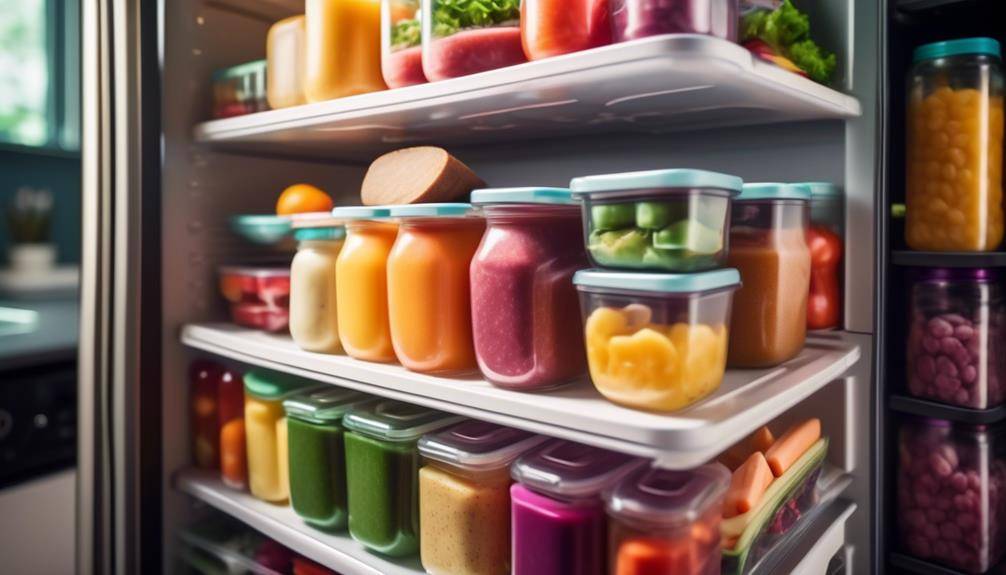
Lastly, don’t forget to organize your labeled meals properly. Arrange them in the fridge or freezer in a systematic manner, such as stacking them by day or meal category. This will save you from digging through a jumbled mess and ensure that your meals are easily accessible.
We’ve Got Everything You Need to Make Your Masterpiece.
Stay Consistent and Flexible
Consistency and flexibility are key when it comes to maintaining a successful meal prep routine. To help you stay on track with your goals and make meal prep a sustainable habit, here are some tips and strategies to stay consistent and flexible:
- Set a schedule: Consistency starts with planning. Dedicate specific days and times each week for meal prep. Treat it like an important appointment that you can’t miss.
- Batch cook: Prepare larger portions of healthy meals and ingredients in advance. This allows you to save time and have meals ready to go throughout the week.
- Plan for contingencies: Life can be unpredictable, so it’s important to have backup options. Keep some frozen meals or meal replacement shakes on hand for those days when you can’t stick to your regular meal prep routine.
- Be adaptable: Don’t be afraid to switch things up. You don’t have to eat the same meals every day. Experiment with different recipes and flavors to keep things interesting.
- Practice mindful indulgence: Flexibility is crucial for long-term success. Allow yourself to enjoy occasional treats or dine out without feeling guilty. It’s all about finding balance and making sustainable choices.
Frequently Asked Questions: 14 Easy Essential Meal Prep Tips For Fitness
How Do I Set Clear Goals for My Meal Prep?
To set clear goals for your meal prep, start by setting realistic and measurable objectives. Plan your meals in advance and consider portion sizes, macronutrient balance, and calorie intake. These strategies will help you stay on track and achieve your fitness goals.
What Are Some Examples of Nutrient-Dense Foods to Include in My Meal Prep?
Include nutrient-dense foods like lean proteins (chicken, fish), whole grains (quinoa, brown rice), and fruits/vegetables in your meal prep. Balance macronutrients by combining carbs, proteins, and healthy fats to support your fitness goals.
What Are the Benefits of Investing in Quality Containers for Meal Prep?
Investing in quality containers for meal prep is important because it offers several benefits. The benefits include keeping your food fresh, preventing leaks, and allowing for easy organization. So, prioritize quality containers for a better meal prep experience.
How Can I Incorporate Healthy Fats Into My Meal Prep?
To incorporate healthy fats into your meal prep, you can include foods like avocados, nuts, seeds, and olive oil. These options provide essential nutrients and can be easily added to your meals for a boost of healthy fats.
What Are Some Make-Ahead Breakfast Ideas That I Can Include in My Meal Prep?
To make your meal prep easier, try making make-ahead smoothies and overnight oats. These breakfast ideas can be prepared in advance and stored in the fridge, so you can grab them quickly in the morning.

Conclusion
In conclusion, following these essential meal prep tips can greatly benefit fitness enthusiasts. By setting clear goals, planning meals, and choosing nutrient-dense foods, individuals can optimize their nutrition for optimal performance. Investing in quality containers and batch cooking protein can save time and ensure meals are easily accessible. Staying hydrated, scheduling prep time, and labeling and organizing meals promote consistency and flexibility. By implementing these strategies, fitness enthusiasts can fuel their bodies effectively and efficiently.