15 Tasty Filipino Chicken Dishes: A Beginner’s Guide
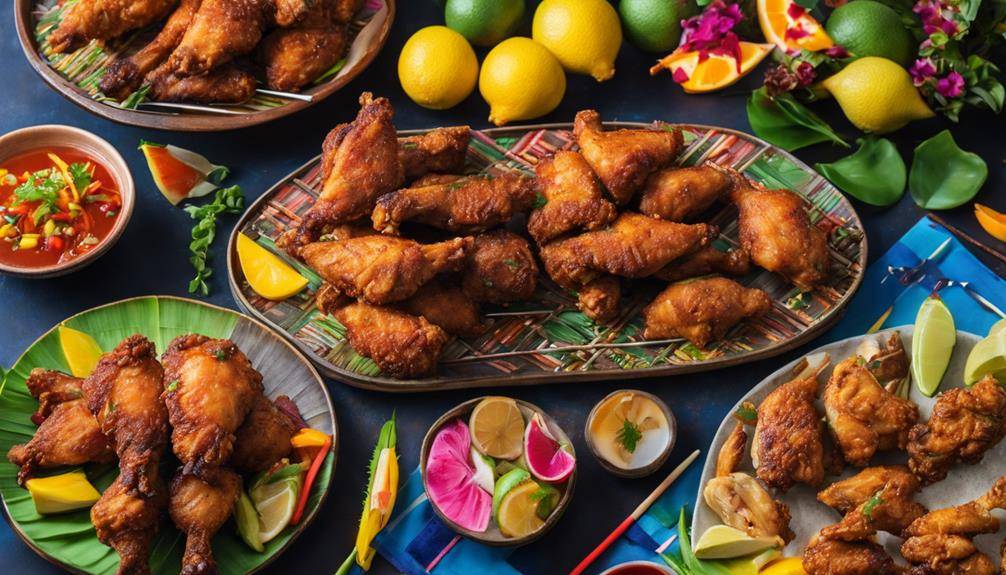
15 Tasty Filipino Chicken Dishes: A Beginner’s Guide: If you’re diving into Filipino cuisine, you’ll love these 15 tasty chicken dishes! Start with Chicken Adobo, a savory classic, or try the tangy Chicken Sinigang for a revitalizing soup. For something grilled, Chicken Inasal adds a smoky flavor that’ll impress your friends. Don’t forget about Chicken Tinola with its comforting broth and veggies. Each dish offers unique flavors, from the creamy Chicken Kare-Kare to the crispy Chicken Lumpia. You’ll find plenty of variations to explore and enjoy. Keep going to uncover more delightful recipes and tips to elevate your cooking game!
Click Here and Turn Every Masterpiece into a Showstopper!
Chicken Adobo
When it comes to iconic Filipino dishes, Chicken Adobo stands out as a favorite. You'll find it in homes and restaurants across the Philippines, celebrated for its rich flavors and versatility. This dish has a fascinating adobo history, rooted in the Spanish colonization of the Philippines. The word "adobo" itself is derived from the Spanish term for marinade, and over the years, it evolved into a cooking method unique to Filipino culture.
What makes Chicken Adobo so special is the variety of adobo variations you can try. Each region of the Philippines boasts its own twist on the classic recipe, using different ingredients and cooking styles. Some versions include coconut milk, while others might incorporate local vegetables or fruits, like pineapples or potatoes. You might even encounter adobo cooked with vinegar, soy sauce, and garlic, all simmered to perfection.
As you prepare Chicken Adobo in your kitchen, you'll appreciate how adaptable it is. Whether you prefer a sweet, savory, or spicy flavor profile, there's an adobo variation that suits your taste. You can easily customize the dish by adjusting the seasoning or adding your favorite spices.
Ultimately, Chicken Adobo isn't just a meal; it's a symbol of Filipino culture and family gatherings. So, the next time you're craving comfort food, remember that this dish has a rich history and endless possibilities for you to explore.
Chicken Sinigang
Sinigang, a beloved Filipino sour soup, offers a revitalizing contrast to the savory richness of Chicken Adobo. This dish is a staple in many Filipino households, known for its tangy flavor profile that can lift your spirits and warm your soul. When you make Chicken Sinigang, you'll find that the key to mastering it lies in achieving the perfect sourness balance. Too much sourness can overpower the other flavors, while too little might leave the dish feeling flat.
You can explore various sinigang variations, depending on your taste preferences and available ingredients. For instance, you might use ingredients like tamarind, green mango, or kalamansi to achieve that signature tang. Each variation brings its unique twist, allowing you to experiment and find your ideal version.
In making Chicken Sinigang, start by sautéing onions and tomatoes to build a flavorful base. Then, add your chicken pieces, allowing them to absorb the flavors. Pour in your souring agent of choice, and let it simmer until the chicken is tender. Finally, toss in some vegetables like radish, eggplant, and water spinach for added texture and nutrition.
As you taste, adjust the sourness balance to your liking. You'll love how this dish not only satisfies your hunger but also captivates your taste buds with its invigorating, tart essence. Enjoy your journey into the world of Chicken Sinigang!
Chicken Inasal
Chicken Inasal is a vibrant and flavorful grilled chicken dish that hails from the Philippines, particularly the Visayas region. It's a must-try for anyone looking to explore Filipino cuisine. The beauty of Chicken Inasal lies not just in its taste but also in the grilling techniques that bring out the chicken's natural flavors. The marinade typically includes vinegar, calamansi juice, garlic, and a mix of spices, giving the chicken a tangy and aromatic profile.
When preparing Chicken Inasal, you'll notice that the cooking method is as important as the marinade itself. You'll often use charcoal for a smoky flavor, which enhances the dish. Basting the chicken with a mixture of annatto oil while grilling adds a rich color and additional flavor.
As you immerse yourself in this dish, pay attention to the regional variations. Different provinces may have their unique twists—some use coconut milk or lemongrass, while others might add different spices. This variety makes Chicken Inasal a delightful dish to experiment with.
To serve, you can pair it with garlic rice and a side of pickled vegetables for a complete meal. Whether you're grilling it for a family gathering or simply indulging on a weekend, Chicken Inasal will surely impress your taste buds and leave you wanting more. So grab your ingredients, fire up the grill, and enjoy this culinary treasure from the Philippines!
Chicken Tinola
Now that you've enjoyed Chicken Inasal, let's explore Chicken Tinola, a comforting Filipino dish. You'll love the key ingredients like ginger, green papaya, and chicken that come together in a warm broth. We'll also look at how to cook it and some great serving suggestions to elevate your meal.
Key Ingredients Overview
At the heart of Chicken Tinola lies a harmonious blend of fresh ingredients that create its signature flavor. You'll typically start with chicken varieties like native or free-range, which add depth and richness to the broth. The choice of chicken is essential as it influences the overall taste and texture.
Filipino spices, such as ginger, garlic, and onions, are vital for flavor balancing. These ingredients not only enhance the dish but also reflect the cultural significance of Filipino cuisine. Fresh vegetables, like green papaya and chili leaves, contribute to the meal's nutrition and aesthetic appeal.
When it comes to ingredient sourcing, local markets are often the best bet for finding the freshest produce and chicken. Each region in the Philippines may have its unique spin on Chicken Tinola, showcasing regional differences that make the dish even more interesting.
Understanding the cooking techniques involved in preparing Chicken Tinola will help you appreciate its depth. It's not just about throwing everything together; it's a thoughtful meal preparation that honors tradition while allowing for personal touches. Enjoy creating this comforting dish that's loved across generations!
Cooking Method Explained
To create a perfect Chicken Tinola, understanding the cooking method is key. Start with marinating essentials; use a mix of ginger, garlic, and fish sauce to infuse flavor into the chicken. Then, employ sautéing methods to cook your aromatics, like onions and ginger, until they're fragrant. This step sets the foundation for a rich broth.
Next, braising basics come into play. Add your marinated chicken to the pot, allowing it to brown slightly before pouring in water. Let it simmer gently, capturing the essence of poaching secrets to keep the meat tender and juicy. As the chicken cooks, consider incorporating steaming tips for any vegetables you plan to add, like green papaya or spinach, ensuring they retain their nutrients.
If you want to explore frying variations, you could fry the chicken before adding it to the broth for an extra layer of flavor. Finally, while roasting styles aren't traditional for Chicken Tinola, you can always experiment with it for a different take. Master these methods, and you'll be well on your way to making this comforting Filipino dish!
Serving Suggestions Ideas
When serving Chicken Tinola, a generous bowl of this comforting soup is sure to warm hearts and satisfy appetites. To elevate your meal presentation, consider using beautiful serving platters that highlight the vibrant colors of the dish. Pair it with side dish pairings like steamed rice, which absorbs the savory broth beautifully. For flavor enhancements, sprinkle a bit of fresh lime or calamansi juice into each bowl just before serving.
Garnish ideas can include fresh green onions or a few sprigs of cilantro to add a pop of color and zest. You might also want to offer various sauce options, like soy sauce or a spicy vinegar dip, to cater to different taste preferences. For drink accompaniments, serve invigorating beverages like iced tea or lemonade, perfect for festive occasions.
Don't forget the cultural significance of Chicken Tinola; it's often enjoyed during family-style serving, creating a warm, communal atmosphere. Whether it's a weeknight dinner or a special gathering, these suggestions will guarantee your Chicken Tinola is a hit, making it a memorable experience for everyone at the table.
Chicken Kare-Kare
Now that you've enjoyed Chicken Tinola, it's time to explore Chicken Kare-Kare, a flavorful dish that's rich in peanut sauce and packed with vegetables. You'll want to gather the key ingredients and follow the preparation steps to create this classic Filipino meal. Don't forget to reflect on traditional serving suggestions that make this dish even more special!
Ingredients and Preparation Steps
For a delicious Chicken Kare-Kare, you'll need a variety of ingredients that come together to create its rich and unique flavor. Start with chicken, typically cut into pieces, along with peanut butter for that signature taste. You'll also need oxtail or beef shank for added depth, though you can skip this if you prefer a lighter dish. Fresh vegetables like eggplant, banana heart, and string beans are essential for texture and flavor combinations.
To prepare, first, use the sautéing technique to brown the chicken in a pot. Once browned, add water and simmer until tender. In a separate pan, mix peanut butter with a bit of broth, stirring to avoid lumps. Combine this mixture back into the pot, letting it thicken over low heat. You can enhance the dish with shrimp paste (bagoong) for an umami boost, balancing the flavors beautifully.
Traditional Serving Suggestions
To fully enjoy Chicken Kare-Kare, serve it with a side of steamed rice, which perfectly absorbs the rich peanut sauce. This dish is often prepared for festive occasions, showcasing its cultural significance in Filipino gatherings. When it comes to serving etiquette, you might want to present the Kare-Kare in a large bowl at the center of the table, allowing everyone to partake in communal dining.
For portion sizes, consider generous servings, as this dish is best enjoyed with family and friends. You can also explore regional variations by adding local ingredients or spices to enhance the flavor. Garnish ideas include sliced vegetables like banana hearts and eggplant, adding both color and nutrition to your presentation.
When it comes to pairing drinks, cold beverages like San Miguel beer or a revitalizing calamansi juice work wonderfully. Finally, consider using traditional serving styles, such as wooden platters or banana leaves, to elevate your dining experience. With these tips, you'll not only savor the flavors of Chicken Kare-Kare but also embrace its rich traditions and communal spirit.
Chicken Lollipop
Chicken lollipop is a delightful appetizer that showcases the vibrant flavors of Filipino cuisine. This dish features chicken wings that are expertly trimmed and frenched, creating a lollipop shape that's both fun to eat and visually appealing. You're sure to impress your guests with this tasty treat, whether it's for a party or a family gathering.
To prepare chicken lollipops at home, start by marinating the wings. A mixture of soy sauce, garlic, and vinegar works wonderfully, but don't hesitate to explore spicy variations. Adding chili flakes or hot sauce to your marinade will bring that extra kick that many Filipinos love. Remember to let the chicken marinate for at least an hour to infuse the flavors deeply.
When you're ready to cook, you can choose between frying or baking. Frying will give you that crispy exterior, while baking is a healthier option that still delivers great taste. If you opt for frying, make sure your oil is hot enough to achieve a golden brown color without overcooking the chicken.
For a finishing touch, toss your cooked lollipops in a sweet and spicy sauce or serve them with a side of dipping sauce, like spicy vinegar or a tangy barbecue sauce. These cooking tips will help you create mouthwatering chicken lollipops that your family and friends will keep coming back for! Enjoy making this delightful dish that perfectly captures the essence of Filipino flavors.
Chicken Afritada
After enjoying the flavorful chicken lollipops, you might want to explore another classic Filipino dish: Chicken Afritada. This hearty stew features chicken simmered in a rich tomato sauce, often accompanied by potatoes and vegetables like carrots and bell peppers. The history of chicken afritada dates back to Spanish colonial times, where it adapted from the traditional Spanish "afritada," which typically uses meats like pork or beef.
You'll find numerous chicken afritada variations, with some recipes incorporating different vegetables or even adding a hint of soy sauce for extra depth. Don't hesitate to make it your own; you could try adding peas or even chickpeas for a twist.
When preparing chicken afritada, keep these tips in mind: always sear the chicken first to lock in flavors, and let it simmer long enough for the meat to become tender. For a healthier option, you can use skinless chicken thighs, which still provide great flavor while reducing fat content.
Nutritionally, chicken afritada is a balanced meal. It's packed with protein from the chicken and vitamins from the vegetables, making it a complete dish suitable for family meals.
When it comes to serving, pair your chicken afritada with steamed rice to soak up that delicious sauce. This dish not only warms the heart but also brings a taste of Filipino heritage to your table. Enjoy your culinary journey!
Chicken Pastel
Chicken Pastel is a comforting Filipino dish that's perfect for any occasion. You'll love exploring its key ingredients, from tender chicken to rich sauces, and learning the cooking methods that bring it all together. Plus, we'll share some serving suggestions to elevate your meal even further.
Key Ingredients Overview
When preparing Chicken Pastel, you'll want to gather a few key ingredients that bring this comforting dish to life. Start with fresh chicken, as it's the star of the show. For flavor balance, include key spices like garlic, onion, and black pepper. Essential herbs such as bay leaves and thyme enhance the dish's aroma and taste.
You'll also need vegetables like carrots, potatoes, and bell peppers, which add color and nutritional benefits. For the creamy sauce, gather a can of evaporated milk and some chicken broth. Ingredient sourcing is vital; opt for local markets for freshness.
Don't forget your cooking tools! A heavy-bottomed pot or Dutch oven is ideal for even cooking. Be aware of regional variations—some like to add chorizo for a richer taste.
Common mistakes include overcooking the chicken or under-seasoning, so keep an eye on those preparation techniques. Finally, consider meal pairing: Chicken Pastel goes wonderfully with steamed rice or a side salad to complete your meal. Enjoy creating this delightful dish!
Cooking Method Explained
With your key ingredients ready, it's time to get cooking Chicken Pastel. Start by employing sautéing techniques to cook your onions and garlic until fragrant. This builds a flavorful base for your dish. Next, incorporate your chicken pieces, using braising methods to guarantee they're tender as they absorb the savory flavors.
Once the chicken is browned, it's time to add your veggies and seasonings. For simmering basics, pour in some broth and let everything cook together, allowing the flavors to meld beautifully. If you want a bit of crunch, consider frying variations for your vegetables before adding them to the mix.
For a unique touch, you could even explore steaming options to prepare some of your sides. If you prefer a bit of char, grilling tips can come in handy for any accompanying meats. Alternatively, if you want to keep it simple, poaching secrets can help you create a moist chicken dish. Finally, while roasting styles aren't typical for Chicken Pastel, experimenting with other proteins could yield delicious results. Enjoy the process and savor each step as you create this comforting Filipino classic!
Serving Suggestions Ideas
For an inviting presentation of Chicken Pastel, serve it in a deep dish to showcase its rich, creamy sauce. You can enhance the meal's visual appeal with garnish ideas like freshly chopped parsley or a sprinkle of paprika. Complement the dish by pairing it with side dishes such as steamed rice or garlic bread, which soak up the delicious sauce.
When it comes to plating techniques, consider using a large spoon to create a generous serving while ensuring that the colorful vegetables are visible. This adds to the meal presentation, making it even more appealing for family gatherings and festive occasions.
Flavor pairings are essential, so think about serving a revitalizing cucumber salad or a side of pickled vegetables to balance the richness of the Chicken Pastel. For an authentic touch, you could also serve it alongside traditional Filipino dishes like lumpiang shanghai.
As for beverage pairings, cold lemonade or a light Filipino beer can enhance the dining experience. Embrace the cultural significance of this dish by sharing it with loved ones, making it a centerpiece for memorable meals.
Click Here and Turn Every Masterpiece into a Showstopper!
Chicken Halang-Halang
Chicken Halang-Halang is a vibrant dish that bursts with flavor, showcasing the rich culinary heritage of the Philippines. This spicy chicken stew hails from the Bicol region, known for its love of chili and coconut milk. The term "halang" means spicy in the local dialect, reflecting the dish's fiery kick that many Filipinos adore.
As you immerse yourself in preparing Chicken Halang-Halang, you'll discover its halang halang origins rooted in simplicity and accessibility. Typically, you'll use fresh ingredients like chicken, coconut milk, and an array of spices. The magic lies in the balance between the creamy coconut and the heat from the chilies. Different regions have their own halang halang variations, often incorporating local ingredients or methods, making each version unique. Some may include vegetables like eggplant or string beans, while others might add shrimp or fish for a twist.
When you cook Chicken Halang-Halang, let the flavors meld together by simmering the ingredients. This dish is perfect for gatherings, offering warmth and comfort. Serve it with a side of steamed rice to absorb all that delicious sauce. You'll find that the beauty of Chicken Halang-Halang lies not just in its taste but also in the stories and traditions it carries. So, roll up your sleeves and enjoy the experience of making this delightful dish that's sure to impress your family and friends!
Chicken Binakol
After savoring the spicy goodness of Chicken Halang-Halang, you might want to investigate another Filipino favorite: Chicken Binakol. This dish is particularly known for its unique preparation method, where chicken is cooked in coconut water, infusing it with a rich, slightly sweet flavor. You'll appreciate how this savory dish reflects the rich binakol history, originating from the Visayan region, especially among the indigenous people.
As you explore Chicken Binakol, you'll notice that it has several variations, depending on the region and personal preferences. Some versions might include vegetables like bamboo shoots, while others can feature a medley of spices to enhance the dish's overall taste. One popular variation is Binakol na Manok, which is often made with fresh coconut meat added directly to the pot, creating an incredible blend of textures and flavors.
Cooking Chicken Binakol is a delightful experience, as you'll witness how the simple ingredients transform into a comforting dish. Just simmer the chicken with coconut water and your choice of vegetables, and let the flavors meld together—it's that easy! Whether you're enjoying it with rice or as a standalone dish, Chicken Binakol will surely warm your heart and satisfy your cravings. So grab your ingredients and get ready to whip up this Filipino classic that's both nourishing and delicious.
Chicken Pochero
Known for its hearty and comforting nature, Chicken Pochero is a beloved Filipino stew that brings together a delightful mix of flavors and textures. This dish traces its roots back to Spanish cuisine, showcasing the rich history of cultural exchange in the Philippines. Traditionally, Pochero ingredients include chicken, potatoes, carrots, and green beans, all simmered together in a savory broth.
You'll find various Pochero variations across the country, with each region adding its unique twist. For instance, in some areas, you might encounter a sweeter version made with ripe plantains, while others might incorporate a spicy kick with chili peppers. When it comes to Pochero presentation, it's often served in a large bowl, showcasing the vibrant colors of the vegetables and the tender chicken, making it a feast for the eyes as well.
To perfect your Chicken Pochero, keep a few cooking tips in mind. Start by browning the chicken for added depth of flavor before adding the vegetables. Let everything simmer until the chicken is tender, allowing the ingredients to meld beautifully. If you're exploring Pochero regional styles, don't hesitate to experiment with local ingredients to make the dish your own.
Ultimately, Chicken Pochero is more than just a meal; it's a warm embrace that invites you to share in Filipino culture and tradition, making it a must-try dish for any culinary adventure.
Chicken Barbecue
When you think of Filipino Chicken Barbecue, the marinade is key to its distinct flavor. You'll find a mix of tangy, sweet, and smoky notes that make it irresistible. Let's explore the different cooking methods that bring these delicious flavors to life.
Marinade and Flavor Profiles
For a truly unforgettable Filipino chicken barbecue, the marinade is key to revealing deep, savory flavors. You'll find various marinade types, each lending unique taste profiles to your dish. Start with a balance of soy sauce and vinegar as your base, adjusting the acidity levels to suit your preference. Consider regional variations; for instance, adding pineapple juice can introduce a sweet twist, while calamansi juice lends a zesty punch.
Experiment with flavor combinations by incorporating garlic, onion, and a blend of spices like black pepper and paprika. Pay attention to spice balance; you want the heat to complement, not overpower. Herb selection is equally important—fresh oregano or thyme can elevate your dish with fragrant notes.
When marinating, use techniques like flavor layering; allow the chicken to soak up those seasoning blends for several hours or overnight. This not only enhances the taste but guarantees the meat stays juicy. By thoughtfully combining these elements, you'll create a tantalizing marinade that captures the essence of Filipino cuisine, making your chicken barbecue a dish to remember.
Cooking Methods Explained
Mastering the art of cooking Filipino chicken barbecue requires understanding various techniques that enhance flavor and texture. Start with grilling essentials, as nothing beats the smoky flavor imparted by a hot grill. Make sure to marinate your chicken well; this is vital for flavor absorption.
You can also explore roasting methods for a crispy, golden skin—just be mindful of cooking times. If you need a quicker option, pressure cooking can tenderize the chicken rapidly while keeping it juicy. For a more traditional approach, consider braising tips; this slow method allows the chicken to soak up rich flavors.
Don't overlook poaching basics, which can yield moist chicken perfect for salads or sandwiches. If you're after something crispy, frying styles can add a delightful crunch.
For those who prefer a healthier option, steaming advantages include retaining nutrients while keeping the chicken tender. Finally, if you have time, slow cooking can infuse flavors deeply, creating a comfort dish that's hard to resist. By mastering these techniques, you'll elevate your Filipino chicken barbecue to new heights!
Chicken Laing
Chicken Laing is a delightful dish that showcases the rich flavors of Filipino cuisine. At its heart, laing features dried taro leaves cooked in coconut milk, but when you add chicken, it elevates the dish to new heights. You'll find several laing variations across the Philippines, each with unique twists that reflect local tastes and available ingredients.
To prepare Chicken Laing, you'll typically need laing ingredients like taro leaves, chicken, coconut milk, shrimp paste, and a mix of spices such as ginger and chili. The cooking techniques can vary; some prefer sautéing the chicken first for added depth, while others might cook everything together for a simpler approach.
Regional adaptations are also common, with some areas adding vegetables like eggplant or bell peppers to enhance the flavor and texture. Others might use different proteins, such as pork or fish, depending on what's available.
When it comes to serving styles, Chicken Laing shines as a main dish, often accompanied by steamed rice to balance its rich creaminess. You might also serve it in smaller portions as part of a larger Filipino feast, allowing guests to sample various dishes. Whatever the occasion, Chicken Laing is sure to impress with its bold flavors and comforting textures, making it a must-try for anyone wanting to explore Filipino cuisine.
Chicken Lumpia
Lumpia, a popular Filipino spring roll, often features savory chicken filling wrapped in delicate, crispy pastry. These delightful rolls are perfect as appetizers, snacks, or even a main dish. Making chicken lumpia isn't just about the wrapping; it's all about the flavor of the lumpia fillings. You can customize them to your liking, adding ingredients like carrots, onions, and even spices for an extra kick.
To start, you'll want to cook the chicken thoroughly—whether you choose to boil, sauté, or even grill it first. Shred or finely chop the chicken to guarantee it evenly distributes throughout your lumpia. Then, mix in your chosen vegetables and seasonings. The filling should be well-balanced, combining savory, sweet, and sometimes spicy elements.
Once your filling is ready, it's time to wrap. Lay the wrapper flat, place a spoonful of filling near one edge, and roll it tightly while folding in the sides. Seal the edges with a bit of water to keep everything together. Frying is the most popular cooking method, giving the lumpia that desirable crunch.
Don't forget about lumpia dipping sauces! A simple vinegar-based sauce, sweet and sour sauce, or even a spicy garlic dip can elevate your dish. When you bite into a crispy lumpia, the combination of flavors and textures will leave you craving more. Enjoy sharing this delicious treat with family and friends, and watch it disappear!
Chicken Pesto
After enjoying the crispy delight of lumpia, you might be ready to explore another tasty chicken dish: chicken pesto. This savory option combines tender chicken with a vibrant pesto sauce, creating a meal that's both flavorful and satisfying. You can use store-bought pesto or whip up your own using fresh basil, garlic, pine nuts, Parmesan cheese, and olive oil.
When it comes to chicken pairings, you've got plenty of options. Grilled or sautéed chicken breast works wonderfully, soaking up the rich flavors of the pesto. You can also try using chicken thighs for a juicier bite; their extra fat enhances the dish's overall taste. Consider marinating the chicken in some pesto before cooking to deepen those flavors even more.
One of the best things about chicken pesto is the pesto variations you can experiment with. Swap out the basil for arugula or spinach for a different twist. You can even add sun-dried tomatoes or roasted red peppers to create a unique blend that suits your palate. Serve your chicken pesto over pasta, rice, or even a fresh salad for a complete meal.
No matter how you choose to prepare it, chicken pesto is sure to impress. It's a quick and easy dish that's perfect for weeknight dinners or special occasions. So grab your ingredients and get cooking—your taste buds will thank you!
Click Here and Turn Every Masterpiece into a Showstopper!
Frequently Asked Questions: 15 Tasty Filipino Chicken Dishes: A Beginner’s Guide
What Are Common Side Dishes Served With Filipino Chicken Dishes?
When enjoying Filipino chicken dishes, you'll find popular sides like steamed rice, atchara, and lumpia. Depending on the region, variations may include pinakbet or sinigang, adding delightful local flavors to your meal.
Can I Use Other Meats in These Chicken Recipes?
Sure, you can use chicken substitutes like pork or beef in these recipes. Just remember that flavor variations will occur, so adjust your seasonings to match the meat you choose for the best results.
How Long Does It Take to Prepare These Dishes?
Preparation time varies, but most dishes take about 30 minutes to an hour. You'll find that mastering different cooking techniques like sautéing or boiling can speed things up, making your meals delicious and efficient.
Are There Vegetarian Alternatives to These Chicken Dishes?
Absolutely, you can find vegetarian substitutes for chicken dishes! Consider ingredient swaps like tofu, tempeh, or jackfruit. They absorb flavors well, making your meals just as delicious while catering to vegetarian preferences. Enjoy experimenting!
What Are the Best Ways to Store Leftovers?
To store leftovers, use refrigeration techniques like airtight containers for short-term storage. For long-term, employ freezing methods by portioning meals in freezer bags, ensuring you remove excess air to prevent freezer burn.
For the bigger picture, explore our complete guide to Filipino Fusion Cuisine Concepts — where Filipino flavors meet global favorites.

Conclusion
Now you've got a delicious lineup of Filipino chicken dishes to explore! Each recipe offers a unique taste of the Philippines, reflecting its rich culinary heritage. Whether you're savoring the tangy flavors of Chicken Adobo or the comforting warmth of Chicken Tinola, you're in for a treat. So grab your ingredients, roll up your sleeves, and start cooking! You'll not only satisfy your cravings but also impress your friends and family with these mouthwatering meals. Enjoy!