3 Best Methods For Cooking Fresh Pasta
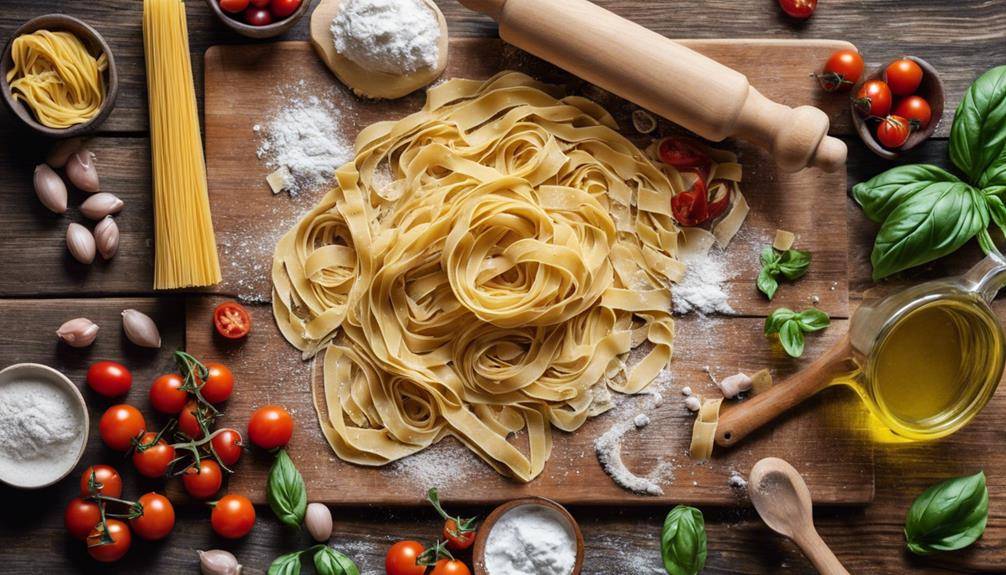
3 Best Methods For Cooking Fresh Pasta: When you want to cook fresh pasta, you have three great methods to choose from. First, boiling is the quickest; just add salted water, and it'll be ready in 2 to 4 minutes—perfectly al dente! Second, steaming lets you infuse flavors, but be sure to cut the pasta into shapes and avoid overcrowding. Finally, baking is fantastic for layered dishes like lasagna; cover with foil initially and remove it for a crispy top. Each method brings its own unique flavor and texture. If you stick around, you'll uncover the finer details for each technique!
Boiling Method
Click Here and Turn Every Masterpiece into a Showstopper!
When you're ready to cook fresh pasta, the boiling method is your go-to technique. This method guarantees that your pasta achieves that perfect texture, which is essential for a delightful meal. Start by bringing a large pot of salted water to a rolling boil. The salt not only enhances flavor but also helps maintain the pasta's firmness.
Once the water is boiling, gently add your fresh pasta. Remember, fresh pasta cooks much quicker than dried varieties, typically taking only 2 to 4 minutes. Keep an eye on it; overcooked pasta can lose its delightful al dente texture. As it cooks, stir occasionally to prevent sticking, guaranteeing an even cooking experience.
To check for doneness, taste a piece a minute or so before the suggested cooking time is up. You want it to be tender yet firm to the bite. If you prefer a softer texture, you can leave it in for another minute, but be cautious not to overdo it.
When the pasta reaches your desired texture, quickly drain it in a colander. Avoid rinsing it, as this can wash away the starch that helps sauce cling to the pasta. If you're serving it with a sauce, consider reserving a bit of the pasta water before draining; this starchy water can help adjust the sauce consistency if needed.
Steaming Method
Using the steaming method can bring out a unique texture and flavor in fresh pasta. This technique allows the pasta to cook gently, preserving its delicate structure while enhancing its natural taste. To get started, you'll need a steamer basket or a heatproof dish set over simmering water.
First, prepare your fresh pasta by cutting it into your desired shapes. Place the pasta in the steamer basket, making sure it's not overcrowded to guarantee even cooking. Cover the basket with a lid to trap the steam. The key to achieving the perfect doneness lies in the steaming time, which typically ranges from 5 to 10 minutes, depending on the thickness of your pasta. Keep an eye on it; you want the pasta to be tender but not mushy.
One of the biggest advantages of the steaming method is the flavor enhancement it provides. As the steam circulates, it helps infuse the pasta with any added ingredients, such as herbs, spices, or even a splash of broth. This can elevate your dish, making it more aromatic and flavorful.
Once the steaming time is up, carefully remove the basket and let the pasta rest for a minute. You can toss it with your favorite sauce or serve it plain with a drizzle of olive oil and a sprinkle of cheese. Steaming fresh pasta opens up new avenues for creativity in your cooking, allowing you to enjoy a satisfying and delicious meal.
Click Here and Turn Every Masterpiece into a Showstopper!
Baking Method
Baking fresh pasta offers a delightful transformation, turning simple ingredients into a rich and comforting dish. When you bake pasta, you're not just cooking it; you're creating layers of flavor through baking techniques that enhance its texture and taste. You can use various pasta varieties, like lasagna sheets, cannelloni, or even stuffed shells, to achieve diverse results.
To start, preheat your oven to a suitable temperature, generally around 350°F (175°C). If you're making a layered pasta dish, like lasagna, begin by spreading a layer of sauce in your baking dish. Alternate layers of fresh pasta, filling, and more sauce, ensuring each layer is well-coated to prevent drying. This method not only keeps the pasta moist but also allows the flavors to meld beautifully.
For stuffed pasta, like cannelloni, fill each tube with your desired mixture—think ricotta, spinach, or meat—and place them in the dish. Cover with sauce and a sprinkle of cheese for that golden, bubbly finish.
Covering your baking dish with aluminum foil during the first half of cooking helps retain moisture. Remove the foil for the last 15 minutes to achieve that perfect crispy top. Once it's golden and bubbling, let it rest for a few minutes before serving. This baking method elevates fresh pasta into a hearty meal, bringing warmth and satisfaction to your table. Enjoy experimenting with different pasta varieties and fillings to make each dish uniquely yours!
Click Here and Turn Every Masterpiece into a Showstopper!
Frequently Asked Questions: 3 Best Methods For Cooking Fresh Pasta
Can I Store Fresh Pasta for Later Use?
Yes, you can store fresh pasta for later use. For effective fresh pasta storage, keep it in an airtight container in the fridge for a few days or freeze it for longer preservation. Enjoy your delicious pasta later!
What Types of Flour Are Best for Fresh Pasta?
When making fresh pasta, you'll find durum wheat flour gives a firmer texture, while all-purpose flour creates a softer, more versatile dough. Experiment with both to discover which works best for your desired pasta dish!
How Do I Know When Fresh Pasta Is Cooked Perfectly?
You'll know fresh pasta's perfectly cooked when it's tender yet slightly firm. Use cooking techniques like tasting and timing to gauge doneness. A texture comparison with dried pasta can also help you determine its ideal state.
Can I Freeze Fresh Pasta Before Cooking It?
Yes, you can freeze fresh pasta before cooking it. Use proper freezing techniques, like laying it flat on parchment paper. For thawing methods, simply let it sit in the fridge or cook directly from frozen.
What Sauces Pair Best With Fresh Pasta Dishes?
When choosing sauces for fresh pasta, consider sauce recommendations like pesto for a herbal burst or a rich marinara for a classic taste. Each option offers unique flavor profiles that enhance your dish beautifully. Enjoy experimenting!

Conclusion
No matter which method you choose, cooking fresh pasta can elevate any meal. Boiling offers a classic approach, while steaming adds a unique twist, and baking brings out comforting flavors. Each technique showcases the pasta's freshness and texture in its own way. So, experiment with these methods, and find your favorite. Enjoy the delicious results and impress your family and friends with your newfound pasta skills! Happy cooking!