Four Tips For Crafting Vibrant Colored Pasta
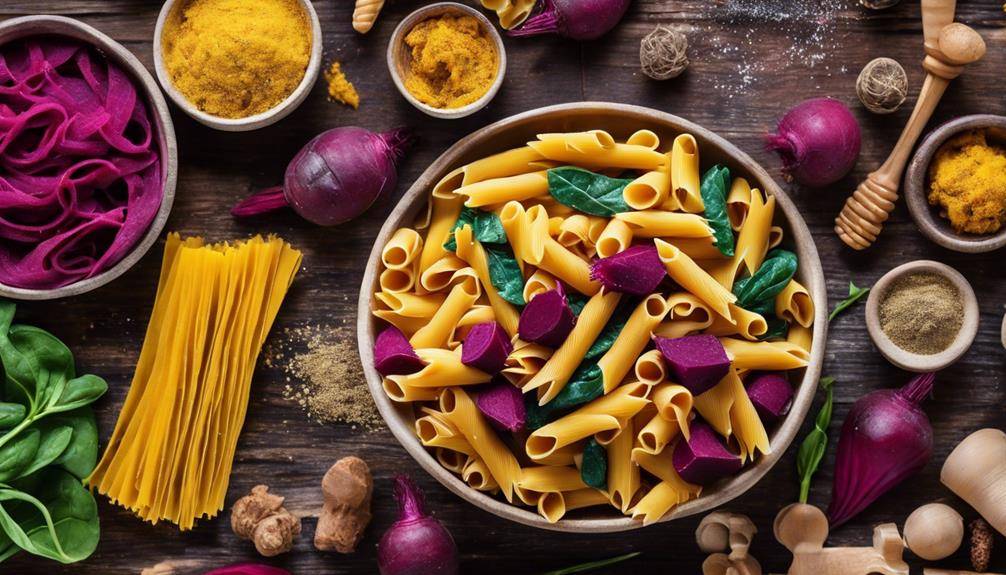
Four Tips For Crafting Vibrant Colored Pasta: To craft vibrant colored pasta, start by selecting natural dyes from fruits and vegetables, like beets for red and spinach for green. Prepare your dough using all-purpose flour, eggs, and a pinch of salt, then knead it until smooth. When mixing in colors, add the dye to the wet dough for even distribution, and feel free to experiment with combinations. Finally, cook your pasta in salted water to enhance flavor and maintain those vivid hues. These tips just scratch the surface, and there's plenty more to explore for making your pasta truly standout.
Selecting Natural Dyes
Click Here and Turn Every Masterpiece into a Showstopper!
When it comes to crafting vibrant colored pasta, the joy of selecting natural dyes can elevate your culinary experience. You'll find that choosing the right dye sources plays a significant role in achieving your desired color intensity. Start by considering fruits and vegetables, which are excellent for their rich pigments. For example, beets provide a deep red hue, while spinach yields a lovely green. If you're aiming for a sunny yellow, turmeric is your go-to option.
Once you've selected your dye sources, think about how you'll extract the colors. You can either juice the fruits and vegetables or simmer them in water to create a concentrated dye. The extraction method you choose will impact the final color intensity of your pasta. If you want a more vibrant shade, use a higher concentration of dye or increase the cooking time. Remember, the colors can lighten during the drying process, so aim for a deeper shade than you might expect.
It's also essential to experiment with combinations of dye sources. Mixing different fruits and vegetables can yield stunning results and unique colors. For instance, blending beet juice with carrot juice can create a beautiful orange-red pasta that's visually striking. Don't shy away from testing various ratios until you achieve the perfect hue. Embrace the process, and soon you'll find that selecting natural dyes not only enhances the aesthetic appeal of your pasta but also adds an exciting twist to your culinary repertoire.
Preparing Your Pasta Dough
After selecting your natural dyes, the next step is preparing your pasta dough. Start by gathering your ingredients: all-purpose flour, eggs, and a pinch of salt. You can adjust the quantities depending on how much pasta you want to make, but a good rule of thumb is about one egg for every 100 grams of flour.
In a large bowl, combine the flour and salt, then create a well in the center. Crack the eggs into the well, letting them sit for a moment. When you mix, use a fork to gradually incorporate the flour from the edges into the eggs. This helps achieve a good dough consistency. Once the mixture starts coming together, use your hands to knead the dough.
Kneading is essential for achieving the right pasta texture. Aim for a smooth, elastic dough that's not too sticky. If it feels too dry, add a tiny bit of water; if it's too sticky, sprinkle a little more flour. You want the dough to be pliable and easy to work with.
Knead for about 10 minutes until you can form a ball. Wrap it in plastic wrap and let it rest for at least 30 minutes. This resting period allows the gluten to relax, making it easier to roll out later. Once rested, your dough will be ready to absorb those vibrant colors from your natural dyes in the next step!
Mixing in the Colors
It's time to infuse your pasta dough with vibrant colors! Mixing in the colors is where the magic happens, and it's easier than you might think. Start by choosing your color combinations wisely. For instance, you might pair spinach for green, beetroot for pink, or turmeric for a sunny yellow. These natural ingredients give your pasta a beautiful hue while keeping it delicious.
Next, consider the dye intensity. If you're going for a strong, bold color, you'll want to use a larger quantity of your chosen ingredient. For a more subtle shade, just a little will do. When you're ready to mix, add your color ingredient to the wet part of your dough, whether that's eggs or water. Blend it well before incorporating the flour to guarantee an even distribution.
If you want to achieve a marbled effect, you can fold in the color gently rather than mixing it completely. This technique creates stunning visual variations in your pasta.
Remember, the key is to experiment! Don't hesitate to combine colors to create unique shades; perhaps mix spinach and beet for an interesting earthy tone. Once you've achieved your desired color, knead the dough thoroughly to guarantee the colors meld beautifully.
After that, you'll be well on your way to crafting pasta that's not only tasty but visually stunning. Happy coloring!
Click Here and Turn Every Masterpiece into a Showstopper!
Cooking Techniques for Colorful Pasta
To truly showcase the vibrant colors of your pasta, mastering the right cooking techniques is essential. Start by ensuring you've chosen the right pasta shapes that not only hold their color but also complement your dish. Different shapes can affect how sauce clings, so consider using shapes like farfalle or fusilli, which can catch flavors beautifully.
Next, boil your colorful pasta in a pot of salted water. The salt not only enhances the flavor but can also help maintain the pasta's vivid hues. Keep in mind that cooking times can vary depending on the type of colored pasta you've made, so follow your recipe closely to achieve that perfect al dente texture. Overcooking can dull the colors, so keep an eye on it!
Once the pasta is cooked, don't forget to reserve some of the cooking water. This starchy water can be a game-changer when it comes to creating a silky sauce. When you drain the pasta, do it gently; you want to avoid losing the vibrant colors in the process.
Now, think about flavor pairings. Light sauces made with olive oil, garlic, or fresh herbs can enhance the visual appeal and taste without overpowering your pasta's colors. Pair your vibrant pasta with seasonal vegetables or proteins that complement its hues, creating a dish that's not just colorful but also delicious. With these cooking techniques, your vibrant pasta is sure to impress!
Creative Serving Suggestions
When serving your vibrant colored pasta, think outside the box to create an eye-catching presentation. Start by choosing a varied dish that complements the colors of your pasta. A white or light-colored plate can make your vibrant noodles pop, while a dark bowl can create a striking contrast. Layer your pasta in a mound or twist it into a nest shape to add height and dimension.
Next, consider flavor pairing to enhance both taste and visual appeal. For example, pair green spinach pasta with fresh basil pesto and top it with cherry tomatoes for a burst of color. Alternatively, serve purple pasta with a creamy garlic sauce and sprinkle with bright green parsley. This not only enhances the dish's flavor but also ties in the colors beautifully.
Don't shy away from garnishes! A sprinkle of microgreens or edible flowers can elevate your pasta presentation and add a touch of elegance. If you're serving a mixed pasta dish, arrange the colors in a rainbow pattern to draw the eye and make the dish fun.
Lastly, think about the serving style. Instead of a traditional bowl, try using a large platter or individual jars for a rustic touch. You could even serve small portions in clear cups for a party vibe. Whatever you choose, remember that creative serving suggestions can turn a simple meal into a memorable experience, showcasing your delicious, colorful pasta in all its glory.
Click Here and Turn Every Masterpiece into a Showstopper!
Frequently Asked Questions: Four Tips For Crafting Vibrant Colored Pasta
Can I Use Food Coloring Instead of Natural Dyes?
You can use food coloring instead of natural dyes, but consider the differences. Food coloring alternatives may provide brighter results, while natural dyeing techniques offer unique flavors and a more authentic, earthy aesthetic to your pasta.
How Long Does Colored Pasta Last When Stored?
Colored pasta lasts about 2-3 days in the fridge when stored properly. For dye longevity, make certain it's sealed in an airtight container. If you freeze it, it can last up to a month.
Is Flavored Pasta Better Than Colored Pasta?
You'll find that flavored pasta offers unique benefits, enhancing taste and experience, while colored pasta focuses on aesthetics. Both have their appeal, but it depends on whether you prioritize flavor or visual presentation in your dish.
Can I Freeze Colored Pasta for Later Use?
Yes, you can freeze colored pasta for later use. Just make certain it's properly stored to maintain dye preservation. Use airtight containers or freezer bags to keep your pasta fresh and ready for your next meal.
What Are Common Mistakes When Making Colored Pasta?
When making colored pasta, you might overlook pasta texture and dye absorption. Not kneading enough can lead to uneven color, while excessive moisture can cause the dye to wash out, affecting both appearance and taste.

Conclusion
By following these tips, you can easily create vibrant colored pasta that'll impress everyone at your table. Experiment with different natural dyes and have fun mixing colors into your dough. Remember to use the right cooking techniques to preserve those beautiful hues. Finally, don't shy away from creative serving suggestions—your colorful pasta is sure to be a hit! So roll up your sleeves and get started on your colorful culinary adventure today!